Thoracic Outlet Syndrome is often discussed as a problem of posture, weakness, or poor movement habits. Many individuals describe trying massage, physical therapy, stretching, and exercise with mixed or worsening results. This creates confusion about what approaches are helpful and why symptoms sometimes intensify rather than improve.
In my clinical experience, thoracic outlet syndrome massage is one of the most commonly attempted strategies. Patients often report temporary relief followed by rapid symptom return. This pattern raises important biomechanical questions about why soft tissue work alone may not resolve compression patterns.
Thoracic Outlet Syndrome involves narrowing of the space between the clavicle, first rib, and surrounding soft tissues. The brachial plexus, subclavian artery, and subclavian vein pass through this region. When tissue tone, joint position, or movement coordination changes, these structures may be mechanically stressed.
Many individuals ask, does massage help thoracic outlet syndrome or can it make symptoms worse. Massage can temporarily reduce muscle tone, but if underlying joint mechanics and load patterns remain unchanged, compression forces often return.
Physical therapy is often prescribed as a first-line approach. Physical therapy for thoracic outlet syndrome usually includes posture training, stretching, and strengthening. While well intentioned, this approach does not always account for how neural and vascular tissues respond to force.
Patients often report frustration and ask why PT doesn’t work for TOS. In many cases, exercises increase tension through already restricted pathways. This may provoke symptoms rather than relieve them.
Stretching is frequently recommended. Stretching for thoracic outlet syndrome is intended to lengthen tight muscles such as the scalenes or pectoralis minor. However, aggressive or repeated stretching can increase neural irritation when tissues are already compressed.
A common observation is why stretching makes symptoms worse. Stretching a nerve pathway under compression can increase mechanical strain. This may explain increased tingling, numbness, or pain during or after stretching routines.
Manual therapy is often suggested as a gentler alternative. Manual therapy for thoracic outlet syndrome includes soft tissue techniques, joint mobilization, and guided movement. Outcomes vary depending on how well the approach respects neural and vascular sensitivity.
Deep tissue techniques are sometimes used. Deep tissue for thoracic outlet syndrome may reduce muscle density, but excessive pressure can increase local inflammation and neural irritation. Patients often report soreness or symptom flares afterward.
When individuals search for the best treatment plan for TOS, they often encounter conflicting advice. Some are told to stretch more, others to strengthen more, and some to rest completely. These contradictions arise from incomplete biomechanical models.
Chiropractic care is another commonly explored option. People frequently ask, does chiropractic help TOS. Spinal and rib mechanics can influence thoracic outlet space, but adjustments alone may not address soft tissue tone or movement control.
A common question is can physical therapy fix thoracic outlet syndrome. For some individuals with mild postural contributors, it may help. For others with complex compression patterns, symptoms persist or worsen.
Comparisons between approaches are common. Massage vs PT for TOS is often framed as relaxation versus strengthening. In reality, both can miss the underlying issue if neural and vascular load tolerance is not considered.
Upper limb symptoms are frequently the primary concern. Patients search for the best exercises for arm numbness, hoping movement will restore sensation. However, exercises that increase traction on irritated nerves may intensify symptoms.
Many individuals wonder, can stretching worsen nerve compression. From a mechanical perspective, elongating tissues within a constrained space can increase pressure rather than reduce it.
Clinicians often discuss manual therapy nerve compression patterns. Gentle, graded input may reduce guarding, but aggressive techniques can increase neural sensitivity.
Rehabilitation programs often promise recovery. Rehab for thoracic outlet syndrome varies widely, and outcomes depend on how accurately the program matches the individual’s mechanics.
Some patients explore alternative treatments for TOS after conventional approaches fail. These may include movement re-education, breathing strategies, and graded load exposure.
Movement quality is increasingly emphasized. Movement therapy for TOS focuses on coordinated, low-load motion rather than isolated stretching or strengthening.
Posture remains a key topic. Postural therapy for thoracic outlet syndrome aims to reduce sustained compression, but static posture correction alone rarely resolves dynamic loading issues.
Neural mobility exercises are frequently prescribed. Nerve glides for arm pain are intended to improve nerve excursion, but excessive range or repetition may aggravate symptoms.
Soft tissue approaches continue to be popular. Soft tissue treatment for TOS may reduce local tone, but without addressing movement patterns, results are often short-lived.
Myofascial techniques are also used. Myofascial release thoracic outlet syndrome approaches vary widely in pressure and intent, which explains inconsistent outcomes.
Technology-based methods are gaining interest. Vibration therapy for arm pain is sometimes used to modulate muscle tone and sensory input. Low-amplitude vibration may influence neuromuscular response when applied appropriately.
Exercise is often promoted as a solution. Does exercise help TOS depends on how exercise loads the system. Poorly selected exercises can increase compression forces.
Many patients search for home exercises for TOS hoping to self-manage symptoms. Without guidance, these routines may reinforce problematic patterns.
A frequent complaint is physical therapy made TOS worse. This often reflects programs that increase tension without restoring coordinated movement.
People understandably ask, what therapy works best for TOS. There is no universal solution, but approaches that respect neural sensitivity and mechanical loading tend to be better tolerated.
Conservative care is commonly advised. Conservative treatment options TOS include education, movement modification, and graded exposure rather than aggressive interventions.
Patients often seek non invasive therapy for thoracic outlet syndrome as alternatives to procedures. Understanding tissue tolerance is critical in these approaches.
Ultimately, individuals want the best thoracic outlet treatment. Education about mechanics, symptom triggers, and load management is often missing but essential.
Many searches reflect desperation, including how to get rid of thoracic outlet syndrome. This language reflects frustration rather than a clear understanding of biomechanics.
Patients ask what actually works for TOS after repeated failures. Recognizing why prior approaches aggravated symptoms is often the first step.
Some search for proven thoracic outlet treatments, but research remains limited and heterogeneous. Clinical patterns provide important insights.
Recovery is often portrayed as linear. Step by step thoracic outlet recovery is more accurately described as gradual adaptation rather than rapid resolution.
Some individuals ask how to reverse thoracic outlet syndrome, reflecting a desire for certainty. Education focuses instead on modifying forces and tolerance.
Mechanical questions are common, such as how to decompress thoracic outlet spaces through movement and positioning.
People seek ways to fix nerve compression naturally, often without understanding the mechanical contributors involved.
Vascular concerns lead to searches like restore blood flow to arm and relieve arm compression. These symptoms often fluctuate with position and activity.
When options feel exhausted, patients ask about the best next step for thoracic outlet syndrome. Re-evaluating assumptions about stretching and strengthening is often necessary.
Some searches reflect emotional fatigue, including real solution for thoracic outlet syndrome and i’ve tried everything arm pain. These phrases highlight the need for clearer education.
Surgical fear is common. Many ask, is surgery my only option. Understanding why conservative care failed is essential before considering escalation.
Recovery questions persist, such as how to recover from thoracic outlet syndrome and thoracic outlet recovery plan. Individualized load management is key.
Self-care remains popular. Thoracic outlet self treatment and home treatment for thoracic outlet syndrome are frequently attempted with mixed success.
People continue asking how to fix thoracic outlet syndrome because many explanations oversimplify the problem.
General searches like thoracic outlet syndrome help reflect a lack of clear guidance.
Interest in non surgical solution for TOS remains high, driven by inconsistent conservative outcomes.
Pain persistence leads to questions like what to do next for arm pain, arm pain won’t go away what to do, and chronic arm pain solution.
Symptoms often extend beyond the arm. Searches for shoulder nerve pain solution and how to stop arm numbness are common.
Long-term thinking appears in how to reduce nerve compression and long term solution for TOS.
Finally, many seek a treatment plan for thoracic outlet syndrome that explains why certain approaches failed and how to proceed logically.
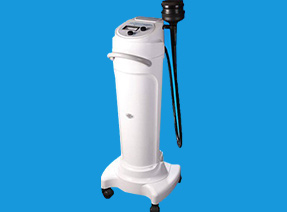
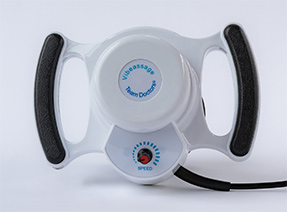
Team Doctors® integrates educational models that emphasize load management, movement coordination, and tissue tolerance. Tools such as Vibeassage®, including the Vibeassage® Sport and Vibeassage® Pro with the TDX3 soft-as-the-hand Biomimetic Applicator Pad, are discussed in this educational context as part of broader self-care conversations.
Team Doctors Resources
✓ Check out the Team Doctors Recovery Tools
The Vibeassage Sport and the Vibeassage Pro featuring the TDX3 soft-as-the-hand Biomimetic Applicator Pad
https://www.teamdoctors.com/
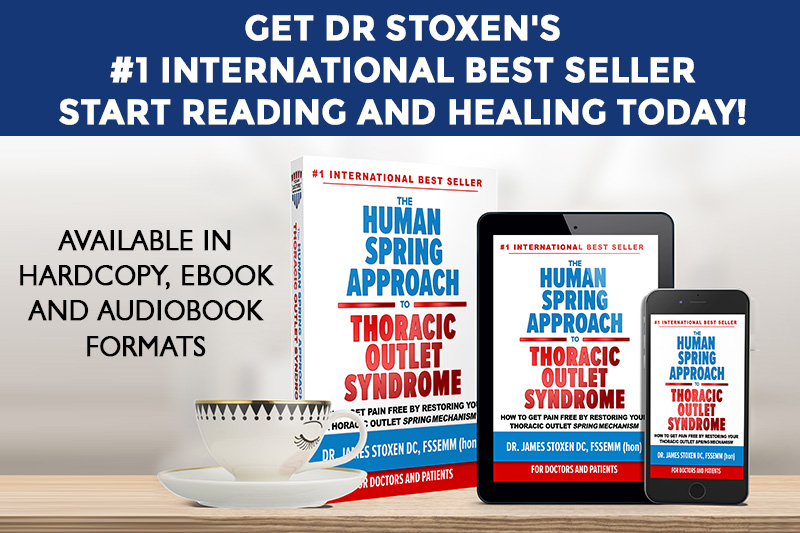
✓ Get Dr. Stoxen’s #1 International Bestselling Books
Learn how to understand, examine, and reverse your TOS—without surgery.
https://drstoxen.com/1-international-best-selling-author/
✓ Check out Team Doctors Online Courses
Step-by-step video lessons, demonstrations, and self-treatment strategies.
https://teamdoctorsacademy.com/
✓ Schedule a Free Phone Consultation With Dr. Stoxen
Speak directly with him so he can review your case and guide you on your next steps.
https://drstoxen.com/appointment/
#ThoracicOutletSyndrome #TOS #ArmNumbness #NerveCompression #ShoulderPain #Posture #ManualTherapy #PhysicalTherapy #MassageTherapy #ChronicPain #Biomechanics #MovementScience #VascularCompression #BrachialPlexus #ScaleneMuscles #RehabEducation #NonSurgicalCare #PainScience #UpperExtremity #PatientEducation
References
- Sanders, R. J., Hammond, S. L., & Rao, N. M. Thoracic outlet syndrome: a review. Neurologic Clinics 31, no. 2 (2013): 523–537. https://doi.org/10.1016/j.ncl.2013.02.002
- Illig, K. A., et al. Reporting standards of the Society for Vascular Surgery for thoracic outlet syndrome. Journal of Vascular Surgery 64, no. 3 (2016): e23–e35. https://doi.org/10.1016/j.jvs.2016.04.039
- Povlsen, B., Hansson, T., & Povlsen, S. Treatment for thoracic outlet syndrome. Cochrane Database of Systematic Reviews (2014). https://doi.org/10.1002/14651858.CD007218.pub3

Dr James Stoxen DC., FSSEMM (hon) He is the president of Team Doctors®, Treatment and Training Center Chicago, one of the most recognized treatment centers in the world.
Dr Stoxen is a #1 International Bestselling Author of the book, The Human Spring Approach to Thoracic Outlet Syndrome. He has lectured at more than 20 medical conferences on his Human Spring Approach to Thoracic Outlet Syndrome and asked to publish his research on this approach to treating thoracic outlet syndrome in over 30 peer review medical journals.
He has been asked to submit his other research on the human spring approach to treatment, training and prevention in over 150 peer review medical journals. He serves as the Editor-in-Chief, Journal of Orthopedic Science and Research, Executive Editor or the Journal of Trauma and Acute Care, Chief Editor, Advances in Orthopedics and Sports Medicine Journal and editorial board for over 35 peer review medical journals.
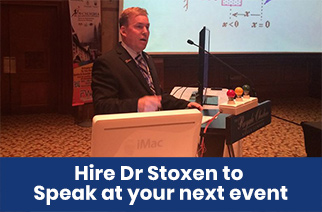
He is a much sought-after speaker. He has given over 1000 live presentations and lectured at over 70 medical conferences to over 50,000 doctors in more than 20 countries. He has been invited to speak at over 300 medical conferences which includes invitations as the keynote speaker at over 50 medical conferences.
After his groundbreaking lecture on the Integrated Spring-Mass Model at the World Congress of Sports and Exercise Medicine he was presented with an Honorary Fellowship Award by a member of the royal family, the Sultan of Pahang, for his distinguished research and contributions to the advancement of Sports and Exercise Medicine on an International level. He was inducted into the National Fitness Hall of Fame in 2008 and the Personal Trainers Hall of Fame in 2012.
Dr Stoxen has a big reputation in the entertainment industry working as a doctor for over 150 tours of elite entertainers, caring for over 1000 top celebrity entertainers and their handlers. Anthony Field or the popular children’s entertainment group, The Wiggles, wrote a book, How I Got My Wiggle Back detailing his struggles with chronic pain and clinical depression he struggled with for years. Dr Stoxen is proud to be able to assist him.
Full Bio) Dr Stoxen can be reached directly at teamdoctors@aol.com