Many people ask themselves do i have thoracic outlet syndrome when unexplained arm, shoulder, or neck symptoms begin to appear.
Thoracic Outlet Syndrome is a term used to describe patterns of nerve and blood vessel compression occurring between the neck and shoulder.
People often search is this thoracic outlet syndrome after noticing sensations that do not match a single injury.
These sensations often develop slowly and are commonly associated with posture and repetitive upper body positioning.
thoracic outlet syndrome symptoms can vary widely between individuals.
Some people notice mild tingling, while others describe weakness, heaviness, or discomfort during daily tasks.
The signs of thoracic outlet syndrome are often position dependent.
Symptoms may appear when the arms are raised, held forward, or kept in one posture for extended periods.
Many individuals look for a thoracic outlet syndrome quiz online to better understand their symptoms.
These quizzes often focus on arm position, symptom location, and changes with movement.
A thoracic outlet syndrome test in a clinical setting usually involves posture assessment and movement-based observation.
In my clinical experience, symptom reproduction during specific arm positions provides useful information.
The symptoms of thoracic outlet syndrome in arm commonly include numbness, tingling, or fatigue.
These sensations often follow nerve pathways extending from the neck into the hand.
People frequently ask how is thoracic outlet syndrome diagnosed when imaging appears normal.
Many individuals describe symptoms that are movement-related rather than visible on static scans.
The early signs of thoracic outlet syndrome are often subtle.
They may include transient tingling, mild weakness, or discomfort during overhead activities.
Patients often ask what does thoracic outlet syndrome feel like.
Many individuals describe a combination of pressure, burning, or heaviness rather than sharp pain.
arm numbness and tingling cause searches are common among individuals with upper body tension.
These sensations may increase when the arm is elevated or held forward.
shoulder pain and arm numbness often occur together.
This pattern reflects the close anatomical relationship between the shoulder girdle and neural structures.
neck pain radiating to arm is another frequently reported experience.
This sensation often follows the path of the brachial plexus.
hand tingling and weakness may appear during prolonged phone use or desk work.
Many individuals describe symptoms worsening by the end of the day.
pins and needles in arm sensations may come and go.
They are often linked to sustained muscle contraction rather than acute injury.
arm pain when lifting objects can feel disproportionate to the task.
This may occur even with light items held in front of the body.
shoulder pain when raising arm is commonly reported.
Overhead positioning narrows the anatomical space beneath the collarbone.
numbness when arms are overhead is a classic positional pattern.
Many individuals notice symptoms when washing hair or reaching upward.
A cold hand or arm cause may involve changes in blood flow during sustained postures.
Patients often report temperature differences between sides.
weak grip strength cause concerns often arise alongside arm fatigue.
Grip changes may fluctuate rather than remain constant.
burning pain in shoulder sensations are commonly described.
This feeling may reflect nerve irritation rather than muscle strain.
pain under collarbone cause questions are frequent.
This area corresponds to the passage of nerves and vessels beneath the clavicle.
shoulder heaviness is a sensation many individuals struggle to describe.
It often feels like the arm requires extra effort to hold up.
arm fatigue easily during simple tasks is commonly reported.
This may include typing, holding a phone, or driving.
one arm weaker than the other is a pattern patients often notice.
This asymmetry may change depending on posture.
tingling fingers at night can interrupt sleep.
Symptoms may worsen when lying on one side.
pain down the arm is frequently described as diffuse rather than pinpointed.
It may shift depending on arm position.
tingling pinky and ring finger sensations often raise concern.
These fingers are commonly involved due to nerve distribution.
arm numbness from neck positioning is frequently reported.
Neck posture can influence tension throughout the shoulder region.
Many people ask could this be thoracic outlet syndrome after noticing patterns linked to posture.
These questions often arise after imaging fails to explain symptoms.
A frequently overlooked contributor is sustained activation of the pectoralis minor muscle.
This muscle plays a key role in stabilizing the shoulder during forward arm use.
When holding a phone in front of the face, the shoulder must be anchored.
The pectoralis minor assists by drawing the shoulder downward toward the rib cage.
During repeated phone use, this muscle contracts repeatedly throughout the day.
Over time, this pattern may contribute to persistent tension.
In my clinical experience, individuals often demonstrate tenderness beneath the collarbone.
This area corresponds to the pectoralis minor attachment.
As the muscle remains shortened, space beneath the clavicle may be altered.
This can influence nearby neural and vascular structures.
Many individuals describe symptoms worsening during prolonged sitting.
Forward head posture increases demand on shoulder stabilizers.
Modern work and device habits often keep the arms forward for hours.
This sustained position places continuous load on the shoulder girdle.
Patients often report relief when changing positions.
This suggests a mechanical rather than inflammatory driver.
Thoracic Outlet Syndrome is often discussed as a single condition.
In reality, it represents a pattern of biomechanical stress responses.
Observation of movement and posture provides valuable insight.
Static imaging alone may not reflect dynamic compression.
Educational awareness helps individuals understand symptom triggers.
Recognizing patterns allows informed discussions with providers.
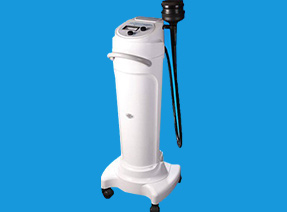
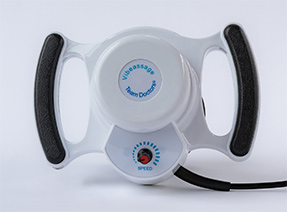
Tools such as Vibeassage® Sport and Vibeassage® Pro are often discussed in educational contexts.
They are commonly referenced alongside the TDX3 soft-as-the-hand Biomimetic Applicator Pad.
Team Doctors® educational materials frequently emphasize biomechanics.
These resources focus on posture, movement, and symptom patterns.
Understanding anatomy empowers individuals to observe their own patterns.
Education remains a foundational step in symptom awareness.
Thoracic Outlet Syndrome symptoms often fluctuate.
This variability reflects the influence of daily posture and activity.
Team Doctors Resources
✓ Check out the Team Doctors Recovery Tools
The Vibeassage Sport and the Vibeassage Pro featuring the TDX3 soft-as-the-hand Biomimetic Applicator Pad
https://www.teamdoctors.com/
✓ Get Dr. Stoxen’s #1 International Bestselling Books
Learn how to understand, examine, and reverse your TOS—without surgery.
https://drstoxen.com/1-international-best-selling-author/
✓ Check out Team Doctors Online Courses
Step-by-step video lessons, demonstrations, and self-treatment strategies.
https://teamdoctorsacademy.com/
✓ Schedule a Free Phone Consultation With Dr. Stoxen
Speak directly with him so he can review your case and guide you on your next steps.
https://drstoxen.com/appointment/
#ThoracicOutletSyndrome #TOS #ArmNumbness #ShoulderPain #NeckPain #PostureMatters #BrachialPlexus #PectoralisMinor #NerveCompression #VascularCompression #UpperExtremity #Biomechanics #PainPatterns #ModernPosture #RepetitiveStrain #ClinicalEducation #MovementAssessment #HealthAwareness #PatientEducation #Anatomy
References:
- Sanders, Richard J., and Neal M. S. Hammond. “Thoracic Outlet Syndrome: A Common Sequela of Neck Injuries.” Philadelphia: Lippincott Williams & Wilkins, 2002.
- Povlsen, Bo S., et al. “Treatment for Thoracic Outlet Syndrome.” Cochrane Database of Systematic Reviews, no. 11 (2014). https://doi.org/10.1002/14651858.CD007218.pub3
- Atasoy, Erhan. “Thoracic Outlet Compression Syndrome.” Orthopedic Clinics of North America 27, no. 2 (1996): 265–303.

Dr James Stoxen DC., FSSEMM (hon) He is the president of Team Doctors®, Treatment and Training Center Chicago, one of the most recognized treatment centers in the world.
Dr Stoxen is a #1 International Bestselling Author of the book, The Human Spring Approach to Thoracic Outlet Syndrome. He has lectured at more than 20 medical conferences on his Human Spring Approach to Thoracic Outlet Syndrome and asked to publish his research on this approach to treating thoracic outlet syndrome in over 30 peer review medical journals.
He has been asked to submit his other research on the human spring approach to treatment, training and prevention in over 150 peer review medical journals. He serves as the Editor-in-Chief, Journal of Orthopedic Science and Research, Executive Editor or the Journal of Trauma and Acute Care, Chief Editor, Advances in Orthopedics and Sports Medicine Journal and editorial board for over 35 peer review medical journals.
He is a much sought-after speaker. He has given over 1000 live presentations and lectured at over 70 medical conferences to over 50,000 doctors in more than 20 countries. He has been invited to speak at over 300 medical conferences which includes invitations as the keynote speaker at over 50 medical conferences.
After his groundbreaking lecture on the Integrated Spring-Mass Model at the World Congress of Sports and Exercise Medicine he was presented with an Honorary Fellowship Award by a member of the royal family, the Sultan of Pahang, for his distinguished research and contributions to the advancement of Sports and Exercise Medicine on an International level. He was inducted into the National Fitness Hall of Fame in 2008 and the Personal Trainers Hall of Fame in 2012.
Dr Stoxen has a big reputation in the entertainment industry working as a doctor for over 150 tours of elite entertainers, caring for over 1000 top celebrity entertainers and their handlers. Anthony Field or the popular children’s entertainment group, The Wiggles, wrote a book, How I Got My Wiggle Back detailing his struggles with chronic pain and clinical depression he struggled with for years. Dr Stoxen is proud to be able to assist him.
Full Bio) Dr Stoxen can be reached directly at teamdoctors@aol.com