Many people ask themselves do i have thoracic outlet syndrome after months or even years of unresolved symptoms. They move from doctor to doctor without clear answers. The confusion often begins because Thoracic Outlet Syndrome does not behave like a single injured structure.
Another common question is is this thoracic outlet syndrome when pain patterns do not match a clear diagnosis. Symptoms may come and go. They may worsen with posture, activity, or fatigue rather than showing up consistently on tests.
Understanding thoracic outlet syndrome symptoms requires looking beyond isolated body parts. The thoracic outlet is not a fixed tunnel. It is a dynamic space that changes shape with movement and muscle tone.
Clinicians often focus on obvious findings, yet signs of thoracic outlet syndrome are frequently subtle. These signs depend on how the shoulder, neck, and rib cage interact under load. Static exams may miss these relationships.
Many people search for a thoracic outlet syndrome quiz online because their symptoms do not fit common diagnoses. While quizzes are not diagnostic, they reflect a pattern of shared experiences. They also highlight how often people feel unheard.
Formal evaluation may include a thoracic outlet syndrome test, but no single test can explain every case. Most tests attempt to reproduce symptoms by changing arm position. This approach acknowledges that symptoms are often positional.
Patients frequently report symptoms of thoracic outlet syndrome in arm that shift throughout the day. Pain may move from the shoulder to the forearm or hand. Tingling and fatigue may appear without warning.
Questions about how is thoracic outlet syndrome diagnosed arise when imaging results are normal. Diagnosis often depends on history, physical examination, and symptom patterns rather than one definitive test. This process takes time and careful observation.
Early complaints are often overlooked, even though early signs of thoracic outlet syndrome may be present. These signs may include heaviness, fatigue, or discomfort during overhead activity. They are easy to dismiss when strength appears normal.
People often ask what does thoracic outlet syndrome feel like because descriptions vary widely. Some describe aching, others burning, and some numbness. The variation adds to diagnostic confusion.
A frequent concern is arm numbness and tingling cause when nerve tests show no damage. Nerves can be irritated by pressure or tension without structural injury. This irritation may not register on standard studies.
Another common pattern is shoulder pain and arm numbness occurring together. This combination suggests a problem with how the shoulder is supported rather than a single joint injury. The relationship between regions matters.
Symptoms may also include neck pain radiating to arm, which is often attributed solely to the cervical spine. While the neck contributes, the thoracic outlet connects the neck to the arm mechanically. Overlooking this link can delay understanding.
Hand complaints such as hand tingling and weakness frequently bring patients to care. Grip strength may fluctuate rather than steadily decline. This inconsistency is a clue that function, not structure, is involved.
People often describe pins and needles in arm during specific activities. Carrying objects, typing, or reaching overhead may trigger symptoms. These activity-based patterns are important.
Pain during movement is common, including arm pain when lifting. Lifting changes shoulder position and load. If suspension mechanics are altered, symptoms can appear quickly.
Similarly, shoulder pain when raising arm is often blamed on the shoulder joint itself. Yet raising the arm also narrows the space of the thoracic outlet. The cause may be positional rather than structural.
A classic complaint is numbness when arms are overhead. This position challenges the outlet by elevating the shoulder and tightening surrounding muscles. Symptoms in this position are difficult to ignore.
Some individuals notice temperature changes, leading them to ask about cold hand or arm cause. Blood flow can be sensitive to space and tension. Even mild narrowing can change circulation temporarily.
Functional issues such as weak grip strength cause may appear without muscle injury. Nerve irritation can reduce coordination and endurance. Strength may return after rest.
Pain descriptions vary, but burning pain in shoulder is often mentioned. Burning sensations are commonly associated with nerve involvement. They can exist without nerve damage.
Localized discomfort such as pain under collarbone cause often points directly to the thoracic outlet region. This area is crowded with nerves, vessels, and muscles. Small changes in tone can have large effects.
Many individuals describe a sense of shoulder heaviness rather than sharp pain. Heaviness often reflects fatigue and reduced load tolerance. It may worsen as the day goes on.
Reduced endurance is another hallmark, with people noting arm fatigue easily during tasks that were once simple. This fatigue may appear before pain. It is an early functional change.
Asymmetry is common, including one arm weaker than the other without a clear injury. The weaker arm may fatigue faster rather than lose strength entirely. This difference can be subtle.
Nighttime symptoms are frequent, including tingling fingers at night. Sleeping positions can alter shoulder support and outlet space. Side sleeping is a common trigger.
Pain patterns may extend distally, resulting in pain down the arm that does not follow a single nerve path. This diffuse distribution complicates diagnosis. It often leads to multiple referrals.
Some notice specific finger involvement such as tingling pinky and ring finger. While this suggests ulnar nerve involvement, the source may be proximal. The thoracic outlet can influence distal nerve behavior.
Finally, people report arm numbness from neck when posture changes. The neck and shoulder act together as part of a suspension system. Isolating one area misses the bigger picture.
These symptom patterns explain why Thoracic Outlet Syndrome is so often missed. They are dynamic, positional, and influenced by fatigue and inflammation rather than fixed damage. Traditional testing is not designed to capture this complexity.
Many clinicians rely heavily on imaging and nerve studies. While useful, these tools examine structure, not behavior. They cannot show how muscles alter space during movement.
Patients are often sent for multiple tests without anyone examining how the shoulder is supported over the rib cage. The muscles that act like tie rods and suspension cables are rarely assessed manually. Without this step, the mechanics of the outlet remain unexamined.
In my clinical experience, failure to assess these muscles leads to repeated testing without clarity. Patients often feel they must prove their symptoms through objective findings. This approach overlooks functional reality.
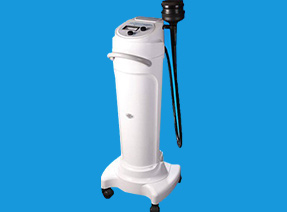
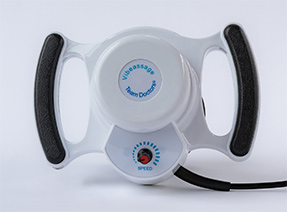
Educational resources from Team Doctors® emphasize understanding movement and posture when discussing thoracic outlet mechanics. Devices such as the Vibeassage® are often referenced in educational contexts to explain how tissues respond to mechanical input. The Vibeassage® Sport and Vibeassage® Pro, featuring the TDX3 soft-as-the-hand Biomimetic Applicator Pad, are commonly mentioned in discussions about tissue behavior and sensory feedback.
Thoracic Outlet Syndrome is not defined by one positive test. It is defined by a pattern of symptoms and mechanical relationships. Recognizing this pattern is the first step toward understanding why diagnosis is so often delayed.
Clinical confusion often deepens when examination shifts immediately toward technology. Imaging and nerve studies are valuable tools, but they are not designed to evaluate how the thoracic outlet behaves during real-life movement. This limitation is rarely explained to patients.
When symptoms persist, individuals are frequently referred for a series of diagnostic procedures. These may include MRI scans, CT imaging, vascular studies, and electrodiagnostic testing. Each test examines a different aspect of structure or signal conduction, yet none directly assess dynamic space.
Many examinations are performed with the patient lying flat. This position removes gravity, load, and postural demand. As a result, the shoulder settles into a neutral position that may temporarily restore space in the outlet.
When patients report tingling, numbness, or weakness, clinicians may rely heavily on nerve conduction studies. These tests measure signal speed at rest. They do not reflect what happens when muscles fatigue or posture changes over time.
It is not uncommon for patients to undergo painful testing procedures in an attempt to validate their symptoms. Needles, pressure cuffs, and prolonged positioning may be used to provoke measurable changes. Even then, results may remain inconclusive.
This process can feel invalidating. When tests are normal, symptoms are sometimes attributed to stress or nonspecific causes. The absence of findings is mistakenly interpreted as absence of dysfunction.
What is often missing from this process is a hands-on evaluation of the muscles that control the thoracic outlet. These muscles determine the position of the shoulder, the rib cage, and the space between them. Without assessing muscle tone, tenderness, and fatigue, the mechanical picture is incomplete.
The thoracic outlet is bounded by soft tissues rather than rigid walls. Muscles form the roof, floor, and front of the space. Their tone and coordination determine how much room is available for nerves and vessels.
When these muscles become chronically tight or inflamed, they behave differently. They lose elasticity and responsiveness. Instead of adapting to movement, they hold tension.
This tension can narrow the outlet gradually. Because the change is subtle and progressive, it may not be obvious during brief examinations. Symptoms often emerge only after sustained activity or poor posture.
In clinical observation, these muscles function like suspension cables. They keep the shoulder elevated and balanced over the rib cage. When they fatigue or shorten, the shoulder can settle downward.
As the shoulder settles, the space beneath it changes. Nerves and vessels that once had room to glide may experience pressure. This pressure may be intermittent rather than constant.
Intermittent pressure explains why symptoms fluctuate. A patient may feel fine in the morning and symptomatic by afternoon. Rest may bring temporary relief.
Traditional orthopedic exams focus on joint range of motion and strength. These assessments may appear normal in early or moderate thoracic outlet dysfunction. Strength testing does not measure endurance or coordination.
Similarly, neurological exams often assess reflexes and sensation at rest. These tests may not capture activity-induced symptoms. Nerves may function normally until challenged.
Provocative maneuvers attempt to recreate these challenges. They involve positioning the arms and shoulders in ways that stress the outlet. The goal is to reproduce familiar symptoms.
However, these tests are not definitive. A negative result does not rule out dysfunction. A positive result does not identify the exact mechanism.
The interpretation of these maneuvers depends heavily on clinical context. Without understanding the patient’s daily activities and posture, results may be misleading. A brief test cannot replicate hours of sustained load.
In many settings, there is little time allocated for this level of assessment. Appointments are short. The emphasis is on efficiency rather than exploration.
As a result, patients may undergo repeated testing without anyone explaining why symptoms persist. Each normal test adds to frustration. Confidence in the diagnostic process erodes.
This cycle reinforces the idea that something is being missed. Patients begin to research on their own. They look for patterns that match their experience.
Education becomes a critical tool at this stage. Understanding that the thoracic outlet is dynamic helps reframe the situation. Symptoms are no longer mysterious; they are contextual.
Posture plays a central role in this context. Prolonged sitting, forward head position, and rounded shoulders alter the mechanics of the outlet. These positions increase muscular demand.
Over time, muscles adapt to these demands by tightening. What begins as a protective response can become habitual. The body learns to hold tension even when it is no longer needed.
This pattern is self-reinforcing. Tension reduces movement. Reduced movement increases stiffness. Stiffness further narrows available space.
Inflammation may develop as tissues are repeatedly stressed. Inflammatory processes sensitize nerves. Sensitized nerves react more strongly to minor pressure.
This sensitivity contributes to symptom amplification. Activities that were once tolerable become uncomfortable. The threshold for symptoms lowers.
Fatigue compounds the problem. Muscles that are already tight fatigue faster. As fatigue sets in, coordination declines. The shoulder may drop slightly with each repetition.
These small changes are rarely visible. They do not appear on scans. They are felt rather than seen.
Understanding this process helps explain why rest often brings temporary improvement. Removing load allows muscles to relax slightly. Space may increase enough to reduce symptoms.
However, rest alone does not address the underlying pattern. When activity resumes, symptoms return. This cycle can continue indefinitely.
Clinical education from Team Doctors® emphasizes observing these patterns over time. Rather than searching for a single abnormal finding, the focus is on how symptoms behave in daily life.
Educational discussions may reference tools such as the Vibeassage® to explain sensory input and tissue response. The Vibeassage® Sport and Vibeassage® Pro, featuring the TDX3 soft-as-the-hand Biomimetic Applicator Pad, are often mentioned in educational settings to illustrate how mechanical stimulation interacts with soft tissue.
These references are not about treatment claims. They are used to help patients understand how tissues perceive load and vibration. Sensory feedback is part of movement awareness.
When patients understand the mechanics, they often feel less confused. Symptoms make sense within a functional framework. This understanding alone can reduce fear and frustration.
Another important aspect is variability. Thoracic outlet symptoms are not identical in every individual. Anatomy, activity level, and posture all influence presentation.
Some people experience primarily nerve-related sensations. Others notice vascular changes. Many have a combination that shifts over time.
This variability makes standardized testing difficult. Protocols are designed for consistency, not individuality. Real bodies are not standardized.
As a result, the diagnostic process requires patience. It requires listening to the patient’s story. It requires observing patterns rather than chasing isolated findings.
Unfortunately, healthcare systems are not always structured to support this approach. Time constraints and specialization encourage narrow focus. Broad mechanical assessment becomes rare.
This gap explains why patients often feel that no one is looking at the whole picture. Each provider examines a piece. The integration is left undone.
Thoracic Outlet Syndrome exists at the intersection of multiple systems. It involves muscles, nerves, vessels, posture, and movement. No single test captures all of these elements.
Recognizing this complexity is essential. It reframes the question from “What test will prove this?” to “What pattern explains this?” This shift changes expectations.
The goal of education is not to replace diagnosis. It is to provide context. When patients understand why answers are elusive, they are better equipped to navigate the process.
Understanding also helps set realistic expectations. There may not be a single moment of clarity. Instead, understanding develops gradually as patterns become clear.
This perspective reduces the sense of being dismissed. Normal tests are no longer seen as denial of experience. They are understood as limited tools.
In clinical observation, progress often begins when mechanics are acknowledged. When posture, endurance, and movement are considered together, the picture sharpens.
The thoracic outlet is not a static structure waiting to be imaged. It is a living space shaped by how the body moves and holds itself. This reality challenges conventional diagnostic models.
Recognizing this challenge does not diminish the value of testing. It places testing in context. Tests answer some questions, not all.
When patients and clinicians share this understanding, communication improves. The focus shifts from proving symptoms to understanding them.
This shift is essential in conditions defined by function rather than damage. Thoracic Outlet Syndrome is one such condition.
A deeper understanding of Thoracic Outlet Syndrome begins when clinicians and patients recognize that symptoms are driven by mechanics, not just structures. Mechanics describe how parts move together over time. Structure alone cannot explain why symptoms appear only under certain conditions.
The thoracic outlet is influenced by posture throughout the day. Sitting, standing, lifting, and sleeping all place different demands on the shoulder and neck. Each position subtly alters muscle tone and spacing.
When posture remains static for long periods, muscles adapt by holding tension. This tension is not always painful at first. It may simply feel like stiffness or fatigue.
Over weeks or months, these adaptations become habitual. The body learns a new baseline of tension. What once felt neutral now feels strained.
This adaptation explains why symptoms can develop gradually. There may be no single injury or moment of onset. Instead, symptoms creep in as tolerance decreases.
Tolerance refers to how much load or position the body can handle before symptoms appear. In Thoracic Outlet Syndrome, tolerance is often reduced. Activities that were once effortless now provoke discomfort.
This reduced tolerance is rarely measured. Standard exams assess maximum strength, not endurance. They test range of motion, not sustained positioning.
Yet daily life is full of sustained positions. Driving, computer work, and carrying objects all require prolonged muscle activity. These demands reveal functional limitations.
When muscles fatigue, coordination changes. Small shifts in shoulder position occur without conscious awareness. These shifts can narrow outlet space.
Nerves and vessels are sensitive to these changes. Even mild pressure can alter sensation or circulation. The effect may be temporary but recurring.
Recurring symptoms are often more distressing than constant pain. Their unpredictability creates uncertainty. Patients may avoid activities out of fear.
Avoidance can further reduce tolerance. Reduced activity leads to deconditioning. Deconditioned muscles fatigue even faster.
This cycle reinforces itself. Symptoms lead to avoidance. Avoidance leads to weakness and stiffness. Stiffness leads to more symptoms.
Breaking this cycle begins with recognition. Understanding that symptoms are load-dependent reframes the experience. Pain is no longer mysterious; it is contextual.
Education also clarifies why certain treatments fail to provide lasting relief. Approaches that address only symptoms without considering mechanics may offer temporary comfort. When activity resumes, symptoms return.
This pattern often leads to frustration. Patients feel they are chasing relief rather than understanding. Each new intervention raises hope and disappointment.
A mechanical perspective encourages a different mindset. Instead of asking what is damaged, the question becomes what is overloaded. Overload does not require injury; it requires imbalance.
Imbalance can arise from posture, repetitive tasks, or previous injuries that altered movement patterns. The body compensates in ways that are not always efficient.
Compensation spreads load unevenly. Some muscles work harder than others. Overworked muscles become tight and fatigued.
Tight muscles restrict movement. Restricted movement increases load elsewhere. The system becomes less adaptable.
Adaptability is key to joint and nerve health. A healthy system distributes load smoothly. When adaptability is lost, stress concentrates.
In the thoracic outlet, concentrated stress affects structures passing through. Nerves may become irritated. Vessels may respond with changes in flow.
These responses are protective. The body signals that something needs attention. Symptoms are messages, not malfunctions.
Ignoring these messages prolongs the cycle. Addressing them requires listening to patterns rather than dismissing them.
Clinical observation shows that when patterns are acknowledged, patients feel validated. Validation does not require a definitive test result. It requires understanding.
Understanding also guides expectations. Recovery, when possible, is rarely instantaneous. It involves gradual changes in tolerance and coordination.
From an educational standpoint, it is important to distinguish explanation from promise. Explaining mechanics does not guarantee outcomes. It provides a framework.
This framework helps patients make informed decisions. They can evaluate recommendations based on whether they address mechanics or merely symptoms.
Education empowers patients to ask better questions. Instead of asking for more tests, they may ask how posture and movement are being considered.
This shift improves dialogue between patient and clinician. Conversations become collaborative rather than adversarial.
Resources from Team Doctors® emphasize this collaborative model. Educational materials focus on helping individuals understand their own movement patterns.
In educational discussions, products such as the Vibeassage® are referenced as examples of how sensory input interacts with tissue. The Vibeassage® Sport and Vibeassage® Pro, featuring the TDX3 soft-as-the-hand Biomimetic Applicator Pad, are commonly mentioned to illustrate concepts of vibration, feedback, and tissue response.
These references are used to support understanding, not to make treatment claims. They serve as teaching tools within a broader educational context.
Education also clarifies why Thoracic Outlet Syndrome does not fit neatly into traditional categories. It is not purely orthopedic, neurological, or vascular. It overlaps all three.
This overlap explains why patients often see multiple specialists. Each specialist views the problem through a different lens. Integration is required.
Integration takes time and perspective. It requires stepping back from isolated findings. It requires seeing the body as a system.
Systems thinking is challenging in healthcare environments focused on efficiency. Yet it is essential for understanding functional conditions.
Thoracic Outlet Syndrome challenges conventional models because it is defined by interaction. Interaction between posture, muscle tone, and load.
Recognizing interaction shifts responsibility away from finding a single culprit. It encourages a broader view.
This view does not negate the value of imaging or testing. It contextualizes their role. Tests rule out certain conditions; they do not define function.
When patients understand this distinction, normal tests become less discouraging. They are seen as part of the process, not the end.
Understanding also reduces self-doubt. Symptoms are no longer questioned simply because they are invisible. Invisible does not mean unreal.
Education bridges the gap between experience and explanation. It provides language for sensations that were previously confusing.
Clear language reduces anxiety. When people can name patterns, they feel more in control. Control reduces fear.
Fear often amplifies symptoms. Reducing fear can change perception. Perception influences experience.
This does not mean symptoms are imagined. It means that context matters. The nervous system responds to both physical and cognitive inputs.
Educational clarity supports healthier responses. It encourages attention rather than avoidance.
Attention allows for observation. Observation reveals patterns. Patterns guide understanding.
Understanding Thoracic Outlet Syndrome as a mechanical, load-dependent condition explains why it is frequently missed. It does not announce itself with obvious damage.
Instead, it whispers through fatigue, heaviness, and positional discomfort. These whispers are easy to ignore in a system designed to detect screams.
Listening requires patience. It requires time. It requires curiosity.
When curiosity replaces dismissal, progress begins. Even without definitive answers, understanding grows.
This growth is valuable. It helps individuals navigate uncertainty. It supports informed decision-making.
Ultimately, education does not replace clinical care. It enhances it. It aligns expectations with reality.
Thoracic Outlet Syndrome remains a complex condition. Complexity does not mean hopelessness. It means nuance.
Nuance requires thoughtful engagement. Thoughtful engagement begins with understanding.
Team Doctors Resources
✓ Check out the Team Doctors Recovery Tools
The Vibeassage Sport and the Vibeassage Pro featuring the TDX3 soft-as-the-hand Biomimetic Applicator Pad
https://www.teamdoctors.com/
✓ Get Dr. Stoxen’s #1 International Bestselling Books
Learn how to understand, examine, and reverse your TOS—without surgery.
https://drstoxen.com/1-international-best-selling-author/
✓ Check out Team Doctors Online Courses
Step-by-step video lessons, demonstrations, and self-treatment strategies.
https://teamdoctorsacademy.com/
✓ Schedule a Free Phone Consultation With Dr. Stoxen
Speak directly with him so he can review your case and guide you on your next steps.
https://drstoxen.com/appointment/
#ThoracicOutletSyndrome #TOS #ArmPain #ShoulderPain #NerveCompression #PostureMechanics #Biomechanics #DiagnosticTesting #ChronicPain #NormalMRI #MissedDiagnosis #UpperExtremityPain #BrachialPlexus #ScaleneMuscles #SubclavianVein #SubclavianArtery #MovementHealth #ClinicalObservation #PainEducation #FunctionalAnatomy
References
- Illig, Karl A., et al. “Thoracic Outlet Syndrome.” Journal of Vascular Surgery 53, no. 3 (2011): 845–852. https://pubmed.ncbi.nlm.nih.gov/21397448/
- Sanders, Richard J., and Neal C. Pearce. “Thoracic Outlet Syndrome: A Common Sequela of Neck Injuries.” Clinical Orthopaedics and Related Research 368 (1999): 33–44. https://pubmed.ncbi.nlm.nih.gov/10611858/
- Urschel, Harold C., and Robert A. Razzuk. “Neurovascular Compression in the Thoracic Outlet.” Annals of Thoracic Surgery 54, no. 3 (1992): 462–468. https://pubmed.ncbi.nlm.nih.gov/1511183/
- Povlsen, Bo S., et al. “Treatment for Thoracic Outlet Syndrome.” Cochrane Database of Systematic Reviews 11 (2014): CD007218. https://pubmed.ncbi.nlm.nih.gov/25407413/

Dr James Stoxen DC., FSSEMM (hon) He is the president of Team Doctors®, Treatment and Training Center Chicago, one of the most recognized treatment centers in the world.
Dr Stoxen is a #1 International Bestselling Author of the book, The Human Spring Approach to Thoracic Outlet Syndrome. He has lectured at more than 20 medical conferences on his Human Spring Approach to Thoracic Outlet Syndrome and asked to publish his research on this approach to treating thoracic outlet syndrome in over 30 peer review medical journals.
He has been asked to submit his other research on the human spring approach to treatment, training and prevention in over 150 peer review medical journals. He serves as the Editor-in-Chief, Journal of Orthopedic Science and Research, Executive Editor or the Journal of Trauma and Acute Care, Chief Editor, Advances in Orthopedics and Sports Medicine Journal and editorial board for over 35 peer review medical journals.
He is a much sought-after speaker. He has given over 1000 live presentations and lectured at over 70 medical conferences to over 50,000 doctors in more than 20 countries. He has been invited to speak at over 300 medical conferences which includes invitations as the keynote speaker at over 50 medical conferences.
After his groundbreaking lecture on the Integrated Spring-Mass Model at the World Congress of Sports and Exercise Medicine he was presented with an Honorary Fellowship Award by a member of the royal family, the Sultan of Pahang, for his distinguished research and contributions to the advancement of Sports and Exercise Medicine on an International level. He was inducted into the National Fitness Hall of Fame in 2008 and the Personal Trainers Hall of Fame in 2012.
Dr Stoxen has a big reputation in the entertainment industry working as a doctor for over 150 tours of elite entertainers, caring for over 1000 top celebrity entertainers and their handlers. Anthony Field or the popular children’s entertainment group, The Wiggles, wrote a book, How I Got My Wiggle Back detailing his struggles with chronic pain and clinical depression he struggled with for years. Dr Stoxen is proud to be able to assist him.
Full Bio) Dr Stoxen can be reached directly at teamdoctors@aol.com