Thoracic Outlet Syndrome, often shortened to TOS, is a condition that many people experience without realizing what is happening in their body.
Patients frequently ask, do i have thoracic outlet syndrome, because the symptoms can feel confusing and overlap with many other conditions.
Another common question is, is this thoracic outlet syndrome, especially when pain, numbness, or weakness comes and goes.
Thoracic Outlet Syndrome refers to a pattern of nerve or blood vessel compression as structures pass from the neck into the arm.
These structures travel through a narrow space formed by the neck muscles, collarbone, and upper ribs.
When tension, posture changes, or structural narrowing reduce this space, symptoms may appear.
Understanding thoracic outlet syndrome symptoms starts with understanding anatomy and movement.
The thoracic outlet is not a single structure but a functional space that changes with posture and arm position.
When this space becomes restricted, patients often notice early warning signs.
Many individuals describe the signs of thoracic outlet syndrome as subtle at first.
Symptoms may begin as intermittent tingling, fatigue, or heaviness in one arm.
Others report discomfort that only appears during certain activities.
A frequent concern is whether symptoms are coming from the neck, shoulder, or arm.
This uncertainty leads many people to search for a thoracic outlet syndrome quiz online.
While quizzes may raise awareness, they cannot replace proper examination.
Similarly, a thoracic outlet syndrome test found online cannot evaluate movement, posture, or tissue tension.
Symptoms often involve the upper extremity because that is where the nerves travel.
Patients commonly report symptoms of thoracic outlet syndrome in arm regions.
This may include numbness, tingling, weakness, or fatigue.
Pain may start in the neck or shoulder and travel downward.
Understanding how is thoracic outlet syndrome diagnosed requires looking beyond imaging alone.
Diagnosis is based on patterns, movement findings, and symptom reproduction.
Early identification matters because early signs of thoracic outlet syndrome are often missed.
These early signs may include reduced endurance, postural discomfort, or nighttime tingling.
Many patients ask, what does thoracic outlet syndrome feel like, because sensations vary.
Some describe burning or aching pain, while others notice pins-and-needles sensations.
A common complaint is arm numbness and tingling cause that cannot be clearly explained.
Others experience shoulder pain and arm numbness together.
Neck involvement is common, including neck pain radiating to arm symptoms.
Hand symptoms may include hand tingling and weakness during activity.
Some individuals feel pins and needles in arm when lifting or carrying objects.
Pain may increase with overhead tasks, leading to arm pain when lifting.
Overhead movement is a key trigger for many patients.
This includes shoulder pain when raising arm during daily activities.
Another classic sign is numbness when arms are overhead.
Circulatory changes may also occur.
Some people report a cold hand or arm cause that worsens with posture.
Grip changes may appear, including weak grip strength cause without clear injury.
Pain sensations vary, including burning pain in shoulder regions.
Discomfort may localize under the collarbone, leading to pain under collarbone cause questions.
A heavy sensation in the shoulder or arm is common.
Patients often describe shoulder heaviness after short periods of use.
Fatigue may occur quickly, leading to arm fatigue easily complaints.
Strength differences are also reported, such as one arm weaker than the other.
Nighttime symptoms are common and disruptive.
Many individuals notice tingling fingers at night when sleeping.
Pain may follow a consistent path, including pain down the arm.
Specific finger involvement can be telling.
Some report tingling pinky and ring finger, which often reflects lower nerve involvement.
Others experience arm numbness from neck positioning during sleep or work.
Because symptoms overlap, patients often wonder, could this be thoracic outlet syndrome.
Nerve-related patterns are central to understanding TOS.
This includes nerve compression in shoulder regions.
It may also involve nerve compression in neck and arm pathways.
Patients may experience brachial plexus compression symptoms that change with movement.
This is often described as a pinched nerve shoulder and arm feeling.
In some cases, symptoms resemble arm nerve entrapment.
Others describe shoulder nerve entrapment sensations with overhead tasks.
Neck posture plays a major role.
Poor posture may contribute to neck nerve pain radiating to arm symptoms.
Lifting activities may provoke nerve pain when lifting arms.
Finger symptoms often include numb fingers from nerve compression.
Burning sensations may reflect burning nerve pain shoulder involvement.
These patterns point toward compressed nerves in shoulder spaces.
The brachial plexus is often involved.
Patients describe brachial plexus nerve pain that fluctuates with posture.
Others notice arm nerve pain from neck tension.
Tingling may worsen with sustained positions, leading to tingling from nerve compression.
Overall, these are classic nerve compression symptoms arm patterns.
Shoulder mechanics matter greatly.
Patients may feel nerve impingement shoulder sensations during activity.
Pain is often described as nerve pain in upper extremity rather than muscle soreness.
Subtle irritation may present as shoulder nerve irritation.
Long-term tension can lead to chronic nerve compression damage patterns.
Overhead work may worsen nerve pain with overhead movement.
Posture-related symptoms are common.
Many individuals experience nerve pain from posture during desk work.
Entrapment patterns may lead to entrapped nerve arm pain.
Weakness may follow, including nerve pain arm weakness.
Combined symptoms often include nerve compression and numbness.
Pain may be persistent, reflecting nerve compression causing pain.
Evaluation focuses on movement and pattern recognition.
This helps clarify arm nerve pain diagnosis.
Educational care focuses on understanding movement and space.
Many patients search for nerve compression relief options.
Some ask about nerve decompression without surgery from an educational standpoint.
Recovery depends on addressing contributing factors.
Long-standing tension may result in chronic nerve irritation shoulder symptoms.
Improvement varies, but understanding mechanics supports nerve compression recovery education.
A key clinical finding often overlooked involves neck side bending.
In my clinical experience, patients may rotate their neck close to 80 degrees.
However, lateral flexion is often limited.
Normal side bending is approximately 45 degrees.
Patients with TOS frequently show only 15 to 20 degrees.
This reflects protective muscle guarding around the thoracic outlet.
Because side bending loads the scalene region, restriction is common.
This finding highlights why full rotation does not rule out TOS.
Comprehensive examination always includes posture, movement, and symptom response.
Education empowers patients to better understand what their body is signaling.
A Simple Neck Movement That Can Reveal a Bigger Problem
Most people check their neck by turning their head left and right. If you can do that easily, you might assume your neck is fine. But that movement alone doesn’t tell the whole story.
There’s another motion that matters just as much—tilting your head toward your shoulder.
A healthy neck should be able to tilt about halfway toward each shoulder. If you notice that this movement feels tight, blocked, or limited—especially compared to turning your head—that can be important.
Many people with thoracic outlet–type symptoms can turn their head almost normally but can only tilt their head a small amount before it feels restricted. This happens because the muscles in the side of the neck tighten to protect irritated nerves and blood vessels that travel from the neck into the arm.
If tilting your head to the side feels much more limited than turning it, or if it brings on arm symptoms like tingling, heaviness, or discomfort, that pattern is worth paying attention to and discussing with a qualified clinician.
Normal neck rotation does NOT rule out thoracic outlet involvement.
In my clinical experience, patients with Thoracic Outlet Syndrome frequently demonstrate near-normal cervical rotation while exhibiting marked restriction in side bending. Lateral flexion loads the scalene triangle and increases tension across the brachial plexus and subclavian vessels. As a protective response, the body limits this motion.
A consistent finding is cervical side bending reduced to 15–20 degrees (normal ≈45 degrees), even when rotation approaches 80 degrees. This pattern reflects protective muscle guarding and altered neck–shoulder suspension mechanics. Failure to assess side bending can lead to missed or delayed recognition of thoracic outlet dysfunction.
Cervical Side-Bending (Lateral Flexion) Assessment
- Assess active cervical lateral flexion bilaterally.
- Normal expected range: ~45° to each side.
- Compare findings to cervical rotation, which may appear near normal (up to ~80°).
- Positive finding: Lateral flexion limited to approximately 15–20° despite preserved rotation.
- Observe for associated muscle guarding, symptom reproduction, or protective resistance.
- Document asymmetry, end-feel quality, and symptom referral into the shoulder, arm, or hand.
Team Doctors Resources
✓ Check out the Team Doctors Recovery Tools
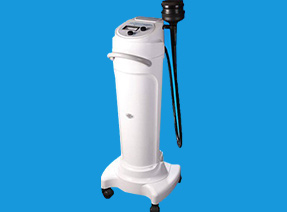
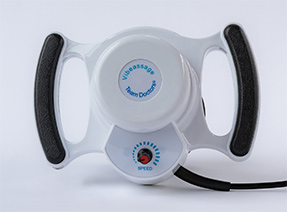
The Vibeassage Sport and the Vibeassage Pro featuring the TDX3 soft-as-the-hand Biomimetic Applicator Pad
https://www.teamdoctors.com/
✓ Get Dr. Stoxen’s #1 International Bestselling Books
Learn how to understand, examine, and reverse your TOS—without surgery.
https://drstoxen.com/1-international-best-selling-author/
✓ Check out Team Doctors Online Courses
Step-by-step video lessons, demonstrations, and self-treatment strategies.
https://teamdoctorsacademy.com/
✓ Schedule a Free Phone Consultation With Dr. Stoxen
Speak directly with him so he can review your case and guide you on your next steps.
https://drstoxen.com/appointment/
#thoracicoutletsyndrome #TOS #brachialplexus #nervecompression #shoulderpain #armnumbness #neckpain #posturemechanics #upperextremitypain #scalenemuscles #neurovascularcompression #clinicalexamination #movementassessment #overheadactivity #armtingling #handnumbness #neckandshoulder #painpatterns #musculoskeletalhealth #patienteducation
References:
[1] Sanders, R. J., & Hammond, S. L. (2002). Thoracic outlet syndrome: A review. Neurologic Clinics, 20(2), 477–497. https://doi.org/10.1016/S0733-8619(01)00012-1
[2] Atasoy, E. (2011). Thoracic outlet compression syndrome. Orthopedic Clinics of North America, 42(1), 85–98. https://doi.org/10.1016/j.ocl.2010.09.006
[3] Roos, D. B. (1996). Thoracic outlet syndrome is underdiagnosed. Muscle & Nerve, 19(7), 776–778. https://doi.org/10.1002/(SICI)1097-4598(199607)19:7<776::AID-MUS1>3.0.CO;2-9
[4] Povlsen, B., Hansson, T., & Povlsen, S. D. (2014). Treatment for thoracic outlet syndrome. Cochrane Database of Systematic Reviews, (11), CD007218. https://doi.org/10.1002/14651858.CD007218.pub3

Dr James Stoxen DC., FSSEMM (hon) He is the president of Team Doctors®, Treatment and Training Center Chicago, one of the most recognized treatment centers in the world.
Dr Stoxen is a #1 International Bestselling Author of the book, The Human Spring Approach to Thoracic Outlet Syndrome. He has lectured at more than 20 medical conferences on his Human Spring Approach to Thoracic Outlet Syndrome and asked to publish his research on this approach to treating thoracic outlet syndrome in over 30 peer review medical journals.
He has been asked to submit his other research on the human spring approach to treatment, training and prevention in over 150 peer review medical journals. He serves as the Editor-in-Chief, Journal of Orthopedic Science and Research, Executive Editor or the Journal of Trauma and Acute Care, Chief Editor, Advances in Orthopedics and Sports Medicine Journal and editorial board for over 35 peer review medical journals.
He is a much sought-after speaker. He has given over 1000 live presentations and lectured at over 70 medical conferences to over 50,000 doctors in more than 20 countries. He has been invited to speak at over 300 medical conferences which includes invitations as the keynote speaker at over 50 medical conferences.
After his groundbreaking lecture on the Integrated Spring-Mass Model at the World Congress of Sports and Exercise Medicine he was presented with an Honorary Fellowship Award by a member of the royal family, the Sultan of Pahang, for his distinguished research and contributions to the advancement of Sports and Exercise Medicine on an International level. He was inducted into the National Fitness Hall of Fame in 2008 and the Personal Trainers Hall of Fame in 2012.
Dr Stoxen has a big reputation in the entertainment industry working as a doctor for over 150 tours of elite entertainers, caring for over 1000 top celebrity entertainers and their handlers. Anthony Field or the popular children’s entertainment group, The Wiggles, wrote a book, How I Got My Wiggle Back detailing his struggles with chronic pain and clinical depression he struggled with for years. Dr Stoxen is proud to be able to assist him.
Full Bio) Dr Stoxen can be reached directly at teamdoctors@aol.com