Your Body Is Not a Machine — It Is a Living Spring
Why Pain, Fatigue, and Mood Problems Are All Connected
Millions of people today are suffering from depression, chronic fatigue, long-lasting pain, and deep emotional exhaustion. Some are told they have major depressive disorder, clinical depression, or another mood disorder. Others are told they are just “stressed,” “burned out,” or “getting older.”
But when you really listen to their stories, the symptoms often sound the same:
They feel chronic sadness or a low mood.
They feel fatigue and depression at the same time.
They have sleep disturbance and wake up tired.
They struggle with anxiety and depression together.
They complain of brain fog, low energy, and loss of motivation.
They feel hopelessness, irritability, or emotional numbness.
They say, “I just don’t feel like myself anymore.”
Some lose interest in things they used to love. Doctors call this anhedonia or loss of interest. Others feel mentally overloaded, which we call mental exhaustion or cognitive dysfunction. Some feel stuck in a long depressive episode, or even a lifelong persistent depressive disorder.
And many are told they have treatment-resistant depression, meaning medications have not really solved the problem.
But what if we’ve been looking at this the wrong way?
What if the real problem is not just in the mind…
What if the real problem starts in the body?
The Missing Link: Inflammation and the Brain
Modern science now shows something very important:
Inflammation and depression are deeply connected.
There are thousands of studies showing that when inflammatory chemicals enter the brain, they change how the brain works. This is often called neuroinflammation.
When this happens:
- The brain cannot make normal levels of serotonin
• Low serotonin leads to mood changes, mood instability, and sadness
• Thinking becomes slower (cognitive dysfunction)
• Energy drops (low energy, depressive fatigue)
• Motivation disappears (loss of motivation)
• Emotions flatten (emotional numbness)
In other words:
When the brain is inflamed, the mind suffers.
This is why people with long-term pain, autoimmune problems, injuries, or chronic stress often develop:
- Depressive symptoms
• Anxiety and depression together
• Sleep deprivation and poor recovery
• Mental health struggles
• Emotional distress and burnout
This is not a character flaw.
This is biology.
The Serotonin Trap: How Inflammation Steals Your Mood
Here is something very important and very simple to understand:
Your brain needs an amino acid called tryptophan to make serotonin.
But when inflammation is high, the body steals tryptophan away from serotonin production and pushes it into inflammatory chemical pathways instead.
So the result is:
- Less serotonin
• More inflammation
• Worse mood
• Worse sleep
• Worse energy
• Worse thinking
This creates a vicious cycle:
Pain → inflammation → worse mood → worse sleep → more pain → more inflammation
This is one reason so many people live with:
- Chronic stress
• Stress and depression
• Nervous system dysregulation
• Mood disorder labels
• Mental exhaustion and emotional exhaustion
Why Treating Only the Brain Often Fails
Most modern treatment focuses only on the brain:
- Antidepressants
• Anti-anxiety medications
• Sleep medications
Sometimes these help. Sometimes they don’t.
That’s why so many people are told they have:
- Treatment-resistant depression
• Chronic depressive fatigue
• Long-term mood instability
• Repeating depressive episodes
But if inflammation and mood disorders are biologically linked, then ignoring the body guarantees incomplete results.
You cannot fully fix the brain if the body is still inflamed.
A Bigger Idea: Your Body Is a Spring, Not a Machine
This is where Dr. James Stoxen’s Human Spring Approach changes everything.
For decades, medicine has treated the body like a machine made of levers and hinges.
But your body is not a machine.
Your body is a living spring system.
- Your feet are springs
• Your spine is a spring
• Your muscles and fascia store and release energy like springs
• Your joints must have space and elasticity
When this spring system works, your body:
- Absorbs shock
• Moves easily
• Circulates fluids
• Protects nerves and blood vessels
• Stays energized instead of exhausted
When this spring system breaks down:
- The body becomes stiff and compressed
• Circulation gets worse
• Nerves get irritated
• Inflammation rises
• Pain becomes chronic
• Fatigue becomes constant
• The brain becomes inflamed
And then come:
- Chronic fatigue
• Depressive symptoms
• Low mood
• Hopelessness
• Mental exhaustion
• Emotional distress
Pain Is Not Just a Sensation — It Is an Inflammatory Signal
Pain is not just something you “feel.”
Pain is a chemical and inflammatory state.
Long-term pain means:
- Long-term inflammation
• Long-term nervous system stress
• Long-term nervous system dysregulation
• Long-term brain chemistry changes
This is why people with chronic pain often also have:
- Sleep disturbance
• Brain fog
• Loss of motivation
• Mood changes
• Irritability
• Emotional numbness
This is also why fixing movement, circulation, and tissue health can improve mental health — not as a side effect, but as a direct biological result.
The Hidden Cause of Burnout and Emotional Collapse
Many people think burnout is only psychological.
But biologically, burnout is:
- Chronic stress
• Sleep deprivation
• Inflammation
• Nervous system overload
• Mental exhaustion
• Emotional exhaustion
It is a whole-body condition.
And that’s why it doesn’t go away with vacations, positive thinking, or willpower.
Seasonal Depression, Chronic Depression, and the Body
Some people suffer from seasonal affective disorder.
Some suffer from persistent depressive disorder.
Some suffer from repeated depressive episodes.
Different names — but often the same underlying problems:
- Inflammation
• Poor circulation
• Poor sleep
• Poor movement
• Poor spring function
• Poor nervous system regulation
The Big Hope: When You Fix the Body, the Brain Often Follows
Here is the hopeful and scientifically supported truth:
When you significantly reduce inflammation, you don’t just reduce pain.
You often improve mood, energy, clarity, and emotional stability.
In some cases, under proper medical supervision, people with severe depression have been able to reduce or come off medications because the inflammatory driver of their symptoms was removed.
That improvement is not a side effect.
It is basic biology.
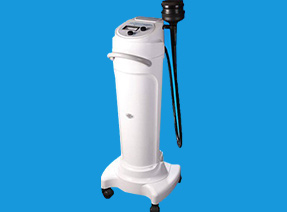
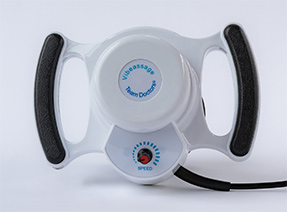
Enter the Vibeassage Pro and Vibeassage Sport
Dr. Stoxen developed the Vibeassage Pro and Vibeassage Sport for one main reason:
To help restore the body’s spring system, circulation, and tissue health — safely and at home.
These devices use low-amplitude vibration to:
- Improve circulation
• Relax chronically tight muscles
• Reduce protective muscle guarding
• Improve joint movement
• Improve lymphatic drainage
• Reduce inflammation
And when inflammation goes down:
- Pain goes down
• Sleep improves
• Energy improves
• Mood improves
• Thinking improves
This Is Not Just About Pain
This approach is not just about joints and muscles.
It is about:
- The brain
• The nervous system
• The immune system
• The emotional system
• The energy system
It is about breaking the pain → inflammation → depression → fatigue → pain cycle.
Why a Stiff, Inflamed Body Can Slowly Change Your Mood, Energy, and Mind
Let’s talk about something most people never think about.
When someone starts feeling tired all the time, or starts losing motivation, or feels a steady low mood, they usually assume the problem must be in the brain. If it gets worse, and they develop depression or even major depressive disorder, the focus becomes even more narrow: brain chemistry, stress, or life problems.
But in real life, that’s not how this usually starts.
For most people, it starts in the body.
It starts with stiffness.
It starts with old injuries.
It starts with poor sleep.
It starts with stress.
It starts with feeling tight, sore, and worn down.
At first, it’s just physical. Then, slowly, something else begins to change.
The Day You Realize You Don’t Feel Like Yourself
Almost every patient says something like this:
“I don’t know when it started, but I just don’t feel like myself anymore.”
They’re not only in pain. They’re also tired in a deep way — the kind of tired doctors call chronic fatigue or mental exhaustion. They don’t think as clearly. They have brain fog. They wake up tired because of sleep disturbance or sleep deprivation. They feel flat, or heavy, or emotionally worn out — what many people describe as emotional exhaustion.
Some start feeling chronic sadness. Others feel irritability. Some feel nothing at all — a kind of emotional numbness.
They start losing interest in things they used to enjoy. Doctors call that anhedonia or loss of interest.
And little by little, it turns into what gets labeled a mood disorder, a depressive episode, or clinical depression.
But here’s the part most people miss:
Their body usually broke down first.
A Body Under Pressure Changes the Brain
When your body is stiff, tight, and compressed, it has to work harder just to get through the day. Muscles stay tense. The nervous system stays alert. The stress response stays switched on.
Over time, this becomes chronic stress and nervous system dysregulation.
And when that goes on long enough, the brain starts to change.
This is where inflammation and depression begin to connect.
A body that is inflamed sends inflammatory chemicals into the bloodstream. Those chemicals reach the brain. When that happens, the brain becomes inflamed too — something doctors call neuroinflammation.
This is not rare. It is now being seen in people with fatigue and depression, burnout, stress and depression, and many forms of mental health problems.
How Inflammation Steals Your Motivation and Your Mood
Inflammation doesn’t just make things sore. It changes chemistry.
One of the biggest changes happens to serotonin.
When inflammation is high, the body steals raw materials away from serotonin production. The result is low serotonin.
When serotonin drops, people often notice:
- Low energy
• Low mood
• Mood changes or mood instability
• Hopelessness
• Loss of motivation
• Cognitive dysfunction
This is one reason so many people with chronic pain or long-term stress also develop depressive symptoms, anxiety and depression, or even persistent depressive disorder.
They are not weak.
Their chemistry is being pushed in the wrong direction.
Why the Body’s “Spring System” Matters So Much
This is where Dr. Stoxen’s Human Spring idea becomes very important.
Your body is designed to move like a spring. When it works well, movement feels easy. Forces get absorbed and released. Circulation stays good. Tissues stay healthy.
But when the spring system starts to fail:
- Joints get compressed
• Muscles tighten to protect you
• Circulation gets worse
• Waste products build up
• Inflammation rises
And when inflammation stays high long enough, it doesn’t just cause pain. It starts to change your mood, your energy, and your thinking.
Pain Is Not Just Pain
Long-term pain is not just something you feel.
It changes your sleep.
It changes your hormones.
It changes your nervous system.
It changes your brain.
That’s why people in chronic pain so often also struggle with:
- Sleep disturbance
• Fatigue and depression
• Mental exhaustion
• Emotional distress
• Mood disorder diagnoses
And that’s also why some people end up with treatment-resistant depression — because the body is still feeding the problem.
The Trap: Rest, But Never Recover
Many people try to fix this by resting more.
But resting in a stiff, inflamed body doesn’t restore circulation. It doesn’t fix compression. It doesn’t turn off inflammation.
So they stay tired. They stay foggy. They stay unmotivated.
They start to believe this is just who they are now.
It isn’t.
Why Gentle Vibration Can Help Restart Healing
Dr. Stoxen developed the Vibeassage Pro and Vibeassage Sport for one simple reason:
To help stiff, compressed tissues start moving again.
Gentle vibration helps:
- Improve circulation
• Relax protective muscle tension
• Improve lymphatic drainage
• Reduce stiffness
• Reduce inflammation
When tissues start moving, fluids start moving.
When fluids start moving, inflammation starts going down.
And when inflammation goes down, something very interesting often happens:
People think more clearly.
They sleep better.
They have more energy.
Their mood changes.
Not because someone talked them into being positive.
Because their biology is changing.
This Is Why the Body and Mind Cannot Be Separated
You cannot fully fix depression in a body that is still inflamed and exhausted.
You cannot fix a mood disorder in a body that cannot move, cannot circulate, and cannot recover.
You cannot fix mental health by ignoring physical health.
Many People Don’t Realize What They’re Slowly Carrying
A lot of people don’t wake up one day with major depressive disorder.
They slowly slide into:
- Chronic fatigue
• Sleep disturbance
• Low energy
• Emotional exhaustion
• Mental exhaustion
• Burnout
And only later does it get a name.
The Real Goal Is Simple
The goal is not just to “treat symptoms.”
The goal is to:
- Restore movement
• Restore circulation
• Reduce inflammation
• Calm the nervous system
• Let the brain chemistry normalize again
When that starts to happen, many people notice:
- Less chronic sadness
• Less irritability
• Less emotional numbness
• Less hopelessness
• More clarity
• More energy
The Body Often Heals the Mind
This is not philosophy.
This is biology.
When the body becomes healthier, the brain often follows.
And that is the heart of the Human Spring Approach.
How a Normal Body Slowly Turns Into a Tired, Inflamed, Depressed Body
Most people don’t wake up one morning with depression.
They don’t suddenly develop major depressive disorder or clinical depression overnight.
For most, it happens slowly. So slowly that they almost don’t notice it happening.
It starts with being a little more tired than usual. A little more stiff. A little more sore. Sleep isn’t as refreshing. Mornings feel heavier. This might begin as simple sleep disturbance or sleep deprivation.
Then thinking gets a little slower. People describe brain fog or cognitive dysfunction. Energy drops. Motivation drops. This is where low energy and loss of motivation quietly move in.
At this stage, most people still don’t think of it as a mood disorder. They think they’re just stressed.
The Long Stress That Never Turns Off
Life puts stress on everyone. That’s normal.
But when the body is already stiff, inflamed, or injured, stress hits harder and lasts longer. The nervous system stays switched on. This becomes chronic stress and nervous system dysregulation.
Now the person starts living in a state of tension.
Muscles stay tight.
Breathing gets shallow.
Sleep gets lighter.
Recovery gets worse.
This is where burnout begins.
Not just mental burnout — full-body emotional exhaustion and mental exhaustion.
When Fatigue Becomes Your Normal
Over time, people stop remembering what normal energy feels like.
They live with chronic fatigue and depressive fatigue so long that it feels like their personality.
They start canceling plans. They stop doing things they used to love. This is loss of interest or anhedonia.
They don’t necessarily feel sad all the time. Sometimes they just feel flat. Or empty. Or distant. That’s emotional numbness.
Other times, they feel irritability or quiet emotional distress. Or a constant low mood.
This is often when a doctor first says the word depression.
The Inflammation Layer
By this point, the body is usually carrying a lot of inflammation.
Old injuries. Tight muscles. Poor circulation. Stiff joints. Poor sleep.
All of that feeds inflammation.
And this is where inflammation and depression truly meet.
Inflammation doesn’t stay in one place. It travels in the blood. When it reaches the brain, the brain becomes inflamed too — neuroinflammation.
This changes:
- Mood
• Energy
• Motivation
• Sleep
• Thinking
This is why people start having:
- Mood changes
• Mood instability
• Chronic sadness
• Hopelessness
• Fatigue and depression together
• Anxiety and depression together
The Serotonin Problem Shows Up
When the brain is inflamed, it makes less serotonin.
That’s the low serotonin problem.
Low serotonin is strongly linked to:
- Low mood
• Depressive symptoms
• Sleep disturbance
• Loss of motivation
• Cognitive dysfunction
At this stage, some people are told they have:
- Persistent depressive disorder
• Or repeating depressive episode
• Or major depressive disorder
Others develop seasonal affective disorder, where mood drops every winter when stress, movement, and light all get worse.
Why Some People Don’t Get Better With Medications Alone
Many people are helped by medications. Some are not.
When the body stays inflamed, compressed, and exhausted, the brain keeps getting irritated from below.
This is one reason some people are told they have treatment-resistant depression.
It doesn’t mean they are broken.
It often means the physical driver of the problem is still there.
The Quiet Shrinking of a Life
One of the saddest parts of this process is how quiet it is.
People slowly do less.
They move less.
They see fewer friends.
They stop traveling.
They stop dreaming.
They tell themselves they are just tired. Or getting older. Or busy.
But really, they are living in:
- Mental exhaustion
• Emotional exhaustion
• Chronic fatigue
• Low energy
• Emotional distress
And now their world is much smaller than it used to be.
The Body Has Been Asking for Help for Years
Here’s the hard truth:
For most people, the body has been asking for help long before the mind collapsed.
The signs were there:
- Stiffness
• Pain
• Poor sleep
• Tension
• Low energy
• Slow recovery
But they were ignored.
This Is Why the Human Spring Model Matters So Much
A body that cannot move, decompress, and circulate cannot heal itself properly.
When the spring system fails:
- Compression builds
• Circulation drops
• Inflammation rises
• The nervous system stays stressed
And that’s how physical breakdown slowly turns into mood disorder, mental health problems, and long-term depression.
The Good News: This Process Can Be Reversed
Here is the hopeful part:
This process is not mysterious. And it is often not permanent.
When you start restoring:
- Movement
• Circulation
• Tissue health
• Nervous system calm
The body often starts lowering inflammation.
When inflammation goes down:
- The brain works better
• Sleep improves
• Energy improves
• Mood improves
This is not a miracle.
This is normal biology returning to normal function.
Why Gentle, Daily Help Matters
This is why tools like the Vibeassage Pro and Vibeassage Sport exist.
They allow people to:
- Gently move stiff tissues
• Improve circulation daily
• Reduce protective muscle tension
• Support recovery at home
Not aggressively. Not violently.
Just consistently.
Many People Think They “Are” Their Diagnosis
They are not.
They are a human body under long-term stress.
And bodies can change.
The Most Important Idea in This Chapter
Nobody “falls into” clinical depression for no reason.
For most people, it is the final stage of a long physical and nervous system breakdown.
And that means:
It can often be rebuilt.
How People Start Rebuilding Their Body, Their Energy, and Their Life
By the time someone reaches this point in the story, they have usually tried many things.
They’ve tried resting.
They’ve tried pushing through.
They’ve tried ignoring the problem.
They’ve tried treating only the symptoms.
And they are still living with some mix of pain, chronic fatigue, low energy, sleep disturbance, or depression.
Some have been told they have major depressive disorder or clinical depression. Some live with a long-term mood disorder or persistent depressive disorder. Some are told they have treatment-resistant depression.
But something important has often been missed:
Their body has never truly been rebuilt.
Healing Is Not a Single Event
Most people hope for one treatment, one pill, or one appointment that fixes everything.
Real recovery almost never works that way.
The body heals by:
- Small changes
• Repeated often
• Over time
This is especially true when someone has lived for years with:
- Chronic stress
• Burnout
• Mental exhaustion
• Emotional exhaustion
• Nervous system dysregulation
What “Restoring the Spring System” Actually Means in Real Life
Restoring the body’s spring system does not mean forcing it.
It means:
Helping stiff tissues move again.
Helping compressed joints slowly regain space.
Helping circulation improve.
Helping the nervous system feel safe enough to relax.
When that happens, inflammation often begins to fall.
And when inflammation falls, something very important often happens in the brain:
Neuroinflammation goes down.
When neuroinflammation goes down, people often notice:
- Less brain fog
• Less cognitive dysfunction
• Less emotional numbness
• More stable mood
• More energy
• Better sleep
Why Daily, Gentle Work Matters More Than Occasional Intense Work
Many people have tried aggressive treatments.
They hurt. They exhaust. They flare things up.
A body that is already living in emotional distress, chronic fatigue, and mental exhaustion usually does not need more stress.
It needs safety.
It needs gentle, regular movement and circulation.
That is why Dr. Stoxen designed the Vibeassage Pro and Vibeassage Sport to be used at home, daily, and gently.
What These Devices Actually Do
They are not magic.
They do something very basic and very biological:
They help tissues move.
When tissues move:
- Blood moves
• Lymph moves
• Waste products move out
• Oxygen moves in
Over time, this helps reduce inflammation.
And remember:
Inflammation and depression are closely linked.
When inflammation stays high, people are more likely to have:
- Low mood
• Mood changes
• Mood instability
• Depressive symptoms
• Fatigue and depression together
• Anxiety and depression together
When inflammation comes down, many people notice the opposite.
The Serotonin Story Comes Back Here
When the brain is less inflamed, it can make serotonin more normally again.
That helps correct low serotonin.
And when serotonin starts to normalize, people often notice:
- Less hopelessness
• Less chronic sadness
• Less irritability
• Less loss of motivation
• Less loss of interest or anhedonia
This is not a motivational speech.
It is chemistry changing because the body is changing.
Real Recovery Is Boring — and That’s a Good Thing
Real recovery usually looks like:
A little work every day.
Not too much.
Not too little.
Just consistent.
People slowly start sleeping better.
They start thinking more clearly.
They start having a little more energy.
They start feeling a little more like themselves.
The Nervous System Learns That It Is Safe Again
A body that has lived for years in pain and stress lives in protection mode.
That is nervous system dysregulation.
As tissues soften and circulation improves, the nervous system slowly turns down its alarm.
When that happens:
- Sleep deprivation improves
• Sleep disturbance improves
• Stress and depression ease
• Burnout begins to lift
The Quiet Return of a Bigger Life
One of the nicest parts of real recovery is that it is not dramatic.
People don’t suddenly become a different person.
They just slowly:
- Do more
• Think more clearly
• Feel more hopeful
• Have more stable moods
• Have fewer mood changes
They start making plans again.
Many Diagnoses Are Descriptions, Not Life Sentences
A diagnosis like depressive episode, persistent depressive disorder, or mood disorder describes where someone is.
It does not describe where they must stay.
The Body Often Leads, and the Mind Follows
This is one of the hardest ideas for people to accept.
They think they must “fix their mind” first.
But often, when the body becomes healthier:
- The mind becomes calmer
• The thinking becomes clearer
• The emotions become steadier
This is why mental health and physical health cannot be separated.
This Is Not About Perfection
Nobody restores their body perfectly.
That is not the goal.
The goal is simply:
- Less inflammation
• Better movement
• Better sleep
• Better energy
• Better mood
The Most Important Truth in This Book
You are not broken.
You are not weak.
You are a human body that has been under stress for a very long time.
And bodies can change.
Where Hope Really Comes From
Hope does not come from pretending nothing is wrong.
Hope comes from understanding why things went wrong — and realizing that those processes can be reversed.
That is what the Human Spring Approach is really about.
Not forcing.
Not fighting.
Restoring.
Team Doctors Resources
✓ Check out the Team Doctors Recovery Tools
The Vibeassage Sport and the Vibeassage Pro featuring the TDX3 soft-as-the-hand Biomimetic Applicator Pad
https://www.teamdoctors.com/
✓ Get Dr. Stoxen’s #1 International Bestselling Books
Learn how to understand, examine, and reverse your TOS—without surgery.
https://drstoxen.com/1-international-best-selling-author/
✓ Check out Team Doctors Online Courses
Step-by-step video lessons, demonstrations, and self-treatment strategies.
https://teamdoctorsacademy.com/
✓ Schedule a Free Phone Consultation With Dr. Stoxen
Speak directly with him so he can review your case and guide you on your next steps.
https://drstoxen.com/appointment/
#ThoracicOutletSyndrome #TOSAwareness #ChronicPainLife #Numbness #Tingling #Weakness #BurningPain #HeavyArm #NeckTension #ShoulderTightness #BrainFog #Fatigue #NerveCompression #PainJourney #ChronicConditions

Dr James Stoxen DC., FSSEMM (hon) He is the president of Team Doctors®, Treatment and Training Center Chicago, one of the most recognized treatment centers in the world.
Dr Stoxen is a #1 International Bestselling Author of the book, The Human Spring Approach to Thoracic Outlet Syndrome. He has lectured at more than 20 medical conferences on his Human Spring Approach to Thoracic Outlet Syndrome and asked to publish his research on this approach to treating thoracic outlet syndrome in over 30 peer review medical journals.
He has been asked to submit his other research on the human spring approach to treatment, training and prevention in over 150 peer review medical journals. He serves as the Editor-in-Chief, Journal of Orthopedic Science and Research, Executive Editor or the Journal of Trauma and Acute Care, Chief Editor, Advances in Orthopedics and Sports Medicine Journal and editorial board for over 35 peer review medical journals.
He is a much sought-after speaker. He has given over 1000 live presentations and lectured at over 70 medical conferences to over 50,000 doctors in more than 20 countries. He has been invited to speak at over 300 medical conferences which includes invitations as the keynote speaker at over 50 medical conferences.
After his groundbreaking lecture on the Integrated Spring-Mass Model at the World Congress of Sports and Exercise Medicine he was presented with an Honorary Fellowship Award by a member of the royal family, the Sultan of Pahang, for his distinguished research and contributions to the advancement of Sports and Exercise Medicine on an International level. He was inducted into the National Fitness Hall of Fame in 2008 and the Personal Trainers Hall of Fame in 2012.
Dr Stoxen has a big reputation in the entertainment industry working as a doctor for over 150 tours of elite entertainers, caring for over 1000 top celebrity entertainers and their handlers. Anthony Field or the popular children’s entertainment group, The Wiggles, wrote a book, How I Got My Wiggle Back detailing his struggles with chronic pain and clinical depression he struggled with for years. Dr Stoxen is proud to be able to assist him.
Full Bio) Dr Stoxen can be reached directly at teamdoctors@aol.com