The Problem with Modern Bodies: Why So Many People Are Still in Pain
If you ask people today what hurts, most don’t have to think very long.
They’ll tell you about chronic neck pain, or chronic shoulder pain, or that heavy, dragging feeling of chronic neck and shoulder pain that never seems to fully go away. Some will describe constant neck pain. Others will say they live with constant neck and shoulder pain so long that it just feels “normal” now.
Many people also carry deep, stubborn discomfort in the upper back and chest area, sometimes described as chronic thoracic pain. Some notice their shoulders slowly sinking forward and down, a posture often described as drooping shoulder syndrome or droopy shoulder syndrome exercises being recommended to them online.
Others are told their symptoms might be related to posture, nerve sensitivity, or something called postural thoracic outlet complications. Some have been told that tight tissues, adhesions, or scar tissue entrapment could be part of the picture. And some have gone through procedures only to experience the recurrence of symptoms after surgery, which can be emotionally exhausting and deeply discouraging.
No matter what label someone has been given, the story is often the same:
“I’ve tried everything.”
They’ve tried massage therapy.
They’ve tried physical therapy.
They’ve tried chiropractic treatment.
They’ve tried acupuncture.
Some people have done many different programs of thoracic outlet syndrome exercises or looked up exercises for thoracic outlet syndrome online. Others have gone through thoracic outlet syndrome physical therapy, or tried thoracic outlet syndrome massage, or a structured thoracic outlet physical therapy plan.
Some have even been sent for thoracic outlet syndrome massage treatment or myofascial release for thoracic outlet syndrome, or downloaded an exercises for thoracic outlet syndrome pdf and tried to follow it at home. Many search endlessly for exercises to relieve thoracic outlet syndrome, or ask about chiropractic for thoracic outlet syndrome or acupuncture for thoracic outlet syndrome.
You’ll also see people talking about TOS exercises, TOS Physical Therapy, TOS self treatment, TOS stretches, and thoracic outlet syndrome physical therapy exercises.
And yet, despite all of this effort, many people still feel stuck.
Not because they are lazy.
Not because they are doing nothing.
But because something deeper is going on.
A Doctor’s 35-Year Perspective
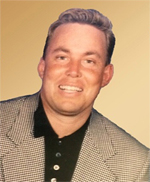
Dr. James Stoxen has been working with the human body for over 35 years.
When he looks back at the early part of his career, he remembers something very different from what he sees today.
Back then, a person would come in with a neck or back problem. The doctor would do some soft tissue work, maybe some adjustments, and the person often felt better fairly quickly.
Today, that kind of simple case is rare.
Now, as Dr. Stoxen says, a patient is no longer just a patient.
They’re a project.
The amount of tension, guarding, and built-up stress in modern bodies is far beyond what most people realize. In severe cases, it can take three to three and a half hours of careful deep tissue work just to get started—just to begin calming the system down enough to work with it.
Years ago, that same level of preparation might have taken 30 minutes.
Today, in some people, it can take 25 to 30 hours of work over time just to reduce the pressure and begin restoring more normal movement.
Why?
Because modern bodies are:
- More inflamed
- More guarded
- More stressed
- More compressed
- More deconditioned
- And more disconnected from natural movement than ever before
The muscles are not just “tight.”
They are stuck in protective patterns.
And those protective patterns can slowly twist the entire body into a state of long-term discomfort.
People try to stretch it out.
But this is not just a stretching problem.
This is a whole-system tension problem.
The Body Was Never Meant to Be a Rigid Structure
Most people think of the body like a stack of blocks.
Or like a machine made of stiff parts.
But that is not how the body is actually built.
Dr. Stoxen explains the body using a different idea:
The body is more like a system of living springs.
Springs are not rigid.
Springs absorb load.
Springs store energy.
Springs release energy.
Springs protect structures from shock and strain.
A healthy body is not stiff.
A healthy body is elastic.
When this spring-like system works well, movement feels light, efficient, and smooth. When it does not work well, the body starts using muscle tension and compression to hold itself together instead.
That is when:
- Posture begins to collapse
- Movement becomes heavy and tiring
- Muscles never fully relax
- And sensitive areas start to feel overloaded
Why Modern Life Slowly Breaks the Spring System
Think about how most people live today:
- Sitting for hours
- Looking down at screens
- Little walking
- Little climbing
- Little natural, multi-directional movement
- Shoes that limit natural foot motion
- Stress that never fully shuts off
Over time, the body adapts.
But it adapts in the wrong direction.
Instead of staying springy and elastic, it becomes:
- Rigid
- Guarded
- Compressed
- Overprotected
The nervous system starts to hold muscles “on” all the time.
This is not something you choose.
It is a reflex.
The brain does it to protect you.
But when that protection never turns off, it slowly becomes part of the problem.
Why So Many Treatments Feel Like They Only Help a Little
Many people feel some temporary relief from things like massage therapy, physical therapy, chiropractic treatment, or acupuncture.
That’s not surprising.
Calming tissue and improving motion usually feels good.
But if the whole spring system of the body is not gradually restored, the tension patterns often come back.
That is why so many people describe a cycle like this:
“I feel better for a bit…
Then it slowly creeps back.”
This does not mean the therapy was bad.
It means the underlying mechanical strategy of the body did not change.
A Different Way of Looking at the Human Body
The Human Spring Approach that Dr. Stoxen teaches is not about chasing one muscle or one spot.
It is about helping the body:
- Become more elastic again
- Become less guarded
- Become more fluid
- Become less compressed
It is a whole-body education process.
Not a quick fix.
Not a miracle cure.
Not a promise.
But a way of understanding and working with your body differently.
Where Self-Care Tools Fit In
Because modern bodies are so guarded and tense, many people simply cannot get enough hands-on care.
There is not enough time.
Not enough access.
Not enough coverage.
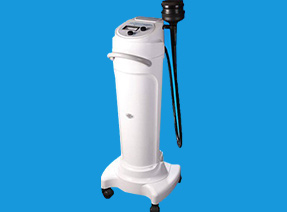
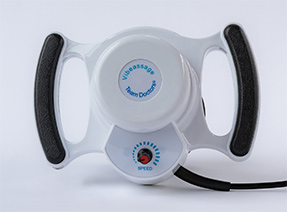
That is why Dr. Stoxen also teaches people how to use tools like the Vibeassage Pro and Vibeassage Sport as part of a self-care and body-awareness routine.
These are not medical treatments.
They are not cures.
They are not replacements for professional care.
They are tools for:
- Relaxation
- Tissue softening
- Sensory input
- Body awareness
- Daily maintenance
Used properly, they help people participate in their own care instead of feeling helpless between appointments.
The Real Goal: Change How Your Body Holds Itself
The goal of the Human Spring Approach is not just to chase pain.
The goal is to change how your body:
- Holds itself
- Loads itself
- Protects itself
- And moves through the world
When that starts to change, many people notice that their bodies feel different to live in.
Not perfect.
Not invincible.
But lighter, easier, and more manageable.
Why the Neck, Shoulders, and Upper Chest Become a “Trap Zone” in Modern Bodies
If you look at where people hurt the most today, a clear pattern shows up again and again.
The pain is usually not in just one small spot.
It often spreads across the neck, the shoulders, and the upper chest and upper back.
People describe chronic neck pain that slowly blends into chronic shoulder pain, until it feels like one heavy, connected problem—what many experience as chronic neck and shoulder pain. Some wake up every morning with constant neck pain, while others feel constant neck and shoulder pain that never truly leaves.
Many also describe a deep, uncomfortable pressure or burning in the upper back and chest area, sometimes referred to as chronic thoracic pain.
Over time, posture begins to change.
The shoulders drift forward and downward. The head drifts forward. The upper back rounds.
This is sometimes called drooping shoulder syndrome, and people are often told to look up droopy shoulder syndrome exercises to try to fix it.
But this is not just a posture problem.
It is a whole-body tension strategy.
The Body’s Natural Protection System
Your brain’s main job is to protect you.
When something feels stressed, overloaded, or irritated, the nervous system does not wait politely.
It tightens muscles.
It stiffens joints.
It reduces movement.
This is not a bad thing.
In the short term, it is very smart.
But when stress, posture, inflammation, or overload lasts for months or years, this protective response never fully shuts off.
The muscles stay partially “on” all the time.
They stop being elastic and start acting like rigid ropes.
Over time, this can lead to:
- Compression of sensitive areas
- Reduced circulation and movement freedom
- And increased sensitivity to normal daily loads
In some people, this contributes to what gets described as postural thoracic outlet complications, where the space between structures in the neck and shoulder region becomes more crowded and less forgiving.
In others, previous injuries or surgeries can leave behind areas of thickened tissue or adhesions, sometimes referred to as scar tissue entrapment, which further reduces the body’s ability to move freely and adapt.
And in some people, even after major interventions, there can be a recurrence of symptoms after surgery, because the underlying tension patterns of the body never truly changed.
Why This Area Is So Vulnerable
The neck and shoulders are not just holding up your head.
They are also:
- Suspending your arms
- Connecting your arms to your trunk
- Helping coordinate breathing
- Helping coordinate balance
- And constantly adjusting to gravity
That is a huge job.
In a healthy, elastic body, this region works more like a suspension system made of springs.
In a stiff, guarded body, it starts working more like a rigid scaffold held together by constant muscle tension.
The difference in fatigue and strain over time is enormous.
Why Stretching Alone Often Fails
When people feel tight, they stretch.
That makes sense.
But many people notice something frustrating:
They stretch every day.
And they still feel tight.
The reason is simple but not obvious:
You cannot stretch a nervous system out of a protective pattern.
If the brain thinks an area is unsafe, it will pull it right back into tension as soon as you stop stretching.
This is why so many people try:
- massage therapy
- physical therapy
- chiropractic treatment
- acupuncture
…and feel some relief, but not lasting change.
It is also why so many people search for:
- thoracic outlet syndrome exercises
- exercises for thoracic outlet syndrome
- thoracic outlet syndrome physical therapy
- thoracic outlet syndrome massage
- thoracic outlet physical therapy
Some go further and try:
- thoracic outlet syndrome massage treatment
- myofascial release for thoracic outlet syndrome
- An exercises for thoracic outlet syndrome pdf they found online
- Or a long list of exercises to relieve thoracic outlet syndrome
Others look into:
- chiropractic for thoracic outlet syndrome
- acupuncture for thoracic outlet syndrome
And many explore:
- TOS exercises
- TOS Physical Therapy
- TOS self treatment
- TOS stretches
- thoracic outlet syndrome physical therapy exercises
All of these can be helpful.
But none of them automatically change the global strategy of how the body is holding itself.
The Compression Problem
When muscles stay tight all the time, they do more than just feel sore.
They:
- Pull joints closer together
- Reduce space around sensitive structures
- Reduce the body’s ability to absorb shock
- And increase the load on already tired tissues
Dr. Stoxen explains this as a loss of spring behavior.
Instead of the body behaving like a set of elastic supports, it starts behaving like a stack of compressed parts.
This is why many people say things like:
“It feels like everything is jammed together.”
“It feels like there’s no room in there.”
“It feels like my body is being squeezed from the inside.”
Why the Human Spring Approach Looks at the Whole Body
The Human Spring Approach does not start by blaming one muscle, one nerve, or one joint.
It starts by asking a bigger question:
“How is this whole body managing load, gravity, and movement?”
If the feet are stiff, the stress travels upward.
If the hips are stiff, the stress travels upward.
If the spine is stiff, the shoulders and neck must work harder.
If the shoulders and neck are overloaded, they protect themselves with tension.
And the cycle continues.
Why Modern Bodies Take So Much Longer to Unwind
As Dr. Stoxen has observed, modern bodies are not just a little tight.
They are deeply adapted to years of:
- Sitting
- Stress
- Limited movement
- Protective guarding
- And reduced elastic activity
This is why some cases take many hours of careful, patient work just to begin changing the tissue quality and movement behavior.
Not because the person is broken.
But because the body has been protecting itself for a very long time.
Where Tools Like Vibeassage Fit In
Tools like the Vibeassage Pro and Vibeassage Sport are not meant to “fix” anything.
They are meant to help people:
- Explore their own bodies safely
- Reduce surface tension
- Improve sensory awareness
- And participate in daily self-care
They support the process of calming and softening, which can make movement and professional care more productive.
They are part of an ecosystem of care, not a magic solution.
The Big Idea So Far
The neck and shoulders don’t become a problem because they are weak.
They become a problem because they are working too hard in a body that has lost its springiness.
Rebuilding the Body’s Spring System: From Rigid and Guarded to Elastic and Adaptive
If you’ve ever watched a good runner, a dancer, or even a child playing, you’ll notice something right away.
They don’t look stiff.
They don’t look like they are forcing their bodies to move.
They look springy.
Their movements are light. Their steps rebound. Their bodies seem to store and release energy instead of grinding through it.
That is not an accident.
That is what a healthy human body is designed to do.
What It Means to Move Like a Spring
A spring does three important things:
- It absorbs force
- It stores force
- It releases force
A rigid structure does none of these well.
It just takes the load.
When the human body loses its spring-like behavior, muscles start doing jobs they were never meant to do all day long.
They become:
- Overworked
- Fatigued
- Tight
- And protective
Over time, this shows up as things like chronic neck pain, chronic shoulder pain, or the heavy, dragging feeling of chronic neck and shoulder pain. For some people, it becomes constant neck pain or even constant neck and shoulder pain that never seems to fully leave.
Others feel it deeper in the upper back and chest as chronic thoracic pain.
Why Guarding Becomes a Lifestyle
The nervous system does not like uncertainty.
If movement feels unstable, weak, or overloaded, the brain tightens things up.
At first, this is helpful.
Later, it becomes a habit.
Muscles that were supposed to turn on and off smoothly begin to stay “on” all the time.
This constant background tension slowly:
- Compresses joints
- Reduces space
- Makes tissues more sensitive
- And makes the body less adaptable
In the shoulder and neck region, this can contribute to posture changes sometimes described as drooping shoulder syndrome, and people are often told to search for droopy shoulder syndrome exercises to correct it.
In some people, long-standing tension and thickened tissues can contribute to areas of reduced glide and movement sometimes referred to as scar tissue entrapment.
And even after major interventions, if the overall movement strategy of the body does not change, there can be a recurrence of symptoms after surgery.
Why the Human Spring Approach Focuses on Behavior, Not Just Parts
The Human Spring Approach does not start by asking, “What muscle is tight?”
It starts by asking, “How is this body behaving?”
- Is it moving like a spring?
- Or is it moving like a rigid frame held together by tension?
This is a very different way of thinking.
Instead of chasing symptoms, the goal is to gradually:
- Reduce unnecessary guarding
- Improve elastic movement
- Restore confidence in motion
- And change how the body handles load and gravity
Why Calming the Nervous System Comes First
You cannot train a body that feels unsafe.
If the nervous system is in protection mode, it will resist change.
This is why approaches like massage therapy, physical therapy, chiropractic treatment, and acupuncture can be helpful for many people.
They do not just affect muscles.
They also affect sensory input to the brain.
They tell the nervous system:
“You’re okay right now.”
That matters.
All of these are attempts to tell the body:
“It’s safe to move again.”
Where Gentle Stimulation and Vibration Fit In
One of the tools Dr. Stoxen uses in both clinical and self-care education is gentle mechanical stimulation.
Tools like the Vibeassage Pro and Vibeassage Sport are not about forcing tissue.
They are about:
- Providing gentle input
- Helping people feel areas that are tense or guarded
- Encouraging relaxation and awareness
- Supporting daily self-care routines
This kind of input can help some people:
- Notice where they are holding tension
- Learn how to let go a little
- And participate more actively in their own body care
Again, these are not medical treatments.
They are education and self-care tools.
The Role of Daily, Low-Pressure Care
One of the biggest problems in modern care is that everything is:
- Too rushed
- Too infrequent
- Too crisis-driven
The body does not change well under pressure.
It changes best with:
- Small inputs
- Repeated often
- In a calm environment
This is why Dr. Stoxen emphasizes daily self-care and daily awareness.
Not aggressive.
Not painful.
Not heroic.
Just consistent.
Learning to Move Again Without Fear
Many people do not realize how afraid their bodies have become of movement.
Not emotionally.
Physiologically.
The nervous system remembers strain.
So part of rebuilding the spring system is:
- Teaching the body that movement is safe again
- Teaching it that load can be absorbed
- Teaching it that not every motion is a threat
This is a slow, respectful process.
The Real Change Is in How the Body Feels to Live In
People often measure progress only by pain.
But many notice something else first:
- Their body feels lighter
- Their breathing feels easier
- Their movements feel less forced
- Their posture feels less “held up” and more “held together”
These are signs of spring returning.
Living in a Modern Body: A Long-Term Strategy for Care, Maintenance, and Resilience
By now, one thing should be clear:
The human body was not designed for modern life.
It was designed to walk, climb, carry, explore, adapt, and move in many directions.
Modern life, on the other hand, asks us to:
- Sit for long hours
- Stare at screens
- Live under constant low-grade stress
- Move less, and in fewer ways
Over time, the body adapts to this environment.
But it does not adapt in a healthy way.
It adapts by becoming stiffer, more guarded, and more compressed.
That is why so many people live with chronic neck pain, chronic shoulder pain, or the heavy, draining feeling of chronic neck and shoulder pain. For some, this becomes constant neck pain or even constant neck and shoulder pain that fades into the background but never truly disappears.
Others feel it as a deep pressure or burning in the upper back and chest, often described as chronic thoracic pain.
Over time, posture changes, and the shoulders begin to hang forward and downward, sometimes described as drooping shoulder syndrome, which leads people to search for droopy shoulder syndrome exercises in hopes of reversing it.
In some people, long-standing tension patterns and past injuries leave behind areas of reduced movement sometimes referred to as scar tissue entrapment. And in some, even after major interventions, there can be a frustrating recurrence of symptoms after surgery, not because anything “failed,” but because the overall strategy of how the body holds and protects itself never changed.
Why There Is No Single Fix
One of the hardest truths to accept is this:
There is no single treatment that can undo years or decades of adaptation.
That is why people often try many things:
They try massage therapy, physical therapy, chiropractic treatment, and acupuncture.
They search for thoracic outlet syndrome exercises, exercises for thoracic outlet syndrome, or thoracic outlet syndrome physical therapy programs. They look into thoracic outlet syndrome massage, thoracic outlet physical therapy, or thoracic outlet syndrome massage treatment.
Some try myofascial release for thoracic outlet syndrome, download an exercises for thoracic outlet syndrome pdf, or follow lists of exercises to relieve thoracic outlet syndrome.
Others explore chiropractic for thoracic outlet syndrome or acupuncture for thoracic outlet syndrome.
Many look up TOS exercises, TOS Physical Therapy, TOS self treatment, TOS stretches, or thoracic outlet syndrome physical therapy exercises.
All of these efforts come from the same place:
People want their bodies to feel better.
And many of these approaches can be helpful.
But none of them, by themselves, automatically change the long-term behavior of the body.
The Real Goal: Changing the Body’s Strategy
The Human Spring Approach that Dr. James Stoxen teaches is not about chasing one diagnosis or one tight muscle.
It is about helping the body:
- Become more elastic
- Become less guarded
- Become better at absorbing and releasing load
- And rely less on constant muscle tension for support
In simple terms, it is about helping the body act more like a spring and less like a rigid frame.
This is not a short process.
And it is not a dramatic process.
It is a gradual, respectful, educational process.
Why Professional Care and Self-Care Must Work Together
In today’s world, it is not realistic to think that occasional appointments alone can undo everything.
Modern bodies need:
- Ongoing input
- Ongoing awareness
- Ongoing gentle care
This is why Dr. Stoxen teaches people not only in the clinic, but also how to participate in their own daily care.
Tools like the Vibeassage Pro and Vibeassage Sport are not presented as treatments or cures.
They are presented as:
- Self-care tools
- Awareness tools
- Relaxation tools
- And ways to stay engaged with your own body between visits
They help some people:
- Notice where they are holding tension
- Encourage regular softening of tissues
- Maintain a sense of connection with their own bodies
- And support calm, consistent routines
What Progress Often Looks Like in Real Life
Real progress is usually quiet.
People often notice:
- Their body feels less “held together” by effort
- Their posture feels easier to maintain
- Their movements feel less heavy
- Their breathing feels more natural
- Their days feel less physically draining
This does not mean everything is perfect.
It means the overall direction is changing.
A Different Relationship With the Body
One of the biggest shifts in the Human Spring Approach is this:
You stop thinking of your body as something to fight.
And you start thinking of it as something to work with.
Instead of asking:
“How do I force this to loosen?”
You start asking:
“How do I help my body feel safe enough to let go?”
That is a very different conversation.
The Long View
Dr. Stoxen often reminds people that:
Your body is not a short-term project.
It is a lifetime relationship.
The goal is not to make it perfect.
The goal is to make it:
- More resilient
- More adaptable
- And easier to live in
Bringing It All Together
Modern bodies are under more stress than ever.
They are more guarded, more compressed, and more tired.
That is why so many people live with long-standing discomfort patterns involving the neck, shoulders, and upper back.
The Human Spring Approach offers a different way of understanding and relating to the body.
Not as a machine.
Not as a fragile structure.
But as a living, adaptive spring system.
And when you start caring for it that way, the relationship with your body begins to change.
Not overnight.
Not magically.
But steadily, realistically, and sustainably.
Final Thought
You do not need to win a war with your body.
You need to teach it how to feel safe, supported, and elastic again.
That is the heart of the Human Spring Approach.
Team Doctors Resources
✓ Check out the Team Doctors Recovery Tools
The Vibeassage Sport and the Vibeassage Pro featuring the TDX3 soft-as-the-hand Biomimetic Applicator Pad
https://www.teamdoctors.com/
✓ Get Dr. Stoxen’s #1 International Bestselling Books
Learn how to understand, examine, and reverse your TOS—without surgery.
https://drstoxen.com/1-international-best-selling-author/
✓ Check out Team Doctors Online Courses
Step-by-step video lessons, demonstrations, and self-treatment strategies.
https://teamdoctorsacademy.com/
✓ Schedule a Free Phone Consultation With Dr. Stoxen
Speak directly with him so he can review your case and guide you on your next steps.
https://drstoxen.com/appointment/
#ThoracicOutletSyndrome #TOSSurgery #FirstRibResection #ChronicPainChoices #PainTreatment #InformedConsent #PatientAdvocacy #NonSurgicalOptions #ConservativeCare #PainRecovery #HealthDecisions #MedicalChoices #BodyHealing #SecondOpinion #PainSolutions

Dr James Stoxen DC., FSSEMM (hon) He is the president of Team Doctors®, Treatment and Training Center Chicago, one of the most recognized treatment centers in the world.
Dr Stoxen is a #1 International Bestselling Author of the book, The Human Spring Approach to Thoracic Outlet Syndrome. He has lectured at more than 20 medical conferences on his Human Spring Approach to Thoracic Outlet Syndrome and asked to publish his research on this approach to treating thoracic outlet syndrome in over 30 peer review medical journals.
He has been asked to submit his other research on the human spring approach to treatment, training and prevention in over 150 peer review medical journals. He serves as the Editor-in-Chief, Journal of Orthopedic Science and Research, Executive Editor or the Journal of Trauma and Acute Care, Chief Editor, Advances in Orthopedics and Sports Medicine Journal and editorial board for over 35 peer review medical journals.
He is a much sought-after speaker. He has given over 1000 live presentations and lectured at over 70 medical conferences to over 50,000 doctors in more than 20 countries. He has been invited to speak at over 300 medical conferences which includes invitations as the keynote speaker at over 50 medical conferences.
After his groundbreaking lecture on the Integrated Spring-Mass Model at the World Congress of Sports and Exercise Medicine he was presented with an Honorary Fellowship Award by a member of the royal family, the Sultan of Pahang, for his distinguished research and contributions to the advancement of Sports and Exercise Medicine on an International level. He was inducted into the National Fitness Hall of Fame in 2008 and the Personal Trainers Hall of Fame in 2012.
Dr Stoxen has a big reputation in the entertainment industry working as a doctor for over 150 tours of elite entertainers, caring for over 1000 top celebrity entertainers and their handlers. Anthony Field or the popular children’s entertainment group, The Wiggles, wrote a book, How I Got My Wiggle Back detailing his struggles with chronic pain and clinical depression he struggled with for years. Dr Stoxen is proud to be able to assist him.
Full Bio) Dr Stoxen can be reached directly at teamdoctors@aol.com