When people tell me their Thoracic Outlet Syndrome journey has taken over their life, I understand. I lived it myself. My symptoms started after a traumatic accident that left me with three broken ribs, trouble breathing, and pain that stayed with me for seven long years. My story helps explain how hidden injuries can turn into lasting TOS symptoms and why so many people struggle to find answers.
What Happened the Day Everything Changed
During a rough moment in the water, someone landed on top of me. I felt a sharp hit, heard a crack, and suddenly I could not breathe. Mud and water filled my mouth. When he finally lifted me up, I coughed out a lungful of water and realized something was terribly wrong. Later, I learned I had three broken ribs on my right side, along with signs of concussion. What I didn’t know at the time was that this was the start of years of shoulder blade pain and the condition many people now know as Thoracic Outlet Syndrome.
When Pain Doesn’t Heal the Way It Should
The ribs never healed correctly, and the pain stayed. Every breath felt tight. Every movement felt stiff. The area around the base of my neck and shoulder stayed guarded, sore, and weak. Injuries like this can lead to scalene muscle tightness, which narrows the space of the thoracic outlet. Over time, this tight area can create brachial plexus compression, leading to symptoms many people never expect to connect to their ribs.
Research shows that trauma to the ribs, neck, or shoulder can trigger long-lasting muscle guarding and nerve irritation, which may contribute to TOS-related problems (Smith et al., 2020). Another study notes that repetitive strain or injury can create changes in posture and movement that further increase the risk of compression (Hwang et al., 2017). These patterns match what I felt every day.
Understanding Why the Pain Kept Growing
When ribs do not heal properly, the muscles around them work harder to stabilize the area. This often leads to first rib elevation, which reduces the space where nerves and blood vessels pass. That space is already small. Any added pressure can create nerve compression, vascular compression, and the long list of symptoms people know too well.
For me, the pain sat between my shoulder blades and wrapped into my arm. At times I felt arm numbness, fatigue, and even moments of hand weakness. These symptoms would rise and fall throughout the week, which many people describe as TOS flare-ups. It took years to understand the exact pattern and how to break it.
How Posture and Movement Make TOS Worse
After trauma, the body changes the way it moves to avoid pain. This can cause poor posture, rounded shoulders, and stiffness in the neck and upper back. Even simple tasks, like lifting something or working at a desk, can add stress to the already tight space between the collarbone and first rib.
Many people do not realize that small habits—like sitting unevenly or guarding a painful area—can gradually worsen overuse injuries linked to Thoracic Outlet Syndrome. This explains why symptoms often come back, even when the original injury happened years earlier.
What My Story Means for You
You may feel lost, confused, or unsure why your symptoms won’t go away. I felt all those things too. But understanding the true causes is the first step toward improvement. My experience taught me that the body remembers trauma long after the moment has passed. When you understand how tight muscles, rib mechanics, and posture contribute to symptoms, you can finally see a way forward.
Your story may be different from mine, but we share something important: the challenge of living with TOS pain. You are not alone in this.
Moving Forward
You deserve answers, direction, and a plan that makes sense. Even though my injury was extreme, the lessons I learned apply to anyone dealing with Thoracic Outlet Syndrome. When you understand the mechanics behind your symptoms, you gain the power to change how your body responds.
Team Doctors Resources
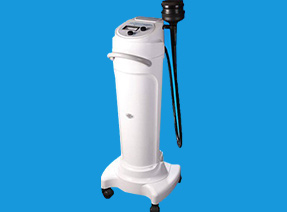
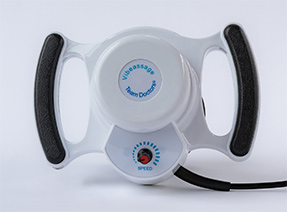
✓ Check out the Team Doctors Recovery Tools
The Vibeassage Sport and the Vibeassage Pro featuring the TDX3 soft-as-the-hand Biomimetic Applicator Pad
https://www.teamdoctors.com
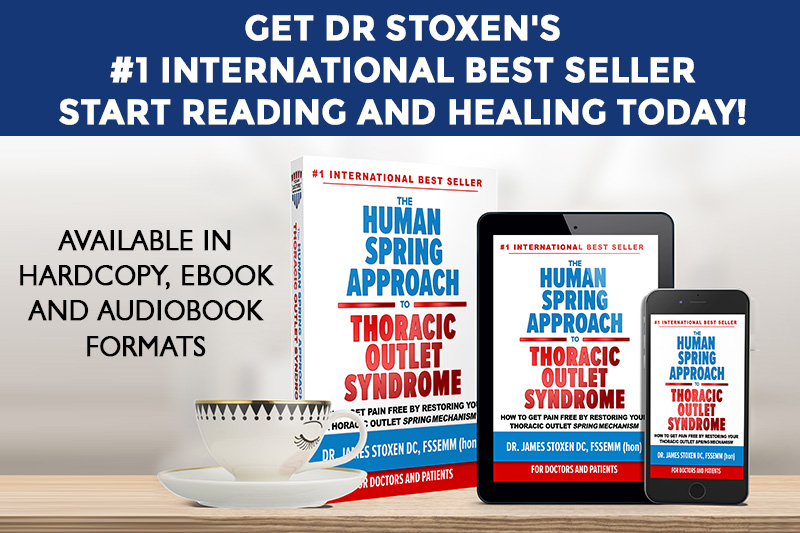
✓ Get Dr. Stoxen’s #1 International Bestselling Books
Learn how to understand, examine, and reverse your TOS—without surgery.
https://drstoxen.com/1-international-best-selling-author
✓ Check out Team Doctors Online Courses
Step-by-step video lessons, demonstrations, and self-treatment strategies.
https://teamdoctorsacademy.com
✓ Schedule a Free Phone Consultation With Dr. Stoxen
Speak directly with him so he can review your case and guide you on your next steps.
https://drstoxen.com/appointment
#ThoracicOutletSyndrome #TOS #TOSRecovery #TOSPain #TOSAwareness #NeckPainRelief #ShoulderPainRelief #BrachialPlexus #PostureHelp #ChronicPainHelp #SelfTreatment #PainScience #RibInjury #ScaleneMuscles #NerveCompression #DeskPosture #ShoulderBladePain #TOSCommunity #PainEducation #DrStoxen

Dr James Stoxen DC., FSSEMM (hon) He is the president of Team Doctors®, Treatment and Training Center Chicago, one of the most recognized treatment centers in the world.
Dr Stoxen is a #1 International Bestselling Author of the book, The Human Spring Approach to Thoracic Outlet Syndrome. He has lectured at more than 20 medical conferences on his Human Spring Approach to Thoracic Outlet Syndrome and asked to publish his research on this approach to treating thoracic outlet syndrome in over 30 peer review medical journals.
He has been asked to submit his other research on the human spring approach to treatment, training and prevention in over 150 peer review medical journals. He serves as the Editor-in-Chief, Journal of Orthopedic Science and Research, Executive Editor or the Journal of Trauma and Acute Care, Chief Editor, Advances in Orthopedics and Sports Medicine Journal and editorial board for over 35 peer review medical journals.
He is a much sought-after speaker. He has given over 1000 live presentations and lectured at over 70 medical conferences to over 50,000 doctors in more than 20 countries. He has been invited to speak at over 300 medical conferences which includes invitations as the keynote speaker at over 50 medical conferences.
After his groundbreaking lecture on the Integrated Spring-Mass Model at the World Congress of Sports and Exercise Medicine he was presented with an Honorary Fellowship Award by a member of the royal family, the Sultan of Pahang, for his distinguished research and contributions to the advancement of Sports and Exercise Medicine on an International level. He was inducted into the National Fitness Hall of Fame in 2008 and the Personal Trainers Hall of Fame in 2012.
Dr Stoxen has a big reputation in the entertainment industry working as a doctor for over 150 tours of elite entertainers, caring for over 1000 top celebrity entertainers and their handlers. Anthony Field or the popular children’s entertainment group, The Wiggles, wrote a book, How I Got My Wiggle Back detailing his struggles with chronic pain and clinical depression he struggled with for years. Dr Stoxen is proud to be able to assist him.
Full Bio) Dr Stoxen can be reached directly at teamdoctors@aol.com