When your hands start feeling weak, numb, heavy, or clumsy, it can be alarming.
Many people immediately assume they only have thoracic outlet syndrome, but symptoms in the hands and fingers are often influenced by problems farther down the arm.
One commonly overlooked issue is forearm compartment syndrome, which can cause burning, tightness, deep fatigue, and grip loss in the lower arm.
The forearm contains multiple small compartments—tight, closed spaces that hold muscles, nerves, and blood vessels. When tension or pressure builds inside those spaces, the structures within can become compressed.
That can lead to FCS symptoms such as loss of grip strength, heaviness, or numbness. Many patients describe the feeling as “pressure building inside the arm,” even when the outside looks normal.
Chronic forearm tightness is surprisingly common in people with long-term hand symptoms.
Hours of gripping phones, typing on keyboards, gaming, or holding a device in one position can overload the lower arm. Over years, this pattern leads to chronic grip weakness, making basic tasks feel harder.
When this combines with nerve compression forearm or arterial compression forearm, symptoms often intensify.
Some patients also show signs of increasing compartment pressure. When the forearm cannot release that pressure fast enough, circulation can be restricted.
This creates an overuse forearm injury, often seen in people who spend most of their day scrolling or typing.
This modern pattern has even earned nicknames like smartphone arm syndrome or computer overuse forearm.
When TOS symptoms occur at the same time, compression can happen in two locations.
The neck or chest may trigger TOS nerve compression, while the forearm develops pressure inside the muscle compartments.
This is sometimes called a double-compression pattern, and unless both areas are examined together, many people never get a clear diagnosis.
A thorough exam is essential for anyone with persistent hand weakness or TOS treatment that hasn’t improved their symptoms.
A careful evaluation should include checking circulation into the forearm, grip strength, and how quickly the muscles fatigue.
If gripping causes the hand to weaken instead of strengthening, that may indicate reduced oxygen flow. Some patients also notice arm numbness TOS, especially during overhead activity.
Evaluating possible compartment involvement is equally important. Simple wrist or finger tasks may trigger tightness, swelling, or burning.
These are common compartment syndrome signs and symptoms. During an exam, each forearm compartment is checked from elbow to wrist.
Some individuals have exertional compartment syndrome of the forearm, in which pressure rises during activity but improves with rest.
Others experience compartment syndrome symptoms throughout the day, even during light tasks.
In severe cases, the pattern may resemble the traditional 6 Ps of compartment syndrome, or even suggest acute compartment syndrome, which always requires immediate attention.
There are many reasons these patterns develop. A cause of compartment syndrome may include overuse, repetitive gripping, or too little recovery time.
Long-term tension can lead to chronic compartment syndrome, and over months or years it may progress into chronic exertional compartment syndrome during activity.
Naturally, people start searching terms like compartment syndrome cure, compartment syndrome operation, or how to get compartment syndrome relief.
Treatment varies widely. Some may need compartment syndrome therapy, others benefit from compartment syndrome treatment such as hands-on releases, and in advanced cases, compartment syndrome surgery may be recommended.
Some individuals develop patterns that resemble severe compartment syndrome, where symptoms greatly disrupt daily life.
Others may experience acute compartment syndrome symptoms after an intense workout or repetitive strain.
The goal is always the same: understand the root cause, identify the pattern, and build a plan that addresses both the TOS component and the forearm component.
With a precise exam and a complete approach, patients finally get answers—and a clearer path forward.
Team Doctors Resources
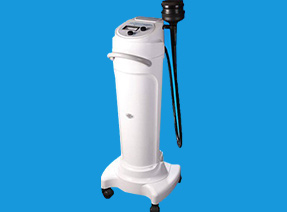
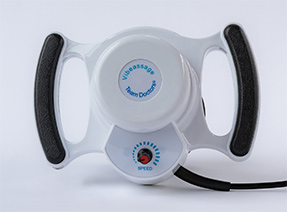
✓ Check out the Team Doctors Recovery Tools
The Vibeassage Sport and the Vibeassage Pro featuring the TDX3 soft-as-the-hand Biomimetic Applicator Pad
https://www.teamdoctors.com
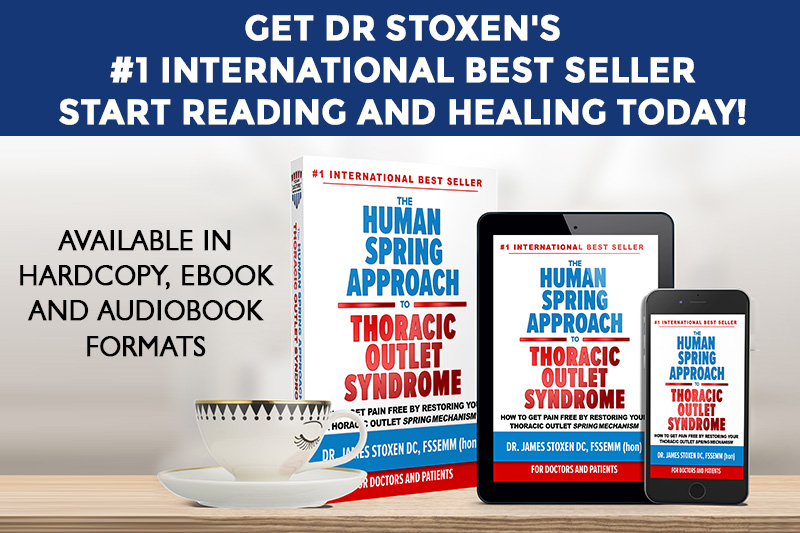
✓ Get Dr. Stoxen’s #1 International Bestselling Books
Learn how to understand, examine, and reverse your TOS—without surgery.
https://drstoxen.com/1-international-best-selling-author
✓ Check out Team Doctors Online Courses
Step-by-step video lessons, demonstrations, and self-treatment strategies.
https://teamdoctorsacademy.com
✓ Schedule a Free Phone Consultation With Dr. Stoxen
Speak directly with him so he can review your case and guide you on your next steps.
https://drstoxen.com/appointment
#thoracicoutletsyndrome #ForearmCompartmentSyndrome #CompartmentSyndrome #TOS #ChronicForearmTightness #GripWeakness #ArmNumbness #NerveCompression #ArterialCompression #CompartmentPressure #SmartphoneArmSyndrome #OveruseInjury #ComputerOveruse #ForearmPain #TOSAwareness #VascularCompression #DoubleCrush #HandWeakness #ChronicPain #TeamDoctors

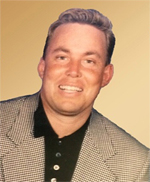
Dr James Stoxen DC., FSSEMM (hon) He is the president of Team Doctors®, Treatment and Training Center Chicago, one of the most recognized treatment centers in the world.
Dr Stoxen is a #1 International Bestselling Author of the book, The Human Spring Approach to Thoracic Outlet Syndrome. He has lectured at more than 20 medical conferences on his Human Spring Approach to Thoracic Outlet Syndrome and asked to publish his research on this approach to treating thoracic outlet syndrome in over 30 peer review medical journals.
He has been asked to submit his other research on the human spring approach to treatment, training and prevention in over 150 peer review medical journals. He serves as the Editor-in-Chief, Journal of Orthopedic Science and Research, Executive Editor or the Journal of Trauma and Acute Care, Chief Editor, Advances in Orthopedics and Sports Medicine Journal and editorial board for over 35 peer review medical journals.
He is a much sought-after speaker. He has given over 1000 live presentations and lectured at over 70 medical conferences to over 50,000 doctors in more than 20 countries. He has been invited to speak at over 300 medical conferences which includes invitations as the keynote speaker at over 50 medical conferences.
After his groundbreaking lecture on the Integrated Spring-Mass Model at the World Congress of Sports and Exercise Medicine he was presented with an Honorary Fellowship Award by a member of the royal family, the Sultan of Pahang, for his distinguished research and contributions to the advancement of Sports and Exercise Medicine on an International level. He was inducted into the National Fitness Hall of Fame in 2008 and the Personal Trainers Hall of Fame in 2012.
Dr Stoxen has a big reputation in the entertainment industry working as a doctor for over 150 tours of elite entertainers, caring for over 1000 top celebrity entertainers and their handlers. Anthony Field or the popular children’s entertainment group, The Wiggles, wrote a book, How I Got My Wiggle Back detailing his struggles with chronic pain and clinical depression he struggled with for years. Dr Stoxen is proud to be able to assist him.
Full Bio) Dr Stoxen can be reached directly at teamdoctors@aol.com