First rib resection is a commonly performed surgical procedure for thoracic outlet syndrome (TOS), particularly venous thoracic outlet syndrome (vTOS) and Paget–Schroetter syndrome, which involves effort-related thrombosis of the axillosubclavian vein.
While the surgery is intended to relieve vascular compression and restore venous flow, published research shows that blood clots and recurrent venous obstruction can still occur after surgery.
Understanding these risks is essential for informed clinical decision-making and patient consent.
Recurrent Thrombosis After First Rib Resection
Despite decompression, multiple studies document recurrent thrombosis or venous re-occlusion after surgery.
A systematic review evaluating outcomes after thrombolysis followed by first rib resection found that postoperative recurrent thrombosis occurred in approximately 13% of patients who underwent early decompression and 21% of patients who underwent delayed decompression following thrombolysis for venous TOS.¹
These findings demonstrate that clot recurrence is not rare, even after anatomically successful surgery.
Additional cohort studies support this finding. In a large single-center series of patients undergoing first rib resection for venous TOS, approximately 22% of patients required postoperative reintervention, most often due to recurrent stenosis or thrombosis requiring angioplasty or additional vascular procedures.²
A separate review of surgical outcomes reported that 15–20% of patients experience recurrent venous symptoms, including thrombosis or flow-limiting stenosis, after thoracic outlet decompression.³
These studies consistently show that a meaningful minority of patients develop recurrent clotting or venous compromise after surgery, even when standard surgical protocols are followed.
Postoperative Complications Related to Clotting
In addition to recurrent upper-extremity venous thrombosis, first rib resection carries broader postoperative risks.
A large population-based analysis reported a 30-day postoperative complication rate of approximately 9.8%, increasing to 18.8% within one year following first rib resection.⁴ While these complications include bleeding, nerve injury, and pneumothorax, vascular complications—including thrombosis—remain a recognized subset.
Another contemporary study focusing specifically on venous TOS reported a 14% postoperative complication rate, again confirming that surgical decompression does not eliminate vascular risk.⁵
Importantly, many authors note that postoperative venous thrombosis is more likely when residual compression, scar tissue, or compensatory muscle tension persists, even after rib removal.
Long-Term Patency and Symptom Outcomes
Despite the documented risks, most studies report overall favorable outcomes for first rib resection when evaluated by symptom improvement rather than clot recurrence alone.
In one cohort of patients with completely occluded axillosubclavian veins, first rib resection resulted in venous patency in approximately 75% of patients by 14 months, with over 95% reporting symptomatic improvement.⁶
Another study evaluating delayed first rib resection after anticoagulation reported complete resolution of thrombosis in 60% of patients, with sustained symptom relief over long-term follow-up.⁷
These results highlight an important distinction: symptom improvement does not always equate to permanent restoration of normal venous mechanics, and recurrent clotting may still occur even when patients feel better.
Clinical Interpretation
Paget–Schroetter syndrome represents one of the most common causes of spontaneous upper-extremity deep vein thrombosis in young, active individuals.⁸ First rib resection remains a widely accepted surgical option; however, the literature clearly demonstrates that:
- Recurrent thrombosis after surgery occurs in roughly 13–21% of cases
- Reintervention rates approach 20% in modern series
- Surgical decompression does not eliminate the biological or biomechanical drivers of clot formation
These findings support the conclusion that first rib resection is not a definitive cure for clot risk, and that long-term outcomes depend on more than rib removal alone.
Thoracic Outlet Syndrome is commonly approached as a localized structural problem, yet many individuals discover that thoracic outlet syndrome surgery does not always produce lasting relief.
In my clinical experience, patients often report persistent or returning symptoms even after extensive surgical intervention.
The thoracic outlet is a confined anatomical region formed by bone, muscle, fascia, and neurovascular structures.
Compression in this area rarely arises from a single structure acting in isolation.
When individuals ask do i need thoracic outlet surgery, the question usually reflects long-standing frustration and failed conservative attempts.
The decision to operate is often made when muscle tension appears resistant to manual or rehabilitative strategies.
Thoracic outlet surgery typically targets a limited set of muscles believed to be responsible for compression.
Most commonly, surgeons address the anterior and middle scalene muscles and sometimes the pectoralis minor.
This approach assumes that removing or releasing these tissues resolves the mechanical obstruction.
However, thoracic outlet compression is not caused by only two or three muscles.
There are approximately nine major muscles capable of influencing thoracic outlet dimensions.
These muscles function as a coordinated system rather than independent parts.
Understanding thoracic outlet surgery risks requires recognizing what surgery does not change.
Surgical intervention alters anatomy but does not directly modify neurological control or inflammatory signaling.
Patients frequently inquire about thoracic outlet surgery success rate statistics.
Reported outcomes vary widely depending on diagnosis, surgical technique, and follow-up duration.
Short-term improvements are commonly documented.
Long-term consistency, however, is far less predictable.
Recovery timelines are another major concern.
Questions about thoracic outlet surgery recovery often focus on pain, mobility, and return to activity.
Many individuals describe difficulty understanding what normal recovery should feel like.
Variability in post-surgical experiences complicates expectations.
Life after surgery introduces a new biomechanical environment.
Life after thoracic outlet surgery involves adaptation to altered muscle balance and scar formation.
Scar tissue can influence glide between layers of muscle and fascia.
This can change how remaining muscles load and stabilize the outlet.
Complications are not rare discussion points.
Thoracic outlet surgery complications may include persistent pain, numbness, or vascular changes.
When symptoms persist, patients may feel confused or discouraged.
The term failed thoracic outlet surgery is often used when expected relief does not occur.
One commonly reported experience is that symptoms came back after tos surgery.
This recurrence is not random but biomechanically explainable.
Recurrence after thoracic outlet surgery often reflects compensation by remaining muscles.
When some muscles are removed or released, others must assume additional stabilizing roles.
Before surgical intervention, thorough evaluation is critical.
Before getting thoracic outlet surgery, understanding the full muscular and neurological picture is essential.
Many patients ask what to do before surgery to improve outcomes.
Education about posture, inflammation, and movement patterns can clarify expectations.
Concerns about safety are common.
Questions such as is thoracic outlet surgery dangerous reflect awareness of the region’s complexity.
Surgical risk increases due to proximity of nerves, arteries, and veins.
Even technically successful procedures can alter neuromuscular coordination.
Bone involvement adds another layer of consideration.
First rib resection risks include destabilization and altered load transfer.
Muscle-specific procedures raise additional concerns.
Scalenectomy surgery risks include reduced cervical stability and compensatory overuse.
Recovery duration varies widely.
Patients frequently ask how long is recovery after tos surgery, but no single timeline applies universally.
Pain is a frequent post-operative complaint.
Pain after thoracic outlet surgery may differ in quality from pre-surgical discomfort.
Sensory symptoms also persist in some cases.
Numbness after tos surgery can reflect ongoing neural irritation rather than surgical failure alone.
Long-term perspectives matter.
The long-term results of tos surgery depend on how the body adapts biomechanically.
Some individuals feel surgery did not address their primary concern.
Reports that surgery didn’t fix arm pain are not uncommon.
Others describe deterioration rather than improvement.
Statements that surgery made symptoms worse often relate to altered mechanics and scar sensitivity.
Nerve-related issues require careful interpretation.
Nerve damage after tos surgery may involve traction, inflammation, or altered glide rather than transection.
Vascular concerns also arise.
Blood clot risk after tos surgery is monitored closely due to venous manipulation.
Patients frequently reach a crossroads.
Questions like is surgery my only option reflect limited understanding of system-wide contributors.
When symptoms persist, clinicians must evaluate why.
Understanding when surgery fails tos involves looking beyond the surgical site.
Revision procedures are sometimes proposed.
Revision tos surgery carries increased complexity and altered anatomy.
Outcome reporting often lacks long-term biomechanical context.
TOS surgery outcomes should be interpreted cautiously and individually.
Comparisons are often made between approaches.
The debate of surgery vs conservative treatment tos highlights differences in philosophy and timing.
Decision-making is rarely straightforward.
The thoracic outlet surgery decision should account for systemic contributors, not just localized findings.
One of the most common procedures involves bone removal.
First rib resection changes the structural boundary of the outlet.
Despite anatomical change, neurological drivers remain.
Protective muscle contraction originates in the central nervous system.
Inflammatory signaling influences muscle tone.
Surgery does not directly modify these upstream processes.
After muscle removal, stabilization demands increase elsewhere.
Remaining muscles often tighten to compensate.
This compensatory tightening can recreate compression patterns.
Symptoms may mirror pre-surgical presentations.
Patients often describe tingling, weakness, or heaviness.
These sensations align with ongoing neurovascular irritation.
Thoracic outlet compression is not a single-event problem.
It is a dynamic interaction between posture, movement, and neurology.
Surgical models often focus on static anatomy.
Functional biomechanics receive less emphasis.
When muscle balance is disrupted, load distribution changes.
This can perpetuate uneven stress across the outlet.
Understanding failure does not imply surgical error.
It reflects limitations of an incomplete model.
A multimuscular condition requires multilevel analysis.
Removing tissues addresses consequences, not causes.
Education remains central to informed consent.
Patients benefit from understanding what surgery can and cannot change.
Thoracic outlet surgery reduces muscle quantity.
It does not eliminate neural control patterns.
Inflammation remains a driver of muscle guarding.
Guarding reinforces compression over time.
Scar tissue introduces new mechanical variables.
Adhesions can restrict normal tissue glide.
These changes influence movement efficiency.
Inefficient movement increases protective tension.
Persistent symptoms are therefore predictable.
They are not anomalies.
A systems-based understanding reframes expectations.
Compression is maintained by coordinated inputs.
Without addressing those inputs, recurrence is likely.
This applies regardless of surgical technique.
Thoracic outlet compression should be viewed longitudinally.
Short-term relief does not guarantee long-term resolution.
Patient education reduces confusion.
Understanding mechanisms supports realistic expectations.
Surgery may be appropriate in select cases.
It should not be viewed as a universal solution.
Biomechanics, neurology, and inflammation interact continuously.
Effective long-term management requires recognizing all three.
Thoracic outlet surgery modifies structure.
It does not retrain the system.
Recognizing this distinction clarifies why symptoms persist.
It also explains why recurrence is common.
This pattern is observed repeatedly.
It is consistent across diverse surgical approaches.
Understanding failure reframes recovery.
It shifts focus toward comprehensive evaluation.
Thoracic outlet compression is systemic.
Addressing it requires system-level thinking.
Team Doctors Resources
✓ Check out the Team Doctors Recovery Tools
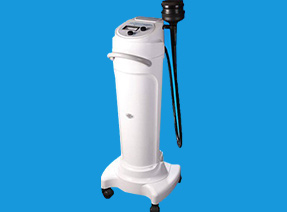
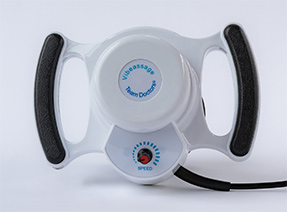
The Vibeassage Sport and the Vibeassage Pro featuring the TDX3 soft-as-the-hand Biomimetic Applicator Pad
https://www.teamdoctors.com/
✓ Get Dr. Stoxen’s #1 International Bestselling Books
Learn how to understand, examine, and reverse your TOS—without surgery.
https://drstoxen.com/1-international-best-selling-author/
✓ Check out Team Doctors Online Courses
Step-by-step video lessons, demonstrations, and self-treatment strategies.
https://teamdoctorsacademy.com/
✓ Schedule a Free Phone Consultation With Dr. Stoxen
Speak directly with him so he can review your case and guide you on your next steps.
https://drstoxen.com/appointment/
#ThoracicOutletSyndrome #TOSSurgery #FailedTOSSurgery #FirstRibResection #NeurogenicTOS #VascularTOS #TOSRecovery #PostSurgicalPain #ChronicCompression #Biomechanics #MuscleGuarding #BrachialPlexus #ScaleneMuscles #ThoracicOutletAnatomy #SurgicalOutcomes #PersistentSymptoms #ClinicalEducation #PatientEducation #MedicalBiomechanics #TeamDoctors
References:
- Karaolanis, George, et al. “A Systematic Review and Meta-Analysis of Paget–Schroetter Syndrome.” Journal of Vascular Surgery: Venous and Lymphatic Disorders, 2021.
https://www.jvsvenous.org/article/S2213-333X(21)00070-6/fulltext - Illig, Karl A., et al. “Management and Outcomes of Venous Thoracic Outlet Syndrome.” Journal of Vascular Surgery: Venous and Lymphatic Disorders, 2024.
https://pmc.ncbi.nlm.nih.gov/articles/PMC11523382/ - Subclavian Vein Thrombosis After Preventive First Rib Resection. Cureus, 2025.
https://www.cureus.com/articles/369838-subclavian-vein-thrombosis-in-a-patient-with-venous-thoracic-outlet-syndrome-and-previous-preventive-first-rib-resection - Pääkkönen, Mikko, et al. “Complications After First Rib Resection for Thoracic Outlet Syndrome.” Journal of Vascular Surgery, 2025.
https://www.sciencedirect.com/science/article/pii/S2468122925001215 - Mota, Luis, et al. “Surgical Management of Venous Thoracic Outlet Syndrome.” Journal of Vascular Surgery: Venous and Lymphatic Disorders, 2024.
https://pmc.ncbi.nlm.nih.gov/articles/PMC11523382/ - Ng, Jason C., et al. “Outcomes of First Rib Resection in Patients With Occluded Venous Thoracic Outlet.” Journal of Vascular Surgery: Venous and Lymphatic Disorders, 2024.
https://pmc.ncbi.nlm.nih.gov/articles/PMC11523324/ - Minchala, Pablo, et al. “Interval First Rib Resection After Acute Upper Extremity Deep Vein Thrombosis.” Journal of Vascular Surgery: Venous and Lymphatic Disorders, 2024.
https://pmc.ncbi.nlm.nih.gov/articles/PMC11523449/ - Urschel, Harold C., and Razzuk, Mohammed A. “Paget–Schroetter Syndrome: What Is the Best Management?” Annals of Thoracic Surgery, 2000.
https://www.annalsthoracicsurgery.org/article/S0003-4975(00)01155-3/fulltext - Sanders, Richard J., and Neal M. Pearce. “The Treatment of Thoracic Outlet Syndrome.” Journal of Vascular Surgery 49, no. 5 (2009): 132–145. https://doi.org/10.1016/j.jvs.2008.08.098
- Povlsen, Sebastian, et al. “Treatment for Thoracic Outlet Syndrome.” Cochrane Database of Systematic Reviews (2014). https://doi.org/10.1002/14651858.CD007218.pub3
- Urschel, Harold C., and R. Razzuk. “Neurogenic Thoracic Outlet Syndrome: Outcome of Surgery.” Annals of Thoracic Surgery 69, no. 6 (2000): 174–178. https://doi.org/10.1016/S0003-4975(00)01146-4
- Balci, Ali Erhan, et al. “Surgical Treatment of Thoracic Outlet Syndrome.” Acta Chirurgica Belgica 103, no. 4 (2003): 411–415. https://doi.org/10.1080/00015458.2003.11679476

Dr James Stoxen DC., FSSEMM (hon) He is the president of Team Doctors®, Treatment and Training Center Chicago, one of the most recognized treatment centers in the world.
Dr Stoxen is a #1 International Bestselling Author of the book, The Human Spring Approach to Thoracic Outlet Syndrome. He has lectured at more than 20 medical conferences on his Human Spring Approach to Thoracic Outlet Syndrome and asked to publish his research on this approach to treating thoracic outlet syndrome in over 30 peer review medical journals.
He has been asked to submit his other research on the human spring approach to treatment, training and prevention in over 150 peer review medical journals. He serves as the Editor-in-Chief, Journal of Orthopedic Science and Research, Executive Editor or the Journal of Trauma and Acute Care, Chief Editor, Advances in Orthopedics and Sports Medicine Journal and editorial board for over 35 peer review medical journals.
He is a much sought-after speaker. He has given over 1000 live presentations and lectured at over 70 medical conferences to over 50,000 doctors in more than 20 countries. He has been invited to speak at over 300 medical conferences which includes invitations as the keynote speaker at over 50 medical conferences.
After his groundbreaking lecture on the Integrated Spring-Mass Model at the World Congress of Sports and Exercise Medicine he was presented with an Honorary Fellowship Award by a member of the royal family, the Sultan of Pahang, for his distinguished research and contributions to the advancement of Sports and Exercise Medicine on an International level. He was inducted into the National Fitness Hall of Fame in 2008 and the Personal Trainers Hall of Fame in 2012.
Dr Stoxen has a big reputation in the entertainment industry working as a doctor for over 150 tours of elite entertainers, caring for over 1000 top celebrity entertainers and their handlers. Anthony Field or the popular children’s entertainment group, The Wiggles, wrote a book, How I Got My Wiggle Back detailing his struggles with chronic pain and clinical depression he struggled with for years. Dr Stoxen is proud to be able to assist him.
Full Bio) Dr Stoxen can be reached directly at teamdoctors@aol.com