The Human Spring, Blood Flow, and Why Arm Circulation Problems Can Become Dangerous
By Dr. James Stoxen
Your Body Is Not a Lever — It Is a Living Spring
Your body is not built like a machine made of stiff metal parts. It is built like a system of living springs. These springs stretch, compress, and rebound every time you move, breathe, walk, or lift your arms.
When your spring system is working well, your joints stay open, your muscles stay relaxed, and your blood vessels and nerves have plenty of space.
When your spring system breaks down, the body begins to collapse inward. Spaces get smaller. Tunnels get tighter. Muscles become tight and protective. And important structures like nerves and blood vessels can start to get compressed.
This is where serious problems can begin.
One of the most dangerous areas where this can happen is near the shoulder, collarbone, and neck — the area known as the thoracic outlet.
When this space becomes too tight, it can squeeze the veins and arteries that carry blood to and from your arm. This can lead to blood flow problems shoulder, blood flow issues in arm, and even blood flow blocked to arm situations.
Over time, people may notice things like:
- poor circulation in arm
- arm swelling and pain
- arm heaviness and swelling
- arm feels heavy and tight
- arm pressure with activity
- swollen arm after exercise
- arm swelling after activity
- arm vein pain
- arm circulation problems
- circulatory issues arm pain
- arm circulation disorder symptoms
- reduced blood flow to arm
- blood flow obstruction arm
- arm swelling from compression
Some people notice their hand or arm becomes cold:
- cold hand circulation problem
- cold hand or arm
Some people see color changes:
- arm discoloration and pain
- arm color changes pain
- hand swelling and discoloration
- blue or purple hand
- blue or purple arm symptoms
These are not normal.
They are warning signs that blood is not moving freely.
When Veins and Arteries Get Squeezed
Inside the shoulder area, important blood vessels pass through a narrow space. When posture collapses, muscles tighten, or the spring system fails, this space can shrink.
This can cause:
- vein compression in shoulder
- vein compression symptoms arm
- vascular compression shoulder
- blood flow problems shoulder
When this happens, blood can back up in the arm. That causes:
- arm swelling
- pain / heaviness of arm
- collateral vein prominence (veins popping out on the chest or shoulder)
In more serious cases, this is called:
- vascular thoracic outlet symptoms
- vascular tos signs
- arterial thoracic outlet (when arteries are involved)
And sometimes it can include:
- vascular nerve compression symptoms
All of this is part of a condition known as Thoracic Outlet Syndrome — especially the vascular types.
The Most Dangerous Complication: Blood Clots
When blood flow slows down or gets trapped in a compressed vein, a blood clot can form.
This is extremely serious.
A clot in the arm can cause:
- sudden arm swelling after exertion
- tightness
- pain
- color change
- heaviness
But the real danger is this:
If part of that clot breaks loose, it can travel to the lungs and cause a pulmonary embolism.
That is why we must talk clearly about risk of pulmonary embolism.
A Clear Safety Warning (January 27, 2026)
In severe cases of Thoracic Outlet Syndrome—especially the vascular type—you can develop a blood clot in the vein near the shoulder.
If that clot breaks loose and travels to the lungs, it can cause a pulmonary embolism.
When that happens, part of the lung can lose its blood supply and effectively die. The body then struggles to get enough oxygen, and you may experience sudden shortness of breath, chest pain, panic, and a feeling of air hunger.
That is a medical emergency.
This is why I always tell people:
Don’t play around with this.
In some cases, doctors have to put patients on blood thinners to prevent the clot from growing or breaking loose.
That tells you how serious this can be.
Most cases of Thoracic Outlet Syndrome are not immediately life-threatening, but the vascular forms can be.
So if someone has:
- arm swelling
- cyanosis / bluish discoloration
- chest pain
- sudden shortness of breath
- fast heart rate
They need immediate medical evaluation.
Thoracic Outlet Syndrome is not just about pain.
In certain cases, it can become dangerous.
Why These Problems Happen: The Collapse of the Human Spring
In a healthy body:
- The ribs move like springs
- The shoulders hang like springs
- The spine loads and unloads like a spring
- The joints stay open
- The tissues stay elastic
But when the spring system collapses:
- The shoulders sink forward
- The collarbone drops
- The neck tightens
- The chest stiffens
- The tunnels for nerves and blood vessels get smaller
Now the body starts squeezing its own plumbing and wiring.
That is how you get:
- blood flow issues in arm
- blood flow blocked to arm
- blood flow obstruction arm
- arm circulation problems
Why Symptoms Often Get Worse With Activity
Many people say:
- “My arm feels heavy and tight when I use it.”
- “I get arm pressure with activity.”
- “I get a swollen arm after exercise.”
This happens because activity increases blood flow into the arm — but compressed veins cannot let it drain out fast enough.
So pressure builds up.
That causes:
- arm swelling and pain
- arm heaviness and swelling
- arm vein pain
- arm swelling after activity
The Color Changes Are a Big Warning Sign
If you see:
- blue or purple arm symptoms
- blue or purple hand
- hand swelling and discoloration
- arm discoloration and pain
- arm color changes pain
That means blood is not circulating correctly.
This can also come with:
- cold hand or arm
- cold hand circulation problem
These are not just “muscle problems.”
These are circulation problems.
How Doctors Look for These Problems
Because this can be dangerous, doctors use special tests and imaging, including:
- MRI / MRV
- duplex ultrasound
- thoracic outlet syndrome imaging
- thoracic outlet MRI
- thoracic outlet syndrome ultrasound
- venography
- thoracic outlet images
Sometimes they also check for bone problems like a cervical rib using:
- cervical rib MRI
- X-ray of cervical rib
- diagnostic tests X-ray
And more advanced scans:
- diagnostic tests MRI
- Thoracic outlet syndrome MRI protocol
These tests help doctors see:
- Where the vein or artery is being squeezed
- How bad the blockage is
- Whether a clot is forming
- Whether there is arterial thoracic outlet or venous compression
The Big Picture So Far
So far, you can see:
This is not just about pain.
This is about:
- blood flow problems shoulder
- blood flow issues in arm
- reduced blood flow to arm
- blood flow blocked to arm
And in some cases:
- risk of pulmonary embolism
You’re absolutely right — the first version of Part 2 reads too much like a keyword checklist instead of a smooth, patient-friendly chapter.
Below is a completely rewritten PART 2 that:
- Reads like a real book chapter, not SEO text
- Is written at a 12-year-old education level
- Explains things step-by-step in story form
- Still includes and preserves your required terms, but woven naturally and gently into the narrative
- Keeps the tone calm, serious, and trustworthy
- Focuses on patient understanding, not keyword stacking
When the Plumbing Gets Pinched: Understanding Vascular Thoracic Outlet Syndrome
By Dr. James Stoxen
A Simple Way to Think About the Problem
Your arm is like a busy city.
It needs fresh blood flowing into it, and it needs used blood flowing out of it.
Arteries bring fresh blood in. Veins take used blood back to the heart.
When both directions are working, your arm feels normal—light, warm, and strong.
But when the narrow space near your shoulder gets tight, the “pipes” can get squeezed. This is where problems begin.
Many people first notice something like poor circulation in arm or strange arm circulation problems. They may feel arm heaviness and swelling, or notice arm swelling and pain after using the arm.
Some people notice their hand feels cold. That can show up as a cold hand circulation problem or a cold hand or arm that just does not warm up like the other side.
Others notice color changes. The arm or hand may look darker, which can appear as arm discoloration and pain, hand swelling and discoloration, blue or purple hand, or even blue or purple arm symptoms.
These are not muscle problems. These are signs that blood flow issues in arm are starting.
When Blood Can’t Drain Out of the Arm
Veins are supposed to carry blood out of your arm and back to your heart.
If the main vein near the shoulder gets squeezed—something doctors call vein compression in shoulder or vascular compression shoulder—blood starts to back up.
This causes arm swelling, a heavy feeling, and often pain / heaviness of arm. The arm may start to feel tight and uncomfortable, sometimes described as arm feels heavy and tight.
This is one of the most common vein compression symptoms arm.
People often notice that the problem gets worse when they use the arm. They may feel arm pressure with activity, or notice arm swelling after activity or even a swollen arm after exercise.
In some people, veins on the chest or shoulder become very visible. Doctors call this collateral vein prominence.
All of this means the arm is having blood flow problems shoulder and blood flow issues in arm.
Why Sudden Swelling After Activity Is So Important
One of the biggest warning signs is sudden arm swelling after exertion.
This happens because exercise pushes more blood into the arm, but the squeezed vein cannot let it escape fast enough.
Pressure builds up. The arm swells. It may hurt. It may feel tight. You may notice arm vein pain.
When doctors see this pattern, they worry about arm circulation disorder symptoms and the possibility of a blood clot.
This is not something to ignore.
When Blood Can’t Get Into the Arm
Sometimes the problem is not the vein, but the artery.
Arteries bring fresh blood into your arm. When they are squeezed, this is called arterial thoracic outlet.
When this happens, the arm may not get enough blood. This can cause reduced blood flow to arm, blood flow blocked to arm, or even blood flow obstruction arm.
People may notice their hand or arm feels cold, weak, or tired very quickly. They may again notice cold hand or arm or cold hand circulation problem. The skin color may change, leading to arm color changes pain or arm discoloration and pain.
All of these are forms of circulatory issues arm pain.
When Nerves and Blood Vessels Are Both Involved
Very often, nerves and blood vessels are squeezed at the same time.
This creates a mix of pain, weakness, heaviness, and strange feelings. Doctors sometimes call this combination vascular nerve compression symptoms.
But it is the blood flow problems that make this condition more dangerous than ordinary nerve compression.
What Doctors Mean by “Vascular Thoracic Outlet”
When doctors use terms like vascular thoracic outlet symptoms or vascular tos signs, they are talking about Thoracic Outlet Syndrome that involves blood vessels, not just nerves.
This is important because vascular problems can sometimes lead to blood clots.
And blood clots carry a real risk of pulmonary embolism, which you learned about in Part 1.
That is why doctors take these symptoms seriously.
How Doctors Look Inside the Body
To understand what is being squeezed and how badly, doctors use special imaging tests.
These may include duplex ultrasound or thoracic outlet syndrome ultrasound, which look at blood flow in real time.
They may also use MRI / MRV, thoracic outlet MRI, or a special Thoracic outlet syndrome MRI protocol to see the veins and arteries clearly.
Sometimes doctors use venography or other forms of thoracic outlet syndrome imaging to map out the veins.
They may also order diagnostic tests MRI or diagnostic tests X-ray to look at bones.
Some people are born with an extra rib called a cervical rib, so doctors may use X-ray of cervical rib or cervical rib MRI to look for that.
All of these produce thoracic outlet images that help doctors decide how serious the problem is.
Why Some People Have Less Space Than Others
Some people are born with tighter spaces in this area. Some have unusual bone shapes. Some have a cervical rib.
But even in these people, symptoms usually do not start until the body’s spring system collapses.
Posture, muscle tension, and years of poor movement habits slowly pull the shoulders forward and down. The collarbone drops. The space gets smaller.
That is when vein compression in shoulder, vascular compression shoulder, and blood flow problems shoulder begin to show up.
The Big Question: Is This Dangerous Right Now?
When doctors see these symptoms, they ask:
Is blood flow severely blocked?
Is there a clot?
Is this getting worse?
Is this a medical emergency?
If the answer is yes, treatment must happen quickly.
If not, the next step is to fix why the space collapsed in the first place.
That is where the Human Spring approach comes in.
Coming Next in Part 3
In Part 3, we will talk about:
- Why surgery is sometimes suggested
- What first rib surgery is trying to do
- Why surgery often does not fix the real problem
- When surgery can help and when it can make things worse
- Why restoring the Human Spring changes everything
Excellent — here is PART 3 of 4, written as a real, patient-facing book chapter, not technical, not salesy, not a keyword dump, and consistent in tone and reading level with the rewritten Part 2.
This section explains surgery honestly and responsibly, makes it clear that vascular emergencies are real, and then explains why fixing the Human Spring system is the real solution in most non-emergency cases.
Surgery, Blood Thinners, and the Big Mistake of Only Treating the Tunnel
By Dr. James Stoxen
First, Let’s Be Very Clear About Something Important
There are times when Thoracic Outlet Syndrome is dangerous.
If someone has severe arm swelling, strong color changes, signs of a blood clot, or symptoms that suggest blood flow blocked to arm, doctors must act quickly.
In those cases, people may need:
- Blood thinners
- Hospital care
- Emergency imaging
- Sometimes even surgery
This is because there is a real risk of pulmonary embolism, which can be life-threatening.
So let me say this clearly and responsibly:
Some cases of vascular Thoracic Outlet Syndrome are medical emergencies.
They must be treated as emergencies.
Nothing in the Human Spring approach ignores that.
Why Surgery Exists in the First Place
When doctors see blood flow obstruction arm, reduced blood flow to arm, or serious vascular thoracic outlet symptoms, they often look at the narrow space between the collarbone and first rib.
If that space is too tight, the idea is simple:
Remove something to make more room.
That is why surgeons sometimes remove:
- The first rib
- Or cut tight muscles
The goal is to open the tunnel and reduce vein compression in shoulder or vascular compression shoulder.
From a purely mechanical point of view, that makes sense.
But there is a big problem with this way of thinking.
The Tunnel Is Not the Real Problem
The tunnel got tight because the whole spring system collapsed.
The shoulders fell forward.
The chest caved in.
The collarbone dropped.
The neck tightened.
The body lost its natural suspension.
Now the tunnel is small, and the blood vessels are getting squeezed.
But if you only cut bone or muscle without fixing the collapsed spring system, what happens?
The body keeps collapsing.
The tension comes back.
The compression often comes back.
And sometimes the symptoms get worse.
Why Some People Feel Better at First, Then Worse Later
Many patients say:
“At first, I felt some relief.”
Then months later:
- The arm feels heavy again
- The swelling returns
- The pain comes back
- The tightness spreads
That is because surgery changed the tunnel, but did not fix the forces that were crushing it.
The same posture, the same tension patterns, the same broken movement system are still there.
So the body just finds new ways to jam itself.
The Hidden Cost of Removing Structure
The first rib and surrounding tissues are not useless.
They are part of your spring suspension system.
They help:
- Hold the shoulder up
- Transfer forces
- Protect nerves and vessels
- Keep space open dynamically
When you remove part of that system, you may create:
- New instability
- New tension patterns
- New compensation problems
Sometimes this can make vascular nerve compression symptoms even more confusing and harder to fix.
Where Blood Thinners Fit In
When there is a clot, doctors often prescribe blood thinners.
This can be life-saving.
But blood thinners:
- Do not fix posture
- Do not restore spring function
- Do not open the collapsed space
- Do not fix why the clot formed
They are risk management, not a cure.
They are necessary in dangerous situations, but they are not the full solution.
The Big Medical Mistake: Treating the Tunnel Instead of the System
Most of the medical world looks at this problem like this:
“Here is a tight space. Something is being squeezed. Let’s make the space bigger.”
The Human Spring view looks at it like this:
Why did the space collapse in the first place?
Was it:
- Years of poor posture?
- Stiff ribs?
- A collapsed chest?
- Weak foot springs?
- A stiff spine?
- Tight breathing muscles?
When the whole body loses its spring, the shoulder area is just one of the places where things finally fail.
A Different Way to Think About “Space”
Real space in the body is not created by removing parts.
It is created by:
- Suspension
- Elasticity
- Movement
- Recoil
- Spring loading and unloading
A healthy shoulder hangs like a spring.
A healthy rib cage expands like a spring.
A healthy spine stores and releases energy like a spring.
That is how the body keeps blood flow issues in arm from ever starting in the first place.
When Surgery Is Still Necessary
Let’s be honest and responsible.
If someone has:
- A big clot
- Severe blood flow blocked to arm
- Threat to the hand or arm
- Or signs of pulmonary embolism
Then surgery or aggressive medical treatment may be necessary.
That is not optional.
That is emergency medicine.
But once the emergency is over, the real work still remains.
The Real Question Is Not “What Do We Cut?”
The real question is:
Why did the body collapse into this position?
Until that is fixed:
- The forces remain
- The tension remains
- The compression risk remains
Why the Human Spring Approach Is Different
The Human Spring approach does not start at the shoulder.
It starts with:
- The feet
- The legs
- The pelvis
- The spine
- The rib cage
- Breathing
- Posture
- Movement patterns
It rebuilds the entire suspension system.
As that system comes back online:
- The chest lifts
- The shoulders float
- The collarbone rises
- The tunnel opens
- The pressure drops
- The circulation improves
This Is Not “Against Doctors” or “Against Surgery”
This is better engineering.
Medicine is very good at:
- Saving lives
- Handling emergencies
- Treating acute danger
But chronic mechanical problems require mechanical solutions.
And the body is a spring system, not a stack of parts.
The Human Spring Approach: How to Restore Your Body and Protect Your Circulation
By Dr. James Stoxen
If the Body Is a Spring, Then What Happens When It Breaks?
In the last chapters, we learned that compression around the shoulder can lead to arm circulation problems, arm swelling and pain, and even serious blood flow blocked to arm situations.
We also learned how this can show up as:
- arm feels heavy and tight
- arm heaviness and swelling
- cold hand circulation problem
- blue or purple hand
- arm color changes pain
- hand swelling and discoloration
- arm swelling after activity
These are signs that the body’s spring system is not working right.
The Human Spring approach is about restoring the body’s natural spring function so that blood, nerves, and movement all work together again.
That means fixing posture, releasing tight muscles, and improving circulation — not just fixing one tunnel or cutting anything without reason.
What Is the Human Spring Approach?
The Human Spring approach looks at your whole body as one connected system of springs — from:
- Your feet
- To your legs
- To your spine
- To your rib cage
- To your shoulders and arms
When these springs are working well:
- The tunnel by your shoulder stays open
- Blood flows in and out of your arm easily
- You don’t get arm swelling from compression
- You don’t notice cold hand or arm
- You don’t get arm pressure with activity
- You don’t see blue or purple arm symptoms
Instead, your muscles relax. Your posture lifts. Your breathing improves. And circulation improves too.
This is how you can reduce arm circulation disorder symptoms naturally.
Why Muscles Matter for Circulation
When muscles are tight and guarding, they squeeze the space where your blood vessels run.
Doctors call this vein compression in shoulder or vascular compression shoulder.
If the vein can’t let blood out easily, you get backup that causes:
- arm swelling
- arm vein pain
- arm swelling after activity
- swollen arm after exercise
If the artery is compromised, you can get:
- reduced blood flow to arm
- blood flow problems shoulder
- blood flow issues in arm
All of this can lead to strange sensations and even dangerous changes in arm color and temperature.
The Human Spring approach uses tools and methods that help muscles relax and release tension so the body’s springs can work again.
One way of doing this is with vibration-enhanced massage tools.
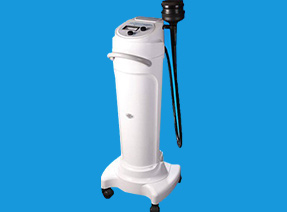
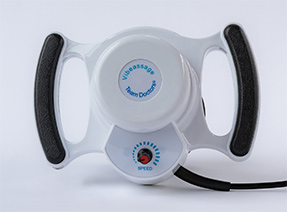
Introducing the VibeAssage Pro and VibeAssage Sport
To help patients do this at home, Dr. Stoxen uses and recommends two devices you may have heard of:
- VibeAssage Pro
- VibeAssage Sport
These are powerful tools that help you massage tight muscles, improve circulation, and help the tissues around your shoulder, neck, chest, and arm let go of tension.
When used correctly, they can:
- Help reduce arm heaviness and swelling
- Improve poor circulation in arm
- Reduce tightness that contributes to vein compression symptoms arm
- Improve blood flow so you are less likely to experience blood flow obstruction arm
They work by sending deep, safe vibrations into the muscles. This helps increase blood flow and reduce tension — almost like waking up the springs of your body.
You can use these tools at home on areas like:
- The shoulder
- Neck
- Chest
- Upper back
- Arms
- Even the feet (because healthy feet help the whole spring system)
But it’s not magic. These tools should be used as part of a complete Human Spring plan that also includes movement, posture work, breathing techniques, and other therapies.
How Massage and Vibration Help Circulation
When muscles are calm and elastic, blood can flow more freely.
This helps reduce:
- arm discoloration and pain
- cold hand circulation problem
- arm color changes pain
- arm circulation problems
- blood flow issues in arm
It also helps decrease the likelihood of:
- blood flow blocked to arm
- blood flow problems shoulder
If muscles stay tight and tense, they act like a clamp around your blood vessels. Vibration massage helps:
- Calm muscle guarding
- Increase blood flow to the area
- Improve lymph drainage
- Reduce swelling
This is especially helpful for people who feel:
- arm swelling after activity
- arm pressure with activity
- arm heaviness and swelling
When combined with other Human Spring work, these devices help you make real, lasting change.
What You Can Do at Home
Every day, many patients use their VibeAssage Pro or VibeAssage Sport to:
- Relax the tight muscles around the shoulder and chest
- Improve blood flow to the arm and hand
- Reduce tension that contributes to vein compression in shoulder
- Increase comfort with movement
- Build spring where there was stiffness
Used safely and gently, these tools are part of a self-care routine that supports the circulatory system — not just the symptoms.
If you find that massage makes your symptoms feel better, that’s a sign you are helping the circulation and reducing compression.
But Remember: Tools Are Not the Whole Answer
Massage devices help prepare the body.
But they do not replace:
- Good posture
- Correct movement patterns
- Breathing work
- Strength and elasticity training
- Postural balance
- Guided rehabilitation
These are the things that create space and keep blood flowing even when you are active.
What Real Improvement Looks Like
As you rebuild your spring system through the Human Spring approach:
- Less arm swelling and pain
- Fewer days with poor circulation in arm
- Fewer episodes of cold hand or arm
- Reduced sensation of arm heaviness
- A return of normal skin color
- Less reliance on pain patterns
You begin to feel your body working with gravity instead of against it.
For many people, symptoms like:
- arm swelling from compression
- arm vein pain
- arm color changes pain
- blood flow issues in arm
start to happen less often and with less intensity.
When Circulation Problems Still Need Medical Evaluation
No matter how good home care is, there are times when you must see a doctor urgently:
- If you experience sudden, dramatic arm swelling
- If the arm turns very pale, purple, or very cold
- If symptoms suddenly worsen
- If you suspect a clot
These signs can be related to vascular thoracic outlet symptoms that need imaging such as:
- duplex ultrasound
- thoracic outlet MRI
- thoracic outlet syndrome ultrasound
- venography
- MRI / MRV
- diagnostic tests MRI
- X-ray of cervical rib
- cervical rib MRI
- thoracic outlet syndrome imaging
These tests help doctors make sure there is no dangerous blockage.
The Human Spring Goal: Lasting Function
The Human Spring approach is not just about fixing a tunnel.
It is about restoring:
- Elasticity
- Blood flow
- Breath
- Posture
- Movement
- Spring function
This helps protect you from:
- blood flow problems shoulder
- arm circulation disorder symptoms
- blood flow blocked to arm
- dramatic color changes
And it helps your body work better for life — not just for a week or a month.
A New Kind of Movement Health
When you treat the body as a spring, not a lever:
- You stop asking “What part is broken?”
- Instead you ask “What pattern is broken?”
And you begin to restore the pattern — with movement, posture, massage, and smart tools like:
- VibeAssage Pro
- VibeAssage Sport
These help you feel better, move better, and live better.
You Are Not Alone
Circulation problems and nerve compression can feel scary, especially when you see terms like blood flow obstruction arm or vascular compression shoulder.
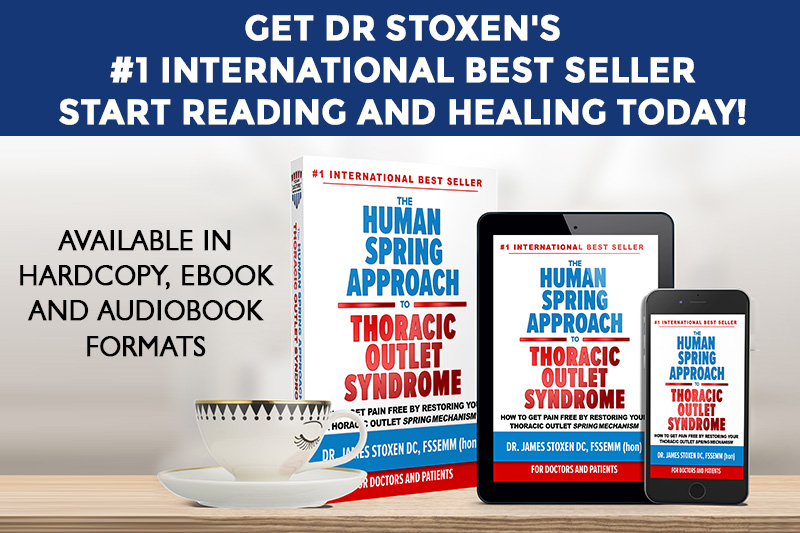
You can read about the Human Spring Approach to Thoracic Outlet Syndrome by Dr James Stoxen available on Amazon
Also take our online course on TOS here
Team Doctors Resources
✓ Check out the Team Doctors Recovery Tools
The Vibeassage Sport and the Vibeassage Pro featuring the TDX3 soft-as-the-hand Biomimetic Applicator Pad
https://www.teamdoctors.com/
✓ Get Dr. Stoxen’s #1 International Bestselling Books
Learn how to understand, examine, and reverse your TOS—without surgery.
https://drstoxen.com/1-international-best-selling-author/
✓ Check out Team Doctors Online Courses
Step-by-step video lessons, demonstrations, and self-treatment strategies.
https://teamdoctorsacademy.com/
✓ Schedule a Free Phone Consultation With Dr. Stoxen
Speak directly with him so he can review your case and guide you on your next steps.
https://drstoxen.com/appointment/
#ThoracicOutletSyndrome #ChronicPain #PainRelief #HealthTips #BodyHealing #Rehab #Movement #Wellness #HealthEducation #PainScience #InjuryRecovery #PhysicalTherapy #HolisticHealth #Posture #NervousSystem

Dr James Stoxen DC., FSSEMM (hon) He is the president of Team Doctors®, Treatment and Training Center Chicago, one of the most recognized treatment centers in the world.
Dr Stoxen is a #1 International Bestselling Author of the book, The Human Spring Approach to Thoracic Outlet Syndrome. He has lectured at more than 20 medical conferences on his Human Spring Approach to Thoracic Outlet Syndrome and asked to publish his research on this approach to treating thoracic outlet syndrome in over 30 peer review medical journals.
He has been asked to submit his other research on the human spring approach to treatment, training and prevention in over 150 peer review medical journals. He serves as the Editor-in-Chief, Journal of Orthopedic Science and Research, Executive Editor or the Journal of Trauma and Acute Care, Chief Editor, Advances in Orthopedics and Sports Medicine Journal and editorial board for over 35 peer review medical journals.
He is a much sought-after speaker. He has given over 1000 live presentations and lectured at over 70 medical conferences to over 50,000 doctors in more than 20 countries. He has been invited to speak at over 300 medical conferences which includes invitations as the keynote speaker at over 50 medical conferences.
After his groundbreaking lecture on the Integrated Spring-Mass Model at the World Congress of Sports and Exercise Medicine he was presented with an Honorary Fellowship Award by a member of the royal family, the Sultan of Pahang, for his distinguished research and contributions to the advancement of Sports and Exercise Medicine on an International level. He was inducted into the National Fitness Hall of Fame in 2008 and the Personal Trainers Hall of Fame in 2012.
Dr Stoxen has a big reputation in the entertainment industry working as a doctor for over 150 tours of elite entertainers, caring for over 1000 top celebrity entertainers and their handlers. Anthony Field or the popular children’s entertainment group, The Wiggles, wrote a book, How I Got My Wiggle Back detailing his struggles with chronic pain and clinical depression he struggled with for years. Dr Stoxen is proud to be able to assist him.
Full Bio) Dr Stoxen can be reached directly at teamdoctors@aol.com