Why Arm-Raised Venograms Are Often Misinterpreted in Thoracic Outlet Syndrome
In my clinical experience, one of the most misunderstood aspects of evaluating Thoracic Outlet Syndrome is the interpretation of arm-raised venogram findings. Many individuals are told that a temporary blockage seen only when the arm is elevated proves the need for first rib resection or scalenectomy. However, the biomechanics of the thoracic outlet tell a very different story.
A venogram is designed to evaluate venous flow under different conditions. When properly interpreted, it compares blood flow with the arm in a neutral position and with the arm elevated. The distinction between these two positions is critical. When contrast flow is normal with the arm down, the venous system is structurally patent.
Problems arise when findings from the arm-raised position are treated as definitive proof of pathology. During overhead elevation, the shoulder girdle undergoes significant biomechanical changes. Muscles shorten, joints rotate, and soft tissues shift. These changes alone can temporarily narrow venous pathways without indicating permanent obstruction.
One of the most common contributors to this phenomenon is arm-raised venogram positioning itself. When the arm is lifted, the pectoralis minor often shortens or enters protective guarding. This muscle lies directly over the subclavian vein. Increased tension can compress the vein transiently, slowing or stopping contrast flow under forced conditions.
This is known as positional compression. It is fundamentally different from structural obstruction. In positional compression, the vein collapses only when provoked. When the arm returns to neutral, blood flow resumes normally. This pattern does not implicate the first rib as the cause.
True venous TOS requires evidence of venous obstruction in a resting, neutral posture. If contrast flows freely with the arms down, the thoracic outlet is not anatomically blocked by bone. Instead, the restriction is dynamic and soft-tissue driven.
Despite this distinction, patients are frequently told that an “elevated first rib” is responsible for the venographic finding. Anatomically, this explanation does not align with where contrast flow interruption is seen during an arm-up study. The first rib does not occupy the region where the dye halts in these cases.
Removing a rib does not address shoulder outlet compression caused by muscle shortening, fascial tension, or neuromuscular guarding. This is why many individuals undergo surgery and continue to experience symptoms afterward. The source of compression was never skeletal to begin with.
Another commonly overlooked issue is the creation of a false-positive blockage. When the test itself provokes muscle guarding, it can generate abnormal findings that disappear immediately when the arm is lowered. Treating this provoked response as disease leads to misdiagnosis.
Arm-raised venograms must be interpreted as functional tests, not absolute proof of pathology. Their purpose is to identify how movement affects venous flow, not to justify irreversible procedures in isolation. When neutral flow is normal, the finding points toward biomechanical contributors rather than surgical pathology.
An additional concern rarely discussed with patients is the risk associated with contrast exposure. Contrast dye risks are not negligible. Iodinated contrast can lead to allergic reactions, thyroid dysfunction, and contrast-induced kidney injury. Gadolinium-based agents introduce concerns about tissue retention and, in rare cases, nephrogenic systemic fibrosis.
When a venogram is ordered solely based on arm-position symptoms, these risks may not be justified. Diagnostic testing should always be weighed against potential harm, especially when results are likely to reflect positional behavior rather than disease.
A properly interpreted venogram showing normal neutral flow indicates positional compression rather than fixed obstruction. This distinction changes everything. It redirects evaluation toward posture, muscle tone, scapular mechanics, and breathing patterns instead of surgical anatomy.
In my clinical observations, patients often describe years of unnecessary testing, anxiety, and pressure to consent to surgery based on arm-up venogram findings alone. These experiences frequently end in persistent symptoms because the underlying issue was never addressed.
Understanding thoracic outlet biomechanics empowers patients to ask informed questions. Why is the vein open with the arms down? Which soft tissues are compressing it when the arm is raised? Are shoulder mechanics contributing? These questions matter more than the presence of transient dye stoppage.
Venograms should prompt deeper investigation, not immediate surgical recommendations. When neutral flow is intact, non-surgical strategies focused on reducing muscle guarding, restoring shoulder mechanics, and normalizing movement often resolve symptoms.
Education changes outcomes. When patients understand what an arm-raised venogram truly demonstrates, they can distinguish between dynamic compression and structural disease. That knowledge prevents unnecessary procedures and guides care toward what the test actually reveals.
Misinterpretation leads to surgery that cannot fix soft-tissue dysfunction. Accurate interpretation leads to care aligned with anatomy and physiology. The difference is life-altering.
Team Doctors Resources
✓ Check out the Team Doctors Recovery Tools
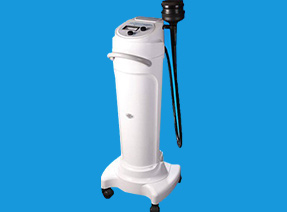
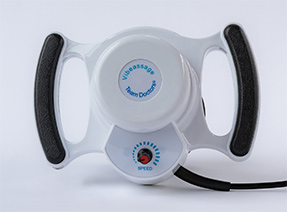
The Vibeassage® Sport and the Vibeassage® Pro featuring the TDX3 soft-as-the-hand Biomimetic Applicator Pad
https://www.teamdoctors.com/
✓ Get Dr. Stoxen’s #1 International Bestselling Books
Learn how to understand, examine, and reverse your TOS—without surgery.
https://drstoxen.com/1-international-best-selling-author/
✓ Check out Team Doctors Online Courses
Step-by-step video lessons, demonstrations, and self-treatment strategies.
https://teamdoctorsacademy.com/
✓ Schedule a Free Phone Consultation With Dr. Stoxen
Speak directly with him so he can review your case and guide you on your next steps.
https://drstoxen.com/appointment/
#ThoracicOutletSyndrome #ArmRaisedVenogram #VenousTOS #PositionalCompression #PectoralisMinor #SubclavianVein #Misdiagnosis #FalsePositive #TOSSurgery #FirstRibResection #Scalenectomy #Biomechanics #DiagnosticErrors #PatientEducation #HealthcareAwareness #NonSurgicalCare #TeamDoctors #DrStoxen #VascularCompression #TOSAwareness
References
- Illig, K. A., et al. “Thoracic Outlet Syndrome.” Journal of Vascular Surgery, 2010.
- Sanders, R. J., and Hammond, S. L. “Thoracic Outlet Syndrome: A Review.” Neurologic Clinics, 2009.
- Urschel, H. C., and Razzuk, M. A. “Paget-Schroetter Syndrome.” Annals of Thoracic Surgery, 2000.
- Prince, M. R., et al. “Nephrogenic Systemic Fibrosis and Gadolinium-Based Contrast Agents.” Radiology, 2009.

Dr James Stoxen DC., FSSEMM (hon) He is the president of Team Doctors®, Treatment and Training Center Chicago, one of the most recognized treatment centers in the world.
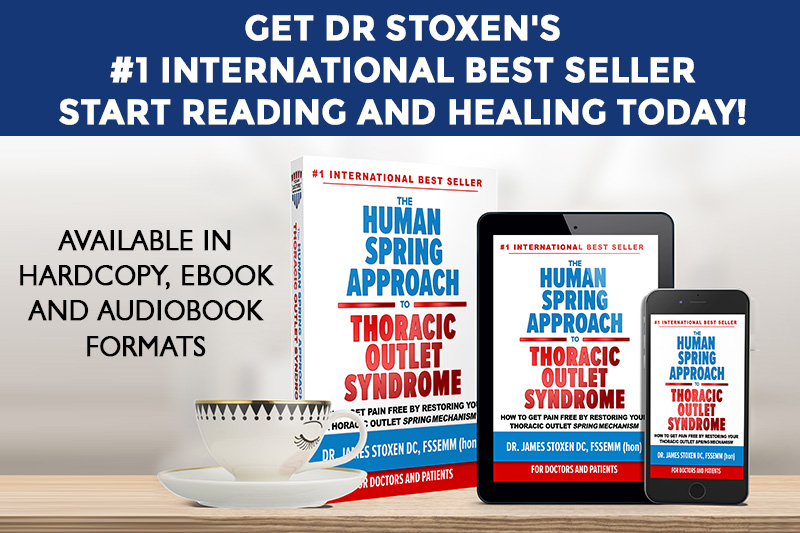
Dr Stoxen is a #1 International Bestselling Author of the book, The Human Spring Approach to Thoracic Outlet Syndrome. He has lectured at more than 20 medical conferences on his Human Spring Approach to Thoracic Outlet Syndrome and asked to publish his research on this approach to treating thoracic outlet syndrome in over 30 peer review medical journals.
He has been asked to submit his other research on the human spring approach to treatment, training and prevention in over 150 peer review medical journals. He serves as the Editor-in-Chief, Journal of Orthopedic Science and Research, Executive Editor or the Journal of Trauma and Acute Care, Chief Editor, Advances in Orthopedics and Sports Medicine Journal and editorial board for over 35 peer review medical journals.
He is a much sought-after speaker. He has given over 1000 live presentations and lectured at over 70 medical conferences to over 50,000 doctors in more than 20 countries. He has been invited to speak at over 300 medical conferences which includes invitations as the keynote speaker at over 50 medical conferences.
After his groundbreaking lecture on the Integrated Spring-Mass Model at the World Congress of Sports and Exercise Medicine he was presented with an Honorary Fellowship Award by a member of the royal family, the Sultan of Pahang, for his distinguished research and contributions to the advancement of Sports and Exercise Medicine on an International level. He was inducted into the National Fitness Hall of Fame in 2008 and the Personal Trainers Hall of Fame in 2012.
Dr Stoxen has a big reputation in the entertainment industry working as a doctor for over 150 tours of elite entertainers, caring for over 1000 top celebrity entertainers and their handlers. Anthony Field or the popular children’s entertainment group, The Wiggles, wrote a book, How I Got My Wiggle Back detailing his struggles with chronic pain and clinical depression he struggled with for years. Dr Stoxen is proud to be able to assist him.
Full Bio) Dr Stoxen can be reached directly at teamdoctors@aol.com