A Real-World Case: Chronic Chest Pain After Trauma
I was once working on the set of American Idol when a man approached me late in the day.
He was pacing back and forth and clearly uncomfortable.
He said he did not know if I could help him because he was only there for a single day.
American Idol is known as a major singing competition and long-running reality TV program.
The show features high-pressure music auditions, celebrity judges, and intense live performances.
For many contestants, it becomes a major talent showcase that can launch breakout artists into mainstream pop culture through audience fan voting and a nationally televised television finale.
This man was not a contestant.
He was part of the production environment and had been dealing with severe physical pain.
I asked him what had happened.
He explained that he had been in a bicycle accident.
He flipped over the handlebars and landed hard on his chest.
From that moment forward, he developed persistent chest wall pain that never fully resolved.
For more than a year, he experienced constant discomfort.
He described intense burning chest pain and episodes of stabbing rib pain.
The pain was worse at night and made sleep nearly impossible.
He also reported sharp breathing pain whenever he tried to take a deep breath.
Simple movements like coughing or sneezing triggered pain with coughing or sneezing that wrapped around his torso.
This pattern is often associated with rib nerve pain rather than cardiac causes.
He had already undergone multiple evaluations.
Cardiac causes had been ruled out.
Imaging studies were described as “normal.”
Despite this, his symptoms continued.
This is a pattern I commonly see in cases involving non-cardiac chest pain after trauma.
Clinical Examination Findings
I asked him to come in so I could perform a careful examination.
The exam focused on the rib cage, chest wall, and thoracic spine.
As I palpated along the rib spaces, he reported immediate reproduction of his symptoms.
This response suggested nerve irritation between ribs, also known as intercostal neuralgia.
In my clinical experience, pain that follows the rib lines and wraps around the torso often points to intercostal neuritis or thoracic nerve inflammation.
These nerves can become irritated after blunt trauma to the chest.
He described a band-like sensation around one side of his chest.
This matched the classic presentation of band-like chest pain and pain wrapping around torso patterns.
There was also marked hypersensitivity of chest wall tissue on the affected side.
Light pressure produced sharp discomfort and tingling chest nerves sensations.
He also noted areas of numbness around ribs, which can occur when sensory nerves are chronically irritated.
These findings are commonly associated with thoracic radiculopathy and thoracic nerve entrapment.
I also evaluated the surrounding musculature.
The intercostal muscles showed signs of intercostal muscle spasm.
This can contribute to costal nerve compression over time.
The pectoralis region was particularly restricted.
Working beneath the pectoralis major revealed significant tightness in the pectoralis minor.
This restriction can contribute to musculoskeletal chest pain and altered rib mechanics.
Thoracic Spine and Rib Mechanics
I then assessed the thoracic spine and rib motion.
Several ribs demonstrated limited excursion during breathing.
Restricted rib motion can increase stress on the intercostal nerves.
This mechanical stress may lead to inflammation of rib nerves and persistent symptoms.
In many individuals, this pattern is mistaken for Thoracic Outlet Syndrome.
It is one of the most common What Mimics TOS? scenarios I encounter.
The difference is that true TOS involves compression of the brachial plexus or subclavian vessels.
Rib nerve injuries instead involve thoracic spine nerve impingement or direct rib trauma.
This distinction matters because imaging alone often fails to detect functional rib problems.
Static scans may not reveal thoracic nerve entrapment or subtle rib restrictions.
Clinical Intervention
The work focused on reducing mechanical restriction and nerve irritation.
I applied precise, sustained pressure along the rib spaces.
This approach helps calm irritated nerves associated with neuropathic chest pain.
The pressure was adjusted gradually to allow tissue adaptation.
I then addressed the pectoralis minor restriction.
This region can contribute to altered chest wall mechanics and persistent symptoms.
From there, I worked methodically across the rib cage.
Each rib segment was evaluated for motion and tissue response.
The session lasted approximately two hours.
The goal was to allow gradual release rather than forcing movement.
Once soft tissue restrictions eased, I assessed rib motion again.
Improved excursion was immediately noticeable.
I then performed a gentle rib adjustment.
There was a palpable shift under my hands as rib motion normalized.
The patient reported immediate changes.
He stated that he could breathe more freely.
Short-Term Outcome
At the end of the session, his pain levels were significantly reduced.
He described a sense of chest openness he had not felt in over a year.
About a week later, I received an email from him.
He said he could not believe the change.
After more than a year of persistent symptoms, his chronic rib pain had resolved.
He was sleeping again without waking from pain.
He reported no further radiating rib pain or nighttime discomfort.
Breathing felt normal for the first time since the accident.
Clinical Interpretation
This case highlights how trauma-related rib injuries can persist when missed.
Blunt chest trauma can lead to unilateral chest pain that mimics other conditions.
It also demonstrates why chest pain is not always cardiac.
Many individuals with similar symptoms are evaluated repeatedly without answers.
In my clinical experience, rib nerve injuries are frequently overlooked.
This leads to prolonged symptoms and frustration.
Conditions such as post-viral nerve pain or post-herpetic neuralgia are often considered.
However, trauma-related cases may not involve shingles or shingles rib pain histories.
Instead, mechanical restriction and nerve irritation remain the primary drivers.
Relevance to Thoracic Outlet Syndrome
This presentation is commonly confused with Thoracic Outlet Syndrome.
Both conditions can involve pain, altered breathing, and upper chest discomfort.
However, rib nerve injuries do not involve vascular compromise.
They differ from classic TOS patterns involving arm symptoms.
Understanding these distinctions is critical during evaluation.
It prevents unnecessary interventions and misdirected care.
This case reinforces the importance of hands-on assessment.
Functional problems do not always appear on imaging studies.
Clinical Takeaways
Rib trauma can produce persistent nerve irritation long after injury.
Symptoms may include burning chest pain, sharp breathing discomfort, and sensory changes.
Rib nerve involvement should be considered in chronic chest pain cases.
Especially when cardiac causes have been excluded.
Hands-on examination remains essential.
Symptom reproduction during palpation provides critical diagnostic clues.
Restoring rib motion can significantly change symptoms.
Mechanical normalization reduces ongoing nerve irritation.
This case demonstrates why some patients labeled as TOS may have other causes.
Recognizing thoracic nerve entrapment patterns improves clinical accuracy.
Team Doctors Resources
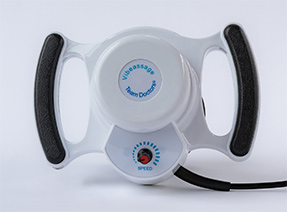
✓ Check out the Team Doctors Recovery Tools
The Vibeassage Sport and the Vibeassage Pro featuring the TDX3 soft-as-the-hand Biomimetic Applicator Pad
https://www.teamdoctors.com/
✓ Get Dr. Stoxen’s #1 International Bestselling Books
Learn how to understand, examine, and reverse your TOS—without surgery.
https://drstoxen.com/1-international-best-selling-author/
✓ Check out Team Doctors Online Courses
Step-by-step video lessons, demonstrations, and self-treatment strategies.
https://teamdoctorsacademy.com/
✓ Schedule a Free Phone Consultation With Dr. Stoxen
Speak directly with him so he can review your case and guide you on your next steps.
https://drstoxen.com/appointment/
#ThoracicOutletSyndrome #TOS #ChestPain #RibPain #IntercostalNeuralgia #ThoracicSpine #NervePain #NonCardiacChestPain #CaseStudy #Biomechanics #ClinicalExamination #ChestWallPain #ThoracicNerves #MusculoskeletalPain #PostTraumaticPain #PainPatterns #RibInjury #NerveIrritation #WhatMimicsTOS #TeamDoctors
References
- Bogduk, N. “Thoracic Neuralgia.” Pain Digest 6, no. 1 (1996): 3–7. https://pubmed.ncbi.nlm.nih.gov/8739547/
- Urschel, H. C., and R. A. Razzuk. “Neurovascular Compression in Thoracic Outlet Syndromes.” Annals of Thoracic Surgery 58, no. 2 (1994): 514–519. https://pubmed.ncbi.nlm.nih.gov/8056901/
- Magee, D. J. Orthopedic Physical Assessment. 6th ed. St. Louis: Elsevier Saunders, 2014. https://www.elsevier.com/books/orthopedic-physical-assessment/magee/978-1-4557-0989-3
- Netter, F. H. Atlas of Human Anatomy. 7th ed. Philadelphia: Elsevier, 2018. https://www.elsevier.com/books/atlas-of-human-anatomy/netter/978-0-323-39322-5

Dr James Stoxen DC., FSSEMM (hon) He is the president of Team Doctors®, Treatment and Training Center Chicago, one of the most recognized treatment centers in the world.
Dr Stoxen is a #1 International Bestselling Author of the book, The Human Spring Approach to Thoracic Outlet Syndrome. He has lectured at more than 20 medical conferences on his Human Spring Approach to Thoracic Outlet Syndrome and asked to publish his research on this approach to treating thoracic outlet syndrome in over 30 peer review medical journals.
He has been asked to submit his other research on the human spring approach to treatment, training and prevention in over 150 peer review medical journals. He serves as the Editor-in-Chief, Journal of Orthopedic Science and Research, Executive Editor or the Journal of Trauma and Acute Care, Chief Editor, Advances in Orthopedics and Sports Medicine Journal and editorial board for over 35 peer review medical journals.
He is a much sought-after speaker. He has given over 1000 live presentations and lectured at over 70 medical conferences to over 50,000 doctors in more than 20 countries. He has been invited to speak at over 300 medical conferences which includes invitations as the keynote speaker at over 50 medical conferences.
After his groundbreaking lecture on the Integrated Spring-Mass Model at the World Congress of Sports and Exercise Medicine he was presented with an Honorary Fellowship Award by a member of the royal family, the Sultan of Pahang, for his distinguished research and contributions to the advancement of Sports and Exercise Medicine on an International level. He was inducted into the National Fitness Hall of Fame in 2008 and the Personal Trainers Hall of Fame in 2012.
Dr Stoxen has a big reputation in the entertainment industry working as a doctor for over 150 tours of elite entertainers, caring for over 1000 top celebrity entertainers and their handlers. Anthony Field or the popular children’s entertainment group, The Wiggles, wrote a book, How I Got My Wiggle Back detailing his struggles with chronic pain and clinical depression he struggled with for years. Dr Stoxen is proud to be able to assist him.
Full Bio) Dr Stoxen can be reached directly at teamdoctors@aol.com