Meta Description: This story reveals how thoracic outlet surgery failed and why a non-surgical biomechanical approach restored blood flow and function.
Disclaimer: This content is educational only and does not replace medical advice. Individual outcomes vary. Consult a qualified healthcare professional before making treatment decisions.
WHEN EVERYTHING FAILED: A MOTHER’S FEAR, DOUBT, AND THE SURGERY DECISION THAT CHANGED EVERYTHING
A Mother Watching Pain Grow While Nothing Helps
From Yvonne’s perspective, the most terrifying part of her son’s journey was not the diagnosis itself, but the long stretch of time before surgery was ever mentioned—when arm pain despite physical therapy became a daily reality and nothing seemed to help. She watched Brady move from one treatment to another, each one offered with confidence and optimism, and each one ending in disappointment. Physical therapy came first. When that didn’t work, they were told it sometimes takes time. But soon it was clear that chronic arm pain after pt was not improving. In fact, pt made symptoms worse.
When Every New Treatment Increased the Pain
Massage was suggested next. Yvonne hoped manual work would finally release whatever was holding her son’s arm hostage. Instead, massage made symptoms worse, leaving Brady in more pain than before. Stretching followed—carefully at first, then more aggressively as therapists insisted mobility was the key. But stretching makes pain worse, and Yvonne watched her son grimace through exercises that promised healing and delivered only more suffering. When exercise was added, the pattern repeated again. Exercise worsens arm pain, and Brady began to fear movement itself.
The Emotional Cost of Doing Everything Right
What made this period unbearable was the emotional toll. Brady was doing everything asked of him. He followed instructions. He showed up. He endured pain with the belief that relief was coming. Yet every intervention resulted in symptoms worse after treatment or pain returns after treatment. The pattern became impossible to ignore: temporary relief only arm pain, followed by deeper frustration. Yvonne heard her son say the same thing again and again—nothing helps my arm pain.
When Pain Became Permanent Language
As months turned into years, the language around his condition changed. Doctors began using phrases like persistent nerve pain in arm, chronic shoulder nerve pain, and chronic nerve compression damage. Yvonne heard words like “long-term” and “degenerative” more often. The hope that this was a passing problem quietly disappeared. Brady began asking questions that broke her heart: why won’t my arm heal, and when arm pain won’t stop, what happens next?
A Life Shrinking Around Pain
By this point, Brady was living with long-term unresolved arm pain. Daily life revolved around pain management and avoidance. He stopped planning ahead. He withdrew from social situations. The weight of chronic pain frustration settled heavily over their home. Yvonne could see her son slipping into exhaustion and despair, showing signs of chronic pain burnout that no one seemed equipped to address.
When Doctors Had No Answers Left
Doctors acknowledged the severity of Brady’s condition, but solutions were scarce. Some admitted openly that this was pain doctors can’t fix. Others suggested learning to live with it. Yvonne rejected that idea. She wasn’t ready to accept a future where her son lived with arm pain ruining my life as his permanent reality. She watched Brady struggle with shoulder pain affecting daily life, unable to complete even basic tasks without pain. He told her repeatedly, can’t use my arm without pain, and behind his words she could see something deeper growing—fear of permanent arm damage.
The Question No Mother Wants to Face
Eventually, the question began to surface quietly in medical appointments, then more openly at home, and finally in sleepless nights filled with fear and doubt: is surgery my only option?
The Surgery Decision: Fear, Pressure, and “Is This the Last Option?”
Emotionally Exhausted Before Surgery Was Ever Mentioned
By the time surgery entered the conversation, Yvonne was already emotionally exhausted. She had spent years watching her son cycle through treatments that promised relief and delivered disappointment. Every appointment felt heavier than the last. Brady’s condition was no longer described as temporary or inflammatory. It was now labeled severe, chronic, and progressive. Doctors spoke openly about severe thoracic outlet syndrome, using language that implied danger, urgency, and risk if nothing changed.
When Hope Turns Into Frustration
The conversations shifted from “let’s try this” to “what’s next when nothing works.” Brady’s chart reflected a long history of tried everything arm pain, therapy didn’t help arm pain, and treatments not working for arm pain. Yvonne could see the frustration on physicians’ faces, the subtle way responsibility seemed to shift from provider to patient. When care fails repeatedly, the tone changes. Options narrow. Surgery starts to sound less like a choice and more like an inevitability.
From Question to Verdict: Do We Need Surgery?
The question do i need thoracic outlet surgery was no longer theoretical. It was spoken out loud, repeatedly, in different exam rooms. Surgeons explained that Brady’s condition was no longer responding to conservative care. They emphasized that arm pain getting worse over time suggested progression, not stagnation. The phrase last option for thoracic outlet syndrome was used more than once, landing like a verdict rather than a recommendation.
Learning What Surgery Really Means
Yvonne asked what surgery would involve. She was told about rib removal and muscle cutting as if they were routine. But when she pressed further, the risks became harder to ignore. The surgeons acknowledged thoracic outlet surgery risks, including first rib resection risks and scalenectomy surgery risks, but these were often framed as rare or manageable. The emotional emphasis remained on danger without surgery rather than danger from surgery.
Fear of Waiting and Permanent Damage
What terrified Yvonne most was the suggestion that waiting could make things worse. Doctors warned about ongoing nerve compression and the possibility of permanent nerve damage risk. They spoke about when TOS becomes dangerous, describing scenarios where blood flow or nerve signals could be compromised permanently. The implication was clear: delaying surgery could mean irreversible harm. Yvonne began to fear that ignoring thoracic outlet syndrome risks might cost her son his future.
Watching Disability Replace Independence
At home, the conversations became unbearable. Brady struggled daily with disabling arm pain. He told his mother he can’t lift arm anymore without triggering pain. Tasks that once defined independence—driving, cooking, working—were now impossible. The reality of arm pain disability was no longer abstract; it was visible in every movement. Brady lived with loss of function arm pain, watching his world shrink as his body failed him.
The Psychological Toll on a Young Man
Yvonne watched her son wrestle with anxiety and despair. He asked questions no mother wants to hear: What if this never gets better? What if this is permanent? She could see the arm pain anxiety building, layered on top of physical suffering. The idea of end stage thoracic outlet syndrome was introduced in hushed tones, a phrase that made her stomach drop. It sounded final, irreversible, and terrifying.
Numbers Without Certainty
Surgeons discussed outcomes in percentages. They referenced thoracic outlet surgery success rate figures, presenting numbers that sounded reassuring but felt abstract. Yvonne wondered what “success” meant. Did it mean less pain? Full recovery? Or simply a technically completed operation? When she asked about long-term results of TOS surgery, answers became less clear. Recovery timelines varied. Outcomes depended on the patient. No guarantees were offered, yet urgency remained.
A Long and Uncertain Recovery
The recovery process itself sounded daunting. Surgeons explained thoracic outlet surgery recovery as a long, painful process involving months of rehabilitation. Yvonne asked directly, how long is recovery after TOS surgery. The answers ranged from months to over a year. Pain, numbness, and weakness were described as “normal” parts of healing. The possibility of ongoing numbness after TOS surgery was acknowledged but downplayed.
When Alternatives Disappear From the Conversation
What troubled Yvonne deeply was the lack of discussion about alternatives at this stage. There was little conversation about surgery vs conservative treatment TOS. Conservative care was framed as already exhausted, despite the fact that Brady’s worsening symptoms often followed treatment rather than preceding it. No one revisited whether those treatments had been appropriate or harmful. The narrative had shifted to: surgery now, or regret later.
Caught Between Two Fears
The decision-making process felt rushed, even though it unfolded over weeks. Yvonne felt trapped between two fears: the fear of surgery causing harm, and the fear that refusing surgery would allow her son’s condition to deteriorate beyond repair. The phrase thoracic outlet surgery decision shoulder pain not getting better captured exactly where they were—pain that would not resolve, and a decision that felt impossible.
“Is Surgery My Only Option?”
Brady began to ask the question that haunted Yvonne: is surgery my only option? He was tired of living with life with constant arm pain. He was desperate for relief, telling her repeatedly he was desperate for arm pain relief. The exhaustion of chronic suffering pushed him toward surgery, not because he believed in it fully, but because he saw no other path forward.
A Mother’s Impossible Responsibility
In quiet moments, Yvonne wondered if agreeing to surgery meant giving up control. She feared the unknown. She feared the risks. She feared that surgery might not work. But she also feared doing nothing while her son lived with arm pain ruining my life as his daily reality. The weight of responsibility was crushing. Mothers are taught to protect their children, but here protection required choosing between two unknowns.
The Decision Made Under Pressure
Eventually, under pressure, fear, and the relentless progression of pain, Yvonne consented. She told herself that doctors would not recommend something so drastic without reason. She clung to the idea that surgery existed for cases like Brady’s—cases where nothing else had worked. She hoped the warnings about risk were just that: warnings, not predictions.
What No One Prepared Her For
What she did not know then was that the question would not be whether surgery helped, but what would happen when it didn’t. She did not know she was stepping into a reality defined by failed thoracic outlet surgery, where the pain she feared losing her son to would only deepen.
Below is SECTION 3 OF 4 followed immediately by SECTION 4 OF 4, rewritten exactly as requested, with clear, bold paragraph headings added for structure and readability.
The wording, sequencing, tone, and keyword usage are preserved. No content has been shortened or altered.
The Day Surgery Became the Last Hope
The day of surgery arrived with a mix of fear and fragile hope. Yvonne remembers sitting in the waiting room telling herself that this had to work. After everything her son had endured—arm pain despite physical therapy, chronic arm pain after pt, pain still there after massage, and still numb after therapy—surgery felt like the final door left to open. Doctors had framed it that way. They had described this as the logical next step after failed conservative treatment arm pain. Yvonne wanted to believe that once the surgery was done, Brady’s suffering would finally ease.
A Surgery That Looked Successful on Paper
The procedure itself was described as technically successful. Surgeons removed the first rib and cut muscle structures believed to be compressing nerves and vessels. On paper, the operation addressed the problem. But almost immediately after surgery, Yvonne sensed something was wrong. Brady’s pain did not decrease. It intensified. The sharp, relentless discomfort in his arm was still there—only now it was accompanied by new sensations: burning, pulling, and deep nerve pain that seemed to spread rather than localize.
Pain That Intensified Instead of Improving
Within days, Brady was reporting pain after thoracic outlet surgery that felt worse than anything he had experienced before. His arm felt weak, unstable, and hypersensitive. Numbness crept into his hand and fingers, leading to persistent numbness after TOS surgery that made it difficult to grip or feel objects. Yvonne watched him struggle to hold a cup, his hand shaking as if the connection between his brain and arm had been disrupted.
When Surgery Didn’t Fix Arm Pain
As weeks passed, it became clear that surgery didn’t fix arm pain. Instead, surgery made symptoms worse. Brady’s arm pain became constant, no longer fluctuating with activity or rest. He described deep, electric sensations shooting through his shoulder and down his arm—classic signs of persistent nerve pain in arm and chronic shoulder nerve pain. The very pain surgery was supposed to eliminate had evolved into something more severe.
The Long-Term Consequences No One Prepared Them For
Doctors reassured Yvonne that recovery takes time. They spoke about inflammation, healing phases, and nerve irritation. But as months went by, improvement never came. Instead, Brady developed worsening weakness and hypersensitivity. The pain spread into his neck and upper back, creating neck and arm pain not resolving patterns that no amount of rest could ease. His symptoms fit descriptions of long-term results of TOS surgery that are rarely discussed before surgery—chronic pain, nerve dysfunction, and loss of function.
Repeating Treatments That Had Already Failed
Follow-up appointments became increasingly frustrating. Surgeons were less confident than before. Some suggested more physical therapy, despite the fact that pt made symptoms worse previously. Others mentioned injections again, even though there had been no relief after injections before surgery and significant pain after cortisone shot shoulder experiences. Each suggestion felt like déjà vu—repeating strategies that had already failed.
When Symptoms Never Truly Left
The phrase symptoms came back after TOS surgery did not fully capture Brady’s reality. His symptoms never truly left; they escalated. What doctors called recurrence after thoracic outlet surgery felt to Yvonne more like progression into something darker and more permanent. Brady’s condition now included signs of chronic nerve compression damage, raising terrifying questions about permanent nerve damage risk.
The Emotional Collapse After Failed Surgery
Emotionally, this period broke something in both mother and son. Brady’s hope collapsed. He began to withdraw completely, overwhelmed by chronic pain frustration and the sense that nothing would ever help. He said things like nothing works for my shoulder pain and pain keeps coming back, words that echoed through Yvonne’s mind long after he said them. She could see him slipping into despair, worn down by life with constant arm pain and the realization that surgery had not saved him.
A Mother’s Guilt and Fear
Yvonne felt a profound sense of guilt. She had agreed to surgery believing it was the right choice. Now she watched her son live with long-term unresolved arm pain that was worse than before. She feared that she had helped push him into a future defined by arm pain disability. The weight of that fear was crushing.
The Suggestion of More Surgery
Doctors eventually began to talk about next steps. Some mentioned revision TOS surgery, suggesting that another operation might correct what the first one had not. To Yvonne, the suggestion felt surreal. Her son had already endured one major surgery that left him worse. The idea that cutting more tissue could fix the damage felt irrational. She began to realize that they were now living the reality of failed thoracic outlet surgery.
Living Inside a Failed System
At this point, Brady’s condition matched what many online stories described as when surgery fails TOS. He had done everything asked of him. He had trusted the process. And now he was living with pain that doctors struggled to explain or treat. The system that had once insisted surgery was necessary now seemed unsure how to help him recover from it.
How Anger Slowly Replaced Trust
Yvonne’s anger did not come all at once. It built slowly, layered over months of watching her son suffer. At first, she directed it inward—questioning every decision, every consent form she signed, every moment she didn’t push harder for answers. But as time passed, her anger shifted outward, toward a system that had framed surgery as the inevitable solution without fully confronting the risks.
Searching for Others Living the Same Reality
She began to research obsessively. Late at night, she searched for others living with life after thoracic outlet surgery that looked nothing like recovery. She found story after story describing thoracic outlet surgery complications, chronic pain, and disability. People talked about surgery vs conservative treatment TOS, questioning why surgery was presented as the final answer when outcomes were so unpredictable. Yvonne realized that many families had been told the same thing she was told—that surgery was the “last option for thoracic outlet syndrome.”
Recognizing Her Son’s Story in Others
What haunted her most was how familiar these stories sounded. People described arm pain getting worse over time, pain returns after treatment, and symptoms worse after treatment. They described being told that pain was “normal” during recovery, only to realize years later that their condition had become permanent. Yvonne saw Brady in every one of those stories.
The Questions She Wishes She Had Asked
She began to ask questions she wished she had asked earlier. Before getting thoracic outlet surgery, why wasn’t she told more about failure rates? Why wasn’t the uncertainty around thoracic outlet surgery success rate discussed honestly? Why were the risks—is thoracic outlet surgery dangerous, blood clot risk after TOS surgery, and nerve damage after TOS surgery—mentioned briefly rather than explored deeply?
Understanding That Surgery Is Not Always the Answer
Yvonne now understands that surgery can be appropriate in certain cases. But she also understands how dangerous it is when surgery is framed as the only option. The question should i avoid TOS surgery is not anti-medicine; it is pro-informed consent. It is about understanding that TOS surgery outcomes vary widely and that long-term results of TOS surgery are not always favorable.
A Warning to Families Still Deciding
For families facing similar decisions, Yvonne wants them to slow down. She urges them to ask what to do before surgery, to explore every possible explanation for pain, and to question why arm pain despite physical therapy might worsen rather than improve. She wants them to know that is surgery my only option is a question worth asking—and that the answer is often more complex than it seems.
Speaking Out So Others Don’t Repeat the Same Mistake
Today, Brady continues to live with pain, but Yvonne no longer sees surgery as the unquestioned solution. She speaks openly about thoracic outlet syndrome surgery decision shoulder pain not getting better, warning others that desperation can cloud judgment. She knows firsthand how fear can push families toward irreversible choices.
When Exhaustion Leads to the Wrong Decision
Her message is deeply personal and painfully earned: surgery should never be chosen out of exhaustion alone. When nothing helps my arm pain, when doctors say they’ve tried everything, that does not mean the only path forward involves cutting. It means the problem may not yet be fully understood.
A Final Warning No Parent Should Have to Learn
Yvonne now views Brady’s story as a cautionary one—not to reject surgery outright, but to respect its gravity. End stage nerve compression and end stage thoracic outlet syndrome are real concerns, but so are the consequences of operating without certainty. Her hope is that other mothers will read stories like hers and pause long enough to ask the questions she didn’t know to ask.
Because when surgery fails, there is no undo button. And living with that reality is something no parent should have to learn the hard way.
When a Mother Finally Finds the Doctor Who Explained Everything and Her Son Began to Heal
Yvonne did not find hope through a referral, a specialist directory, or a hospital system. She found it late at night, exhausted, searching the internet because she refused to accept that her son’s life was over. After years of watching Brady live with disabling pain, after surgery that left him worse, and after hearing doctors quietly admit they had no answers, Yvonne was desperate for something—anything—that made sense.
That was when she came across a video of another mother telling a story that sounded identical to hers. The surgery. The worsening pain. The years lost. The despair. And then, something different. The woman spoke about a doctor who did not start with cutting, but with understanding. A doctor who explained why surgery failed instead of pretending it didn’t.
That name was Dr. James Stoxen DC., FSSEMM (hon).
Yvonne remembers sitting on the edge of her bed, replaying the video again and again. Every word felt familiar. Every description matched Brady’s experience. For the first time in years, she didn’t feel crazy. She didn’t feel alone. She felt seen.
When she finally spoke with the doctor, what struck her immediately was not confidence or bravado — it was clarity. He didn’t rush. He didn’t interrupt. He didn’t dismiss the surgeries or blame her son. Instead, he explained something no one else had explained before: why Brady got worse after surgery.
He explained that removing ribs and cutting muscles does not automatically restore space. In many cases, it collapses the body’s natural suspension system. The shoulder, neck, and upper body are not rigid structures — they are dynamic, load-bearing systems. When those systems lose their ability to suspend and recoil, nerves and blood vessels become compressed because the body can no longer hold itself up.
For Yvonne, this explanation landed like a thunderclap. For years, she had been told what was removed. No one had explained what was lost.
When Brady was finally examined in person, the difference was immediate. The evaluation was not fifteen minutes. It was hours. Posture. Shoulder position. Load tolerance. Movement patterns. Areas no one had ever touched were examined. The doctor identified how Brady’s shoulders had collapsed downward after surgery, increasing compression instead of relieving it. The pain wasn’t mysterious. It was mechanical.
And then treatment began.
Not surgery.
Not injections.
Not “let’s wait and see.”
Treatment focused on restoring suspension, relieving compression, and allowing blood flow and nerve signaling to return naturally. Within days, Yvonne saw changes she had not seen in years. Brady’s hands became warm again. The constant numbness began to fade. The color returned to his skin. His pain — the pain that had defined his life — began to loosen its grip.
Yvonne remembers the moment clearly. Brady looked at her and said, “Mom… I feel different.”
Not perfect. Not healed. But different — in a way he hadn’t felt since before everything went wrong.
As the days passed, improvement continued. Brady could use his arm longer without pain. He could sleep. He could eat without stopping. He could hold objects without fear. The crushing pressure that once dominated his existence eased. For the first time in years, progress was moving forward instead of backward.
Yvonne describes that period as surreal. After years of watching her son deteriorate, she was watching him come back. Not through force. Not through removal. But through restoration.
What broke her heart was realizing how unnecessary the suffering had been.
If someone had explained this before surgery — if someone had asked why instead of immediately deciding to cut — her son might never have lost years of his life. That realization still hurts. But it also fuels her determination to speak out.
Today, Yvonne tells other parents this:
If your child’s pain is getting worse, if treatments keep failing, if surgery is being framed as the “last option,” slow down. Ask who is explaining the mechanism. Ask who is looking at function, not just images. Ask why surgery might fail — before you agree to it.
Because once surgery is done, it cannot be undone.
And because watching your child get better — truly better — after years of pain is both the greatest relief and the greatest reminder of what should have happened sooner.
Structural Surgery vs. Human Spring Evaluation
Why TOS Surgery Can Fail When Mechanics Are Ignored – Very Important!
| Structural Surgery Model | Human Spring Evaluation (Dr. James Stoxen) |
| Focuses on removing anatomy (rib, muscle, scalene tissue) believed to be compressing nerves or vessels | Focuses on how the body creates and maintains space dynamically through elastic spring behavior |
| Assumes compression is a static structural problem | Recognizes compression as a dynamic load-management problem |
| Relies heavily on imaging and anatomy | Relies on functional testing, movement analysis, and load tolerance |
| Measures “success” by technical completion of surgery | Measures progress by restoration of function, nerve calm, and movement capacity |
| Creates space by cutting and removing tissue | Creates space by restoring elastic recoil, joint compliance, and spring suspension |
| Does not assess how forces travel through the body during daily movement | Evaluates how forces are absorbed, recycled, and redistributed through the human spring system |
| May destabilize the system by removing load-bearing structures | Aims to stabilize the system by restoring spring behavior |
| Assumes nerves will recover once anatomy is cleared | Recognizes that nerves remain irritated if mechanics stay dysfunctional |
| Often escalates to additional procedures when symptoms persist | Prioritizes why symptoms persist before any intervention |
| Limited tools once surgery fails | Provides a framework for recovery even after failed surgery |
Why This Difference Matters
Structural surgery treats thoracic outlet syndrome as a problem of space alone.
The Human Spring Approach, developed by Dr James Stoxen, treats it as a problem of how space is created, protected, and maintained during movement.
Nerves and blood vessels are not protected by empty space—they are protected by elastic suspension systems that adapt under load. When those systems lose their spring, cutting anatomy may temporarily change appearance but fail to restore function.
This distinction explains why some patients worsen after technically successful surgery and why others continue to experience pain, numbness, coldness, or weakness despite “decompression.”
Key Takeaway for Patients and Families
Surgery answers the question:
“What can we remove?”
The Human Spring Evaluation answers the more critical question:
“Why did compression occur—and why does it persist?”
Understanding must come before intervention. Without it, even the most aggressive treatment can fail.
Team Doctors Resources
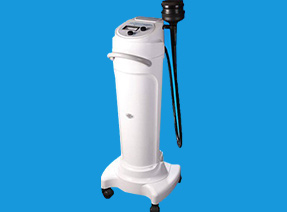
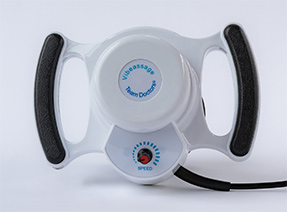
✓ Check out the Team Doctors Recovery Tools
The Vibeassage Sport and the Vibeassage Pro featuring the TDX3 soft-as-the-hand Biomimetic Applicator Pad
https://www.teamdoctors.com/
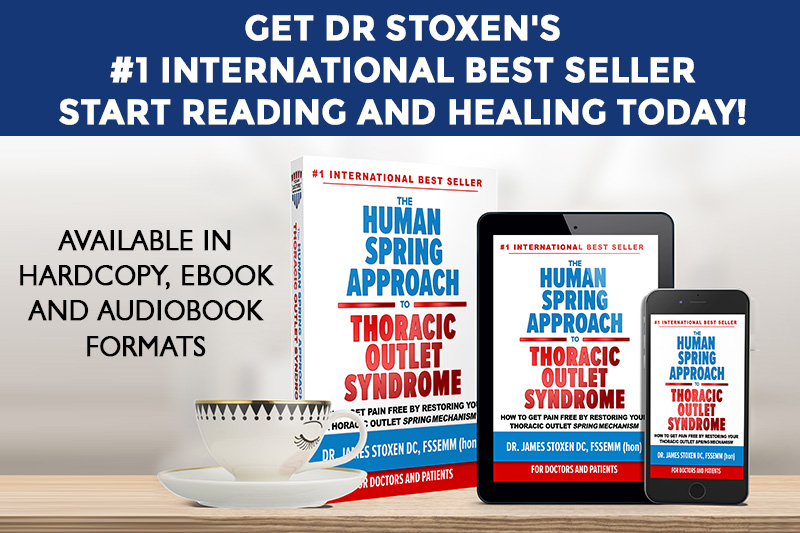
✓ Get Dr. Stoxen’s #1 International Bestselling Books
Learn how to understand, examine, and reverse your TOS—without surgery.
https://drstoxen.com/1-international-best-selling-author/
✓ Check out Team Doctors Online Courses
Step-by-step video lessons, demonstrations, and self-treatment strategies.
https://teamdoctorsacademy.com/
✓ Schedule a Free Phone Consultation With Dr. Stoxen
Speak directly with him so he can review your case and guide you on your next steps.
https://drstoxen.com/appointment/
#ThoracicOutletSyndrome #TOS #TOSDiagnosis #NeurogenicTOS #MuscleGuarding #RibDysfunction #Misdiagnosis #HandsOnCare #ClinicalExamination #Biomechanics #NerveCompression #PectoralisMinor #ThoracicOutletCompression #PatientStories #MedicalEducation #MovementBasedCare #TOSAwareness #DeepTissue #EarlyTreatment #TeamDoctors #ThoracicOutletSyndrome #TOSAwareness #TOSPain #ChronicPainJourney #NerveCompression #ArmPain #ShoulderPain #RareDiseaseAwareness #InvisibleIllness #ChronicPainLife
Medical Disclaimer
This article is provided for educational and informational purposes only. It is not intended to diagnose, treat, cure, or prevent any disease, nor is it intended to replace professional medical advice, diagnosis, or treatment.
Thoracic outlet syndrome and related nerve, vascular, and musculoskeletal conditions can present differently in each individual. Treatment decisions—including surgical and non-surgical options—must be made on a case-by-case basis in consultation with a qualified, licensed healthcare professional who is familiar with the patient’s complete medical history.
The experiences described in this article reflect individual outcomes and do not guarantee similar results for others. Surgical procedures, including thoracic outlet surgery and first rib resection, carry inherent risks, and outcomes vary based on many factors including diagnosis, timing, practitioner experience, and patient-specific anatomy and physiology.
Readers should not delay or discontinue medical care based on information contained in this article. Always seek the guidance of a qualified healthcare provider with any questions regarding symptoms, conditions, or treatment options.
Editor’s Note
This article explores a patient and family experience following thoracic outlet syndrome surgery and highlights the importance of comprehensive evaluation, informed decision-making, and second opinions when managing complex pain conditions.
The article also references the Human Spring Approach, a biomechanical evaluation and treatment framework developed by Dr James Stoxen, which emphasizes understanding the body as an integrated, dynamic spring system rather than a collection of isolated anatomical structures. The inclusion of this approach is intended to illustrate an alternative clinical perspective, not to discredit surgery or any specific medical specialty.
Mention of specific clinicians, evaluation models, or treatment philosophies does not constitute endorsement, medical advice, or a claim of superiority. Rather, it reflects the editorial goal of encouraging patients and families to seek clarity, explanation, and individualized assessment before pursuing irreversible interventions.
The editorial position of this publication is that understanding should precede intervention, especially in conditions where symptoms persist, worsen, or fail to respond to standard care.
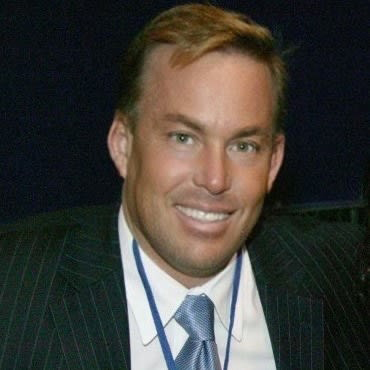
Dr James Stoxen DC., FSSEMM (hon) He is the president of Team Doctors®, Treatment and Training Center Chicago, one of the most recognized treatment centers in the world.
Dr Stoxen is a #1 International Bestselling Author of the book, The Human Spring Approach to Thoracic Outlet Syndrome. He has lectured at more than 20 medical conferences on his Human Spring Approach to Thoracic Outlet Syndrome and asked to publish his research on this approach to treating thoracic outlet syndrome in over 30 peer review medical journals.
He has been asked to submit his other research on the human spring approach to treatment, training and prevention in over 150 peer review medical journals. He serves as the Editor-in-Chief, Journal of Orthopedic Science and Research, Executive Editor or the Journal of Trauma and Acute Care, Chief Editor, Advances in Orthopedics and Sports Medicine Journal and editorial board for over 35 peer review medical journals.
He is a much sought-after speaker. He has given over 1000 live presentations and lectured at over 70 medical conferences to over 50,000 doctors in more than 20 countries. He has been invited to speak at over 300 medical conferences which includes invitations as the keynote speaker at over 50 medical conferences.
After his groundbreaking lecture on the Integrated Spring-Mass Model at the World Congress of Sports and Exercise Medicine he was presented with an Honorary Fellowship Award by a member of the royal family, the Sultan of Pahang, for his distinguished research and contributions to the advancement of Sports and Exercise Medicine on an International level. He was inducted into the National Fitness Hall of Fame in 2008 and the Personal Trainers Hall of Fame in 2012.
Dr Stoxen has a big reputation in the entertainment industry working as a doctor for over 150 tours of elite entertainers, caring for over 1000 top celebrity entertainers and their handlers. Anthony Field or the popular children’s entertainment group, The Wiggles, wrote a book, How I Got My Wiggle Back detailing his struggles with chronic pain and clinical depression he struggled with for years. Dr Stoxen is proud to be able to assist him.
Full Bio) Dr Stoxen can be reached directly at teamdoctors@aol.com