When the Hands Betray the Music: The First Signs of a Career in Danger
In September of 2018, during what should have been just another flawless performance, something subtle but terrifying happened. A professional pianist—someone whose entire identity, livelihood, and sense of purpose were built around precision—missed a passage he had played perfectly thousands of times before. It wasn’t stage fright. It wasn’t fatigue. It wasn’t lack of preparation. His right hand simply did not obey.
At first, it sounded like nothing more than a bad moment on stage. But to him, it felt like the beginning of something much darker.
He tried again. And again. The same wrong note. The same strange failure of control. The audience may not have noticed, but he did. Musicians always do. That night marked the beginning of a long descent into musician performance pain, confusion, and fear.
Within weeks, what began as a minor coordination issue turned into persistent neck and arm pain from playing instrument. Long practice sessions triggered pain while playing instrument. Rehearsals were no longer just tiring—they were threatening. Soon, pain during practice musicians became part of his daily reality.
He found himself thinking words no professional ever wants to think: pain stops me from playing.
The Body That Used to Obey
For years, his body had been a perfectly tuned machine. Now, it was becoming unpredictable. There were days when his hand felt weak, clumsy, untrustworthy. Other days, there was a burning, crawling discomfort moving from his neck into his shoulder and down his arm. The problem was no longer just musical—it was physical.
He was developing classic nerve pain musicians experience but rarely talk about. The sensation was not muscular soreness. It was deeper. Sharper. Stranger. At times, it felt like electricity moving through his arm. At others, like his hand was not fully connected to his brain.
Soon came arm numbness musicians notice with quiet panic. Then tingling fingers musicians feel late at night. Then hand numbness while playing, the most terrifying of all—because the hand is everything.
His grip began to weaken. He started dropping things. The keys felt less precise under his fingers. This was loss of grip strength musicians fear more than almost anything.
Every pianist knows about pianist hand pain, pianist wrist pain, and pianist forearm pain. Those are considered “normal” occupational hazards. But this was different. This wasn’t just discomfort. This felt like something breaking.
The Slow Arrival of Fear
The fear crept in quietly at first.
“What if this doesn’t go away?”
Then louder:
“What if this is a fear of career ending injury musician story?”
He started to notice how his posture had changed over the years. Long hours at the piano had reinforced poor posture musician pain patterns—forward head posture musicians, rounded shoulders musicians, and a subtly asymmetric posture musicians often develop without realizing it. His body had slowly adapted to an instrument posture injury pattern that no one ever taught him to correct.
His shoulders no longer sat evenly. There was obvious neck and shoulder imbalance musicians develop from years of one-sided dominance. Underneath that, he was beginning to feel something more ominous: deep spinal compression musicians never associate with hand symptoms—until it’s too late.
He was now living inside a perfect storm of musicians overuse injury, repetitive strain injury musicians, and classic overuse injury musicians patterns. Like many performers, he had ignored the early warning signs.
At first, doctors mentioned tendonitis musicians often get. Others suggested carpal tunnel musicians or cubital tunnel musicians. Someone even mentioned trigger finger musicians develop from overuse. Another therapist blamed forearm extensor pain musicians and tried to treat it like a simple forearm strain.
But nothing fit perfectly. And nothing worked.
When “Normal” Treatments Fail
He did what every responsible professional does. He sought help.
He went to chiropractors. Physical therapists. Soft tissue specialists. Everyone had a theory. Everyone had a technique. Stretching. Mobilization. Strengthening. Adjustments.
Nothing changed.
In fact, the musician pain was getting worse.
Soon, it was no longer just pain in musicians—it was musicians chronic pain. Then chronic pain musicians. Then specifically chronic arm pain musicians that would not let go.
He was now living the nightmare of a professional musician injury that refuses to heal.
The symptoms started to stack up:
- Pinched nerve from instrument posture
- Progressive nerve compression musicians patterns
- Signs that pointed toward thoracic outlet syndrome musicians, though no one could quite agree
- Constant performance-related pain musicians dread
- A deep sense of pain that won’t go away musicians fear
- The awful realization of musician pain not improving
- The despair of musician pain after physical therapy
- The rage of pain despite physical therapy musicians
- The helplessness of treatments not working musician pain
- The terror of musician pain getting worse
This was no longer an injury. This was a long-term musician injury story unfolding in real time.
The Identity Crisis
Musicians don’t just play music. They are music.
So when the body starts to fail, the crisis is not just physical—it is existential.
He began to ask the forbidden questions:
- Why musicians don’t heal from pain like normal people?
- Is there actually a musician pain treatment that works for this?
- Do I need a true musician injury specialist?
- Is there real musician pain therapy for this kind of problem?
- What is the best treatment for musician injury when nothing else is working?
- Is there such a thing as non-surgical musician pain relief?
- Could alternative therapy musician pain approaches help when mainstream care has failed?
Every practice session became a negotiation. Some days he could play. Some days he couldn’t. Some days his hand felt like it didn’t belong to him.
He started to fear that he was becoming one more story of musicians injury and musicians chronic pain quietly ending a career.
The Hidden Mechanical Problem
What no one had explained to him yet was this:
His problem was not in his hand.
It was in how his entire upper body was carrying load.
Years of nerve pain from instrument posture, shoulder elevation, forward head carriage, rib compression, and scapular collapse had slowly turned his neck, shoulder, and chest into a mechanical choke point.
The nerves that powered his hand were being irritated upstream.
But no one was looking there.
Everyone was treating pieces.
No one was evaluating the system.
The Night That Changed Everything
One evening, exhausted and discouraged, he and his family started searching beyond the usual medical advice. They were no longer looking for symptom relief. They were looking for understanding.
That’s when they found a series of lectures by a doctor in Chicago who was talking about something very different: thoracic outlet syndrome, compartment syndromes, and the body as a mechanical system—not just a collection of parts.
The doctor’s name was James Stoxen.
He spoke about how he had cured himself. About why surgery often fails. About why these problems are misunderstood.
For the first time in months, the pianist felt something unfamiliar:
Hope.
They decided to call him.
The First Conversation
The phone call was supposed to be a quick consultation.
It lasted for hours.
Within the first ten minutes, everything changed.
For the first time, someone was not just looking at his hand. Or his wrist. Or his forearm.
Someone was looking at the entire mechanical chain.
Someone was explaining why this pattern of musician pain, nerve compression musicians, and chronic arm pain musicians keeps happening—and why it doesn’t respond to traditional care.
By the end of the call, the decision was already made.
He had to go to Chicago.
He had to get evaluated properly.
Because this was no longer just about pain.
This was about saving a career.
When the Hands Betray the Music: The First Signs of a Career in Danger
In September of 2018, during what should have been just another flawless performance, something subtle but terrifying happened. A professional pianist—someone whose entire identity, livelihood, and sense of purpose were built around precision—missed a passage he had played perfectly thousands of times before. It wasn’t stage fright. It wasn’t fatigue. It wasn’t lack of preparation. His right hand simply did not obey.
At first, it sounded like nothing more than a bad moment on stage. But to him, it felt like the beginning of something much darker.
He tried again. And again. The same wrong note. The same strange failure of control. The audience may not have noticed, but he did. Musicians always do. That night marked the beginning of a long descent into musician performance pain, confusion, and fear.
Within weeks, what began as a minor coordination issue turned into persistent neck and arm pain from playing instrument. Long practice sessions triggered pain while playing instrument. Rehearsals were no longer just tiring—they were threatening. Soon, pain during practice musicians became part of his daily reality.
He found himself thinking words no professional ever wants to think: pain stops me from playing.
The Body That Used to Obey
For years, his body had been a perfectly tuned machine. Now, it was becoming unpredictable. There were days when his hand felt weak, clumsy, untrustworthy. Other days, there was a burning, crawling discomfort moving from his neck into his shoulder and down his arm. The problem was no longer just musical—it was physical.
He was developing classic nerve pain musicians experience but rarely talk about. The sensation was not muscular soreness. It was deeper. Sharper. Stranger. At times, it felt like electricity moving through his arm. At others, like his hand was not fully connected to his brain.
Soon came arm numbness musicians notice with quiet panic. Then tingling fingers musicians feel late at night. Then hand numbness while playing, the most terrifying of all—because the hand is everything.
His grip began to weaken. He started dropping things. The keys felt less precise under his fingers. This was loss of grip strength musicians fear more than almost anything.
Every pianist knows about pianist hand pain, pianist wrist pain, and pianist forearm pain. Those are considered “normal” occupational hazards. But this was different. This wasn’t just discomfort. This felt like something breaking.
The Slow Arrival of Fear
The fear crept in quietly at first.
“What if this doesn’t go away?”
Then louder:
“What if this is a fear of career ending injury musician story?”
He started to notice how his posture had changed over the years. Long hours at the piano had reinforced poor posture musician pain patterns—forward head posture musicians, rounded shoulders musicians, and a subtly asymmetric posture musicians often develop without realizing it. His body had slowly adapted to an instrument posture injury pattern that no one ever taught him to correct.
His shoulders no longer sat evenly. There was obvious neck and shoulder imbalance musicians develop from years of one-sided dominance. Underneath that, he was beginning to feel something more ominous: deep spinal compression musicians never associate with hand symptoms—until it’s too late.
He was now living inside a perfect storm of musicians overuse injury, repetitive strain injury musicians, and classic overuse injury musicians patterns. Like many performers, he had ignored the early warning signs.
At first, doctors mentioned tendonitis musicians often get. Others suggested carpal tunnel musicians or cubital tunnel musicians. Someone even mentioned trigger finger musicians develop from overuse. Another therapist blamed forearm extensor pain musicians and tried to treat it like a simple forearm strain.
But nothing fit perfectly. And nothing worked.
When “Normal” Treatments Fail
He did what every responsible professional does. He sought help.
He went to chiropractors. Physical therapists. Soft tissue specialists. Everyone had a theory. Everyone had a technique. Stretching. Mobilization. Strengthening. Adjustments.
Nothing changed.
In fact, the musician pain was getting worse.
Soon, it was no longer just pain in musicians—it was musicians chronic pain. Then chronic pain musicians. Then specifically chronic arm pain musicians that would not let go.
He was now living the nightmare of a professional musician injury that refuses to heal.
The symptoms started to stack up:
- Pinched nerve from instrument posture
- Progressive nerve compression musicians patterns
- Signs that pointed toward thoracic outlet syndrome musicians, though no one could quite agree
- Constant performance-related pain musicians dread
- A deep sense of pain that won’t go away musicians fear
- The awful realization of musician pain not improving
- The despair of musician pain after physical therapy
- The rage of pain despite physical therapy musicians
- The helplessness of treatments not working musician pain
- The terror of musician pain getting worse
This was no longer an injury. This was a long-term musician injury story unfolding in real time.
The Identity Crisis
Musicians don’t just play music. They are music.
So when the body starts to fail, the crisis is not just physical—it is existential.
He began to ask the forbidden questions:
- Why musicians don’t heal from pain like normal people?
- Is there actually a musician pain treatment that works for this?
- Do I need a true musician injury specialist?
- Is there real musician pain therapy for this kind of problem?
- What is the best treatment for musician injury when nothing else is working?
- Is there such a thing as non-surgical musician pain relief?
- Could alternative therapy musician pain approaches help when mainstream care has failed?
Every practice session became a negotiation. Some days he could play. Some days he couldn’t. Some days his hand felt like it didn’t belong to him.
He started to fear that he was becoming one more story of musicians injury and musicians chronic pain quietly ending a career.
The Hidden Mechanical Problem
What no one had explained to him yet was this:
His problem was not in his hand.
It was in how his entire upper body was carrying load.
Years of nerve pain from instrument posture, shoulder elevation, forward head carriage, rib compression, and scapular collapse had slowly turned his neck, shoulder, and chest into a mechanical choke point.
The nerves that powered his hand were being irritated upstream.
But no one was looking there.
Everyone was treating pieces.
No one was evaluating the system.
The Night That Changed Everything
One evening, exhausted and discouraged, he and his family started searching beyond the usual medical advice. They were no longer looking for symptom relief. They were looking for understanding.
That’s when they found a series of lectures by a doctor in Chicago who was talking about something very different: thoracic outlet syndrome, compartment syndromes, and the body as a mechanical system—not just a collection of parts.
The doctor’s name was James Stoxen.
He spoke about how he had cured himself. About why surgery often fails. About why these problems are misunderstood.
For the first time in months, the pianist felt something unfamiliar:
Hope.
They decided to call him.
The First Conversation
The phone call was supposed to be a quick consultation.
It lasted for hours.
Within the first ten minutes, everything changed.
For the first time, someone was not just looking at his hand. Or his wrist. Or his forearm.
Someone was looking at the entire mechanical chain.
Someone was explaining why this pattern of musician pain, nerve compression musicians, and chronic arm pain musicians keeps happening—and why it doesn’t respond to traditional care.
By the end of the call, the decision was already made.
He had to go to Chicago.
He had to get evaluated properly.
Because this was no longer just about pain.
This was about saving a career.
Excellent. Here is:
When Everything Fails: The Long Descent into Chronic Performance Injury
By the time he boarded the plane to Chicago, the pianist was no longer hoping for a simple solution. He was hoping for any explanation that made sense.
What had started as subtle pianist hand pain had evolved into a complex web of musician performance pain, chronic arm pain musicians, and relentless neurological symptoms that no one seemed able to untangle. Every week that passed reinforced the same terrifying conclusion: this was not getting better.
The Medical Maze
In the months following that first missed passage, he had done everything “right.” He sought help early. He followed instructions. He complied with every therapy plan. And yet, the pain while playing instrument only intensified.
Physical therapy became a ritual of disappointment. He was told to strengthen, stretch, stabilize. When it didn’t work, he was told to be patient. When patience failed, he was told it “sometimes just takes time.”
But this was not time healing anything. This was musician pain getting worse.
He lived inside the constant fear of pain that won’t go away musicians dread. Each new flare-up reinforced the sense of long-term musician injury becoming permanent.
The symptoms continued to expand:
- Persistent neck and arm pain from playing instrument
- Deep shoulder and upper chest tightness
- Increasing arm numbness musicians notice most at night
- Constant tingling fingers musicians feel when practicing
- Frequent hand numbness while playing
- Growing loss of grip strength musicians can’t ignore
- Sharp, burning nerve pain musicians recognize instantly
- That horrible crawling sensation of nerve pain from instrument posture
Every new doctor seemed to offer a new label: tendonitis musicians, carpal tunnel musicians, cubital tunnel musicians, even trigger finger musicians. One therapist focused on forearm extensor pain musicians. Another blamed the neck. Another blamed the shoulder.
None of them were wrong.
But none of them were right.
The Crushing Reality of Failed Care
This was now officially musician pain after physical therapy. Worse, it was pain despite physical therapy musicians. And the most demoralizing phrase of all had entered his vocabulary: treatments not working musician pain.
He began to dread appointments. Not because they hurt—but because they did nothing.
He was living the textbook story of musician pain not improving.
The more he practiced, the worse it became. The more he rested, the weaker he felt. The more he tried to “fix” his posture, the more unstable his shoulder and neck felt.
This wasn’t just musicians overuse injury anymore. This was something deeper.
He was now clearly in musicians chronic pain territory.
The System Nobody Was Looking At
What no one had evaluated was the entire mechanical chain.
Years of poor posture musician pain, forward head posture musicians, rounded shoulders musicians, and subtle asymmetric posture musicians had quietly reshaped how load traveled through his body.
His rib cage had collapsed forward.
His clavicle had dropped.
His shoulder girdle had lost its suspension.
The result?
A slow-burning, progressive spinal compression musicians and neck and shoulder imbalance musicians scenario that was now squeezing the life out of the nerves feeding his arm.
This was no longer just a pinched nerve from instrument problem.
This was full-system nerve compression musicians.
And hidden inside that pattern was something far more serious: thoracic outlet syndrome musicians—even though no one had formally named it yet.
The Silent Panic of Career Loss
Every musician knows what it means to lose a hand.
Not metaphorically.
Literally.
He started canceling performances. Then postponing. Then quietly avoiding commitments altogether. He was living inside the constant fear of career ending injury musician nightmare.
He tried to play through it. Like all professionals do.
But now he was dealing with constant performance-related pain musicians know too well—and this time it wasn’t manageable.
He had crossed the invisible line from injury into identity crisis.
He was no longer just dealing with musician pain.
He was dealing with the possible end of his life’s work.
The Second Problem No One Saw
As if the nerve symptoms were not enough, something else started to emerge.
His forearm began to feel tight. Swollen. Pressurized.
During practice, his arm would fatigue almost immediately. It felt like it was going to explode from the inside. After playing, the muscles were hard, painful, and slow to recover.
This wasn’t normal muscle soreness.
This was compartment syndrome of the forearm.
At first, no one recognized it.
But the signs were there:
- Deep pressure pain in the muscular forearm
- Rapid fatigue of the forearm extensors and forearm flexors
- Pain that escalated with use and slowly calmed with rest
- That frightening sense of internal pressure that defines exertional compartment syndrome of the forearm
Eventually, the words started appearing in consultations:
- Compartment syndrome
- Chronic compartment syndrome
- Chronic exertional compartment syndrome
He learned the terrifying vocabulary:
- Compartment syndrome signs and symptoms
- Compartment syndrome symptoms
- Cause of compartment syndrome
- Etiology of compartment syndrome
Some doctors started talking about compartment syndrome surgery. Others mentioned compartment syndrome operation like it was inevitable.
He heard about acute compartment syndrome and acute compartment syndrome symptoms—the kind of thing that becomes a surgical emergency.
He read about arm compartment syndrome, bilateral compartment syndrome, and terrifying stories of severe compartment syndrome.
He even saw photos of before and after compartment syndrome surgery and stories of life after compartment syndrome surgery.
The idea of surgery on his forearm and possibly his neck was horrifying.
This was now a combined compression syndrome problem: nerve compression above, pressure compression below.
A perfect storm.
The Surgical Dead End
Every road seemed to lead to cutting something.
- Cut fascia for the compartment syndrome cure
- Remove ribs or muscles for the suspected thoracic outlet problem
- Release tunnels
- Decompress something—somewhere
But no one could explain why his body had become this way in the first place.
He asked:
“If you cut it, what stops it from happening again?”
No one had a good answer.
He started researching outcomes.
He learned that chronic compartment syndrome treatment often meant surgery. That chronic exertional compartment syndrome treatment usually meant surgery.
He also learned that many people never fully recover.
He realized that this path might end his career even faster.
The Moment Everything Shifted
That’s when the YouTube lectures entered his life.
He heard a doctor talk about thoracic outlet syndrome musicians in a way no one else ever had.
Not as a structural defect.
Not as something to cut out.
But as a mechanical failure of load and suspension.
He talked about how nerve tunnels collapse when the body’s spring system fails.
He talked about why surgery doesn’t fix mechanics.
He talked about restoring function instead of removing parts.
For the first time, someone was explaining why musicians don’t heal from pain.
This wasn’t about the hand.
This wasn’t about the forearm.
This was about the entire system.
The Call That Changed Everything
When he called Dr. James Stoxen, he expected a short conversation.
He got an education.
Within minutes, Dr. Stoxen was asking questions no one else had asked.
About posture.
About rib movement.
About breathing mechanics.
About how long he could hold his arms overhead.
About circulation changes.
About fatigue patterns.
About nerve symptoms.
About forearm pressure.
It wasn’t a checklist.
It was a systems analysis.
By the end of the call, he understood something that no one had ever told him:
“Your problem is not that something is injured.
Your problem is that your body’s mechanical system has collapsed.”
He booked the trip to Chicago that same week.
The Three-Hour Examination: When Someone Finally Looks at the Whole Machine
When the pianist arrived in Chicago, he did not feel like a patient walking into another appointment.
He felt like someone standing at the edge of either recovery or the end of a career.
By this point, he was living with constant neck and arm pain from playing instrument, daily pain while playing instrument, and the exhausting cycle of pain during practice musicians learn to fear. Some days he could barely get through a short session at the piano. Other days, the pain stops me from playing entirely.
This was no longer just musician performance pain. This was a body that no longer worked.
A Different Kind of Evaluation
From the moment the examination began, it was clear this was not a standard medical visit.
There was no rushed checklist.
No five-minute look.
No single-joint focus.
Dr. Stoxen explained that the human body does not fail in pieces—it fails as a system. So the system had to be examined.
The evaluation took nearly three hours.
Every muscle from the neck to the fingers was palpated. Every joint was checked for motion. Rib movement, clavicle position, scapular suspension, cervical mobility, thoracic mobility—all of it was evaluated in relation to one another.
Very quickly, the pattern emerged.
The pianist did not just have pianist hand pain, pianist wrist pain, or pianist forearm pain.
He had a full collapse of the upper-quarter suspension system.
The Real Diagnosis
The first major finding was what no one had properly identified before:
He had clear thoracic outlet syndrome musicians on the more symptomatic side—and early-stage compression on the other side as well.
The space between his neck, clavicle, and rib cage had collapsed.
His shoulder girdle was no longer suspended—it was hanging.
That meant the nerves and blood vessels traveling into his arm were being chronically irritated and partially compressed.
This explained:
- The nerve pain musicians
- The nerve pain from instrument posture
- The arm numbness musicians
- The tingling fingers musicians
- The hand numbness while playing
- The loss of grip strength musicians
- The burning, crawling sensations
- The fatigue and heaviness
This was not a pinched nerve from instrument problem.
This was systemic nerve compression musicians.
Years of poor posture musician pain, forward head posture musicians, rounded shoulders musicians, and subtle asymmetric posture musicians had produced progressive spinal compression musicians and neck and shoulder imbalance musicians.
The tunnel for the nerves had slowly collapsed.
The Second Hidden Problem
Then came the forearm.
Dr. Stoxen did not just press on it.
He assessed tissue compliance, pressure, and how quickly it fatigued under use.
The diagnosis was clear:
He had compartment syndrome of the forearm.
Specifically, chronic compartment syndrome and chronic exertional compartment syndrome affecting both the forearm extensors and forearm flexors.
This explained:
- The deep pressure pain in the muscular forearm
- The rapid fatigue
- The feeling of internal swelling and tightness
- The loss of endurance
- The post-playing pain and stiffness
This was a true compression syndrome problem:
Nerves compressed from above.
Muscles compressed from within.
No amount of stretching could fix this.
No amount of strengthening could fix this.
And surgery would only remove tissue without fixing the mechanics that caused it.
Why Cutting Would Have Failed
Dr. Stoxen explained something no one else had:
“If you don’t fix why the body is collapsing, it will just collapse again.”
If they cut fascia for the compartment syndrome cure, but left the shoulder and rib cage collapsing, the pressure would return.
If they removed ribs or muscles for thoracic outlet surgery, but left the mechanical load problem intact, the compression would just shift somewhere else.
That was why so many people end up worse after compartment syndrome surgery or thoracic outlet surgery.
This was not a tissue problem.
This was a mechanical system failure.
The Treatment Begins
The treatment was not gentle.
It was not quick.
It was not a “session.”
It was a multi-day mechanical restoration process.
First, the thoracic outlet compression was addressed.
Layer by layer, Dr. Stoxen worked through the deep muscles of the neck, chest, and shoulder girdle. There were layers and layers of protective contraction that had to be released.
This was not relaxation massage.
This was structural decompression.
Then came the forearm.
Hours were spent decompressing the compartments, restoring tissue compliance, and breaking up the chronic pressure patterns.
The work was intense.
The patient was exhausted.
But something extraordinary started to happen.
The Moment the System Turns Back On
One day, mid-treatment, the pianist noticed something strange.
His hand felt warm.
Then warmer.
Then alive.
For the first time in a very long time, he could feel the blood flow coming back.
The constant heaviness began to lift.
The tingling began to fade.
The grip began to return.
The hand numbness while playing was gone.
The arm numbness musicians dread started disappearing.
The tingling fingers musicians feel at night stopped waking him up.
The deep nerve pain musicians had lived with began to quiet.
This was not symptom suppression.
This was decompression.
The Return of Control
By the end of the intensive treatment days, something else had returned:
Precision.
Coordination.
Trust in his hand.
He sat at the piano and played.
Carefully at first.
Then more confidently.
The passages that had betrayed him were there again.
His hand was his again.
He knew something profound had changed.
This was not temporary relief.
This was a system restored.
The Real Lesson
Before he left Chicago, Dr. Stoxen told him something he will never forget:
“Your career wasn’t saved by treating your hand.
It was saved by restoring the system that supports your hand.”
He now understood what years of musicians overuse injury, repetitive strain injury musicians, and overuse injury musicians had really done.
They hadn’t just irritated tissues.
They had collapsed a mechanical system.
Back to the Music
Months later, he was back on stage.
Not managing pain.
Not compensating.
Not fearing every performance.
But playing.
The musician pain was gone.
The musicians chronic pain story was over.
The chronic arm pain musicians nightmare had ended.
And the fear of career ending injury musician was replaced with something else:
Confidence.
Why This Story Matters
This story is not rare.
It is happening to musicians everywhere.
People labeled with:
- tendonitis musicians
- carpal tunnel musicians
- cubital tunnel musicians
- trigger finger musicians
When the real problem is a collapsed mechanical system.
This is why why musicians don’t heal from pain under traditional models.
And why system-based, mechanical restoration works.
The Bigger Truth
This pianist did not need surgery.
He did not need injections.
He did not need his body cut apart.
He needed his mechanics restored.
And when that happened, the body did what it was designed to do:
Heal.
Team Doctors Resources
✓ Check out the Team Doctors Recovery Tools
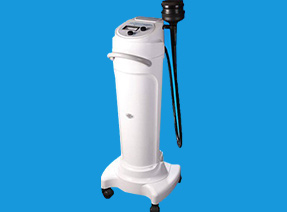
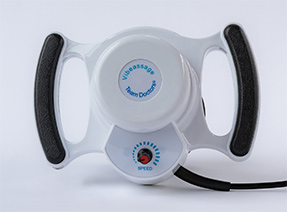
The Vibeassage Sport and the Vibeassage Pro featuring the TDX3 soft-as-the-hand Biomimetic Applicator Pad
https://www.teamdoctors.com/
✓ Get Dr. Stoxen’s #1 International Bestselling Books
Learn how to understand, examine, and reverse your TOS—without surgery.
https://drstoxen.com/1-international-best-selling-author/
✓ Check out Team Doctors Online Courses
Step-by-step video lessons, demonstrations, and self-treatment strategies.
https://teamdoctorsacademy.com/
✓ Schedule a Free Phone Consultation With Dr. Stoxen
Speak directly with him so he can review your case and guide you on your next steps.
https://drstoxen.com/appointment/
#ThoracicOutletSyndrome #FailedTOSSurgery #TOSRecovery #ChronicPainStory #VascularTOS #ArmPain #PatientAdvocacy #MedicalTrauma #SurgeryFailure #PainJourney
Medical Disclaimer
This article is provided for educational and informational purposes only. It is not intended to diagnose, treat, cure, or prevent any disease, nor is it intended to replace professional medical advice, diagnosis, or treatment.
Thoracic outlet syndrome and related nerve, vascular, and musculoskeletal conditions can present differently in each individual. Treatment decisions—including surgical and non-surgical options—must be made on a case-by-case basis in consultation with a qualified, licensed healthcare professional who is familiar with the patient’s complete medical history.
The experiences described in this article reflect individual outcomes and do not guarantee similar results for others. Surgical procedures, including thoracic outlet surgery and first rib resection, carry inherent risks, and outcomes vary based on many factors including diagnosis, timing, practitioner experience, and patient-specific anatomy and physiology.
Readers should not delay or discontinue medical care based on information contained in this article. Always seek the guidance of a qualified healthcare provider with any questions regarding symptoms, conditions, or treatment options.
Editor’s Note
This article explores a patient and family experience following thoracic outlet syndrome surgery and highlights the importance of comprehensive evaluation, informed decision-making, and second opinions when managing complex pain conditions.
The article also references the Human Spring Approach, a biomechanical evaluation and treatment framework developed by Dr James Stoxen, which emphasizes understanding the body as an integrated, dynamic spring system rather than a collection of isolated anatomical structures. The inclusion of this approach is intended to illustrate an alternative clinical perspective, not to discredit surgery or any specific medical specialty.
Mention of specific clinicians, evaluation models, or treatment philosophies does not constitute endorsement, medical advice, or a claim of superiority. Rather, it reflects the editorial goal of encouraging patients and families to seek clarity, explanation, and individualized assessment before pursuing irreversible interventions.
The editorial position of this publication is that understanding should precede intervention, especially in conditions where symptoms persist, worsen, or fail to respond to standard care.

Dr James Stoxen DC., FSSEMM (hon) He is the president of Team Doctors®, Treatment and Training Center Chicago, one of the most recognized treatment centers in the world.
Dr Stoxen is a #1 International Bestselling Author of the book, The Human Spring Approach to Thoracic Outlet Syndrome. He has lectured at more than 20 medical conferences on his Human Spring Approach to Thoracic Outlet Syndrome and asked to publish his research on this approach to treating thoracic outlet syndrome in over 30 peer review medical journals.
He has been asked to submit his other research on the human spring approach to treatment, training and prevention in over 150 peer review medical journals. He serves as the Editor-in-Chief, Journal of Orthopedic Science and Research, Executive Editor or the Journal of Trauma and Acute Care, Chief Editor, Advances in Orthopedics and Sports Medicine Journal and editorial board for over 35 peer review medical journals.
He is a much sought-after speaker. He has given over 1000 live presentations and lectured at over 70 medical conferences to over 50,000 doctors in more than 20 countries. He has been invited to speak at over 300 medical conferences which includes invitations as the keynote speaker at over 50 medical conferences.
After his groundbreaking lecture on the Integrated Spring-Mass Model at the World Congress of Sports and Exercise Medicine he was presented with an Honorary Fellowship Award by a member of the royal family, the Sultan of Pahang, for his distinguished research and contributions to the advancement of Sports and Exercise Medicine on an International level. He was inducted into the National Fitness Hall of Fame in 2008 and the Personal Trainers Hall of Fame in 2012.
Dr Stoxen has a big reputation in the entertainment industry working as a doctor for over 150 tours of elite entertainers, caring for over 1000 top celebrity entertainers and their handlers. Anthony Field or the popular children’s entertainment group, The Wiggles, wrote a book, How I Got My Wiggle Back detailing his struggles with chronic pain and clinical depression he struggled with for years. Dr Stoxen is proud to be able to assist him.
Full Bio) Dr Stoxen can be reached directly at teamdoctors@aol.com