TOS Surgery
Made Pain Worse
A Life Built Around Function—Until Function Collapsed
Danielle Barker lived in Sudbury, Canada, where life moved fast and demanded constant output. She worked full-time, raised two young children, and tried to keep her world stable even as her body became less dependable. Like many parents, she learned to push through pain because there was always something to do. But her condition was not the kind of pain that fades with rest. It evolved into a disabling pattern—one that made ordinary tasks feel dangerous, exhausting, and impossible. Over years, Danielle’s identity shifted from “capable and resilient” to someone trapped inside symptoms she couldn’t outrun.
Chronic Pain in Arm and Shoulder Became the Center of Her Day
The earliest signs blended into life at first, but the pattern became unmistakable. She developed Chronic pain in arm and shoulder that never truly left. The discomfort spread from her neck to her shoulder, then down into the arm, and it was always worse on her right side. The pain wasn’t only sharp; it had a deep, aching quality that felt “inside” the arm, like the muscles themselves were starving for relief. That constant ache grew into a daily question she couldn’t stop asking: Why won’t my arm heal?
The Heavy Arm Pattern That Ruined Her Daily Life
Danielle described the arm as feeling unbearably heavy—like it was filled with concrete. She couldn’t shake the sensation. She felt trapped by it, because the arm didn’t respond to position changes. Sitting hurt. Standing hurt. Laying down didn’t help. The arm could feel cold, swollen, and pressurized, and the discomfort made her feel constantly on edge. Over time, the experience became Arm pain ruining my life, not as a dramatic phrase, but as an honest description of what chronic symptoms do to a person’s time, mood, and options.
When Lifting, Reaching, and Living Triggered Symptoms
Simple actions became high-risk triggers. Danielle feared reaching overhead, carrying items, lifting groceries, or holding her children too long. She learned by experience that exertion could lead to swelling, heaviness, and severe pain. It wasn’t just an inconvenience—it was a pattern of worsening symptoms that narrowed her life into avoidance. Her right arm started to feel like a liability she had to protect. That slow restriction brought a painful reality: Can’t use my arm without pain.
Swelling That Followed Activity and the Fear That Followed Swelling
The swelling became more consistent. Danielle noticed her arm would swell after tasks that should have been harmless. Overhead movement, lifting, and repetitive use were especially provocative. The discomfort didn’t just cause pain—it produced fear, because swelling suggested a circulation problem that could become dangerous. When the swelling intensified, she experienced a heavy, tight, suffocating sensation through the arm and shoulder, a feeling that matched arm heaviness and swelling and made her want to keep the limb still. That stillness created another problem: weakness.
Loss of Strength and the Slow Disappearance of Function
Weakness developed gradually, then accelerated. Danielle struggled to write. She struggled to hold objects. Over time she began using her left hand to compensate, not because she wanted to, but because her right hand couldn’t reliably perform. The swelling and pain were only part of the story. The other part was function—grip strength, endurance, and coordination slipping away. Those losses weren’t theoretical. They showed up at work, in parenting, and in basic tasks. She wasn’t imagining it; she was living Loss of function arm pain every day.
Finger Numbness and the Frustration of Nerve Symptoms
Her fourth and fifth digits became intensely numb at times, so numb she felt she could injure them and not notice. That kind of symptom does not feel like a normal injury. It feels like a system under compression—nerves that can’t breathe, tissues that can’t relax, and circulation that can’t move normally. Those nerve symptoms brought a unique kind of emotional strain. Danielle didn’t just feel pain; she felt uncertainty. She feared what was happening underneath, and she feared what it might become.
The Emotional Toll That Builds When Pain Never Stops
Chronic pain is not only physical. It invades everything. When Danielle couldn’t sleep, she became more sensitive to pain. When pain increased, anxiety increased. When anxiety increased, muscle tension increased. It turned into an amplifying loop where every variable made the next one worse. She lived with the Emotional toll of chronic pain, including the exhaustion that comes from constant guarding and the daily fear of waking up to the same suffering.
Arm Pain Anxiety Became Part of the Condition
The condition trained her mind to anticipate pain before she moved. That anticipation created tension. That tension worsened symptoms. Danielle wasn’t “overthinking.” She was responding to repeated experiences that taught her the consequences of activity. This chronic anticipation and vigilance became Arm pain anxiety, and it affected not only her body but her confidence in her future. The more time passed, the more the question became not “How do I feel today?” but “How long can I keep going like this?”
Shortness of Breath and Chest Symptoms That Mimicked Emergencies
As her condition progressed, Danielle developed symptoms that expanded beyond the arm. She experienced chest discomfort, racing heart sensations, and episodes where taking a deep breath felt restricted. There were days she feared she was having a heart attack because the pain in her chest was so intense. Mild activity caused shortness of breath. Her body felt like it was working too hard just to exist. These symptoms intensified the feeling that her system was compromised—not only by pain but by mechanical restriction through the chest and shoulder region.
When Thoracic Outlet Syndrome Became the Explanation
Eventually she came face-to-face with the label that seemed to tie the puzzle together: thoracic outlet syndrome. Once she encountered the term, she did what people do when they’re scared—she searched everything. She looked up symptoms, long-term risks, and worst-case outcomes. She asked whether it was dangerous, whether it could cause clots, whether it could cause permanent damage. She tried to understand what she had, and why nobody had solved it yet. The label brought clarity, but it also brought fear because it implied a condition that could escalate.
When TOS Becomes Dangerous: The Shift From Pain to Risk
Danielle’s symptoms were not only neurogenic discomfort. Her circulation changed visibly. She experienced episodes where the arm felt icy cold and extremely heavy. Swelling became pronounced. Veins looked more prominent. She recognized that the arm wasn’t just hurting—it was struggling. This is the stage where many people begin searching phrases like When TOS becomes dangerous and Ignoring thoracic outlet syndrome risks, because the problem is no longer about tolerating discomfort. It becomes about safety.
The Clot That Changed Everything
A critical turning point occurred when Danielle developed a clot in the vein of her affected arm. This wasn’t a vague suspicion—it was a medical emergency. She entered a new category of concern that can include life-threatening complications. When a clot forms in a compressed vein, the stakes rise dramatically. The condition stops being a “chronic pain problem” and becomes a situation where doctors talk about embolic risk and urgent interventions. Danielle’s fear deepened. She began living with the terror of what could happen next.
Effort Thrombosis: When Activity Triggers Vascular Collapse
Danielle was confronted with the concept of effort thrombosis, where activity and anatomical compression can combine to obstruct venous return and promote clot formation. For her, this concept was not academic. It described her lived experience: symptoms that were provoked by use, swelling that followed exertion, and fear that followed swelling. The idea that movement could trigger dangerous consequences made her feel trapped—because she couldn’t stop being a mom, stop working, or stop living.
Severe Thoracic Outlet Syndrome and the End-Stage Feeling
The intensity of symptoms pushed Danielle toward a sense of crisis. She reached a point that felt like Severe thoracic outlet syndrome, where her baseline level of pain and dysfunction was so high that “good days” didn’t feel good; they felt less catastrophic. Her function declined. Her fatigue increased. She lived with constant tightness through her neck and chest and deep burning through her upper back. The condition felt like it had consumed her physical life, her sleep, and her emotional reserves.
Chronic Pain Burnout and the Feeling of Being Defeated
Years of suffering can change a person’s mindset. Danielle began to feel emotionally depleted, not because she lacked resilience, but because chronic pain depletes everyone eventually. This is the lived reality of Chronic pain burnout—the sense of being tired of fighting, tired of hoping, tired of trying yet another treatment that helps for a day and fails for the long term. Danielle reached moments where she felt completely defeated and worried she would never recover.
The Surgical Promise That Sounded Like a Rescue
In that state, surgery can sound like salvation. Danielle was told she needed an operation to create space in the thoracic outlet region and reduce compression. She was warned of severe consequences if she did nothing. She feared clot migration and life-threatening events. Under that pressure, she accepted a surgical pathway that promised improvement. She wasn’t choosing surgery because she wanted to be cut open. She was choosing it because she wanted to survive and function again.
The First Rib Strategy and the Hope of Relief
Her treatment path included a procedure aimed at the first rib and surrounding structures. Many patients think of this as an anatomical fix: remove a barrier, create a bigger tunnel, restore blood flow. For Danielle, the hope was simple—less compression, less swelling, less pain, less danger. She wanted to believe surgery would end the nightmare. She wanted relief that lasted, not temporary improvements that evaporated overnight.
Surgery That Changed Her Anatomy but Not the Mechanism
The surgery did not deliver the relief she needed. Instead, it introduced new problems. Danielle had muscles removed and a rib cut out, which altered the support structures of her neck and upper back. The aftermath was brutal. The original symptoms persisted—neck pain, arm pain, chest pain, burning between the shoulder blades. But now she also had the consequences of surgical trauma and muscular disruption. Holding her head up became difficult. She began compensating with the opposite side, building new asymmetries and new stress patterns.
The Worse-Than-Before Reality
For Danielle, the worst part was not simply that surgery failed. It was that she felt worse afterward. The pain was more intense. The weakness felt more destabilizing. The tension patterns seemed to clamp down harder, as if the body responded to surgical disruption with deeper guarding. She realized that the core issue was not only structural space. The issue was tension—muscle guarding, chronic contraction, inflammation, and the nervous system’s protective reflex that kept closing the tunnel.
The Loop That Therapy Couldn’t Break
After surgery, Danielle tried the conventional options again. She pursued therapy sessions, manual work, adjustments, and other interventions. She experienced short-lived benefits that vanished quickly. She found that many approaches felt like surface-level relief—helpful for an hour, maybe a day, but never changing the baseline. That created a sense of desperation because it implied she might be stuck forever. When progress doesn’t hold, the body loses trust in treatment.
Can’t Lift Arm Anymore: The Fear of Permanent Decline
Danielle’s relationship with her body became dominated by limitation. She avoided lifting and overhead movement. She limited what she carried. She carried weight against her torso instead of using her arms. She designed her daily life around reducing triggers, not because she wanted to, but because she had to. She lived with a sense of Disabling arm pain and the fear that her condition would permanently remove her ability to function as a mother and working adult.
Permanent Nerve Damage Risk and the Pressure to “Do Something”
When symptoms last long enough, patients start thinking about long-term consequences. Danielle feared Permanent nerve damage risk because weakness and numbness had already arrived. She feared that if compression remained unresolved, she would lose function permanently. That fear is a powerful driver that pushes many people toward more invasive choices. For Danielle, it created urgency, but urgency alone did not create the right solution.
End-Stage Nerve Compression and the Feeling of No Way Out
There were moments where she felt like she was approaching End-stage nerve compression—not as a formal label, but as a lived reality where symptoms were relentless and severe. She felt trapped inside a body that was always tight, always sore, always burning, always threatening to swell or discolor. She did not want to live like that. She wanted a roadmap, not another random attempt.
Living With Constant Arm Pain and the Social Hidden Cost
People with chronic pain often look “fine” to others. Danielle still worked. She still parented. She still showed up. But the cost was enormous. Every outing required calculation. Every task required strategy. Every night required coping. She lived Life with chronic arm pain, where pain was not something that happened occasionally—it was the atmosphere she breathed.
Depression From Arm Pain and the Quiet Psychological Impact
Danielle also experienced the psychological aftermath of years of symptoms—feelings of hopelessness, frustration, and grief for the life she used to have. Chronic pain doesn’t only steal comfort; it steals identity. It can create isolation because people can’t fully understand what constant pain does to the mind. The result can resemble Depression from arm pain, a heavy emotional layer added to the already heavy physical layer.
The Point of Decision: Another Surgery or Another Way
At one stage Danielle was being pushed toward additional surgery. She feared another clot and feared worsening vascular compromise. She was tired. She was scared. She was desperate. She wanted someone to “cut the pain out.” But she also felt deep hesitation because the last surgical promise had failed. She needed a different framework—something that explained why the tunnel kept collapsing, why the muscles stayed tight, and why every therapy seemed temporary.
Discovering the Human Spring Approach as a Different Map
Danielle found Dr. Stoxen’s work and encountered the Human Spring Approach, a framework that viewed the body as a spring-driven system rather than a rigid lever structure. This concept resonated with her experience because her symptoms felt like compression and tension—like something that should be elastic had become stiff and locked. The Human Spring Approach emphasized restoring functional space by addressing the tension system that was collapsing the tunnel—especially the muscles and inflammatory patterns that drive chronic contraction.
A Different Type of Evaluation and a Clearer Treatment Plan
When Danielle connected with Dr. Stoxen and eventually traveled to Chicago, she experienced a longer and more detailed examination than she had received elsewhere. Instead of a quick appointment, she received a comprehensive mapping of which tissues were contributing to her compression pattern. The plan wasn’t framed as “one perfect procedure.” It was framed as a structured process: reduce tension, restore circulation mechanics, retrain strength, and build resilience.
A Turning Point Measured in Sleep, Not Promises
One of Danielle’s most meaningful improvements was sleep. After intensive care, she experienced a full night of rest—something she hadn’t felt in years. Sleep didn’t just feel good; it signaled her system was shifting out of constant guarding. For someone living in severe pain, a full night of sleep is not minor—it’s a marker of physiological change. It was proof that her body could settle, decompress, and start rebuilding.
Thoracic Outlet Recovery Program as Daily Practice, Not Occasional Treatment
Danielle’s progress depended on consistency. She learned that recovery required daily work at home rather than occasional clinic relief. Her approach resembled a structured thoracic outlet recovery program and thoracic outlet rehabilitation program, not as marketing terms, but as a necessary reality: her symptoms were daily, so her care had to be daily.
How to Manage Thoracic Outlet Syndrome With Self-Care Structure
She began adopting strategies that matched real-world searches like how to manage thoracic outlet syndrome and thoracic outlet self care program. She needed practical steps she could do as a mother and working adult. She needed a method that did not depend on constant travel, constant appointments, and constant expense. She needed a repeatable plan she could perform on her own.
Thoracic Outlet Self Treatment Guide Through At-Home Tools
Danielle implemented at-home strategies centered around vibration massage and progressive strengthening. Over time, she began experiencing improvement that stayed longer than the short-lived relief she had previously experienced. Instead of a one-hour reduction followed by relapse, she began stacking small wins into meaningful change. The method behaved like a thoracic outlet self treatment guide because it taught her what to treat, how to treat, and how to repeat it consistently.
A Thoracic Outlet Syndrome Course Mindset: Learning the System
What also helped Danielle was education. When a patient understands the mechanism behind symptoms, they stop treating randomly and start treating strategically. Danielle’s journey shifted from “trying everything” to learning a system that made sense. Her path resembled thoracic outlet education and understanding thoracic outlet syndrome as part of recovery—because without understanding, treatment remains guesswork.
Thoracic Outlet Syndrome Help That Restored Control
The most profound change wasn’t only physical. It was psychological. Danielle stopped feeling helpless. She began to feel like she had tools, knowledge, and a plan. She had thoracic outlet syndrome help that fit her real life, not an idealized patient schedule. She could treat herself at home, measure progress, adjust her routine, and protect her long-term function.
A Step by Step Thoracic Outlet Guide for Real Recovery
Her recovery was not instant. It was a process. But it was finally a process that moved forward. The shift resembled a step by step thoracic outlet guide—a roadmap that replaced chaos and desperation with structure and direction. Danielle could now take action without begging for another intervention that might fail.
A New Relationship With Fear and Flare-Ups
Danielle still experienced symptoms at times, but her fear changed. She wasn’t panicking every time she felt tension because she had a method to respond. She could apply her at-home routine, use the tool-based strategies, and calm the system before it escalated. That shift reduced the anxiety loop that feeds muscle guarding. It also reinforced the sense of control that chronic pain often steals.
Where Danielle’s Story Points Next
Danielle’s experience illustrated a painful truth: removing anatomy does not automatically remove the mechanism that creates compression. For her, the path forward required addressing the tension system—the chronic muscle guarding and inflammation that collapse space and compromise circulation. The Human Spring Approach gave her a framework to understand that mechanism and a strategy to begin reversing it through consistent at-home practice.
The Message She Wanted Other Patients to Hear
Danielle’s story mattered because it showed what happens when pain is treated only at the surface level. It also showed what can happen when a patient is given a framework, education, and a consistent home-based recovery plan. She didn’t just want relief—she wanted her life back. And for the first time in years, she had a direction that didn’t end with another surgery.
Team Doctors Resources
✓ Check out the Team Doctors Recovery Tools
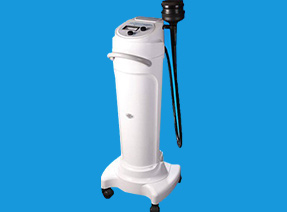
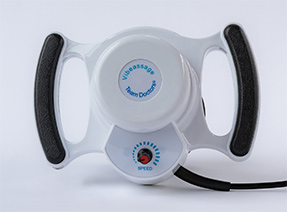
The Vibeassage Sport and the Vibeassage Pro featuring the TDX3 soft-as-the-hand Biomimetic Applicator Pad
https://www.teamdoctors.com/
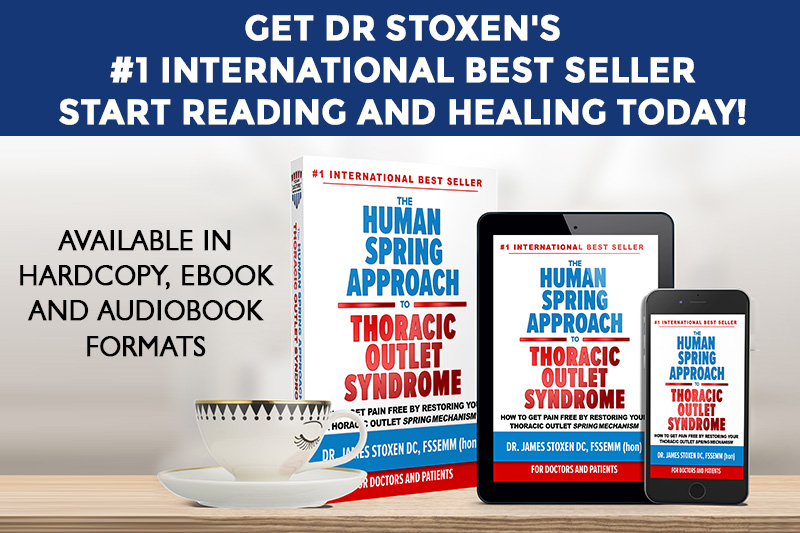
✓ Get Dr. Stoxen’s #1 International Bestselling Books
Learn how to understand, examine, and reverse your TOS—without surgery.
https://drstoxen.com/1-international-best-selling-author/
✓ Check out Team Doctors Online Courses
Step-by-step video lessons, demonstrations, and self-treatment strategies.
https://teamdoctorsacademy.com/
✓ Schedule a Free Phone Consultation With Dr. Stoxen
Speak directly with him so he can review your case and guide you on your next steps.
https://drstoxen.com/appointment/
#ThoracicOutletSyndrome #FailedTOSSurgery #TOSRecovery #ChronicPainStory #VascularTOS #ArmPain #PatientAdvocacy #MedicalTrauma #SurgeryFailure #PainJourney #TOSAwareness #ThoracicOutlet #FailedSurgery #MedicalGaslighting #PatientVoices #ChronicPainCommunity #NerveCompression #VascularDisease #SelfHealing #PainEducation
Medical Disclaimer
This article is provided for educational and informational purposes only. It is not intended to diagnose, treat, cure, or prevent any disease, nor is it intended to replace professional medical advice, diagnosis, or treatment.
Thoracic outlet syndrome and related nerve, vascular, and musculoskeletal conditions can present differently in each individual. Treatment decisions—including surgical and non-surgical options—must be made on a case-by-case basis in consultation with a qualified, licensed healthcare professional who is familiar with the patient’s complete medical history.
The experiences described in this article reflect individual outcomes and do not guarantee similar results for others. Surgical procedures, including thoracic outlet surgery and first rib resection, carry inherent risks, and outcomes vary based on many factors including diagnosis, timing, practitioner experience, and patient-specific anatomy and physiology.
Readers should not delay or discontinue medical care based on information contained in this article. Always seek the guidance of a qualified healthcare provider with any questions regarding symptoms, conditions, or treatment options.
Editor’s Note
This article explores a patient and family experience following thoracic outlet syndrome surgery and highlights the importance of comprehensive evaluation, informed decision-making, and second opinions when managing complex pain conditions.
The article also references the Human Spring Approach, a biomechanical evaluation and treatment framework developed by Dr James Stoxen, which emphasizes understanding the body as an integrated, dynamic spring system rather than a collection of isolated anatomical structures. The inclusion of this approach is intended to illustrate an alternative clinical perspective, not to discredit surgery or any specific medical specialty.
Mention of specific clinicians, evaluation models, or treatment philosophies does not constitute endorsement, medical advice, or a claim of superiority. Rather, it reflects the editorial goal of encouraging patients and families to seek clarity, explanation, and individualized assessment before pursuing irreversible interventions.
The editorial position of this publication is that understanding should precede intervention, especially in conditions where symptoms persist, worsen, or fail to respond to standard care.

Dr James Stoxen DC., FSSEMM (hon) He is the president of Team Doctors®, Treatment and Training Center Chicago, one of the most recognized treatment centers in the world.
Dr Stoxen is a #1 International Bestselling Author of the book, The Human Spring Approach to Thoracic Outlet Syndrome. He has lectured at more than 20 medical conferences on his Human Spring Approach to Thoracic Outlet Syndrome and asked to publish his research on this approach to treating thoracic outlet syndrome in over 30 peer review medical journals.
He has been asked to submit his other research on the human spring approach to treatment, training and prevention in over 150 peer review medical journals. He serves as the Editor-in-Chief, Journal of Orthopedic Science and Research, Executive Editor or the Journal of Trauma and Acute Care, Chief Editor, Advances in Orthopedics and Sports Medicine Journal and editorial board for over 35 peer review medical journals.
He is a much sought-after speaker. He has given over 1000 live presentations and lectured at over 70 medical conferences to over 50,000 doctors in more than 20 countries. He has been invited to speak at over 300 medical conferences which includes invitations as the keynote speaker at over 50 medical conferences.
After his groundbreaking lecture on the Integrated Spring-Mass Model at the World Congress of Sports and Exercise Medicine he was presented with an Honorary Fellowship Award by a member of the royal family, the Sultan of Pahang, for his distinguished research and contributions to the advancement of Sports and Exercise Medicine on an International level. He was inducted into the National Fitness Hall of Fame in 2008 and the Personal Trainers Hall of Fame in 2012.
Dr Stoxen has a big reputation in the entertainment industry working as a doctor for over 150 tours of elite entertainers, caring for over 1000 top celebrity entertainers and their handlers. Anthony Field or the popular children’s entertainment group, The Wiggles, wrote a book, How I Got My Wiggle Back detailing his struggles with chronic pain and clinical depression he struggled with for years. Dr Stoxen is proud to be able to assist him.
Full Bio) Dr Stoxen can be reached directly at teamdoctors@aol.com