Nothing Worked For 10 Years
Until He Restored Her
Shoulder Spring Suspension System
The Fall That Changed Everything: When Arm Pain Beccomes a Life Sentence
Fifteen years later, Shauna can still see the hotel room in Las Vegas.
She remembers the light. The carpet. The bed. The moment her foot caught. The instant her body pitched forward.
And the split second where instinct took over.
She reached out with her right arm to catch herself.
That single reflex changed the next decade of her life.
Her hand hit the floor. Her shoulder jammed upward. Her neck snapped sideways. And in that one violent, awkward movement, something in her upper body collapsed in a way that never truly recovered on its own.
At first, it felt like a bad strain. The kind of injury you assume will heal.
But days turned into weeks. Weeks into months. And months into years.
The arm pain did not go away.
When a Simple Fall Turns Into a 10-Year Problem
At first, it was just arm and shoulder pain and arm neck pain. She assumed it was a sprain or a pinched nerve.
X-rays were taken. They were “normal.”
She was sent to therapy.
But she still couldn’t lift her arm above shoulder level for almost two years.
The upper arm pain never really left. It just changed its character. Sometimes it burned. Sometimes it pulled. Sometimes it ached deep in the shoulder and chest. Sometimes it felt like arm pain from neck involvement.
Over time, it became constant arm and neck pain.
She stopped playing tennis.
Then pickleball.
Then bowling.
Then golf.
Anything that required using her right arm triggered the same familiar agony.
This was no longer just arm pain causes from an injury.
This was something else.
When Numbness and Color Change Enter the Story
Years after the fall, new symptoms appeared.
She started getting arm and hand numbness.
Then tingling.
Then weakness.
Then she noticed something terrifying.
The tip of her thumb started turning purple.
Her hand started getting cold.
Sometimes she could barely feel her thumb at all.
This was no longer just pain.
This was:
- arm swelling
- Color change
- Sensory loss
- Circulation fear
She was now living with classic signs of:
- thoracic outlet syndrome hand numbness
- thoracic outlet syndrome hand pain
- thoracic outlet syndrome fingers
- thoracic outlet syndrome arm pain
- thoracic outlet syndrome hand swelling
- thoracic outlet syndrome elbow pain
- thoracic outlet syndrome arm swelling
- thoracic outlet syndrome armpit pain
- TOS arm pain
- TOS shoulder
- TOS hand
But she didn’t know those words yet.
She only knew something was seriously wrong.
Fear Replaces Frustration
The coldness scared her the most.
Pain can be ignored.
Weakness can be worked around.
But when your hand changes color and temperature, your brain knows something is being cut off.
She began to worry about blood flow. About nerves. About permanent damage.
Her body was giving her warning signs.
And no one had explained them.
The Long Road Through Failed Care
Like most patients, she did what she was told.
She went to physical therapy for thoracic outlet syndrome before anyone even called it that.
She was told to stretch.
She was given stretching for thoracic outlet syndrome and exercises for thoracic outlet syndrome.
But over time, she realized something frightening:
Physical therapy made TOS worse.
The more she stretched, the heavier her arm felt.
The more she exercised, the more her symptoms flared.
She was living the reality of:
- why PT doesn’t work for TOS
- why stretching makes symptoms worse
- can stretching worsen nerve compression
- does exercise help TOS (not in her case)
She tried:
- home exercises for TOS
- movement therapy for TOS
- postural therapy for thoracic outlet syndrome
- nerve glides for arm pain
- rehab for thoracic outlet syndrome
Nothing fixed it.
Some things made it worse.
She began to wonder:
- can physical therapy fix thoracic outlet syndrome?
- does chiropractic help TOS?
- massage vs PT for TOS?
- what therapy works best for TOS?
No one had a real answer.
When the Diagnosis Finally Had a Name
By the time she found Dr. Stoxen on Facebook, she already suspected what she had.
When he examined her, he confirmed it.
Thoracic Outlet Syndrome.
The diagnosis fit everything:
- The arm pain
- The arm and hand numbness
- The arm swelling
- The coldness
- The color change
- The weakness
- The heaviness
He performed detailed testing, including upper limb tension testing, and showed her what was being stretched, compressed, and trapped.
For the first time in ten years, her problem made mechanical sense.
The First Treatment That Felt Different
Dr. Stoxen did not start with exercises.
He did not start with stretching.
He started with thoracic outlet syndrome massage, manual therapy for thoracic outlet syndrome, and deep tissue for thoracic outlet syndrome.
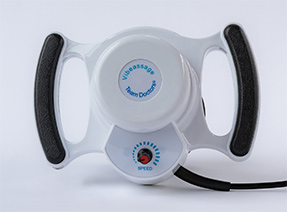
And he introduced vibration therapy for arm pain.
The moment she felt it, she knew something was different.
Her muscles began to let go.
Her neck softened.
Her shoulder stopped feeling like it was being dragged downward.
Her hand started feeling warmer.
The tingling began to fade.
For the first time in a decade, her body was not being forced.
It was being unloaded.
Why This Was Different From Everything Else
This was not generic massage.
This was:
- soft tissue treatment for TOS
- myofascial release thoracic outlet syndrome
- manual therapy nerve compression
Done with a structural goal.
Not symptom chasing.
Not temporary relief.
But decompression.
She began to understand the difference between:
- alternative treatments for TOS
- And a best treatment plan for TOS
One is random.
The other is mechanical.
The Realization
She realized something profound:
She didn’t need to be cut open.
She didn’t need a rib removed.
She didn’t need muscles cut out of her neck.
She needed her body lifted back up.
That is why:
- conservative treatment options TOS
- non invasive therapy for thoracic outlet syndrome
…worked when done correctly.
How One Fall Slowly Collapsed Her Shoulder and Crushed the Tunnels
Shauna’s injury did not ruin her life in one day.
It started in one day.
But what followed was a slow, invisible mechanical failure that unfolded over the next ten years.
The fall in the Bellagio hotel room did not tear something that needed surgery.
It shifted something.
It changed how her shoulder hung from her neck and rib cage.
And once that suspension changed, gravity took over.
The Day Everything Quietly Changed
When she reached out to catch herself, the force did not just jam her shoulder.
It drove her shoulder upward and backward while her neck was forced in the opposite direction.
That kind of loading does not just strain tissue.
It changes alignment.
It changes how the shoulder girdle is supported.
It changes how the clavicle rests.
It changes how the rib cage and neck share load.
At first, her body compensated.
That is why she did not become disabled overnight.
But the compensation came at a cost.
The Slow Drop of the Shoulder
Over months and years, her right shoulder began to sit lower.
Not dramatically.
Not obviously.
Just enough to matter.
That small change slowly narrowed the spaces where nerves and blood vessels pass.
This is why her pain did not stay local.
It spread from:
- arm and shoulder pain
- To arm neck pain
- To arm and neck pain
- To upper arm pain
- To arm pain from neck
Her body was slowly closing its own tunnels.
Why the Symptoms Kept Changing
First it was pain.
Then it was weakness.
Then it was tingling.
Then it was numbness.
Then it was color change.
Then it was coldness.
That sequence is classic for:
- thoracic outlet syndrome arm pain
- thoracic outlet syndrome hand numbness
- thoracic outlet syndrome hand pain
- thoracic outlet syndrome fingers
- thoracic outlet syndrome arm swelling
- thoracic outlet syndrome hand swelling
- thoracic outlet syndrome elbow pain
- thoracic outlet syndrome armpit pain
- TOS arm pain
- TOS shoulder
- TOS hand
The tunnels did not close all at once.
They closed millimeter by millimeter over years.
Why Her Scans Were “Normal”
One of the most confusing parts of her journey was being told nothing was seriously wrong.
X-rays were normal.
Basic imaging did not show a disaster.
But her body was not failing on a scan.
It was failing under load.
When she stood.
When she used her arm.
When gravity pulled on a shoulder that was no longer properly suspended.
Thoracic outlet problems are dynamic.
They show up in life, not on a table.
Why Physical Therapy Backfired
Like almost every patient, she was sent to physical therapy for thoracic outlet syndrome before anyone even named it.
She was told to:
- Stretch
- Strengthen
- Mobilize
She did:
- stretching for thoracic outlet syndrome
- exercises for thoracic outlet syndrome
- home exercises for TOS
- movement therapy for TOS
- postural therapy for thoracic outlet syndrome
- nerve glides for arm pain
- Full rehab for thoracic outlet syndrome
But instead of getting better, she got worse.
She lived the reality of:
- why PT doesn’t work for TOS
- physical therapy made TOS worse
- why stretching makes symptoms worse
- can stretching worsen nerve compression
- does exercise help TOS (not in her stage)
Every time she stretched tissue that was holding her shoulder up, the shoulder sank a little more.
Every time she “relaxed” protective tension, the tunnel got a little smaller.
The Body’s Emergency Strategy: Tension
Her muscles were not tight because they were the problem.
They were tight because they were holding up a failing structure.
This is why:
- Relaxing them without support made her worse
- Strengthening them without changing load paths made her worse
- Stretching them made her worse
Her body had turned tension into a survival strategy.
Why This Eventually Becomes a Vascular Problem
For years, her symptoms were mostly nerve-based.
Pain. Tingling. Numbness.
But eventually, she saw color change and coldness.
That means blood flow was being affected.
That is not a muscle problem.
That is tunnel collapse.
That is why she became genuinely afraid.
She had crossed from inconvenience into danger.
Why Surgery Starts Getting Mentioned
When symptoms reach this stage, many patients are told:
- The rib is the problem
- The scalenes are the problem
- The tunnel is too small
And surgery is offered.
But her tunnel did not get small because tissue grew.
It got small because the roof sank.
Removing more structure does not lift the roof.
It removes support.
That is why so many surgical patients are worse afterward.
The Moment Everything Finally Made Sense
When Dr. Stoxen examined her, he did not just look at her arm.
He looked at:
- Shoulder height
- Clavicle position
- Rib cage motion
- Neck posture
- Load distribution
He showed her how her shoulder was hanging lower.
How that narrowed the thoracic outlet.
How that explained:
- The arm pain
- The arm and hand numbness
- The arm swelling
- The coldness
- The color change
And he confirmed it with upper limb tension testing.
For the first time in ten years, her body made sense.
How Her Body Was Lifted Instead of Cut Apart
By the time Shauna arrived at Dr. Stoxen’s clinic, she was not just living with arm pain.
She was living with fear.
Fear of losing function in her hand.
Fear of permanent nerve damage.
Fear that the coldness and color change meant something catastrophic was coming next.
She had already spent ten years trying everything she had been told to try.
And nothing had worked.
Why This Time Was Different
The first thing she noticed was that Dr. Stoxen did not treat her like a shoulder.
He treated her like a structure.
He did not start with exercises.
He did not start with stretching.
He started with thoracic outlet syndrome massage, manual therapy for thoracic outlet syndrome, and deep tissue for thoracic outlet syndrome, combined with vibration therapy for arm pain.
And something happened that had not happened in ten years.
Her symptoms started changing during the treatment.
Not days later.
Not weeks later.
Immediately.
The First Session: When the Tunnels Finally Started Opening
As the treatment began, she felt her muscles around her neck and shoulder begin to soften.
Then she felt something even more important.
Her hand started feeling warmer.
The tingling in her fingers started to fade.
The heavy, dragging sensation in her arm began to lift.
This was not temporary comfort.
This was decompression.
The tissues around the thoracic outlet were finally letting go of their protective spasm.
This is what:
- soft tissue treatment for TOS
- myofascial release thoracic outlet syndrome
- manual therapy nerve compression
…is supposed to do when it is applied to the right problem.
Why Massage Alone Had Never Worked Before
Shauna had tried massage in the past.
It helped for a few hours or a day.
Then the pain came back.
This time was different.
Because this was not relaxation massage.
This was structural decompression work.
This was:
- thoracic outlet syndrome massage done with intent
- does massage help thoracic outlet syndrome? Yes — when it changes load paths
- Not symptom chasing
- Not surface work
And combined with vibration therapy for arm pain, it reached deep defensive layers that her body had been holding for years.
The Shoulder Started Rising
One of the most visible changes happened gradually over the next sessions.
Her right shoulder no longer sat as low.
It was subtle.
But it was real.
As the tension patterns released and the joints regained motion, her shoulder began to sit higher.
That meant the tunnels were no longer being crushed from above.
That meant gravity was no longer winning.
Why This Worked When Everything Else Failed
She had already proven that:
- can physical therapy fix thoracic outlet syndrome? → Not in her case.
- why PT doesn’t work for TOS → Because it does not fix collapse.
- physical therapy made TOS worse → Because it removed protective tension without restoring support.
- stretching for thoracic outlet syndrome → Made her worse.
- why stretching makes symptoms worse → Because it lets the shoulder sink more.
- can stretching worsen nerve compression → Absolutely.
She had tried:
- exercises for thoracic outlet syndrome
- home exercises for TOS
- movement therapy for TOS
- postural therapy for thoracic outlet syndrome
- nerve glides for arm pain
- rehab for thoracic outlet syndrome
None of them changed the structure.
This did.
Why She Did Not Need Surgery
By the time many patients reach coldness and color change, they are told surgery is their only option.
Rib removal.
Muscle cutting.
Tunnel enlargement by destruction.
But Shauna’s story proves something critical:
Her tunnel did not get small because tissue grew.
It got small because her shoulder collapsed downward.
As her structure was lifted, the tunnel reopened.
No cutting required.
That is the essence of:
- conservative treatment options TOS
- non invasive therapy for thoracic outlet syndrome
- A truly best treatment plan for TOS
Her Symptoms Faded in the Reverse Order They Appeared
First:
- The hand stayed warm
Then:
- The color normalized
Then:
- The tingling stopped
Then:
- The numbness disappeared
Then:
- The heaviness lifted
Then:
- The pain faded
This is exactly what you expect when compression is removed instead of masked.
Her Life Came Back
She could move again without fear.
She could use her arm again.
She could return to activities she had given up for years.
But more than that…
She trusted her body again.
What Her Story Proves
Shauna’s case proves that:
- arm pain causes are not always in the arm
- arm and shoulder pain can come from collapse above
- arm and hand numbness can come from tunnel compression
- arm neck pain and arm and neck pain are often structural
- upper arm pain and arm pain from neck are often mechanical
- arm swelling and vascular symptoms can be positional and reversible
And most importantly:
Thoracic outlet syndrome is not a mystery.
It is a mechanical problem.
And mechanical problems can be engineered back into alignment.
Team Doctors Resources
✓ Check out the Team Doctors Recovery Tools
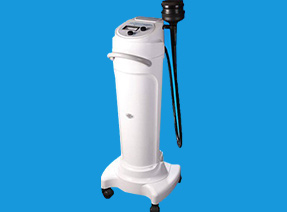
The Vibeassage Sport and the Vibeassage Pro featuring the TDX3 soft-as-the-hand Biomimetic Applicator Pad
https://www.teamdoctors.com/
✓ Get Dr. Stoxen’s #1 International Bestselling Books
Learn how to understand, examine, and reverse your TOS—without surgery.
https://drstoxen.com/1-international-best-selling-author/
✓ Check out Team Doctors Online Courses
Step-by-step video lessons, demonstrations, and self-treatment strategies.
https://teamdoctorsacademy.com/
✓ Schedule a Free Phone Consultation With Dr. Stoxen
Speak directly with him so he can review your case and guide you on your next steps.
https://drstoxen.com/appointment/
#ThoracicOutletSyndrome #FailedTOSSurgery #TOSRecovery #ChronicPainStory #VascularTOS #ArmPain #PatientAdvocacy #MedicalTrauma #SurgeryFailure #PainJourney
Medical Disclaimer
This article is provided for educational and informational purposes only. It is not intended to diagnose, treat, cure, or prevent any disease, nor is it intended to replace professional medical advice, diagnosis, or treatment.
Thoracic outlet syndrome and related nerve, vascular, and musculoskeletal conditions can present differently in each individual. Treatment decisions—including surgical and non-surgical options—must be made on a case-by-case basis in consultation with a qualified, licensed healthcare professional who is familiar with the patient’s complete medical history.
The experiences described in this article reflect individual outcomes and do not guarantee similar results for others. Surgical procedures, including thoracic outlet surgery and first rib resection, carry inherent risks, and outcomes vary based on many factors including diagnosis, timing, practitioner experience, and patient-specific anatomy and physiology.
Readers should not delay or discontinue medical care based on information contained in this article. Always seek the guidance of a qualified healthcare provider with any questions regarding symptoms, conditions, or treatment options.
Editor’s Note
This article explores a patient and family experience following thoracic outlet syndrome surgery and highlights the importance of comprehensive evaluation, informed decision-making, and second opinions when managing complex pain conditions.
The article also references the Human Spring Approach, a biomechanical evaluation and treatment framework developed by Dr James Stoxen, which emphasizes understanding the body as an integrated, dynamic spring system rather than a collection of isolated anatomical structures. The inclusion of this approach is intended to illustrate an alternative clinical perspective, not to discredit surgery or any specific medical specialty.
Mention of specific clinicians, evaluation models, or treatment philosophies does not constitute endorsement, medical advice, or a claim of superiority. Rather, it reflects the editorial goal of encouraging patients and families to seek clarity, explanation, and individualized assessment before pursuing irreversible interventions.
The editorial position of this publication is that understanding should precede intervention, especially in conditions where symptoms persist, worsen, or fail to respond to standard care.

Dr James Stoxen DC., FSSEMM (hon) He is the president of Team Doctors®, Treatment and Training Center Chicago, one of the most recognized treatment centers in the world.
Dr Stoxen is a #1 International Bestselling Author of the book, The Human Spring Approach to Thoracic Outlet Syndrome. He has lectured at more than 20 medical conferences on his Human Spring Approach to Thoracic Outlet Syndrome and asked to publish his research on this approach to treating thoracic outlet syndrome in over 30 peer review medical journals.
He has been asked to submit his other research on the human spring approach to treatment, training and prevention in over 150 peer review medical journals. He serves as the Editor-in-Chief, Journal of Orthopedic Science and Research, Executive Editor or the Journal of Trauma and Acute Care, Chief Editor, Advances in Orthopedics and Sports Medicine Journal and editorial board for over 35 peer review medical journals.
He is a much sought-after speaker. He has given over 1000 live presentations and lectured at over 70 medical conferences to over 50,000 doctors in more than 20 countries. He has been invited to speak at over 300 medical conferences which includes invitations as the keynote speaker at over 50 medical conferences.
After his groundbreaking lecture on the Integrated Spring-Mass Model at the World Congress of Sports and Exercise Medicine he was presented with an Honorary Fellowship Award by a member of the royal family, the Sultan of Pahang, for his distinguished research and contributions to the advancement of Sports and Exercise Medicine on an International level. He was inducted into the National Fitness Hall of Fame in 2008 and the Personal Trainers Hall of Fame in 2012.
Dr Stoxen has a big reputation in the entertainment industry working as a doctor for over 150 tours of elite entertainers, caring for over 1000 top celebrity entertainers and their handlers. Anthony Field or the popular children’s entertainment group, The Wiggles, wrote a book, How I Got My Wiggle Back detailing his struggles with chronic pain and clinical depression he struggled with for years. Dr Stoxen is proud to be able to assist him.
Full Bio) Dr Stoxen can be reached directly at teamdoctors@aol.com