Doctors Couldn’t Stop It
Thoracic Outlet Syndrome
Her Lungs Filled With Clots
Learning How to Live in a Body That Works Again
When Anna Tori Smith returned home from Chicago, she did not return as a cured person. She returned as someone who had been given something far more valuable: a body that was moving in the right direction instead of the wrong one.
For more than a decade, she had lived inside a medical narrative that taught her to expect decline. Every year had come with new limitations, new medications, and new warnings. The idea that she might instead be entering a phase of rebuilding felt almost unreal.
Yet the evidence was already there.
Her breathing was easier. Her swelling was down. Her blood pressure was no longer living in a crisis zone. Her nervous system, once locked in permanent alarm, was beginning to find something like calm.
She had learned, through brutal experience, that there is no such thing as a single best treatment for thoracic outlet syndrome if the treatment is not matched to the actual mechanics of the body. She had also learned that what is usually described as conservative treatment for thoracic outlet syndrome often fails not because it is too gentle, but because it is applied to a system that is still collapsing.
This time, things were different.
She was not guessing anymore. She was following a model.
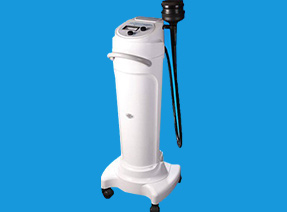
She continued with thoracic outlet syndrome natural treatment, not as a rejection of medicine, but as a way of working with her body instead of against it. Her daily life gradually began to include what most people would call home treatment, though in her case it was anything but casual. The Vibeassage was not a luxury. It was infrastructure.
She understood now that true non-surgical treatment for thoracic outlet syndrome is not passive. It is active, ongoing mechanical maintenance. It is also deeply personal. What works for one body does not work for another unless the same mechanical failures are present.
As she became stronger, she began incorporating exercises for thoracic outlet syndrome treatment, but only after her body could actually tolerate load again. She had tried physical therapy exercises for thoracic outlet syndrome before, back when her system was still collapsing, and they had only made things worse. Now they were finally helping, because the foundation had changed.
This was the difference between conservative management that merely delays surgery and conservative treatment of thoracic outlet syndrome that actually restores function.
She also learned what real thoracic outlet syndrome self-care means. It does not mean ignoring symptoms. It means responding to them early, before the system spirals again. It means understanding that recovery is not an event. It is a process.
In the months that followed, she watched her body continue to change. The chronic heaviness in her arms faded. The sense of internal pressure in her chest became less and less frequent. She began sleeping through the night again.
She had lived so long in survival mode that she almost did not recognize what stability felt like.
She also began to understand that there is no magical cure for thoracic outlet syndrome in the fairy-tale sense. But there is a way to change the conditions that create it. There is a way of fixing thoracic outlet syndrome that does not involve sacrificing parts of the body.
Her approach now would best be described as thoracic outlet syndrome holistic treatment. It was not just about muscles. It was not just about nerves. It was about circulation, lymphatic flow, inflammation control, load distribution, and nervous system regulation all at once.
Some people might have called it alternative treatment for thoracic outlet syndrome. To her, it simply felt like treatment that finally made sense.
She did not pretend that her past no longer existed. She had lived too long with pain for that. She knew what it meant to be living with thoracic outlet syndrome, and she knew how quickly things could go wrong if she ignored her body.
But now she also knew something else.
She was no longer trapped in a one-way tunnel toward surgery.
Before Chicago, she had been told repeatedly that thoracic outlet syndrome surgery was probably inevitable. She had been warned about thoracic outlet surgery as if it were a necessary milestone rather than a last resort. The possibility of first rib surgery had been floated more than once, along with the familiar language of first rib resection and TOS surgery.
She had learned enough to know what that road often looks like: months or years of thoracic outlet syndrome surgery recovery, uncertainty about thoracic outlet syndrome surgery results, and the ever-present risk of thoracic outlet syndrome surgery complications. She had read about thoracic outlet syndrome surgery recovery time and seen too many stories that ended with first rib resection recovery being far harder than anyone expected.
She was also painfully aware of thoracic outlet syndrome surgery risks, first rib resection complications, and the quiet way people are taught to accept thoracic outlet surgery scars as the price of “doing something.”
That road no longer felt inevitable.
Not because she was in denial.
But because her body was actually working again.
She still believed in medicine. She still believed surgery has a place. But she had learned that it should come after, not before, a real attempt at restoring function.
Her daily routine now included what could be called at-home treatment for thoracic outlet syndrome, but it was grounded in a deep respect for the mechanics of her own body. She no longer waited for collapse before acting.
She maintained.
She supported.
She paid attention.
And slowly, quietly, she began building a life again instead of managing a decline.
The Week That Stopped the Collapse
By the time Anna Tori Smith reached out to Dr. James Stoxen, she was no longer looking for the best treatment for thoracic outlet syndrome in the abstract. She was looking for anything that could stop her body from shutting down.
She had already lived through years of what doctors called conservative treatment for thoracic outlet syndrome, including endless physical therapy exercises for thoracic outlet syndrome and carefully designed exercises for thoracic outlet syndrome treatment. None of it had worked because none of it had addressed why her body could no longer hold space under load. She had tried what was labeled conservative management and conservative treatment of thoracic outlet syndrome, but her condition had only progressed.
She was now deep into what it really means to be living with thoracic outlet syndrome.
She found Dr. Stoxen through his book, then through his podcast, then through his articles. What struck her was that he did not describe thoracic outlet syndrome surgery or thoracic outlet surgery as the solution. He talked instead about non-surgical treatment for thoracic outlet syndrome, about thoracic outlet syndrome holistic treatment, and about fixing thoracic outlet syndrome by restoring how the body carries load rather than cutting parts out.
She reached out.
He accepted her case.
Within days, she bought a train ticket from Maryland to Chicago.
By the time she arrived at his office at six o’clock that evening, she already knew she was in trouble. Her body was filling with fluid. Her chest felt like it was being crushed. She could barely feel her hands or her feet. Her blood pressure was dangerously high. This was not something home treatment or at-home treatment for thoracic outlet syndrome could touch.
Dr. Stoxen examined her and immediately understood that this was not a case for treatment – general symptom management. This was a full-system collapse.
He started working on her that night and did not stop for six straight hours. From six in the evening until nearly midnight, he worked to unload pressure, restore motion, and restart circulation. And then he did it again the next day. And the next. And the next.
By the end of the week, he had worked on her for roughly seventy-six hours in six days.
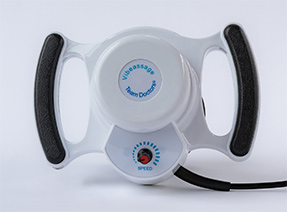
This was not spa care. This was not routine treatment – physical therapy. This was mechanical rescue. He used the Vibeassage and combined it with aggressive lymphatic drainage to move fluid that had been trapped in her chest and tissues. He worked to decompress the thorax, because the inflammation there was directly related to the pulmonary embolisms that had nearly killed her.
This was not treatment – adjustments in the casual sense. This was structural decompression of a system that was failing.
At that point, she could barely feel her own body. Below her knees, sensation was faint. Her hands were numb. Her feet were numb. She was still at risk of death.
And yet, slowly, something began to change.
The swelling began to go down. The pressure in her chest began to ease. Her breathing began to improve. Her nervous system started to come out of constant crisis mode.
For the first time in years, her body was not getting worse.
It was getting better.
Before she even left Chicago, she made another decision. She bought the large Vibeassage tower unit and had it shipped to her house so it would be waiting when she got home. She also took the travel unit with her. She understood now that real thoracic outlet syndrome self-care is not passive. It is daily, mechanical maintenance.
In the months that followed, she would also buy the machine for her daughter and for friends who were struggling with severe inflammation and chronic pain. She had become a believer not in a gadget, but in a system.
Nearly a year later, she still uses the Vibeassage at least twice a week, and often more. After thirty years in construction, she still wants to work, still wants to live, still wants to play. When she gets sore, she uses the machine. When her body starts to feel heavy, she uses the machine. This is now part of her real thoracic outlet syndrome natural treatment.
But Chicago revealed something else too.
Further testing showed that she had toxic levels of mercury, lead, arsenic, cadmium, and gadolinium in her body, along with multiple toxic molds affecting her nervous system. In other words, her inflammation was not just mechanical. It was chemical too.
She began detoxifying. Slowly. Carefully. Methodically.
At the same time, her medication list collapsed from many prescriptions down to one. The rest were replaced with vitamins and supplements. She lost about twenty-five pounds simply because her system was no longer drowning in inflammation.
She is still on that path.
She is still detoxing.
She is still rebuilding.
And she knows, without question, that if she had not gotten on that train and gone to Chicago when she did, she would not be alive today.
Before that week, she had been told more than once that thoracic outlet surgery or TOS surgery was probably inevitable. She had heard about first rib resection and first rib surgery as if they were logical next steps. She had read about thoracic outlet syndrome surgery recovery, thoracic outlet syndrome surgery recovery time, and first rib resection recovery, and she had seen what thoracic outlet syndrome surgery results often really look like.
She knew about thoracic outlet syndrome surgery risks, thoracic outlet surgery complications, thoracic outlet syndrome surgery complications, and first rib resection complications. She had seen the reality behind thoracic outlet surgery scars.
She had also learned that surgery does not restore a system.
It only removes parts.
Dr. Stoxen did not offer treatment – first rib by removing it.
He offered something far more radical.
He gave her back a body that could hold itself up again.
There is no fairy-tale cure for thoracic outlet syndrome.
But there is a way to stop the collapse.
And that week in Chicago is when her body stopped dying and started living again.
Team Doctors Resources
✓ Check out the Team Doctors Recovery Tools
The Vibeassage Sport and the Vibeassage Pro featuring the TDX3 soft-as-the-hand Biomimetic Applicator Pad
https://www.teamdoctors.com/
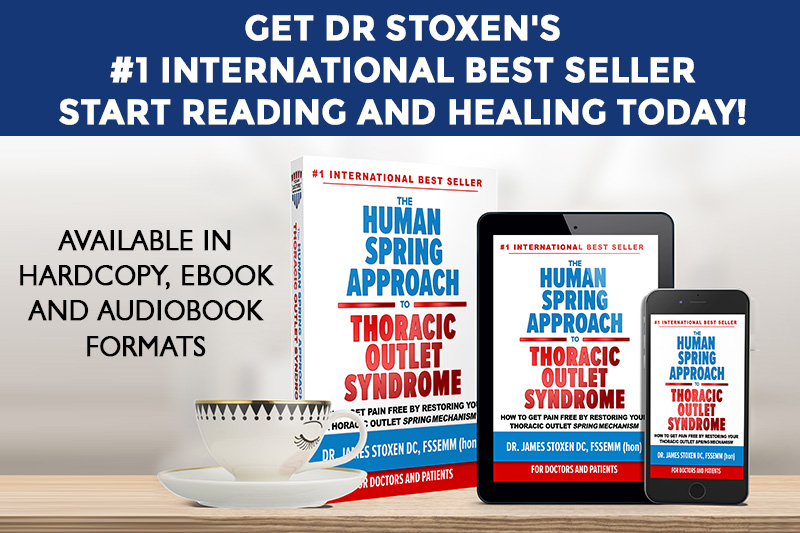
✓ Get Dr. Stoxen’s #1 International Bestselling Books
Learn how to understand, examine, and reverse your TOS—without surgery.
https://drstoxen.com/1-international-best-selling-author/
✓ Check out Team Doctors Online Courses
Step-by-step video lessons, demonstrations, and self-treatment strategies.
https://teamdoctorsacademy.com/
✓ Schedule a Free Phone Consultation With Dr. Stoxen
Speak directly with him so he can review your case and guide you on your next steps.
https://drstoxen.com/appointment/
#ThoracicOutletSyndrome #FailedTOSSurgery #TOSRecovery #ChronicPainStory #VascularTOS #ArmPain #PatientAdvocacy #MedicalTrauma #SurgeryFailure #PainJourney
Medical Disclaimer
This article is provided for educational and informational purposes only. It is not intended to diagnose, treat, cure, or prevent any disease, nor is it intended to replace professional medical advice, diagnosis, or treatment.
Thoracic outlet syndrome and related nerve, vascular, and musculoskeletal conditions can present differently in each individual. Treatment decisions—including surgical and non-surgical options—must be made on a case-by-case basis in consultation with a qualified, licensed healthcare professional who is familiar with the patient’s complete medical history.
The experiences described in this article reflect individual outcomes and do not guarantee similar results for others. Surgical procedures, including thoracic outlet surgery and first rib resection, carry inherent risks, and outcomes vary based on many factors including diagnosis, timing, practitioner experience, and patient-specific anatomy and physiology.
Readers should not delay or discontinue medical care based on information contained in this article. Always seek the guidance of a qualified healthcare provider with any questions regarding symptoms, conditions, or treatment options.
Editor’s Note
This article explores a patient and family experience following thoracic outlet syndrome surgery and highlights the importance of comprehensive evaluation, informed decision-making, and second opinions when managing complex pain conditions.
The article also references the Human Spring Approach, a biomechanical evaluation and treatment framework developed by Dr James Stoxen, which emphasizes understanding the body as an integrated, dynamic spring system rather than a collection of isolated anatomical structures. The inclusion of this approach is intended to illustrate an alternative clinical perspective, not to discredit surgery or any specific medical specialty.
Mention of specific clinicians, evaluation models, or treatment philosophies does not constitute endorsement, medical advice, or a claim of superiority. Rather, it reflects the editorial goal of encouraging patients and families to seek clarity, explanation, and individualized assessment before pursuing irreversible interventions.
The editorial position of this publication is that understanding should precede intervention, especially in conditions where symptoms persist, worsen, or fail to respond to standard care.
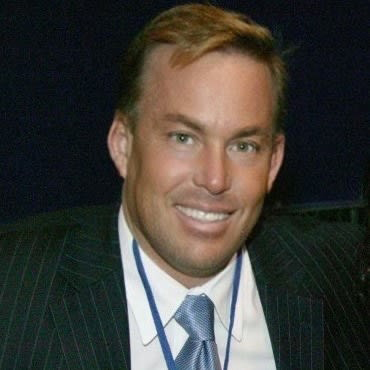
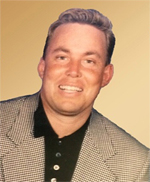
Dr James Stoxen DC., FSSEMM (hon) He is the president of Team Doctors®, Treatment and Training Center Chicago, one of the most recognized treatment centers in the world.
Dr Stoxen is a #1 International Bestselling Author of the book, The Human Spring Approach to Thoracic Outlet Syndrome. He has lectured at more than 20 medical conferences on his Human Spring Approach to Thoracic Outlet Syndrome and asked to publish his research on this approach to treating thoracic outlet syndrome in over 30 peer review medical journals.
He has been asked to submit his other research on the human spring approach to treatment, training and prevention in over 150 peer review medical journals. He serves as the Editor-in-Chief, Journal of Orthopedic Science and Research, Executive Editor or the Journal of Trauma and Acute Care, Chief Editor, Advances in Orthopedics and Sports Medicine Journal and editorial board for over 35 peer review medical journals.
He is a much sought-after speaker. He has given over 1000 live presentations and lectured at over 70 medical conferences to over 50,000 doctors in more than 20 countries. He has been invited to speak at over 300 medical conferences which includes invitations as the keynote speaker at over 50 medical conferences.
After his groundbreaking lecture on the Integrated Spring-Mass Model at the World Congress of Sports and Exercise Medicine he was presented with an Honorary Fellowship Award by a member of the royal family, the Sultan of Pahang, for his distinguished research and contributions to the advancement of Sports and Exercise Medicine on an International level. He was inducted into the National Fitness Hall of Fame in 2008 and the Personal Trainers Hall of Fame in 2012.
Dr Stoxen has a big reputation in the entertainment industry working as a doctor for over 150 tours of elite entertainers, caring for over 1000 top celebrity entertainers and their handlers. Anthony Field or the popular children’s entertainment group, The Wiggles, wrote a book, How I Got My Wiggle Back detailing his struggles with chronic pain and clinical depression he struggled with for years. Dr Stoxen is proud to be able to assist him.
Full Bio) Dr Stoxen can be reached directly at teamdoctors@aol.com