Chronic Gamer Pain
Numb Hands & Burning Forearms
Gamer Pain Has No Diagnosis: Why Gamers Are Misdiagnosed, Dismissed, and Left Without Answers
The Growing Crisis Doctors Aren’t Prepared For
Modern gaming has created a new class of patients—people with real, disabling pain but no clear diagnosis. These are not casual complaints. They are complex, multi-level gaming injuries that develop slowly, intensify silently, and often defy conventional testing. For many, the journey begins with mild gamer pain and ends years later in gaming related disability, without ever receiving a clear explanation for what went wrong.
This crisis is especially visible in competitive and long-session players, where esports injuries and repetitive strain injury gaming patterns accumulate faster than the body can recover. Unlike acute sports trauma, gaming injuries are cumulative. They are mechanical failures that unfold over time—often missed because no single moment marks their beginning.
Is 2 Hours of Gaming Too Much? The Wrong Question
Gamers frequently ask, “Is 2 hours of gaming too much?”
The honest answer is: it depends on the mechanical load, not the clock.
Two hours with poor posture, static shoulder positioning, and continuous hand use can be far more damaging than six hours with proper variability and recovery. Long hours gaming pain is not caused by duration alone—it is caused by sustained compression, poor circulation, and loss of tissue elasticity.
This is why gaming posture problems, desk posture injury gaming, and gaming ergonomics injury matter more than most clinicians realize. The problem is not gaming itself. It is how the body is forced to hold itself while gaming.
Early Warning Signs Doctors Often Dismiss
Most gamers do not present with dramatic symptoms at first. They describe:
- Gamer neck pain
- Neck stiffness gaming
- Mild gamer shoulder pain
- Intermittent gamer wrist pain
- Occasional tingling fingers gaming
These symptoms are frequently minimized. Patients are told to stretch, ice, rest, or “take breaks.” The 20-20-20 rule for gaming—looking away every 20 minutes, 20 feet away, for 20 seconds—is often suggested. While helpful for eye strain, it does nothing to restore upper-body spring mechanics or resolve nerve compression.
This is where the first diagnostic failure occurs.
When Pain Moves but Imaging Stays Normal
As symptoms progress, gamers often experience:
- Forearm pain gaming
- Numbness in hands gaming
- Cold hands gaming
- Hand swelling gaming
- Arm heaviness and fatigue
They seek medical care expecting answers. Instead, they encounter a confusing pattern:
- Normal MRI but arm pain
- Imaging normal but symptoms persist
- Normal tests but arm pain
- Why MRI is normal but pain persists
The explanation is simple—and rarely communicated:
Most nerve compression in gamers is dynamic, not structural.
MRIs are static images. They do not show what happens when muscles tighten, posture collapses, or circulation is restricted during activity. This is why why scans don’t show nerve compression is such a common and frustrating reality.
The Cascade of Misdiagnosis
Without clear imaging findings, doctors default to familiar labels:
- Arm pain misdiagnosed as carpal tunnel
- Arm pain misdiagnosed as rotator cuff
- Arm pain misdiagnosed as pinched nerve
- Shoulder pain misdiagnosed
- Wrong diagnosis shoulder pain
Gamers are often told they have carpal tunnel gaming even when symptoms don’t match median nerve patterns. Others are labeled with cubital tunnel syndrome gaming based on elbow pain alone. Some are told they have a cervical disc issue despite no imaging evidence.
Each misdiagnosis delays real treatment.
Why Doctors Miss Thoracic Outlet Syndrome
One of the most commonly overlooked conditions in gamers is thoracic outlet syndrome gaming. The reason is simple: most clinicians are not trained to recognize it in non-trauma populations.
Thoracic outlet syndrome is often taught as a rare condition seen after accidents or in certain occupations. It is not widely taught as a repetitive-load compression syndrome—yet that is exactly how it develops in gamers.
This leads to:
- Misdiagnosed thoracic outlet syndrome
- Overlooked thoracic outlet syndrome
- Orthopedic doctor missed TOS
- Why doctors miss thoracic outlet syndrome
When thoracic outlet compression goes undetected, symptoms spread distally—into the forearms, wrists, and hands—creating the illusion of multiple unrelated problems.
“Nothing Is Wrong” — The Most Dangerous Diagnosis
Perhaps the most damaging moment for gamers occurs when they are told:
- Doctors say nothing is wrong arm pain
- Pain no clear diagnosis
- Chronic pain without diagnosis
- Chronic pain without answers
This dismissal has consequences. Patients begin to doubt themselves. They push through pain. They delay care. Meanwhile, compression worsens, circulation declines, and nerve irritation becomes chronic.
This is how undiagnosed arm nerve pain becomes chronic arm pain gaming.
Why Neurologists and Orthopedists Often Disagree
Gamers frequently bounce between specialists:
- Neurologist can’t find cause arm pain
- Orthopedic doctor missed TOS
Each specialist looks within their silo. Neurologists look for electrical abnormalities. Orthopedists look for structural damage. Neither is trained to evaluate dynamic compression under sustained load.
This gap explains why nerve pain no diagnosis is so common in gamers.
The Emotional Cost of Being Dismissed
As months turn into years, gamers experience:
- Arm pain not taken seriously
- Dismissed arm pain
- Unexplained shoulder pain
- Unexplained arm numbness
This emotional burden compounds physical pain. Many gamers begin to experience anxiety, sleep disruption, and withdrawal from activities they love. The phrase chronic pain gamers is not just descriptive—it reflects a population quietly burning out.
Gaming Fatigue Is Not Just Fatigue
Gamer fatigue syndrome is often misunderstood as mental exhaustion. In reality, it is frequently physical—caused by sustained muscle contraction, impaired circulation, and ongoing nerve irritation.
When muscles remain contracted without adequate recoil, they choke off their own blood supply. This leads to poor circulation arm gaming, accelerated fatigue, and escalating pain.
The Missing Mechanical Explanation
What is missing in nearly every misdiagnosed case is a mechanical framework that explains:
- Why pain migrates
- Why symptoms fluctuate
- Why imaging is normal
- Why rest helps briefly but not permanently
This is where the Human Spring Approach, developed by Dr. James Stoxen, becomes essential.
Rather than treating the body as a set of rigid levers, this approach recognizes the body as a spring-based system. When spring compliance is lost—through posture collapse, repetitive load, and chronic inflammation—space disappears. Nerves and blood vessels are compressed dynamically, not structurally.
Why Gamer’s Thumb Is Often Misunderstood
Gamers frequently ask:
- What is “gamer’s thumb” exactly?
- What is a PlayStation thumb?
- Is trigger thumb very painful?
- Does ice help gamers thumb?
- Treatment of Gamer’s Thumb
Most doctors treat gamer’s thumb as a local tendon issue. But in many cases, thumb pain is downstream of forearm compartment pressure and shoulder-neck compression. Ice may reduce surface inflammation, but it does not restore circulation or reduce nerve pressure.
This is why gaming injury treatment must address the entire chain, not just the painful joint.
Where This Leaves Gamers Right Now
Gamers with persistent symptoms often feel trapped between:
- No diagnosis
- Wrong diagnosis
- Dismissal
- Fear of worsening
They are living with gaming pain won’t go away and no roadmap forward.
How Dr. James Stoxen Diagnosed and Reversed David West’s Exertional Compartment Syndrome of the Forearm
For years, David West lived inside a cycle that many gamers know too well. What began as mild gamer pain during long gaming sessions evolved into relentless forearm pain gaming, hand fatigue, and burning pressure that would not resolve with rest.
Like many facing gaming injuries and esports injuries, David was told to stretch, ice, and reduce play time. Yet the symptoms only escalated. His hands would swell after activity, his forearms felt rigid and overpressurized, and the pain would return the moment he resumed normal use. This was not ordinary soreness. This was chronic arm pain gaming driven by a deeper mechanical failure.
By the time David reached Dr. James Stoxen in Chicago, he had already experienced the frustration of normal tests but arm pain, a familiar story among chronic pain gamers.
Imaging had failed to explain his symptoms. Doctors struggled with undiagnosed arm nerve pain and chronic pain without diagnosis. What was missing was a mechanical evaluation that could explain why pressure, burning, and loss of endurance occurred specifically with use.
The Diagnosis: Exertional Compartment Syndrome of the Forearm
Dr. Stoxen’s evaluation immediately identified what others had missed: exertional compartment syndrome of the forearm, a form of chronic exertional compartment syndrome driven by repetitive load, sustained muscle contraction, and loss of tissue compliance. Unlike acute traumatic compartment syndrome, this condition develops silently over time. In gamers, it is fueled by repetitive strain injury gaming, gaming overuse injury, and gaming muscle tension that never fully releases.
During the examination, Dr. Stoxen assessed tissue density, circulation response, and muscle behavior under load. David’s forearm flexors and forearm extensors were dense, rigid, and slow to recover after activity.
Pressure built rapidly during use, explaining the burning pain, swelling, and fatigue. This also explained why icing helped briefly but failed to hold, and why gaming physical therapy that focused only on stretching or strengthening did not resolve the problem. The fascia surrounding the muscles had lost elasticity, trapping pressure during exertion.
Why Rest and Ice Failed
David had asked the same questions many gamers ask: Does ice help gamer’s thumb? Is rest enough? The answer, in his case, was no. Ice can reduce surface inflammation, but it does not restore circulation or tissue compliance.
With chronic compartment syndrome, pressure returns as soon as activity resumes. This is why David experienced gaming pain won’t go away despite doing “everything right.”
The Human Spring Approach: Restoring Compliance Instead of Cutting Tissue
Rather than treating compartment syndrome as a condition that inevitably leads to surgery, Dr. Stoxen applied the Human Spring Approach—a biomechanical model that views the body as a spring system designed to absorb load and maintain space. When the spring stiffens, pressure builds. The solution is not to remove tissue, but to restore elasticity, circulation, and controlled recoil.
For David, this meant a targeted, non-surgical plan focused on:
- Reducing chronic muscle guarding
- Improving blood flow through dense forearm compartments
- Restoring elastic motion before loading
- Rebuilding endurance gradually
Vibeassage Sport and Vibeassage Pro: Tools That Changed the Outcome
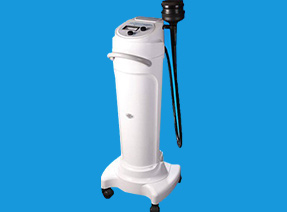
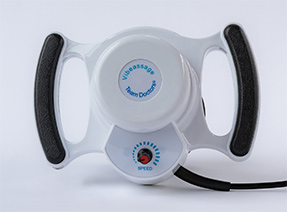
A critical component of David’s recovery was the consistent use of Vibeassage Sport and Vibeassage Pro, tools designed to improve circulation and tissue compliance without the trauma associated with percussion devices. Unlike massage guns that can aggravate pressure inside tight compartments, the Vibeassage systems deliver controlled vibration and compression that encourage blood flow and lymphatic drainage.
David used the Vibeassage Pro during intensive recovery phases to address deep tissue density in the forearms. As symptoms stabilized, he incorporated Vibeassage Sport into daily maintenance—before gaming, after workouts, and during flare-ups. The effect was measurable. His forearms warmed more quickly, swelling diminished, and post-activity pain no longer rebounded.
This consistent circulation work addressed one of the core drivers of exertional compartment syndrome: trapped inflammation and impaired blood flow.
The Exercise Training Dr. Stoxen Prescribed
Equally important was the exercise program Dr. Stoxen prescribed. This was not generic strengthening. David learned that loading stiff tissue too early would worsen pressure. Instead, the program followed a precise sequence:
- Restore compliance first (using Vibeassage and manual techniques)
- Introduce low-load endurance work to retrain circulation
- Gradually increase gaming-specific demands
- Monitor recovery, not just performance
This approach directly countered gamer fatigue syndrome by rebuilding tolerance without triggering pressure spikes. Over time, David noticed that his endurance improved without the familiar burning sensation. His grip no longer failed mid-session. The swelling that once followed use disappeared.
The Turning Point: Gaming Without Pain
The true test came when David returned to gaming. Previously, even short sessions triggered forearm pain gaming, numbness in hands gaming, and tingling fingers gaming. Now, with restored tissue compliance and proper load management, those symptoms did not return. He was able to game for extended sessions without pain, without swelling, and without fear.
For the first time in years, gaming was enjoyable again—not a calculation of risk. The cycle of gaming related disability had been broken.
Why This Case Matters for Gamers
David’s experience highlights a critical truth: many cases of gaming injuries and esports nerve damage are mismanaged because the underlying mechanics are misunderstood. Exertional compartment syndrome of the forearm is real, common in gamers, and frequently overlooked. When properly diagnosed and treated with a system-based approach, it can be reversed without surgery.
Back to Gaming, Back to Life
Today, David continues to use Vibeassage Sport and Vibeassage Pro as part of his routine. He follows the exercise principles Dr. Stoxen taught him and monitors recovery as carefully as performance. The result is simple but profound: he is back gaming with no pain.
His story stands as proof that when gaming injury treatment addresses mechanics, circulation, and load—not just symptoms—recovery is possible. For gamers trapped in chronic forearm pain, David’s outcome offers something many have lost: a clear path forward.
Team Doctors Resources
✓ Check out the Team Doctors Recovery Tools
The Vibeassage Sport and the Vibeassage Pro featuring the TDX3 soft-as-the-hand Biomimetic Applicator Pad
https://www.teamdoctors.com/
✓ Get Dr. Stoxen’s #1 International Bestselling Books
Learn how to understand, examine, and reverse your TOS—without surgery.
https://drstoxen.com/1-international-best-selling-author/
✓ Check out Team Doctors Online Courses
Step-by-step video lessons, demonstrations, and self-treatment strategies.
https://teamdoctorsacademy.com/
✓ Schedule a Free Phone Consultation With Dr. Stoxen
Speak directly with him so he can review your case and guide you on your next steps.
https://drstoxen.com/appointment/
#ThoracicOutletSyndrome #TOS #TOSDiagnosis #NeurogenicTOS #MuscleGuarding #RibDysfunction #Misdiagnosis #HandsOnCare #ClinicalExamination #Biomechanics #NerveCompression #PectoralisMinor #ThoracicOutletCompression #PatientStories #MedicalEducation #MovementBasedCare #TOSAwareness #DeepTissue #EarlyTreatment #TeamDoctors #ThoracicOutletSyndrome #TOSAwareness #TOSPain #ChronicPainJourney #NerveCompression #ArmPain #ShoulderPain #RareDiseaseAwareness #InvisibleIllness #ChronicPainLif
Medical Disclaimer
This article is provided for educational and informational purposes only. It is not intended to diagnose, treat, cure, or prevent any disease, nor is it intended to replace professional medical advice, diagnosis, or treatment.
Thoracic outlet syndrome and related nerve, vascular, and musculoskeletal conditions can present differently in each individual. Treatment decisions—including surgical and non-surgical options—must be made on a case-by-case basis in consultation with a qualified, licensed healthcare professional who is familiar with the patient’s complete medical history.
The experiences described in this article reflect individual outcomes and do not guarantee similar results for others. Surgical procedures, including thoracic outlet surgery and first rib resection, carry inherent risks, and outcomes vary based on many factors including diagnosis, timing, practitioner experience, and patient-specific anatomy and physiology.
Readers should not delay or discontinue medical care based on information contained in this article. Always seek the guidance of a qualified healthcare provider with any questions regarding symptoms, conditions, or treatment options.
Editor’s Note
This article explores a patient and family experience following thoracic outlet syndrome surgery and highlights the importance of comprehensive evaluation, informed decision-making, and second opinions when managing complex pain conditions.
The article also references the Human Spring Approach, a biomechanical evaluation and treatment framework developed by Dr James Stoxen, which emphasizes understanding the body as an integrated, dynamic spring system rather than a collection of isolated anatomical structures. The inclusion of this approach is intended to illustrate an alternative clinical perspective, not to discredit surgery or any specific medical specialty.
Mention of specific clinicians, evaluation models, or treatment philosophies does not constitute endorsement, medical advice, or a claim of superiority. Rather, it reflects the editorial goal of encouraging patients and families to seek clarity, explanation, and individualized assessment before pursuing irreversible interventions.
The editorial position of this publication is that understanding should precede intervention, especially in conditions where symptoms persist, worsen, or fail to respond to standard care.

Dr James Stoxen DC., FSSEMM (hon) He is the president of Team Doctors®, Treatment and Training Center Chicago, one of the most recognized treatment centers in the world.
Dr Stoxen is a #1 International Bestselling Author of the book, The Human Spring Approach to Thoracic Outlet Syndrome. He has lectured at more than 20 medical conferences on his Human Spring Approach to Thoracic Outlet Syndrome and asked to publish his research on this approach to treating thoracic outlet syndrome in over 30 peer review medical journals.
He has been asked to submit his other research on the human spring approach to treatment, training and prevention in over 150 peer review medical journals. He serves as the Editor-in-Chief, Journal of Orthopedic Science and Research, Executive Editor or the Journal of Trauma and Acute Care, Chief Editor, Advances in Orthopedics and Sports Medicine Journal and editorial board for over 35 peer review medical journals.
He is a much sought-after speaker. He has given over 1000 live presentations and lectured at over 70 medical conferences to over 50,000 doctors in more than 20 countries. He has been invited to speak at over 300 medical conferences which includes invitations as the keynote speaker at over 50 medical conferences.
After his groundbreaking lecture on the Integrated Spring-Mass Model at the World Congress of Sports and Exercise Medicine he was presented with an Honorary Fellowship Award by a member of the royal family, the Sultan of Pahang, for his distinguished research and contributions to the advancement of Sports and Exercise Medicine on an International level. He was inducted into the National Fitness Hall of Fame in 2008 and the Personal Trainers Hall of Fame in 2012.
Dr Stoxen has a big reputation in the entertainment industry working as a doctor for over 150 tours of elite entertainers, caring for over 1000 top celebrity entertainers and their handlers. Anthony Field or the popular children’s entertainment group, The Wiggles, wrote a book, How I Got My Wiggle Back detailing his struggles with chronic pain and clinical depression he struggled with for years. Dr Stoxen is proud to be able to assist him.
Full Bio) Dr Stoxen can be reached directly at teamdoctors@aol.com