Cervical Fusion Neck Operation
I Avoided It—Here’s How
Life After Avoiding Cervical Fusion: What Happens When the Body Is Allowed to Heal
Greg expected relief after avoiding surgery, but what surprised him most was how different his body felt over time. In the weeks following treatment, the absence of pain was only part of the story. What truly changed was his sense of physical confidence.
Before his second opinion, Greg lived cautiously. Every movement carried uncertainty. He monitored his posture constantly, avoided long sessions at the computer, and braced himself mentally whenever travel or long workdays approached. Pain had trained him to move defensively.
That defensive posture began to dissolve.
As weeks turned into months, Greg noticed that his neck no longer felt fragile. Movement felt natural rather than calculated. He could turn his head quickly, look upward, and work for extended periods without anticipating consequences. This return of trust in his body was as meaningful as pain relief itself.
Greg began reflecting on how close he had come to neck fusion surgery. He remembered signing preliminary paperwork, discussing recovery timelines, and mentally preparing for life with reduced neck motion. At the time, it had felt unavoidable.
Now, with full range of motion intact, the idea of cervical vertebrae fusion felt distant and abstract. He realized that once motion is removed, it cannot be restored. The permanence of that decision weighed on him more heavily in hindsight than it ever had before.
Greg started reading more about long-term outcomes after cervical spinal fusion surgery. Many patients reported early relief followed by new symptoms years later. Cervical fusion adjacent segment disease appeared repeatedly in the literature, describing degeneration above and below the fused segment due to altered biomechanics.
What struck Greg was how often these complications were described as “expected” rather than preventable.
The more he learned, the more clearly he understood why his recovery had lasted. By restoring function instead of eliminating motion, his neck remained part of an adaptable system. His body could distribute load rather than concentrate it.
Greg also began to notice subtle improvements beyond his neck. His shoulders felt lighter. His upper back no longer carried constant tension. Even his breathing felt deeper and less restricted. These changes reinforced what he had learned about the body as a spring system.
In a spring-based system, motion is not the enemy. It is the mechanism by which health is preserved.
Greg realized that much of his earlier suffering stemmed from accumulated stiffness rather than weakness or instability. Chronic inflammation had increased resistance in tissues designed to stretch, recoil, and share load. Once that resistance was removed, movement became protective rather than dangerous.
This insight reshaped how Greg viewed rehabilitation. Traditional models often focus on stabilizing, bracing, or limiting motion. In contrast, the Human Spring Approach emphasizes restoring elasticity, allowing the body to manage force dynamically.
Greg thought often about patients he had met during his treatment—people who had already undergone cervical fusion and were now dealing with lingering pain, limited range of motion, or new symptoms. Many had been told that surgery was successful because the fusion “held,” even though they still suffered.
He now understood the difference between structural success and functional success.
A fusion can be technically perfect and biomechanically incomplete. By locking one segment, it forces others to compensate. Over time, this compensation can overload joints, discs, and nerves that were never designed to absorb that level of stress.
Greg reflected on how close he had come to that path. Cervical fusion complications, cervical fusion nerve damage, and the possibility of cervical fusion revision surgery had once felt like distant risks. Now they felt like outcomes he had narrowly avoided.
What also became clear was that recovery did not end when pain disappeared. Maintaining spring health required attention. Greg adopted daily habits focused on movement variability, recovery, and inflammation control.
He learned that stiffness accumulates silently. Long hours in static postures, emotional stress, and inadequate recovery can all increase spring stiffness. Without intervention, that stiffness slowly erodes function again.
Greg used vibration therapy regularly to maintain tissue compliance. He combined it with gentle movement to keep muscles responsive rather than reactive. These practices became part of his routine, not because he was injured, but because he wanted to stay adaptable.
He also paid closer attention to how his whole body moved. He noticed that days when his hips and thoracic spine felt stiff, his neck worked harder. This reinforced the importance of kinetic chain spring transfer, where load moves through the entire system.
Greg’s experience changed how he spoke to others facing surgery. He never discouraged medical care. Instead, he encouraged understanding. He urged people to seek a neck pain specialist before surgery, especially a non-surgical neck pain specialist who evaluates function, not just imaging.
He emphasized that surgery has a place—but it should come after understanding why pain exists, not before.
Greg’s story became less about avoiding surgery and more about respecting design. The human body is resilient when allowed to behave as it was intended. When springs are allowed to absorb, store, and release energy, pain often resolves without drastic intervention.
As Greg moved further away from the moment when fusion seemed inevitable, gratitude replaced fear. He was thankful not just for the outcome, but for the knowledge that protected him from making an irreversible decision.
And he knew that the real work—protecting his spring system—was ongoing.
Why Fusion Often Fails Long-Term: When Motion Is Removed Instead of Restored
As Greg settled into life without pain, he became increasingly aware of how different his outcome was from many people he met who had undergone cervical fusion. Some initially reported relief, but years later struggled with new symptoms they never expected. Neck stiffness gave way to shoulder pain, headaches, arm numbness, or deep fatigue that no scan could fully explain.
Greg learned that this pattern was not rare. Many patients experience problems related to cervical fusion long term outcomes, even when surgery is considered technically successful. The fusion may heal, hardware may remain intact, and imaging may look “perfect,” yet function continues to decline.
The explanation, he realized, lay in biomechanics rather than pathology.
When a segment of the cervical spine is fused, motion does not disappear—it is transferred. Adjacent joints are forced to absorb forces they were never designed to manage. Over time, this altered biomechanical load distribution increases stress on nearby discs, joints, and soft tissues, often leading to cervical fusion adjacent segment disease.
Greg compared this to what he had learned about springs. In a healthy system, force is shared and recycled. In a rigid system, force concentrates. The neck, designed to act as a series of compression springs in the spine and torsional spring mechanics in joints, loses its ability to dissipate energy once motion is eliminated.
Many fusion patients describe a gradual narrowing of movement options. Simple actions—checking blind spots while driving, looking upward, or rotating the head quickly—become limited or uncomfortable. These cervical fusion limitations often require compensatory movement from the upper back and shoulders, shifting stress into new regions.
Greg realized that his own recovery had followed the opposite trajectory. Instead of compensating more over time, his body compensated less. Movement became easier, not harder. This was the hallmark of a system regaining spring stiffness vs compliance balance.
He also learned that some fusion patients experience persistent nerve symptoms despite surgery. Cervical fusion nerve damage or irritation can occur not only from the procedure itself, but from ongoing tension and altered mechanics afterward. When spring behavior is not restored, nerve tunnels remain vulnerable during movement.
Greg reflected on how his symptoms had behaved before treatment. Pain flared with activity, not rest. It shifted with posture. It intensified during long workdays or travel. These patterns had pointed toward functional compression rather than irreversible damage.
In hindsight, the recommendation for cervical fusion for spinal stenosis or cervical fusion for herniated disc made sense within a limited model. But it failed to account for tunnel mechanics for nerves and blood vessels, which depend on dynamic suspension rather than static space.
Greg also encountered stories of people who required cervical fusion revision surgery years after their initial procedure. Hardware fatigue, nonunion, or adjacent segment breakdown forced them back into the operating room. The idea that surgery could become a recurring chapter rather than a final solution troubled him deeply.
He contrasted those stories with his own experience. Instead of escalating care, his needs diminished. Instead of relying on external stabilization, his body regained internal control. This reinforced the importance of neuromechanical spring control, where the nervous system coordinates muscle tone to protect joints naturally.
Greg understood now that inflammation was the silent accelerator of decline. In fusion patients, inflammation often persists or returns because altered mechanics continue to overload tissues. Without restoring elastic energy storage in the body, movement remains inefficient and fatiguing.
By comparison, his recovery focused on reducing inflammation so that spring mechanics in human movement could reemerge. Once the system regained elasticity, the stretch-shortening cycle biomechanics that protect joints resumed automatically.
Greg also recognized the emotional cost of fusion that is rarely discussed. Fear of movement, uncertainty about hardware, and anxiety about future degeneration often linger. Even when pain improves, confidence does not always return.
For Greg, confidence returned alongside motion. He trusted his body because it behaved predictably again. He no longer felt fragile or “managed.” He felt adaptable.
This adaptability extended beyond his neck. He became more aware of how stress, sleep, and posture affected his entire system. He noticed that when his rib cage and upper back moved well, his neck felt effortless. When his lower body absorbed load properly, his upper body stayed relaxed.
This reinforced the role of the fascial spring network and kinetic chain spring transfer. The neck does not function in isolation. It reflects the health of the entire spring system.
Greg often thought about how differently his life might look had he proceeded with surgery. Cervical fusion recovery would have consumed months, possibly years. Rehabilitation would have focused on adapting to loss of motion rather than restoring it. The risk of chronic pain would have remained.
Avoiding surgery did not mean avoiding responsibility. It meant committing to maintenance. Greg learned that springs require care. Stiffness must be addressed early. Movement variability must be preserved.
He adopted habits designed to support spring-based injury prevention, including regular movement breaks, vibration therapy, and recovery strategies that kept tissues compliant. These practices became preventative rather than reactive.
Greg now speaks openly about his experience, especially with those facing surgery. He encourages people to ask different questions—not just “What’s damaged?” but “How is my body managing load?” He urges them to consult a neck pain specialist before surgery, particularly one who understands applied clinical biomechanics.
He does not claim surgery is never necessary. He believes it should be informed. Understanding whether pain stems from spring failure or structural collapse can change everything.
For Greg, that understanding preserved motion, confidence, and quality of life.
Protecting the Spring for Life: How Greg Maintains Health Without Surgery
As time passed, Greg realized that avoiding cervical fusion was not a one-time victory but a long-term commitment. Pain relief had given him freedom, but knowledge gave him security. He understood now that the human body, like any spring system, requires maintenance to remain resilient.
Greg learned that aging alone does not cause chronic pain. What causes pain is the gradual loss of elasticity in tissues designed to stretch, recoil, and distribute force. Without intervention, stiffness accumulates quietly, increasing vulnerability to overload.
The Human Spring Approach reframed aging as a mechanical challenge rather than an inevitable decline. Springs do not fail because they are used; they fail because they are overloaded or deprived of recovery. This insight gave Greg control over his future health.
One of the most important lessons Greg embraced was movement variability. He stopped treating posture as something to “hold” and began treating it as something to move through. Static positions, he learned, are one of the fastest ways to increase spring stiffness.
Greg incorporated gentle, frequent movement throughout his day. He shifted positions, rotated his spine, and allowed his neck to move naturally rather than guarding it. This preserved spring mechanics in human movement and prevented stiffness from rebuilding.
Vibration therapy remained part of his routine. Used preventively, it supported vibration and spring restoration by keeping tissues compliant and reducing low-grade inflammation. This allowed the nervous system to maintain neuromechanical spring control instead of reverting to protective guarding.
Greg also paid closer attention to recovery. Sleep, hydration, and breathing patterns all influenced tissue elasticity. He noticed that poor sleep increased stiffness, while proper recovery restored elastic energy storage in the body.
As years passed, Greg remained pain-free. He worked long hours, traveled extensively, and maintained a demanding schedule without relapse. His neck did not feel fragile or managed; it felt strong and adaptable.
He contrasted this with stories he continued to hear from fusion patients. Some struggled with cervical fusion and chronic pain despite technically successful surgeries. Others faced limitations in rotation, extension, and overall comfort that never fully resolved.
Greg understood now why cervical fusion range of motion loss mattered so much. Motion is not just convenience—it is how the body dissipates stress. Removing it shifts load elsewhere, often silently at first.
He also reflected on the emotional cost of fusion. Patients often described living cautiously, fearing hardware failure or adjacent degeneration. Even when pain improved, confidence often did not return fully.
Greg’s experience reinforced that health is not the absence of symptoms but the presence of adaptability. His body could respond to unexpected demands without protest. That adaptability was the true marker of recovery.
When people asked Greg what saved him from surgery, he did not point to a single technique. He pointed to understanding. Learning that his body was designed as a spring system changed how every symptom was interpreted.
He now encourages anyone facing neck surgery to pause and ask whether their condition has been evaluated through a functional lens. A doctor who treats cervical spine compression naturally, a movement-based neck pain specialist, or a functional spine specialist may see possibilities others miss.
Greg emphasizes that surgery should never be feared—but it should never be rushed. Understanding whether pain arises from spring failure and chronic pain or irreversible damage can determine whether surgery restores health or merely manages symptoms.
Today, Greg lives without the shadow of surgery hanging over him. His quality of life is intact. His work thrives. His confidence in his body has returned fully.
Most importantly, he knows how to protect what he regained.
3 Human Spring–Based Health Tips to End the Series
Preserve Elasticity, Not Rigidity
Movement variability, vibration, and recovery keep springs compliant. Stiffness, not motion, is the true enemy of spinal health.
Address Load Before Damage Occurs
Pain often signals overload, not failure. Reduce inflammation and restore energy recycling early to prevent chronic breakdown.
Seek Functional Understanding Before Structural Intervention
A doctor who understands applied clinical biomechanics can distinguish between spring dysfunction and true structural collapse. That distinction can change a life.
#CervicalFusion #NeckSurgeryAlternatives #HumanSpringModel #NonSurgicalSpineCare #ChronicNeckPain #Biomechanics #SpineHealth #FunctionalMedicine #PainEducation #MovementMedicine
Team Doctors Resources
✓ Check out the Team Doctors Recovery Tools
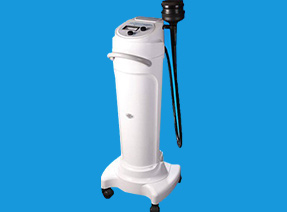
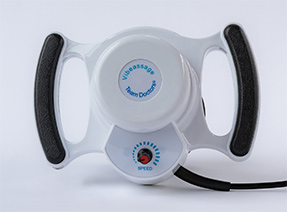
The Vibeassage Sport and the Vibeassage Pro featuring the TDX3 soft-as-the-hand Biomimetic Applicator Pad
https://www.teamdoctors.com/
✓ Get Dr. Stoxen’s #1 International Bestselling Books
Learn how to understand, examine, and reverse your TOS—without surgery.
https://drstoxen.com/1-international-best-selling-author/
✓ Check out Team Doctors Online Courses
Step-by-step video lessons, demonstrations, and self-treatment strategies.
https://teamdoctorsacademy.com/
✓ Schedule a Free Phone Consultation With Dr. Stoxen
Speak directly with him so he can review your case and guide you on your next steps.
https://drstoxen.com/appointment/
#ThoracicOutletSyndrome #FailedTOSSurgery #TOSRecovery #ChronicPainStory #VascularTOS #ArmPain #PatientAdvocacy #MedicalTrauma #SurgeryFailure #PainJourney
Medical Disclaimer
This article is provided for educational and informational purposes only. It is not intended to diagnose, treat, cure, or prevent any disease, nor is it intended to replace professional medical advice, diagnosis, or treatment.
Thoracic outlet syndrome and related nerve, vascular, and musculoskeletal conditions can present differently in each individual. Treatment decisions—including surgical and non-surgical options—must be made on a case-by-case basis in consultation with a qualified, licensed healthcare professional who is familiar with the patient’s complete medical history.
The experiences described in this article reflect individual outcomes and do not guarantee similar results for others. Surgical procedures, including thoracic outlet surgery and first rib resection, carry inherent risks, and outcomes vary based on many factors including diagnosis, timing, practitioner experience, and patient-specific anatomy and physiology.
Readers should not delay or discontinue medical care based on information contained in this article. Always seek the guidance of a qualified healthcare provider with any questions regarding symptoms, conditions, or treatment options.
Editor’s Note
This article explores a patient and family experience following thoracic outlet syndrome surgery and highlights the importance of comprehensive evaluation, informed decision-making, and second opinions when managing complex pain conditions.
The article also references the Human Spring Approach, a biomechanical evaluation and treatment framework developed by Dr James Stoxen, which emphasizes understanding the body as an integrated, dynamic spring system rather than a collection of isolated anatomical structures. The inclusion of this approach is intended to illustrate an alternative clinical perspective, not to discredit surgery or any specific medical specialty.
Mention of specific clinicians, evaluation models, or treatment philosophies does not constitute endorsement, medical advice, or a claim of superiority. Rather, it reflects the editorial goal of encouraging patients and families to seek clarity, explanation, and individualized assessment before pursuing irreversible interventions.
The editorial position of this publication is that understanding should precede intervention, especially in conditions where symptoms persist, worsen, or fail to respond to standard care.
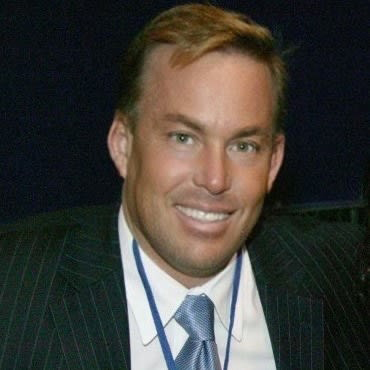
Dr James Stoxen DC., FSSEMM (hon) He is the president of Team Doctors®, Treatment and Training Center Chicago, one of the most recognized treatment centers in the world.
Dr Stoxen is a #1 International Bestselling Author of the book, The Human Spring Approach to Thoracic Outlet Syndrome. He has lectured at more than 20 medical conferences on his Human Spring Approach to Thoracic Outlet Syndrome and asked to publish his research on this approach to treating thoracic outlet syndrome in over 30 peer review medical journals.
He has been asked to submit his other research on the human spring approach to treatment, training and prevention in over 150 peer review medical journals. He serves as the Editor-in-Chief, Journal of Orthopedic Science and Research, Executive Editor or the Journal of Trauma and Acute Care, Chief Editor, Advances in Orthopedics and Sports Medicine Journal and editorial board for over 35 peer review medical journals.
He is a much sought-after speaker. He has given over 1000 live presentations and lectured at over 70 medical conferences to over 50,000 doctors in more than 20 countries. He has been invited to speak at over 300 medical conferences which includes invitations as the keynote speaker at over 50 medical conferences.
After his groundbreaking lecture on the Integrated Spring-Mass Model at the World Congress of Sports and Exercise Medicine he was presented with an Honorary Fellowship Award by a member of the royal family, the Sultan of Pahang, for his distinguished research and contributions to the advancement of Sports and Exercise Medicine on an International level. He was inducted into the National Fitness Hall of Fame in 2008 and the Personal Trainers Hall of Fame in 2012.
Dr Stoxen has a big reputation in the entertainment industry working as a doctor for over 150 tours of elite entertainers, caring for over 1000 top celebrity entertainers and their handlers. Anthony Field or the popular children’s entertainment group, The Wiggles, wrote a book, How I Got My Wiggle Back detailing his struggles with chronic pain and clinical depression he struggled with for years. Dr Stoxen is proud to be able to assist him.
Full Bio) Dr Stoxen can be reached directly at teamdoctors@aol.com