Thumbnail
Shoulder Replacement
Forearm Arm Surgery Fasciotomny
This Doctor Saved Him from Both
When the Shoulder Stops Acting Like a Spring
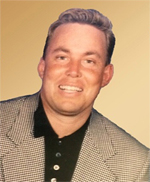
Greg was not unfamiliar with pressure.
As an Emmy, Tony, and Grammy-nominated producer, his career had been built on long hours, relentless deadlines, and the constant demand for precision. He understood how systems worked—how timing, structure, and coordination determined success or failure. What he did not realize was that his own body, particularly his left shoulder and arm forearm, was also a system. And that system was quietly collapsing.
At first, the pain felt mechanical. Predictable. A reminder of years spent working out at the gym, lifting heavy weights to offset the sedentary demands of production life. Then came the moment that changed everything: a complete tear of the biceps tendon.
The injury required surgery. The first of many.
That operation marked the beginning of a cascade—one that would eventually place Greg at the edge of shoulder replacement surgery and a potentially devastating compartment syndrome of the forearm.
The First Break in the System
The biceps tendon tear was repaired surgically, but the shoulder never truly recovered. Soon after, Greg suffered an AC separation, where the collarbone separated from the shoulder joint. The response was another procedure—AC decompression surgery—designed to “create space” by removing tissue.
Then came a rotator cuff tear.
The imaging report was blunt: full-thickness tear.
The recommendation was equally blunt: surgery is your only option.
What no one explained was that every surgery altered the elastic suspension system of the shoulder. Each incision removed tissue that once helped the joint function like a spring—absorbing force, maintaining joint space, and distributing load.
The shoulder was no longer behaving as a living spring.
It was beginning to behave like a failing hinge.
Compounding Trauma
Years later, Greg suffered a bad fall. Another surgery followed.
During that procedure, a nerve was accidentally cut.
The result was permanent loss of movement in one direction—an unmistakable sign that neurological integrity had been compromised. The cartilage that keeps the shoulder centered continued to degenerate, and instability worsened.
Eventually, imaging revealed the truth: the shoulder bone had dislocated upward, shifting nearly an inch out of the socket.
This was no longer a simple orthopedic issue.
This was a compression syndrome, involving nerves, blood vessels, muscles, and joint mechanics.
When Replacement Becomes the Only Story Doctors Tell
After consulting countless professionals—orthopedic surgeons, chiropractors, physical therapists—Greg heard the same message repeated in different ways:
- Do I need shoulder replacement?
- Yes.
He was told a reverse shoulder replacement was inevitable.
The explanation was chilling.
They would remove the socket.
They would screw an artificial ball into the shoulder blade using three long screws.
The risks were extensive:
- Additional nerve damage
- Infection
- Fractures
- Hardware failure
- Permanent loss of range of motion
- A long, painful recovery with no guarantee of success
The question haunted him:
Is shoulder replacement worth it?
He researched:
- shoulder replacement pain
- shoulder replacement risks
- shoulder replacement complications
- shoulder replacement recovery time
- life after shoulder replacement
- how long does shoulder replacement last
- revision shoulder replacement surgery
The more he read, the clearer it became:
This was not restoration.
This was salvage.
A Memory That Changed the Path
Eight months earlier, Greg had faced another surgical ultimatum—this time involving a neck fusion.
That was when he met Dr. James Stoxen.
Instead of surgery, Dr. Stoxen evaluated Greg through a different lens—one focused on mechanics, load distribution, nerve flow, and elastic recoil. Within three days, Greg was completely pain-free. The fusion was avoided.
So when the shoulder crisis reached its breaking point, Greg reached out again.
He sent everything:
- MRIs
- X-rays
- Surgical reports
Dr. Stoxen reviewed them carefully.
His response was honest and direct:
“This is severe.
This will not be quick.
But it may be reversible.”
The estimate was five days of intensive work.
For Greg, it was the last door before irreversible surgery.
When the Forearm Bececame a Warning Signal
When Greg arrived at Dr. Stoxen’s office, he expected the focus to be on his shoulder. After all, that was where the pain lived—or so he thought. What he did not expect was that the most dangerous problem threatening his arm forearm was not the shoulder joint itself, but something far downstream.
The examination began slowly, methodically, and unlike anything Greg had experienced before.
This was not a quick look followed by a protocol.
It was a system-by-system evaluation.
Dr. Stoxen assessed reflexes, joint motion, orthopedic stress responses, nerve conduction patterns, and muscle recruitment. He tested shoulder mechanics, neck stability, scapular suspension, and spinal spring behavior. Then he moved further down the arm—into the elbow, the forearm, and the hand.
That was when something alarming appeared.
The Grip Test That Changed Everything
Greg was handed a grip strength device.
He squeezed once.
The number was reasonable.
He squeezed again.
The number dropped.
He squeezed a third time.
It dropped further.
This pattern repeated—progressive weakness with repeated effort.
To most clinicians, this would have been dismissed as fatigue.
To Dr. Stoxen, it was a red flag.
This was a classic sign of compartment syndrome, specifically exertional compartment syndrome of the forearm, a condition that is frequently misdiagnosed or missed entirely.
The muscles of the forearm—both the forearm flexors and forearm extensors—are enclosed in rigid fascial compartments. When those compartments become inflamed and tight, they can compress the arteries and nerves running through them. Blood cannot replace oxygen fast enough. Waste products accumulate. Strength fades instead of stabilizing.
This explained everything.
The weakness.
The heaviness.
The pressure sensation.
The progressive failure with repeated use.
Understanding Compartment Syndrome Beyond the Textbook
Most people associate compartment syndrome with trauma—car accidents, fractures, crush injuries. That is acute compartment syndrome, which presents suddenly and often requires emergency surgery.
But Greg’s case was different.
This was chronic exertional compartment syndrome, driven by years of overuse, tension, and inflammation. In his case, excessive phone use, computer work, and compensatory muscle guarding from shoulder instability had slowly turned his forearm into a pressure chamber.
The cause of compartment syndrome in Greg’s case was not a single injury—it was cumulative load without adequate spring recovery.
The etiology of compartment syndrome here involved:
- Chronic inflammation
- Sustained muscle contraction
- Loss of elastic recoil
- Compression of arteries and nerves
Left untreated, chronic cases can become severe compartment syndrome, crossing the line into tissue-threatening ischemia.
Dr. Stoxen explained it plainly:
If oxygen cannot reach the tissues, the tissues can die.
At that stage, the only option becomes a compartment syndrome operation, known as a fasciotomy—where the fascia is surgically cut open to relieve pressure.
The risks are substantial:
- Infection
- Scarring
- Nerve injury
- Long-term weakness
- Permanent disability
Greg had seen this before.
The Tiger Woods Parallel
Dr. Stoxen referenced a well-known example: Tiger Woods.
After his car accident, Woods developed dangerous pressure in his leg compartments. Surgeons performed an emergency fasciotomy to save his foot. Without it, the oxygen deprivation would have caused irreversible tissue death.
The same physiology was occurring in Greg’s forearm.
The difference was timing.
Greg was still in a window where compartment syndrome treatment without surgery might be possible—if addressed aggressively and immediately.
Why Standard Care Fails These Patients
Greg learned something that day that explained years of frustration.
Conservative care often fails not because the condition is untreatable—but because the treatment dose is insufficient.
True compartment syndrome relief requires:
- Daily deep tissue intervention
- Sustained reduction of inflammation
- Restoration of blood flow
- Release of muscular compression
Most insurance plans do not cover this level of care.
Most therapists are not trained—or scheduled—to do hours of intensive work every day.
So patients are told:
- “There’s nothing more we can do.”
- “Surgery is your only option.”
This is how chronic compartment syndrome treatment quietly turns into compartment syndrome surgery.
Greg was standing at that exact crossroads.
And the shoulder problem made everything worse.
Two Emergencies at Once
Greg was facing:
- A shoulder unstable enough to require reverse shoulder replacement
- A forearm at risk for surgical fasciotomy
Both shared a common cause: compression.
Not structural loss.
Not lack of hardware.
But loss of space created by failed spring mechanics.
The shoulder had collapsed downward.
The forearm compartments had tightened inward.
Blood flow and nerve signaling were being strangled.
This was no longer about pain management.
This was about saving function.
Dr. Stoxen made the plan clear.
Five days.
No shortcuts.
No partial effort.
The Work Begins
Treatment started immediately.
Hours of deep tissue work were applied daily—not just to the shoulder, but through the entire kinetic chain:
- Shoulder girdle
- Arm
- Elbow
- Forearm
- Hand
The muscular forearm required precise, relentless attention. The goal was not brute force, but controlled release—softening the compartments enough to allow circulation to return.
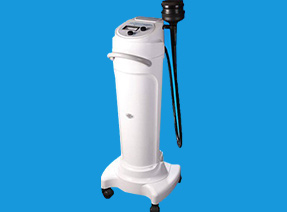
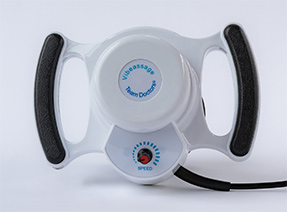
The Vibeassage, the device Dr. Stoxen had invented, was used strategically to:
- Flush inflammation
- Reduce muscle guarding
- Restore microcirculation
- Encourage elastic recoil
Sessions extended late into the evening—sometimes until 9:30 or 10 at night.
This was not therapy as Greg had known it.
This was system restoration.
Restoring the Spring, Avoiding the Knife
By the third day of treatment, Greg noticed something that no scan had captured and no surgeon had promised.
His shoulder no longer felt like it was falling out of him.
For years, the sensation had been unmistakable—a heavy, unstable pull, as if gravity itself were dragging the joint downward. That sensation was gone. In its place was something unfamiliar: quiet.
Not numbness.
Not stiffness.
But space.
The Shoulder as a Suspension System
Dr. Stoxen had explained early on that the shoulder is not meant to be a fixed joint. It is designed as a suspended system, held in position by elastic muscle tone, joint compliance, and coordinated recoil. When those elements fail, the shoulder collapses inward and downward, narrowing tunnels, compressing nerves, and destabilizing the joint.
This was the fundamental flaw behind Greg’s surgical history.
Each procedure had addressed structure—but none had restored suspension.
The reverse shoulder replacement that had been recommended would have permanently changed the mechanics of his body. The procedure would remove remaining cartilage, alter muscle leverage, and lock the shoulder into an artificial configuration. While sometimes necessary, it comes with well-documented tradeoffs:
- Shoulder replacement limitations
- Shoulder replacement stiffness
- Reduced shoulder replacement range of motion
- A visible shoulder replacement scar
- A finite lifespan of the implant
- Possible shoulder replacement failure symptoms
- Risk of revision shoulder replacement surgery
And perhaps most importantly, no replacement restores spring behavior.
The Turning Point
On day four, Dr. Stoxen asked Greg to raise his arm.
Slowly, cautiously, Greg lifted it.
Above shoulder level.
For the first time in years.
There was no sharp pain. No sense of the joint slipping. No fear-driven muscle guarding.
The shoulder stayed centered.
What imaging had described as “bone on bone shoulder pain” was no longer producing pain—not because bone had been replaced, but because compression had been removed.
The joint had found space again.
The Forearm Follows the Shoulder
Just as dramatic was what happened in Greg’s forearm.
The same grip test that had once revealed progressive weakness now told a different story.
First squeeze: strong.
Second squeeze: equally strong.
Third squeeze: stable.
Blood was flowing. Oxygen was reaching tissue. The compartment syndrome signs and symptoms had reversed.
This was not post-surgical recovery.
This was compartment syndrome relief without surgery.
Greg had avoided:
- Acute compartment syndrome progression
- Fasciotomy
- Life after compartment syndrome surgery
- The “before and after compartment syndrome surgery” scars that so many patients carry
In medical terms, his chronic exertional compartment syndrome treatment had worked—because it was intensive enough and mechanically correct.
The Final Day
By the fifth day, the transformation was undeniable.
The shoulder was no longer dislocated.
Range of motion had returned.
Grip strength had normalized.
Pain was gone.
Two major surgeries—shoulder replacement surgery and compartment syndrome surgery—were no longer on the table.
Greg had regained his arm.
What This Journey Teaches
Greg’s story is not a miracle story.
It is a mechanics story.
It demonstrates why so many patients ask:
- Can shoulder replacement be avoided?
- Are there shoulder replacement alternatives?
- Is shoulder replacement worth it?
Sometimes the answer is no—replacement is necessary. But far too often, surgery is offered before the body’s spring system is evaluated or restored.
Greg’s case shows what happens when compression is reversed, blood flow restored, and joints are allowed to behave the way nature designed them to behave.
Three Human Spring–Based Health Tips from Greg’s Journey
- Protect Joint Space by Restoring Elastic Suspension
Pain often comes from compression, not damage. Focus on restoring muscle elasticity and joint play so joints stay centered and decompressed during movement.
- Address the Entire Chain, Not Just the Pain Site
Forearm problems can originate in the shoulder. Shoulder problems can originate in the neck or spine. The human spring system works as one connected unit.
- Intensity and Consistency Matter
Severe conditions require sufficient therapeutic load. Inadequate care leads to surgical conclusions. Properly dosed care can change outcomes entirely.
Team Doctors Resources
✓ Check out the Team Doctors Recovery Tools
The Vibeassage Sport and the Vibeassage Pro featuring the TDX3 soft-as-the-hand Biomimetic Applicator Pad
https://www.teamdoctors.com/
✓ Get Dr. Stoxen’s #1 International Bestselling Books
Learn how to understand, examine, and reverse your TOS—without surgery.
https://drstoxen.com/1-international-best-selling-author/
✓ Check out Team Doctors Online Courses
Step-by-step video lessons, demonstrations, and self-treatment strategies.
https://teamdoctorsacademy.com/
✓ Schedule a Free Phone Consultation With Dr. Stoxen
Speak directly with him so he can review your case and guide you on your next steps.
https://drstoxen.com/appointment/
#ThoracicOutletSyndrome #FailedTOSSurgery #TOSRecovery #ChronicPainStory #VascularTOS #ArmPain #PatientAdvocacy #MedicalTrauma #SurgeryFailure #PainJourney #ShoulderReplacement #AvoidSurgery #ChronicPainRelief #CompartmentSyndrome #HumanSpringApproach #NaturalHealing #PainFreeLiving #ShoulderInjury #RegenerativeMedicine #NonSurgicalTreatment #OrthopedicRecovery #HolisticHealth #FunctionalMedicine #RestoreMovement #HealNaturally
Medical Disclaimer
This article is provided for educational and informational purposes only. It is not intended to diagnose, treat, cure, or prevent any disease, nor is it intended to replace professional medical advice, diagnosis, or treatment.
Thoracic outlet syndrome and related nerve, vascular, and musculoskeletal conditions can present differently in each individual. Treatment decisions—including surgical and non-surgical options—must be made on a case-by-case basis in consultation with a qualified, licensed healthcare professional who is familiar with the patient’s complete medical history.
The experiences described in this article reflect individual outcomes and do not guarantee similar results for others. Surgical procedures, including thoracic outlet surgery and first rib resection, carry inherent risks, and outcomes vary based on many factors including diagnosis, timing, practitioner experience, and patient-specific anatomy and physiology.
Readers should not delay or discontinue medical care based on information contained in this article. Always seek the guidance of a qualified healthcare provider with any questions regarding symptoms, conditions, or treatment options.
Editor’s Note
This article explores a patient and family experience following thoracic outlet syndrome surgery and highlights the importance of comprehensive evaluation, informed decision-making, and second opinions when managing complex pain conditions.
The article also references the Human Spring Approach, a biomechanical evaluation and treatment framework developed by Dr James Stoxen, which emphasizes understanding the body as an integrated, dynamic spring system rather than a collection of isolated anatomical structures. The inclusion of this approach is intended to illustrate an alternative clinical perspective, not to discredit surgery or any specific medical specialty.
Mention of specific clinicians, evaluation models, or treatment philosophies does not constitute endorsement, medical advice, or a claim of superiority. Rather, it reflects the editorial goal of encouraging patients and families to seek clarity, explanation, and individualized assessment before pursuing irreversible interventions.
The editorial position of this publication is that understanding should precede intervention, especially in conditions where symptoms persist, worsen, or fail to respond to standard care.

Dr James Stoxen DC., FSSEMM (hon) He is the president of Team Doctors®, Treatment and Training Center Chicago, one of the most recognized treatment centers in the world.
Dr Stoxen is a #1 International Bestselling Author of the book, The Human Spring Approach to Thoracic Outlet Syndrome. He has lectured at more than 20 medical conferences on his Human Spring Approach to Thoracic Outlet Syndrome and asked to publish his research on this approach to treating thoracic outlet syndrome in over 30 peer review medical journals.
He has been asked to submit his other research on the human spring approach to treatment, training and prevention in over 150 peer review medical journals. He serves as the Editor-in-Chief, Journal of Orthopedic Science and Research, Executive Editor or the Journal of Trauma and Acute Care, Chief Editor, Advances in Orthopedics and Sports Medicine Journal and editorial board for over 35 peer review medical journals.
He is a much sought-after speaker. He has given over 1000 live presentations and lectured at over 70 medical conferences to over 50,000 doctors in more than 20 countries. He has been invited to speak at over 300 medical conferences which includes invitations as the keynote speaker at over 50 medical conferences.
After his groundbreaking lecture on the Integrated Spring-Mass Model at the World Congress of Sports and Exercise Medicine he was presented with an Honorary Fellowship Award by a member of the royal family, the Sultan of Pahang, for his distinguished research and contributions to the advancement of Sports and Exercise Medicine on an International level. He was inducted into the National Fitness Hall of Fame in 2008 and the Personal Trainers Hall of Fame in 2012.
Dr Stoxen has a big reputation in the entertainment industry working as a doctor for over 150 tours of elite entertainers, caring for over 1000 top celebrity entertainers and their handlers. Anthony Field or the popular children’s entertainment group, The Wiggles, wrote a book, How I Got My Wiggle Back detailing his struggles with chronic pain and clinical depression he struggled with for years. Dr Stoxen is proud to be able to assist him.
Full Bio) Dr Stoxen can be reached directly at teamdoctors@aol.com