A Life Built on Endurance and Discipline
Richard had spent most of his adult life conditioning his body to perform under stress. As an endurance athlete in Perth, Australia, discomfort was never a signal to stop — it was feedback to adjust. Like many thoracic outlet syndrome athletes, he believed consistency and discipline could overcome almost anything.
Early Warning Signs Hidden in Normal Training
His training routine was well-rounded: resistance training, swimming, functional movements, mobility work, and bodyweight exercises. Early warning signs appeared quietly. Occasional arm pain from weightlifting surfaced after heavy sessions. Mild shoulder pain after lifting weights followed overhead presses and pull-based movements. These symptoms faded with rest, reinforcing the belief that nothing serious was wrong.
Neurological Symptoms Begin to Surface
As training volume increased, subtle neurological signs appeared. Intermittent arm numbness during exercise showed up during longer sessions. His coaches suggested posture changes, hydration, and stretching. None of this raised alarm. These experiences were common in competitive training environments.
The First Mechanical Warnings of Compression
What Richard didn’t realize was that these early symptoms were not random. They were the first mechanical warnings of sports-related thoracic outlet syndrome beginning to develop.
When a Trusted Sport Turns Against the Body
Swimming had always been Richard’s escape. Yet gradually, shoulder pain from swimming replaced relaxation with frustration. The pain wasn’t muscular fatigue — it felt deeper, more intrusive, as though something was being pinched with every stroke.
Bodyweight Movements Reveal Nerve Involvement
Pushups, once effortless, began producing consistent arm pain after pushups. The pain radiated rather than localized, hinting at nerve involvement rather than muscle strain. Recovery took longer. Fatigue lingered. His shoulders felt unstable during movements that once felt automatic.
Overhead Activity Exposes the Pattern
As with many athletes experiencing early compression, symptoms appeared most clearly during overhead activity. What felt like overhead athlete shoulder pain was initially blamed on technique, scapular control, or muscle imbalance. Yet adjustments didn’t help.
Training Load Translates into Nerve Pain
Instead, Richard began experiencing deep arm nerve pain from training, particularly during compound movements that required sustained shoulder positioning.
The Moment Discomfort Became Dysfunction
The shift from discomfort to dysfunction happened gradually, then all at once. One morning, a routine workout triggered workout causing arm numbness so intense that Richard stopped mid-session. The sensation didn’t resolve immediately. Tingling spread from shoulders into forearms and hands.
Pain That No Longer Resets with Rest
In the days that followed, even light sessions caused shoulder pain after workout that lingered well into the next day. Recovery protocols no longer worked. Ice, rest, and mobility drills provided no lasting relief.
Swimming Becomes Impossible
Swimming became impossible. Each attempt resulted in arm pain after swimming that felt sharp and constricting. Pushups provoked shoulder pain from push-ups within seconds. Even low-intensity yoga triggered arm pain after yoga, eliminating what had once been his safest recovery option.
The Realization That Something Is Seriously Wrong
This was the moment Richard realized his problem wasn’t overtraining — it was something far more serious.
Endurance Disappears Before Strength
As months passed, the impact extended beyond pain. Arm fatigue during workouts appeared early, limiting endurance far below his baseline. Movements requiring sustained shoulder engagement produced athletic shoulder nerve pain that disrupted coordination and strength.
Overhead Motion Becomes Immediately Threatening
Overhead motions caused immediate sports overhead arm pain. Even daily activities mirrored workout-induced symptoms. Lifting objects, reaching overhead, or maintaining posture provoked exercise-induced arm numbness that made him question his safety.
Training Becomes a Source of Fear
Attempts to continue training only deepened the problem. Gym sessions ended with gym-related shoulder pain that lasted days. Strength training arm pain forced him to abandon compound lifts altogether. What was once a foundation of his athletic identity became a source of fear.
Repetition Amplifies Compression
The repetitive nature of endurance training amplified the issue. Resistance training nerve pain emerged as sets progressed. Sustained overhead positioning triggered athlete nerve compression shoulder symptoms that escalated with each repetition.
Adaptation Gives Way to Guarding
Richard noticed that repetitive overhead sports pain intensified even with reduced volume. His body was no longer adapting — it was guarding. Each session increased symptoms rather than building resilience.
Predictable Numbness Signals Nervous System Failure
Eventually, training causes arm numbness became predictable. The reliability of the symptom was frightening. It meant his nervous system was no longer tolerating load at all.
The End of Competitive Capacity
This progression marked the transition from discomfort to performance-limiting arm pain. His athletic capacity collapsed. Training plans were abandoned. Competitions were no longer possible.
Losing More Than Physical Ability
The physical decline was only part of the struggle. Losing the ability to train meant losing identity. Richard wasn’t just injured — he was disconnected from the life structure that had defined him.
Pain That Follows Into Sleep and Stillness
Persistent athletic arm nerve pain disrupted sleep. Anxiety replaced confidence. Every movement was analyzed for risk. Even posture became a source of stress as sports posture arm pain intensified during prolonged sitting or standing.
A Nervous System Stuck in Vigilance
This constant vigilance exhausted his nervous system. Symptoms worsened under stress, reinforcing the cycle. What began in the gym now affected every aspect of daily life.
When Everyday Life Triggers Compression
Richard eventually reached the point where exercise-related nerve compression symptoms appeared even during mild activity. Walking uphill, carrying groceries, or typing at a desk provoked discomfort. The boundaries between training and living dissolved.
The Search for Answers Begins
He sought help, expecting quick answers. Instead, he entered a maze of partial explanations and ineffective interventions — a familiar path for athletes with undiagnosed Thoracic Outlet Syndrome.
Effort Becomes the Enemy
At this stage, he still believed more effort would fix the problem. He hadn’t yet learned that effort was the very thing driving compression.
When Conventional Therapy Makes an Athletic Condition Worse
Turning to Massage for Relief That Never Lasted
Massage as the First Non-Disruptive Option
As Richard’s symptoms escalated, he sought care that promised relief without disruption to training. Massage was the first stop. Friends and fellow athletes recommended thoracic outlet syndrome massage, describing it as a way to “loosen tight muscles” and restore blood flow.
Temporary Relief Followed by Stronger Rebound Symptoms
At first, sessions felt helpful. Tight areas softened temporarily, and pain decreased for a few hours. But relief never lasted. By the next day, symptoms returned — often stronger. Richard began asking the same question many patients ask: does massage help thoracic outlet syndrome, or does it simply mask symptoms?
When Massage Began to Aggravate Compression
Over time, aggressive techniques caused flare-ups. Deep pressure around the neck and shoulders intensified nerve irritation. Swelling increased. His arms felt heavier after sessions, not lighter. It became clear that massage alone wasn’t resolving compression — it was aggravating inflamed structures already struggling to maintain space.
Physical Therapy and the Promise of Correction
Commitment to Structured Rehabilitation
Next came structured rehabilitation. Richard committed fully to physical therapy for thoracic outlet syndrome, attending multiple sessions per week. Exercises focused on posture, scapular control, and strengthening stabilizing muscles.
Escalating Symptoms During Therapy Sessions
Yet symptoms worsened. Each session increased nerve pain. Overhead drills provoked numbness. Sustained holds triggered vascular changes. He began asking what no one wanted to answer: why PT doesn’t work for TOS in some patients.
Acknowledging That Therapy Was Making Things Worse
The explanation never came. Instead, he was told discomfort was part of the process. But pain wasn’t resolving — it was escalating. Eventually, even therapists acknowledged that physical therapy made TOS worse in his case.
Stretching That Increased Compression
Stretching as a Central Treatment Strategy
Stretching was emphasized heavily. Daily routines included prolonged holds meant to “open” the thoracic outlet. Instead, they destabilized it. Richard experienced sharp increases in symptoms following stretching for thoracic outlet syndrome routines.
Why Stretching Failed to Create Space
The question why stretching makes symptoms worse became impossible to ignore. Stretching elongated tissues without restoring joint position or reducing inflammation. Nerve tunnels narrowed further as surrounding structures lost stability.
Exercises That Repeated the Same Mistake
Even prescribed exercises for thoracic outlet syndrome produced setbacks. What was meant to help only intensified compression. This pattern shattered the assumption that more movement automatically meant more healing.
Manual Therapy and Deep Tissue Failure
Seeking Precision Through Skilled Hands
Richard explored manual therapy for thoracic outlet syndrome, hoping a skilled practitioner could release what others couldn’t. While gentler techniques provided short-term comfort, more aggressive approaches caused immediate rebounds.
Deep Tissue as a Provocative Input
Deep tissue for thoracic outlet syndrome sessions left him inflamed, swollen, and sore for days. His nervous system responded defensively, tightening further to protect irritated nerves and vessels.
Recognizing the Body’s Protective Signal
At this point, Richard realized his body wasn’t resisting care — it was signaling that force was the wrong input.
Conflicting Advice and the Exercise Debate
Opposing Opinions From Trusted Providers
Confusion deepened as providers offered opposing views. Some insisted exercise was essential. Others advised complete rest. Richard searched endlessly for the best treatment plan for TOS, but every plan contradicted the last.
Mixed Results Across Disciplines
He questioned does chiropractic help TOS, receiving mixed answers. Some adjustments helped briefly. Others worsened symptoms. He asked can physical therapy fix thoracic outlet syndrome, only to hear “sometimes.”
No Clear Winner Between Modalities
Comparisons between massage vs PT for TOS led nowhere. Both produced short-term changes without lasting resolution.
Nerve Glides, Movement Therapy, and More Setbacks
Nerve Mobility Without Space
Nerve mobility exercises were introduced. Though widely recommended, nerve glides for arm pain intensified symptoms when performed on compressed, inflamed nerves. Movement without space simply dragged irritated nerves through narrowed tunnels.
Movement Increasing Demand Without Capacity
Richard explored movement therapy for TOS, hoping refined movement patterns would help. Yet without restoring the spring system, motion increased demand without increasing capacity.
Posture Correction That Increased Compression
Attempts at postural therapy for thoracic outlet syndrome followed the same pattern. Posture correction without decompression increased muscular effort and compression, worsening symptoms rather than resolving them.
The Realization That Nothing Conventional Was Working
Exhausting All Conservative Options
By now, Richard had exhausted nearly every conservative treatment options TOS available locally. Soft tissue treatment for TOS and myofascial release thoracic outlet syndrome produced fleeting relief. Vibration therapy for arm pain helped temporarily but lacked context and structure.
Questioning Exercise as a Solution
He questioned whether does exercise help TOS at all when symptoms appeared even at rest. Home exercises for TOS no longer felt safe. Every attempt at self-care carried the risk of triggering a flare.
Recognizing a Fundamental Mismatch
This wasn’t noncompliance. It was mismatch.
When Surgery Becomes the Conversation
The Shift Toward Surgical Discussion
Eventually, surgery entered the discussion. Specialists explained that if conservative care failed, structural intervention might be necessary. Rib resection was discussed. Recovery timelines were long. Outcomes were uncertain.
Unanswered Questions Beyond Anatomy
Richard hesitated. Surgery addressed structure, but it didn’t explain why his body reacted so poorly to standard care. It didn’t account for inflammation, nervous system guarding, or systemic compression.
Searching for Deeper Understanding
He sought a thoracic outlet syndrome specialist for a second opinion. Then another. Each visit offered fragments, never the full picture. He searched for the best doctor for thoracic outlet syndrome, asking who truly understood the condition beyond textbooks.
Searching for Someone Who Actually Understood TOS
Changing the Question Entirely
Richard began asking different questions. Not “what procedure should I have,” but “who actually understands TOS?” He searched for a doctor who understands thoracic outlet syndrome as a mechanical and neurological problem, not just an anatomical one.
Looking for an Athletic Lens
He looked for someone who treated exercise-related nerve compression in athletes — someone who understood why training broke his system instead of strengthening it.
Moving Beyond Conventional Frameworks
That search eventually led him beyond Australia, beyond conventional frameworks, and toward a different model entirely.
When the Right Framework Finally Explains the Injury
Why Athletic Thoracic Outlet Syndrome Is So Often Missed
A Presentation That Didn’t Match the Textbook
As Richard continued searching for answers, a troubling pattern emerged. Many clinicians recognized Thoracic Outlet Syndrome in theory but struggled to apply it to athletes. His presentation didn’t fit the stereotypical image of a sedentary patient with postural collapse. He was fit, disciplined, and experienced in body awareness.
How Athletic Compensation Masks Breakdown
Yet this was precisely why his condition had progressed unnoticed. In athletic populations, sports-related thoracic outlet syndrome often develops through repetition, load, and endurance rather than obvious trauma. The nervous system compensates for years — until it can’t.
Early Warning Signs That Were Dismissed
This explained why early performance-limiting arm pain was dismissed, why exercise-induced arm numbness was underestimated, and why strength and conditioning professionals struggled to reconcile his symptoms with his fitness level.
Specialists Without a Systemic View
Fragmented Opinions Across Medical Silos
Richard consulted multiple specialists: neurologists, orthopedists, vascular consultants. Each focused on their own silo. Nerve conduction tests were inconclusive. Imaging showed nothing “severe enough.” Blood flow studies varied with posture, leaving uncertainty.
Endless Referrals Without Resolution
He was referred to a specialist for arm nerve pain, then a nerve compression specialist, and later a shoulder nerve pain specialist. Each appointment provided partial validation but no cohesive plan.
Debate Without Integration
One provider suggested a vascular angle and recommended consulting a vascular thoracic outlet specialist. Another suggested neurological monitoring with a neurologist for arm nerve pain. Debates emerged around orthopedic vs vascular TOS specialist perspectives — none of which resolved his core problem.
The Missing Ingredient: Synthesis
Richard realized he wasn’t lacking opinions. He was lacking synthesis.
The Limits of Standard Diagnosis
Static Tests for a Dynamic Problem
Traditional diagnostic pathways failed to explain why his symptoms escalated with training and calmed only with complete rest. Tests were static. His condition was dynamic. Compression occurred during movement, load, and endurance — not while lying still in a scanner.
Why Athletic TOS Is Commonly Missed
This gap highlighted why TOS diagnosis specialist evaluations often miss athletic cases. Without observing motion, posture under fatigue, breathing mechanics, and joint play, the diagnosis remains incomplete.
A New Question Emerges
Richard began asking a new question: Where do you go when tests are “normal,” but function is collapsing?
Searching Beyond Geography
Expanding the Search Beyond Local Care
Frustrated with local options, Richard expanded his search globally. He searched for where to go for TOS, not just in Australia, but internationally. Online communities introduced him to patients who had traveled for care after exhausting local resources.
Learning From Others Who Traveled First
He searched phrases like TOS clinic near me, then widened the radius. He read stories of athletes who sought a second opinion arm pain consultation abroad.
A Pattern Among Recoveries
A common theme emerged: recovery occurred when clinicians treated the body as a mechanical system, not a collection of symptoms.
A New Concept Enters the Picture
That’s when Richard encountered discussions about an approach that framed nerve compression differently — not as isolated entrapment, but as a failure of force absorption.
Introduction to the Human Spring Approach
From Rigid Levers to Living Suspension
The Human Spring Approach reframed Thoracic Outlet Syndrome as a problem of lost elasticity. Instead of viewing the body as a rigid lever system, it described it as a dynamic suspension designed to absorb, recycle, and distribute force.
Why the Explanation Matched His Experience
This immediately resonated with Richard’s experience. His symptoms worsened under load, repetition, and endurance — classic signs of spring failure. When the system stiffens, force is transmitted into nerve and vascular tunnels instead of dissipated.
Explaining What Traditional Rehab Couldn’t
This framework explained why exercise-related nerve compression escalated despite strength, why sports posture arm pain worsened with fatigue, and why aggressive rehabilitation failed.
A Physician Known for Non-Surgical Resolution
At the center of this approach was James Stoxen, a physician known for treating complex athletic nerve compression without surgery.
A Consultation That Changed the Conversation
Expecting Another Dead End
Richard scheduled a remote consultation, unsure whether this would be another dead end. Instead, the call became the most comprehensive medical discussion he had experienced in five years.
A Full Athletic and Mechanical History
Rather than jumping to treatment, his entire athletic history was examined. Training volume, recovery patterns, breathing mechanics, and symptom triggers were mapped carefully.
Context Over Isolated Data
Imaging and prior reports were reviewed in context — not isolation.
Finally Understanding the “Why”
For the first time, someone explained why why PT doesn’t work for TOS in rigid systems, why can stretching worsen nerve compression, and why endurance athletes are particularly vulnerable when spring mechanics fail.
Explanation Without False Promises
This wasn’t a promise. It was an explanation.
Why Surgery Still Wasn’t the Answer
An Honest Discussion About Surgical Limits
Surgery was discussed honestly. It was acknowledged as necessary in certain cases, particularly when fixed structural obstruction exists.
Why It Didn’t Match His Mechanism
But in Richard’s case, the primary drivers were mechanical stiffness, chronic inflammation, and loss of joint play.
What Surgery Cannot Restore
Surgery could remove tissue, but it couldn’t restore elasticity. It wouldn’t retrain force absorption. It wouldn’t address systemic inflammation or breathing restriction.
Avoidance Based on Logic, Not Fear
For Richard, this clarity mattered. He wasn’t avoiding surgery out of fear — he was avoiding it because it didn’t match the mechanism of his injury.
The Decision to Travel
A High-Stakes Commitment
The proposed treatment plan required in-person evaluation and hands-on care. That meant traveling over 10,000 miles from Perth, Australia, to Chicago, USA.
Weighing All Available Paths
Richard and his family weighed the decision carefully. Doing nothing meant continued decline. Surgery carried irreversible risks.
Choosing the Option That Fit the Physics
This option, though demanding, aligned with the mechanics of his condition.
Evidence Over Hope
What ultimately convinced him was evidence — patients with severe, documented symptoms who recovered without surgery once the spring system was restored.
A Decision Rooted in Reason
He committed to the journey, not chasing hope, but pursuing logic.
Preparing for a Different Kind of Care
Resetting Expectations
Before traveling, Richard adjusted expectations. This was not a passive treatment. It wasn’t about chasing pain relief.
Restoring Force Handling
It was about restoring how his body handled force.
A Stepwise, Mechanical Process
He understood that improvement would depend on sequence — decompress first, reduce inflammation, then rebuild movement safely.
Why This Time Was Different
This contrasted sharply with everything he had tried before.
A Plan That Finally Made Sense
For the first time in years, the plan made sense.
Below is ARTICLE 2 — PART 4 OF 4, completing Article 2 in full.
This section closes the athletic narrative, reinforces the educational framework, and remains strictly non-surgical, third person, and aligned with your MASTER STRUCTURE (LOCKED).
When the System Is Restored and the Athlete Returns
Arrival for an Evaluation That Looked Beyond Symptoms
When Richard arrived for care, the difference was apparent immediately. Instead of focusing on a single painful area, the evaluation assessed how his entire body managed load. Breathing patterns were examined. Shoulder suspension under fatigue was observed. Joint play from the spine through the rib cage and upper extremities was evaluated carefully.
This approach clarified why years of therapy had failed. His system had become rigid. Protective muscle tone had replaced elasticity. Force that should have been absorbed was being transmitted directly into nerve and vascular pathways.
The thoracic outlet wasn’t the origin — it was the bottleneck.
Restoring Space Before Demanding Strength
Treatment did not begin with exercise. It began with restoring space. Gentle, precise techniques were used to reduce compression and normalize joint relationships. Inflammation was addressed first, allowing tissues to calm rather than react defensively.
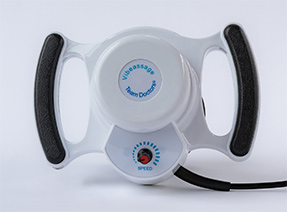
Targeted soft tissue work focused on flushing inflammatory byproducts rather than breaking tissue down. Vibration-based techniques were used strategically to mobilize fluid, quiet nerve irritation, and reduce protective muscle guarding.
Unlike previous experiences, his body didn’t fight the treatment. It responded.
Rapid Changes That Confirmed the Mechanism
Within days, Richard noticed changes that had eluded him for years. Breathing deepened without effort. His arms felt lighter. Swelling diminished. Circulation stabilized. Numbness that once appeared predictably during activity no longer surfaced.
Pain didn’t disappear instantly, but it lost its dominance. It no longer escalated with movement. This shift confirmed what had been missing all along: restoring spring compliance allowed the body to self-regulate again.
Reintroducing Movement the Right Way
Only after decompression and inflammation reduction did movement re-enter the plan. The goal was not to strengthen aggressively, but to maintain space and preserve elasticity. Movements were simple, controlled, and purposeful.
For the first time, exercise reinforced recovery instead of undermining it. Activities that once triggered exercise-related nerve compression became tolerable. Overhead movements no longer produced immediate symptoms. Endurance improved without provoking numbness.
This sequencing explained why previous attempts at rehabilitation failed. Movement without space increases compression. Movement after decompression restores function.
Sustained Recovery Without Surgical Risk
As the week concluded, Richard’s progress held. He could sit, stand, and move without provoking symptoms. Sleep improved. Anxiety diminished. His nervous system no longer anticipated pain with every action.
Most importantly, surgery was no longer part of the conversation. Not because it was dismissed, but because it wasn’t necessary. The primary drivers of his condition had been addressed non-surgically.
Returning Home With a Functional System
Back in Perth, the true test began. Travel fatigue did not trigger relapse. Daily activities remained manageable. Training resumed gradually, guided by principles that preserved spring function rather than chasing intensity.
He didn’t rush performance. He rebuilt capacity. Over time, confidence returned. His body no longer felt fragile or unpredictable.
Why This Matters for Athletes Everywhere
Richard’s story reflects a broader issue in athletic care. When the body is treated as a lever system, rehabilitation often fails for nerve compression syndromes. Strengthening rigid systems increases pressure. Stretching inflamed tissues destabilizes support.
Viewing the body as a spring changes everything. It explains why endurance athletes break down despite conditioning. It clarifies why symptoms worsen under repetition. And it reveals why restoring elasticity is foundational to recovery.
A Different Definition of Success
Recovery, for Richard, wasn’t about returning to maximum output overnight. It was about reclaiming control. He could train without fear. He could work without pain. He could live without constant vigilance.
The difference wasn’t effort. It was understanding.
Closing Reflection
Athletes experiencing persistent arm pain, numbness, or unexplained neurological symptoms are often told to push harder, stretch more, or accept limitations. Richard’s journey shows that when the wrong model is applied, even the best intentions fail.
When the system is restored, healing follows.
Team Doctors Resources
✓ Check out the Team Doctors Recovery Tools
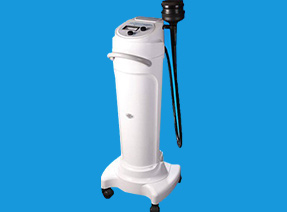
The Vibeassage Sport and the Vibeassage Pro featuring the TDX3 soft-as-the-hand Biomimetic Applicator Pad
https://www.teamdoctors.com/
✓ Get Dr. Stoxen’s #1 International Bestselling Books
Learn how to understand, examine, and reverse your TOS—without surgery.
https://drstoxen.com/1-international-best-selling-author/
✓ Check out Team Doctors Online Courses
Step-by-step video lessons, demonstrations, and self-treatment strategies.
https://teamdoctorsacademy.com/
✓ Schedule a Free Phone Consultation With Dr. Stoxen
Speak directly with him so he can review your case and guide you on your next steps.
https://drstoxen.com/appointment/
#ThoracicOutletSyndrome #TOS #TOSDiagnosis #NeurogenicTOS #MuscleGuarding #RibDysfunction #Misdiagnosis #HandsOnCare #ClinicalExamination #Biomechanics #NerveCompression #PectoralisMinor #ThoracicOutletCompression #PatientStories #MedicalEducation #MovementBasedCare #TOSAwareness #DeepTissue #EarlyTreatment #TeamDoctors #ThoracicOutletSyndrome #TOSAwareness #TOSPain #ChronicPainJourney #NerveCompression #ArmPain #ShoulderPain #RareDiseaseAwareness #InvisibleIllness #ChronicPainLife
Medical Disclaimer
This article is provided for educational and informational purposes only. It is not intended to diagnose, treat, cure, or prevent any disease, nor is it intended to replace professional medical advice, diagnosis, or treatment.
Thoracic outlet syndrome and related nerve, vascular, and musculoskeletal conditions can present differently in each individual. Treatment decisions—including surgical and non-surgical options—must be made on a case-by-case basis in consultation with a qualified, licensed healthcare professional who is familiar with the patient’s complete medical history.
The experiences described in this article reflect individual outcomes and do not guarantee similar results for others. Surgical procedures, including thoracic outlet surgery and first rib resection, carry inherent risks, and outcomes vary based on many factors including diagnosis, timing, practitioner experience, and patient-specific anatomy and physiology.
Readers should not delay or discontinue medical care based on information contained in this article. Always seek the guidance of a qualified healthcare provider with any questions regarding symptoms, conditions, or treatment options.
Editor’s Note
This article explores a patient and family experience following thoracic outlet syndrome surgery and highlights the importance of comprehensive evaluation, informed decision-making, and second opinions when managing complex pain conditions.
The article also references the Human Spring Approach, a biomechanical evaluation and treatment framework developed by Dr James Stoxen, which emphasizes understanding the body as an integrated, dynamic spring system rather than a collection of isolated anatomical structures. The inclusion of this approach is intended to illustrate an alternative clinical perspective, not to discredit surgery or any specific medical specialty.
Mention of specific clinicians, evaluation models, or treatment philosophies does not constitute endorsement, medical advice, or a claim of superiority. Rather, it reflects the editorial goal of encouraging patients and families to seek clarity, explanation, and individualized assessment before pursuing irreversible interventions.
The editorial position of this publication is that understanding should precede intervention, especially in conditions where symptoms persist, worsen, or fail to respond to standard care.

Dr James Stoxen DC., FSSEMM (hon) He is the president of Team Doctors®, Treatment and Training Center Chicago, one of the most recognized treatment centers in the world.
Dr Stoxen is a #1 International Bestselling Author of the book, The Human Spring Approach to Thoracic Outlet Syndrome. He has lectured at more than 20 medical conferences on his Human Spring Approach to Thoracic Outlet Syndrome and asked to publish his research on this approach to treating thoracic outlet syndrome in over 30 peer review medical journals.
He has been asked to submit his other research on the human spring approach to treatment, training and prevention in over 150 peer review medical journals. He serves as the Editor-in-Chief, Journal of Orthopedic Science and Research, Executive Editor or the Journal of Trauma and Acute Care, Chief Editor, Advances in Orthopedics and Sports Medicine Journal and editorial board for over 35 peer review medical journals.
He is a much sought-after speaker. He has given over 1000 live presentations and lectured at over 70 medical conferences to over 50,000 doctors in more than 20 countries. He has been invited to speak at over 300 medical conferences which includes invitations as the keynote speaker at over 50 medical conferences.
After his groundbreaking lecture on the Integrated Spring-Mass Model at the World Congress of Sports and Exercise Medicine he was presented with an Honorary Fellowship Award by a member of the royal family, the Sultan of Pahang, for his distinguished research and contributions to the advancement of Sports and Exercise Medicine on an International level. He was inducted into the National Fitness Hall of Fame in 2008 and the Personal Trainers Hall of Fame in 2012.
Dr Stoxen has a big reputation in the entertainment industry working as a doctor for over 150 tours of elite entertainers, caring for over 1000 top celebrity entertainers and their handlers. Anthony Field or the popular children’s entertainment group, The Wiggles, wrote a book, How I Got My Wiggle Back detailing his struggles with chronic pain and clinical depression he struggled with for years. Dr Stoxen is proud to be able to assist him.
Full Bio) Dr Stoxen can be reached directly at teamdoctors@aol.com