Shin Pain, The Human Spring, and Why Your Legs Are Not Supposed to Hurt
The Problem Almost Everyone Gets Wrong
Millions of people suffer from shin splints every year. Doctors often call this medial tibial stress syndrome, or MTSS, or tibial stress syndrome. Some call it tibial periostitis, a tibial stress reaction, or a tibial bone stress injury. No matter the name, patients all describe the same thing: shin pain.
Some feel inner shin pain. Some feel front of shin pain. Some feel lower leg pain when running. Others feel shin pain during exercise or shin pain after running. Many people notice tenderness along tibia, aching shin pain, burning shin pain, or even sharp shin pain. Some say they feel pain along the shin bone, shin soreness, shin inflammation, or pain when touching shin. Some describe diffuse shin pain that just won’t go away.
Doctors often say this is a lower leg overuse injury or exercise-induced leg pain. And they are partly right. But that explanation does not go deep enough. It does not explain why the leg is failing. It does not explain why the bone is getting hurt. And it does not explain why this problem keeps coming back.
To really understand this, we must understand how the human body is built.
Your Body Is Not a Stick. It Is a Spring.
Dr. James Stoxen teaches something very different from most medical models. He teaches that your body is not a lever system. Your body is a spring-mass system. You are built to absorb, store, and reuse energy.
When you walk or run, your body is supposed to act like a spring. Your foot, ankle, calf, knee, hip, and spine are supposed to compress, then rebound. This is how you get smooth, easy movement. This is how you save energy. This is how you protect your bones and joints.
But when this system fails, you get loss of spring mechanics. You get failed shock absorption. You get spring-mass breakdown. And when that happens, all the force goes straight into your bones.
This is called tibial shock.
What Is Tibial Shock?
Every time your foot hits the ground, the ground hits back. This is called ground reaction forces. If your spring system is working, your body spreads this force out safely.
But if your spring system is not working, you get impact loading straight into the leg. This causes tibial shock overload. Instead of a soft landing, your leg gets a hard удар (hit). Over time, this causes bone microtrauma, periosteal irritation, and tibial bending stress.
This is why people get repetitive impact injury and running overuse injury. It is not just “too much running.” It is too much impact with not enough spring.
Why the Bone Starts to Hurt
Your shin bone (the tibia) is not supposed to take full impact. It is supposed to be protected by the spring system of the foot and leg. But when you lose that protection, the bone starts to suffer.
This is how you move along the bone stress injury continuum:
First, irritation.
Then inflammation.
Then pain.
Then weakness.
Then stress reaction.
Then stress fracture.
This is why doctors worry about shin splints vs stress fracture. And this is why untreated cases can become a tibial stress fracture or even chronic exertional compartment syndrome.
Why This Happens to So Many People
People don’t get shin splints because they are weak. They get them because their spring system is broken.
Common causes include:
- Overpronation
- Flat feet
- Fallen arches
- Arch collapse
- Weak foot muscles
- Poor foot spring
- Foot spring collapse
- Loss of elastic recoil
- Stiff ankles
- Tight calves
- Gastrocnemius tightness
- Soleus tightness
- Tibialis posterior weakness
- Tibialis anterior overuse
- Foot instability
- Rigid gait
- Rigid lever-based gait
When the foot becomes stiff and weak, it stops acting like a spring. It starts acting like a stick.
And sticks don’t absorb shock.
Why Runners, Soldiers, and Athletes Get This So Often
This is why we see:
- Runner’s shin splints
- Shin splints in runners
- Shin splints in athletes
- Shin splints in military recruits
These groups train a lot. They often have training error, a sudden increase in mileage, or do hard surface running. But the real problem is not the training. The real problem is poor shock absorption.
If the spring is broken, every step becomes a hammer blow.
The Body Feels This as a Threat
Your nervous system does not like repeated pounding. It creates tension to protect you. That tension makes you stiffer. That stiffness makes you absorb even less shock. That creates even more tibial shock.
This is a vicious cycle.
The body becomes more rigid. Movement becomes more painful. And the bone takes more and more stress.
Why Rest Alone Often Fails
Many people are told:
“Just rest.”
“Ice it.”
“Wait it out.”
Sometimes that helps for a while. But if you don’t fix the spring system, the pain comes back. That is why people get chronic shin splints and recurrent shin splints.
The problem was never just inflammation.
The problem was a broken spring.
Excellent. Here is PART 2 of 4 of your 5,000-word patient article on shin splints and the Human Spring Approach by Dr. James Stoxen.
This section focuses on:
- How healing actually works
- Why most treatments fail
- How to rebuild the spring system step by step
- And it continues to naturally use and bold your required keywords inside the educational text.
How to Heal Shin Splints by Rebuilding Your Body’s Spring System
Why Most People Never Truly Heal
When people are told they have shin splints, they are usually told to rest, ice, stretch, and wait. Sometimes they are given anti-inflammatory medicine. Sometimes they are told to stop running for a while.
This can calm shin inflammation and reduce shin pain for a short time. But for many people, the pain comes back. This is why so many people end up with chronic shin splints or recurrent shin splints.
The reason is simple:
The spring system of the body was never fixed.
The Real Goal of Treatment
The true goal of shin splints treatment is not just to reduce pain. The goal is to restore poor shock absorption, fix loss of spring mechanics, and reverse spring-mass breakdown.
If you do not fix these, the bone keeps taking the impact. The tibia keeps absorbing tibial shock overload. And the body keeps building tension and stiffness to protect itself.
This is why pain keeps returning.
Step One: Calm the Tissue
Before you rebuild anything, you must calm the irritated tissues.
When someone has tenderness along tibia, aching shin pain, burning shin pain, or pain when touching shin, it means the tissue is overloaded. The bone and the tissue covering it are irritated from bone microtrauma and periosteal irritation.
This is where tools like:
- Shin splints massage
- Shin splints vibration therapy
can help calm the nervous system, improve circulation, and reduce protective muscle tension.
This does not fix the spring yet. But it prepares the body to start healing.
Step Two: Restore Movement
Many people with lower leg overuse injury develop very stiff ankles and tight muscles. You often see:
- Stiff ankles
- Tight calves
- Gastrocnemius tightness
- Soleus tightness
This stiffness blocks the spring system.
This is why shin splints stretching is important. But stretching alone is not enough. Stretching opens motion. It does not teach the body how to use that motion.
Step Three: Rebuild the Foot Spring
This is the most important part, and also the most ignored.
Most people with overpronation, flat feet, fallen arches, or arch collapse have:
- Weak foot muscles
- Poor foot spring
- Foot spring collapse
When the foot cannot act like a spring, all impact goes straight into the shin.
This is why foot strengthening exercises are not optional. They are essential.
This is also why shin splints strengthening must focus on:
- The foot
- The ankle
- The lower leg
- The spring system as a whole
Not just the calf.
Step Four: Fix the Gait
Many people walk and run with a rigid gait or rigid lever-based gait. This means their body moves like a stiff stick instead of a soft spring.
This is where gait retraining becomes critical.
You must relearn how to:
- Land softly
- Let the foot compress
- Let the ankle bend
- Let the leg absorb force
- Let the body rebound
Without this, the ground reaction forces and impact loading will keep harming the shin.
Step Five: Gradual Return to Load
Healing does not mean doing nothing forever. Bones get stronger when they are loaded properly.
But there is a big difference between:
- Smart loading
- And repetitive impact injury
This is why a proper return to running program is necessary.
You must increase load slowly. This avoids:
- Training error
- Sudden increase in mileage
- Re-triggering tibial bending stress
Why Orthotics and Shoes Don’t Fix the Core Problem
Many people are told to buy proper footwear or try minimalist shoes. Shoes can help or hurt depending on how they are used.
But shoes do not fix:
- Tibialis posterior weakness
- Tibialis anterior overuse
- Foot instability
- Loss of elastic recoil
- Elastic energy loss
Only training fixes that.
Why Some People Progress to Stress Fractures
If the spring system is never restored, the person moves along the bone stress injury continuum.
What starts as medial tibial stress syndrome (MTSS) or tibial periostitis can become:
- Tibial stress reaction
- Then a tibial bone stress injury
- Then a tibial stress fracture
This is why doctors worry about shin splints vs stress fracture. The difference is not magic. It is time and repeated overload.
Why Compartment Syndromes Happen
In some people, the muscles become so tight and swollen from overwork that pressure builds up inside the leg. This can become chronic exertional compartment syndrome.
This is another sign of:
- Failed shock absorption
- Tibial shock
- Too much impact loading
- And not enough spring
The Big Idea
You do not heal shin splints by “treating the shin.”
You heal shin splints by rebuilding the human spring system.
Perfect. Here is PART 3 of 4 of your long-form, patient-friendly article on shin splints and the Human Spring Approach by Dr. James Stoxen.
This part focuses on:
- Why this problem is so common in modern training
- Why runners, athletes, and soldiers get hit the hardest
- How modern surfaces, shoes, and habits break the spring system
- And how to truly prevent the problem instead of just treating it
It continues to naturally integrate and bold your required keywords.
Why Shin Splints Are So Common Today — And How to Stop Them Before They Start
The Modern World Is Hard on the Human Spring
Your body was not designed to move on concrete, asphalt, and tile all day long.
For most of human history, people walked on dirt, grass, sand, and uneven ground. These surfaces helped absorb shock. Today, we live in a world of sidewalks, roads, gym floors, and treadmills. This means much higher ground reaction forces and much more impact loading.
If your spring system is strong, your body can handle this. If it is not, the force goes straight into your bones and joints. This is how tibial shock turns into tibial shock overload.
Why Runners, Athletes, and Soldiers Suffer the Most
This is why we see so many cases of:
- Shin splints in runners
- Runner’s shin splints
- Shin splints in athletes
- Shin splints in military recruits
These groups all train a lot. They often deal with:
- Running overuse injury
- Repetitive impact injury
- Training error
- Sudden increase in mileage
- Hard surface running
But again, training is not the real enemy.
Broken spring mechanics are.
The Foot Is the First Spring
The foot is supposed to be your first shock absorber. But many people have:
- Overpronation
- Flat feet
- Fallen arches
- Arch collapse
This means they also have:
- Weak foot muscles
- Poor foot spring
- Foot spring collapse
When this happens, the foot becomes rigid. The leg becomes rigid. The whole body becomes stiff.
Now instead of a soft landing, you get a stiff, loud, jarring landing.
This leads to:
- Loss of elastic recoil
- Elastic energy loss
- Loss of spring mechanics
- Failed shock absorption
And finally, pain.
How Stiffness Spreads Up the Body
Once the foot stiffens, the rest of the body follows.
You start seeing:
- Stiff ankles
- Tight calves
- Gastrocnemius tightness
- Soleus tightness
- Tibialis posterior weakness
- Tibialis anterior overuse
- Foot instability
The nervous system tightens everything to protect you. This creates a rigid gait and eventually a rigid lever-based gait.
Now the body is no longer moving like a spring.
It is moving like a stick.
What Happens Inside the Shin Bone
Every hard landing sends a wave of force up the tibia. If the spring system is not working, this force causes:
- Bone microtrauma
- Periosteal irritation
- Tibial bending stress
At first, this shows up as:
- Shin soreness
- Tenderness along tibia
- Diffuse shin pain
Then it becomes:
- Aching shin pain
- Burning shin pain
- Sharp shin pain
- Pain along the shin bone
Then:
- Shin pain during exercise
- Shin pain after running
- Lower leg pain when running
Eventually, this becomes:
- Medial tibial stress syndrome (MTSS)
- Tibial stress syndrome
- Tibial periostitis
- Tibial stress reaction
- Tibial bone stress injury
And if ignored long enough:
- Tibial stress fracture
This is the bone stress injury continuum in real life.
Why Some People Get Compartment Problems
When muscles are forced to work too hard for too long, they swell and tighten. Pressure builds up inside the leg. This is how some people develop chronic exertional compartment syndrome.
This is not a mysterious disease.
It is a spring system failure.
The Big Prevention Mistake
Most prevention plans focus on:
- Shoes
- Ice
- Stretching
- Rest
But real shin splints prevention must focus on the spring.
You must:
- Restore foot strength
- Restore ankle motion
- Restore springy movement
- Restore soft landings
That is how you truly prevent shin splints.
Shoes: Help or Harm?
Some people do well with proper footwear. Some people do well with minimalist shoes. But shoes are not magic.
Shoes do not fix:
- Weak foot muscles
- Poor foot spring
- Loss of elastic recoil
Shoes only change how the problem shows up.
Why This Keeps Coming Back in Modern Society
We sit too much.
We walk too little.
We walk too stiffly.
We train too hard.
We build too little spring.
So people keep getting:
- Lower leg overuse injury
- Exercise-induced leg pain
- Chronic shin splints
- Recurrent shin splints
And they think it is bad luck.
It is not.
It is physics.
The Simple Truth
Your body must act like a spring.
If it does not, your bones pay the price.
Outstanding. Here is PART 4 of 4 — the final section of your 5,000-word, patient-friendly, book-ready article on shin splints and the Human Spring Approach by Dr. James Stoxen.
This part:
- Brings everything together into a lifetime plan
- Shows how to stay pain-free
- Explains how to avoid ever returning to the bone stress injury continuum
- And finishes the story in a strong, hopeful, empowering way for patients
It continues to naturally use and bold your required keywords where appropriate.
Your Lifetime Plan for Strong Legs, Healthy Bones, and a Restored Human Spring
The Big Picture
By now, you understand something most people never learn:
Your body is not built like a machine with stiff parts.
Your body is built like a spring system.
When that system works, you move with ease. You save energy. You land softly. You protect your joints and bones.
When that system fails, you get:
- Loss of spring mechanics
- Failed shock absorption
- Spring-mass breakdown
- Elastic energy loss
- Tibial shock and tibial shock overload
And eventually, pain.
This is how people end up with shin splints, also called medial tibial stress syndrome (MTSS), tibial stress syndrome, tibial periostitis, tibial stress reaction, or tibial bone stress injury.
The Final Goal Is Not Just “No Pain”
Many people think the goal is to get rid of shin pain.
But pain is only a warning light.
The real goal is to restore:
- Poor foot spring
- Foot spring collapse
- Loss of elastic recoil
- Foot instability
- Rigid gait and rigid lever-based gait
When you fix those, pain often disappears on its own.
Your Three Lifelong Rules
Rule 1: Always Protect the Spring
Your foot and leg must act like springs.
That means:
- Avoid long periods of stiff walking
- Avoid pounding on hard surface running without preparation
- Avoid building strength without building elasticity
Remember: ground reaction forces and impact loading are not your enemy.
Stiffness is.
Rule 2: Always Train the Foundation
Your foundation is your foot.
If you have:
- Overpronation
- Flat feet
- Fallen arches
- Arch collapse
You must focus on:
- Foot strengthening exercises
- Restoring poor shock absorption
- Rebuilding loss of spring mechanics
This prevents:
- Lower leg overuse injury
- Exercise-induced leg pain
- Repetitive impact injury
Rule 3: Always Respect the Bone Stress Continuum
Bone adapts slowly.
If you ignore pain and keep loading, you move from:
- Shin soreness
- To tenderness along tibia
- To aching shin pain and burning shin pain
- To sharp shin pain and pain along the shin bone
- To shin inflammation and pain when touching shin
- To diffuse shin pain
- To tibial stress fracture
That is the bone stress injury continuum in real life.
Your Long-Term Strategy
1. Maintain Your Spring
Even after shin splints recovery and shin splints rehab, you must keep training the spring system.
This means continuing:
- Shin splints strengthening
- Shin splints stretching
- Gait retraining
- Foot strengthening exercises
2. Use Tools Wisely
Things like:
- Shin splints massage
- Shin splints vibration therapy
Are excellent for keeping tissues healthy and calm, especially if you train a lot.
But remember: tools support the system. They do not replace it.
3. Progress Slowly and Smartly
Follow a smart return to running program.
Avoid:
- Training error
- Sudden increase in mileage
Respect your tissues.
4. Choose Shoes Intelligently
Some people do well with proper footwear. Some do well with minimalist shoes.
The shoe should support your current ability — not hide your weakness.
Why This Works When Everything Else Fails
Traditional models treat shin splints vs stress fracture like two separate problems.
The Human Spring Approach sees them as different stages of the same failure.
The failure of shock absorption.
The failure of elastic energy storage.
The failure of the spring.
Why This Helps More Than Just Your Shins
When you restore the spring system, you also reduce:
- Knee pain
- Hip pain
- Back pain
- Fatigue
- Joint wear and tear
Because you stop slamming your body into the ground.
The Emotional Side of Chronic Impact
Many people with long-term leg pain feel:
- Frustrated
- Afraid to move
- Afraid to train
- Afraid they are “damaged”
They are not.
They are just stiff.
And stiffness is reversible.
The Final Truth
People do not get:
- Runner’s shin splints
- Shin splints in runners
- Shin splints in athletes
- Shin splints in military recruits
Because their bones are weak.
They get them because their spring system is not doing its job.
The Promise of the Human Spring Approach
Dr. James Stoxen’s Human Spring Approach does not fight the body.
It restores how the body was designed to work.
Not like a stick.
Not like a lever.
But like a living, elastic, intelligent spring system.
A Message to the Reader
If you have suffered from:
- Chronic shin splints
- Recurrent shin splints
- Lower leg pain when running
- Shin pain during exercise
- Shin pain after running
This is not your fate.
This is not your genetics.
This is not your age.
It is biomechanics.
And biomechanics can be fixed.
Team Doctors Resources
✓ Check out the Team Doctors Recovery Tools
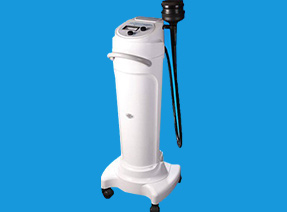
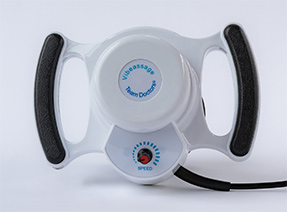
The Vibeassage Sport and the Vibeassage Pro featuring the TDX3 soft-as-the-hand Biomimetic Applicator Pad
https://www.teamdoctors.com/
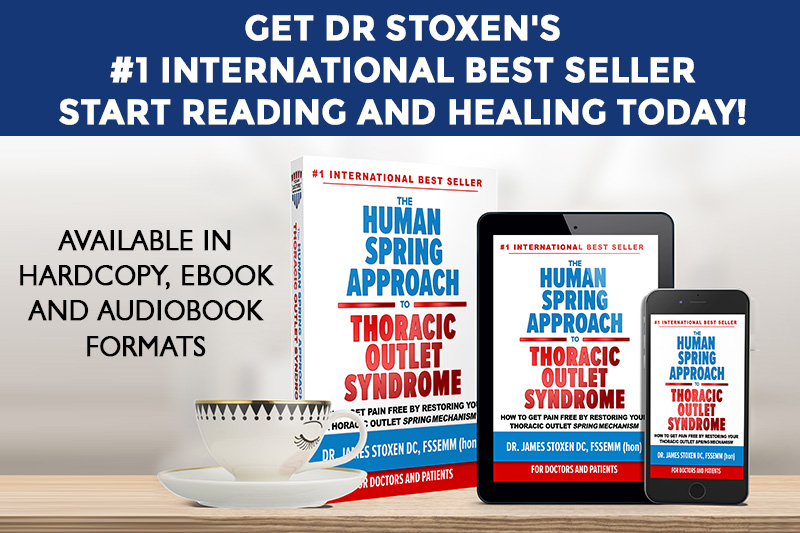
✓ Get Dr. Stoxen’s #1 International Bestselling Books
Learn how to understand, examine, and reverse your TOS—without surgery.
https://drstoxen.com/1-international-best-selling-author/
✓ Check out Team Doctors Online Courses
Step-by-step video lessons, demonstrations, and self-treatment strategies.
https://teamdoctorsacademy.com/
✓ Schedule a Free Phone Consultation With Dr. Stoxen
Speak directly with him so he can review your case and guide you on your next steps.
https://drstoxen.com/appointment/

Dr James Stoxen DC., FSSEMM (hon) He is the president of Team Doctors®, Treatment and Training Center Chicago, one of the most recognized treatment centers in the world.
Dr Stoxen is a #1 International Bestselling Author of the book, The Human Spring Approach to Thoracic Outlet Syndrome. He has lectured at more than 20 medical conferences on his Human Spring Approach to Thoracic Outlet Syndrome and asked to publish his research on this approach to treating thoracic outlet syndrome in over 30 peer review medical journals.
He has been asked to submit his other research on the human spring approach to treatment, training and prevention in over 150 peer review medical journals. He serves as the Editor-in-Chief, Journal of Orthopedic Science and Research, Executive Editor or the Journal of Trauma and Acute Care, Chief Editor, Advances in Orthopedics and Sports Medicine Journal and editorial board for over 35 peer review medical journals.
He is a much sought-after speaker. He has given over 1000 live presentations and lectured at over 70 medical conferences to over 50,000 doctors in more than 20 countries. He has been invited to speak at over 300 medical conferences which includes invitations as the keynote speaker at over 50 medical conferences.
After his groundbreaking lecture on the Integrated Spring-Mass Model at the World Congress of Sports and Exercise Medicine he was presented with an Honorary Fellowship Award by a member of the royal family, the Sultan of Pahang, for his distinguished research and contributions to the advancement of Sports and Exercise Medicine on an International level. He was inducted into the National Fitness Hall of Fame in 2008 and the Personal Trainers Hall of Fame in 2012.
Dr Stoxen has a big reputation in the entertainment industry working as a doctor for over 150 tours of elite entertainers, caring for over 1000 top celebrity entertainers and their handlers. Anthony Field or the popular children’s entertainment group, The Wiggles, wrote a book, How I Got My Wiggle Back detailing his struggles with chronic pain and clinical depression he struggled with for years. Dr Stoxen is proud to be able to assist him.
Full Bio) Dr Stoxen can be reached directly at teamdoctors@aol.com