How Your Desk Job Is Quietly Changing Your Body
And How the Human Spring Approach Helps Fix It
By Dr. James Stoxen
PART 1 — Posture, Work, and the Slow Breakdown of the Human Spring
Most people don’t realize that arm pain from desk job and shoulder pain from computer work usually don’t come from one big injury. They come from years of small, repeated stresses that slowly change the shape of the body.
If you’ve ever noticed arm numbness from typing or neck and arm pain from posture, your body is already giving you warning signs. The same is true for people who develop arm pain from long hours sitting or shoulder pain office work. These problems are not random. They are mechanical.
Modern life has created a new kind of problem that doctors now call tech neck arm pain. The tech neck arm pain symptoms often begin as stiffness and tightness, but over time they turn into real nerve and joint problems.
Many people first notice pain from poor posture shoulder or work-related arm nerve pain. Others feel shoulder pain from phone use, desk job arm pain, or neck pain from laptop use. Some develop slouched posture shoulder pain, rounded shoulders nerve pain, or forward head posture pain. Eventually, many also feel forward head posture arm pain.
None of this is accidental.
Why Sitting Changes Your Shape
Your body is not built to sit for hours in one position. When you do, the muscles that hold you upright get tired. Then they start to sag.
Over time, this creates poor posture nerve compression and posture-related arm pain. It is very common in people with office work shoulder pain, computer use arm numbness, and sitting posture arm pain. Many people are now also dealing with tech posture nerve pain, screen use shoulder pain, and shoulder pain from sitting.
When your desk and screen are not set up correctly, you can develop desk posture nerve compression, workstation posture arm pain, and ergonomic issues arm pain. This is why so many people now suffer from workplace-related shoulder pain and discover that posture is the real postural cause of arm pain.
The Shoulder Girdle Starts to Collapse
Your arms do not sit on your body like shelves. They hang from your shoulders. And your shoulders hang from your spine.
When posture gets worse, the whole structure starts to sink.
This is when people notice drooping shoulder pain, sloped shoulders nerve pain, and even rounded shoulders arm numbness. In more advanced cases, this turns into shoulder compression syndrome, collapsed shoulder posture pain, and what many doctors now recognize as postural thoracic outlet syndrome.
Some people feel that one shoulder is being pulled downward and develop shoulder pulled down nerve pain. Others are told their problem is a structural cause of arm pain or shoulder depression nerve pain.
What is really happening is shoulder girdle collapse.
When Structure Fails, Nerves Suffer
As the shoulder structure sags, the nerves and blood vessels that travel from the neck into the arm start losing space.
This is why people develop shoulder instability nerve pain, postural collapse shoulder pain, asymmetrical shoulders nerve pain, and even one shoulder lower than the other pain.
Doctors may describe this as structural compression shoulder, collapsed posture arm pain, or shoulder alignment nerve pain. Some patients are told they have postural imbalance arm pain or shoulder droop nerve compression.
All of these are different ways of saying the same thing: the structure is failing.
This Is a Mechanical Problem
This is not a mystery disease. It is a structural shoulder compression problem.
It is a mechanical cause of arm pain and a form of biomechanical shoulder pain.
When posture collapses, you get shoulder girdle dysfunction, structural nerve compression arm, and shoulder position nerve pain. In many people, this becomes posture-induced thoracic outlet syndrome, mechanical compression arm pain, and eventually structural arm nerve pain.
The 20-Year Neck Example (Why Degeneration Happens)
If you always lean slightly to one side at work, one side of your neck stays tight all day.
Now imagine doing that for 15 or 20 years.
That muscle never fully relaxes. And every time you move your neck, you grind your joints and discs unevenly.
That is how degeneration slowly develops.
This is why it makes sense to:
Get regular deep tissue work
Use vibration therapy on the neck and shoulders
And take an active, anti-aging approach to muscle tension
Not as a luxury.
As maintenance.
You don’t wait until the engine fails to change the oil.
The Human Spring Approach
Dr. James Stoxen teaches something very simple:
Your body is not a lever system.
Your body is a spring system.
When the springs are healthy, your posture stays tall, your joints stay open, and your nerves have space.
When the springs collapse, your posture sags, your joints compress, and pain appears.
The goal is not just to chase pain.
The goal is to restore the spring system.
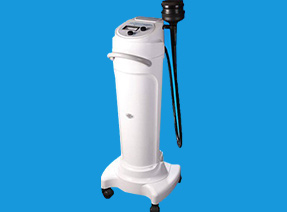
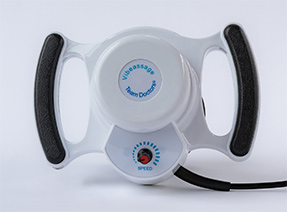
Why Vibeassage Pro and Vibeassage Sport Exist
Chronic muscle tension is one of the main reasons posture stays stuck in bad positions.
That is why Dr. Stoxen uses and recommends:
Vibeassage Pro
Vibeassage Sport
They are designed to:
Reduce chronic muscle guarding
Improve circulation
Help muscles let go
Support posture correction
Protect joints and nerves over time
They are not luxury items.
They are maintenance tools.
How Bad Posture Slowly Collapses the Neck, Shoulder, and Arm System
Most people think their neck, shoulders, and arms are held up by bones.
They are not.
They are held up by muscle springs and connective tissue springs.
Bones just hang inside that system.
This is why posture is so important.
When posture is good, your head and arms feel light.
When posture gets worse, your head and arms feel heavy.
That heaviness is not imaginary.
It is the spring system failing.
The Head Is a Heavy Bowling Ball
Your head weighs about as much as a bowling ball.
When it sits balanced over your shoulders, the muscles don’t have to work very hard.
But when you develop forward head posture pain, the muscles in the back of your neck have to work all day just to keep your head from falling forward.
This is one of the most common causes of neck and arm pain from posture and forward head posture arm pain in people who work at computers.
Over time, this also leads to neck pain from laptop use, shoulder pain from computer work, and tech neck arm pain.
What Happens to the Shoulders
As the head moves forward, the shoulders usually move forward and down too.
This creates slouched posture shoulder pain, rounded shoulders nerve pain, and pain from poor posture shoulder.
When this continues for years, many people develop drooping shoulder pain and sloped shoulders nerve pain.
Some people even start noticing rounded shoulders arm numbness because the nerves no longer have enough space.
This is the early stage of shoulder compression syndrome and collapsed shoulder posture pain.
Why One Shoulder Often Drops
Many people don’t sit straight.
They lean to one side.
They reach for the mouse with the same arm all day.
They hold the phone on the same side.
Over time, this creates asymmetrical shoulders nerve pain and the feeling of one shoulder lower than the other pain.
When one shoulder is constantly pulled down, people often develop shoulder pulled down nerve pain and shoulder depression nerve pain.
This is a clear sign of shoulder girdle collapse.
The Tunnel That Nerves Must Pass Through
The nerves and blood vessels that go from your neck into your arm must pass through a small space between your neck and shoulder.
That space is not made of bone.
It is made of soft tissue and posture.
When posture collapses, that space collapses too.
This is why people develop postural thoracic outlet syndrome and posture-induced thoracic outlet syndrome.
Doctors may describe this as structural compression shoulder, structural shoulder compression, or structural nerve compression arm.
Patients feel it as work-related arm nerve pain, computer use arm numbness, or arm numbness from typing.
Why Sitting Makes It Worse
Sitting for long hours creates arm pain from long hours sitting, sitting posture arm pain, and shoulder pain from sitting.
Bad desk setups add desk posture nerve compression, workstation posture arm pain, and ergonomic issues arm pain.
Over time, this turns into office work shoulder pain, workplace-related shoulder pain, and postural cause of arm pain.
Eventually, people just think they have desk job arm pain or arm pain from desk job.
But the real problem is structural.
This Is a Mechanical Collapse, Not a Disease
Doctors often look for inflammation, arthritis, or disc problems.
Those can exist.
But the deeper cause is usually postural collapse.
This is a mechanical cause of arm pain and biomechanical shoulder pain.
When posture collapses, you get:
shoulder girdle dysfunction
shoulder instability nerve pain
postural collapse shoulder pain
collapsed posture arm pain
shoulder alignment nerve pain
postural imbalance arm pain
shoulder droop nerve compression
shoulder position nerve pain
Doctors may label this as mechanical compression arm pain or structural arm nerve pain.
But again, those are descriptions, not the root cause.
The root cause is the spring system losing its shape.
Why Muscles Stay Tight
When joints and nerves are under stress, your brain tightens muscles to protect you.
This is smart in the short term.
But terrible in the long term.
When this tension never turns off, it:
Reduces blood flow
Increases joint pressure
Pulls posture further out of shape
And speeds up wear and tear
This is why stretching alone rarely fixes the problem.
The body keeps tightening again to protect itself.
Why This Leads to Degeneration
Remember the example:
If you lean to one side for 20 years, one side of your neck never relaxes.
Every movement grinds the joints unevenly.
That is how discs thin out.
That is how joints stiffen.
That is how motion slowly disappears.
This is not aging.
This is uneven mechanical stress over time.
The Human Spring Approach View
Dr. James Stoxen does not ask:
“Where does it hurt?”
He asks:
“Where has the spring system collapsed?”
Because when you restore the spring system:
Posture improves
Space returns to the joints
Pressure comes off the nerves
And pain fades as a side effect
Where Vibeassage Fits In
One of the biggest obstacles to fixing posture is chronic muscle guarding.
Tight muscles hold the body in bad positions.
That is why Dr. Stoxen uses and recommends:
Vibeassage Pro
Vibeassage Sport
They help:
Turn off protective muscle tension
Improve circulation
Allow posture to change
Support the restoration of the spring system
They are not the whole solution.
But they are a powerful support tool.
How Vibration and Deep Tissue Therapy Help Restore the Human Spring System
By now, you understand something very important:
Your pain is not random.
Your posture did not collapse overnight.
And your body is not broken — it is stuck.
Stuck in tight muscles.
Stuck in compressed joints.
Stuck in a collapsed spring system.
This is why so many people with arm pain from desk job and shoulder pain from computer work keep stretching, keep exercising, and keep changing chairs, yet still feel the same problems.
They may still have arm numbness from typing, neck and arm pain from posture, or arm pain from long hours sitting because the muscles that hold their posture never truly relax.
The Real Problem: Muscles That Forgot How to Turn Off
When your body senses stress on joints or nerves, it tightens muscles to protect you.
This is how work-related arm nerve pain and posture-related arm pain often begin.
But when this tension lasts for months or years, it becomes automatic.
This is why people develop:
slouched posture shoulder pain
rounded shoulders nerve pain
forward head posture pain
forward head posture arm pain
drooping shoulder pain
At this point, the muscles are no longer responding to conscious control.
They are being controlled by the nervous system as a protective reflex.
Why Stretching Alone Usually Fails
Stretching a muscle that is under protective guarding is like pulling on a seatbelt that is locked.
It may move a little.
But it snaps right back.
This is why people with desk job arm pain, office work shoulder pain, or neck pain from laptop use often feel temporary relief that never lasts.
The body keeps returning to the same bad posture because the nervous system still thinks it is in danger.
What Deep Tissue and Vibration Actually Do
Deep tissue work and vibration therapy do something different.
They do not just stretch muscles.
They change the nervous system’s signal to the muscle.
They help:
Reduce protective muscle guarding
Improve circulation
Lower resting muscle tension
Restore movement between tissue layers
And allow posture to change
This is why they are so helpful for people with:
computer use arm numbness
tech posture nerve pain
screen use shoulder pain
shoulder pain from sitting
desk posture nerve compression
workstation posture arm pain
ergonomic issues arm pain
workplace-related shoulder pain
How This Helps the Nerves
Remember: nerves do not like pressure.
When muscles are tight and posture is collapsed, nerves lose space.
This is how people develop:
shoulder compression syndrome
collapsed shoulder posture pain
postural thoracic outlet syndrome
posture-induced thoracic outlet syndrome
structural nerve compression arm
mechanical compression arm pain
structural arm nerve pain
When deep tissue and vibration reduce muscle tension:
Space begins to return
Blood flow improves
Nerve irritation decreases
Movement becomes easier
Why Vibeassage Is Different
Many massage guns are just strong and fast.
They can feel good.
But they are not designed for clinical, therapeutic work.
Dr. Stoxen designed and uses:
Vibeassage Pro
Vibeassage Sport
Because they are built to:
Deliver controlled vibration
Reach deeper tissue safely
Relax protective muscle guarding
Support posture correction
Be used regularly at home
They are meant for people dealing with:
shoulder girdle dysfunction
shoulder instability nerve pain
postural collapse shoulder pain
collapsed posture arm pain
shoulder alignment nerve pain
postural imbalance arm pain
shoulder droop nerve compression
shoulder position nerve pain
This Is Not a One-Time Fix
If you have had bad posture for 10 or 20 years, your muscles have been tight for 10 or 20 years.
They will not change in one session.
This is why Dr. Stoxen teaches a maintenance approach.
Just like brushing your teeth.
Just like changing your oil.
Regular tension reduction keeps the spring system from collapsing again.
How This Prevents Degeneration
Remember the example:
If one side of your neck is tight for 20 years, every movement grinds the joints unevenly.
Deep tissue and vibration:
Reduce that uneven pull
Lower joint pressure
Improve motion
Slow down wear and tear
This is not about chasing pain.
This is about protecting structure.
How This Fits the Human Spring Approach
The Human Spring Approach is not about forcing joints into place.
It is about:
Removing tension
Restoring suspension
Letting the body re-balance itself
And protecting space for nerves and joints
Vibeassage Pro and Vibeassage Sport are tools that help make this possible at home.
A Simple Daily Strategy to Protect Your Posture, Your Nerves, and Your Future
By now, you understand something very important:
Your body did not end up with arm pain from desk job, shoulder pain from computer work, or neck and arm pain from posture because you are weak.
It happened because your spring system slowly lost its shape.
It happened because gravity never stops.
And it happened because modern work keeps us in the same bad positions for far too many hours every day.
The good news is this:
The same process that slowly breaks the body can also be used to rebuild it.
Step 1: Change How You Think About Your Body
Most people only think about their body when something hurts.
That is backwards.
Your body is not something you “fix.”
Your body is something you maintain.
Just like your car.
If you wait until the engine fails, the repair is expensive and difficult.
If you do simple maintenance, the engine lasts a very long time.
Your spine, shoulders, and neck work the same way.
If you already have desk job arm pain, office work shoulder pain, neck pain from laptop use, or computer use arm numbness, that is your warning light.
Step 2: Understand That Posture Is Not a “Position”
Posture is not something you “hold.”
Posture is something your muscles and nervous system create automatically.
If your muscles are tight and guarding, your posture will collapse no matter how hard you try to “sit up straight.”
That is why people with slouched posture shoulder pain, rounded shoulders nerve pain, forward head posture pain, or drooping shoulder pain often cannot fix it just by trying harder.
The tension has to come down first.
Step 3: Reduce Daily Muscle Tension
This is where maintenance tools matter.
Chronic tension is what keeps:
shoulder girdle dysfunction
postural collapse shoulder pain
collapsed posture arm pain
shoulder alignment nerve pain
postural imbalance arm pain
shoulder droop nerve compression
and shoulder position nerve pain
locked into place.
Using Vibeassage Pro or Vibeassage Sport regularly helps:
Turn off protective muscle guarding
Improve circulation
Restore movement
And make better posture possible again
Not once in a while.
But consistently.
Step 4: Protect Space for Your Nerves
Remember, nerves need space.
When posture collapses, space disappears.
That is how people end up with:
shoulder compression syndrome
postural thoracic outlet syndrome
posture-induced thoracic outlet syndrome
structural nerve compression arm
mechanical compression arm pain
and structural arm nerve pain
Your daily goal is simple:
Keep tension low so space can stay open.
Step 5: Make Your Workday Less Destructive
You don’t need a perfect workstation.
You just need to avoid extremes.
Try to:
Bring screens up closer to eye level
Keep elbows supported
Avoid reaching forward all day
Change positions often
Take short movement breaks
This helps reduce:
desk posture nerve compression
workstation posture arm pain
ergonomic issues arm pain
workplace-related shoulder pain
sitting posture arm pain
and shoulder pain from sitting
No workstation is perfect.
But movement and variety protect the spring system.
Step 6: Use the “20-Year Rule”
Always ask yourself this question:
“If I do this the same way for 20 years, what will it do to my body?”
Because that is exactly how degeneration happens.
Not in one day.
But in thousands of repeated days.
This is how people develop:
arm pain from long hours sitting
work-related arm nerve pain
tech neck arm pain
tech neck arm pain symptoms
shoulder pain from phone use
and screen use shoulder pain
Step 7: Think in Terms of Spring Health, Not Pain
Pain is a late symptom.
Loss of spring is the real problem.
When your spring system is healthy:
Your posture stays taller
Your joints stay more open
Your muscles stay more relaxed
Your nerves stay protected
When your spring system collapses:
You get structural compression shoulder, shoulder instability nerve pain, asymmetrical shoulders nerve pain, and even the feeling of one shoulder lower than the other pain.
The goal is not to chase symptoms.
The goal is to protect structure.
The Anti-Aging Reality Most People Miss
Here is the truth:
Most “aging” pain is not aging.
It is accumulated mechanical stress.
Remember the example:
If one side of your neck is tight for 20 years, every movement grinds the joints unevenly.
That is how discs thin.
That is how joints stiffen.
That is how motion disappears.
Reducing daily tension, restoring movement, and protecting posture slows this process dramatically.
The Real Purpose of Vibeassage Pro and Vibeassage Sport
These tools are not luxury items.
They are:
Preventive tools
Maintenance tools
Longevity tools
They help keep:
Muscles relaxed
Posture more upright
Joints less compressed
And nerves less irritated
They support the Human Spring Approach, which is not about forcing the body, but about letting it work the way it was designed.
The Big Picture
If you remember only one thing, remember this:
Your body is not a machine made of stiff parts.
Your body is a living spring system.
When you take care of the springs:
Everything works better.
When you ignore them:
Everything slowly collapses.
Final Thought
You don’t wait until the engine fails to change the oil.
Your neck, shoulders, and spine deserve the same kind of care.
Not someday.
Not after surgery.
Not after permanent damage.
Now.
Team Doctors Resources
✓ Check out the Team Doctors Recovery Tools
The Vibeassage Sport and the Vibeassage Pro featuring the TDX3 soft-as-the-hand Biomimetic Applicator Pad
https://www.teamdoctors.com/
✓ Get Dr. Stoxen’s #1 International Bestselling Books
Learn how to understand, examine, and reverse your TOS—without surgery.
https://drstoxen.com/1-international-best-selling-author/
✓ Check out Team Doctors Online Courses
Step-by-step video lessons, demonstrations, and self-treatment strategies.
https://teamdoctorsacademy.com/
✓ Schedule a Free Phone Consultation With Dr. Stoxen
Speak directly with him so he can review your case and guide you on your next steps.
https://drstoxen.com/appointment/
#ThoracicOutletSyndrome #TOS #ChronicPain #NervePain #ArmPain #NeckPain #ShoulderPain #ChronicIllness #PainRelief #PainAwareness #InvisibleIllness #HealthEducation #PatientEducation #BodyMechanics #PostureMatters

Dr James Stoxen DC., FSSEMM (hon) He is the president of Team Doctors®, Treatment and Training Center Chicago, one of the most recognized treatment centers in the world.
Dr Stoxen is a #1 International Bestselling Author of the book, The Human Spring Approach to Thoracic Outlet Syndrome. He has lectured at more than 20 medical conferences on his Human Spring Approach to Thoracic Outlet Syndrome and asked to publish his research on this approach to treating thoracic outlet syndrome in over 30 peer review medical journals.
He has been asked to submit his other research on the human spring approach to treatment, training and prevention in over 150 peer review medical journals. He serves as the Editor-in-Chief, Journal of Orthopedic Science and Research, Executive Editor or the Journal of Trauma and Acute Care, Chief Editor, Advances in Orthopedics and Sports Medicine Journal and editorial board for over 35 peer review medical journals.
He is a much sought-after speaker. He has given over 1000 live presentations and lectured at over 70 medical conferences to over 50,000 doctors in more than 20 countries. He has been invited to speak at over 300 medical conferences which includes invitations as the keynote speaker at over 50 medical conferences.
After his groundbreaking lecture on the Integrated Spring-Mass Model at the World Congress of Sports and Exercise Medicine he was presented with an Honorary Fellowship Award by a member of the royal family, the Sultan of Pahang, for his distinguished research and contributions to the advancement of Sports and Exercise Medicine on an International level. He was inducted into the National Fitness Hall of Fame in 2008 and the Personal Trainers Hall of Fame in 2012.
Dr Stoxen has a big reputation in the entertainment industry working as a doctor for over 150 tours of elite entertainers, caring for over 1000 top celebrity entertainers and their handlers. Anthony Field or the popular children’s entertainment group, The Wiggles, wrote a book, How I Got My Wiggle Back detailing his struggles with chronic pain and clinical depression he struggled with for years. Dr Stoxen is proud to be able to assist him.
Full Bio) Dr Stoxen can be reached directly at teamdoctors@aol.com