How One Book Changed How Doctors Examine and Treat Thoracic Outlet Syndrome — And Why That Matters to Your TOS Pain
In medicine, most books do not change very much. They may help some patients. They may get a few nice reviews. Then, slowly, they fade away.
But something very unusual happened after Dr. James Stoxen published his work on the Human Spring Approach.
Before the book came out, even though he had been teaching and treating complex pain cases for decades, he had received exactly zero requests from medical journals to write articles. Not one.
After the book was published, that changed almost overnight.
Editors from medical journals around the world began contacting him. These were not marketing requests. They were not interviews or podcasts. They were formal scientific invitations. Within a short time, Dr. Stoxen had received 31 requests to write and publish articles specifically about the Human Spring Approach and thoracic outlet problems, plus another 170 requests from editors asking him to write on other medical topics. He was invited to serve on editorial boards and was even appointed Editor-in-Chief of a medical journal.
That kind of thing almost never happens.
In the medical world, this is how people say, “This idea is serious. We want it in the literature.”
For patients, this matters more than you might think.
Why This Matters If You Are in Pain
Most people who find Dr. Stoxen are not looking for a famous author. They are looking for help.
They have neck pain that will not go away. They have arm pain, numbness, tingling, weakness, headaches, or a deep burning or aching feeling that makes everyday life hard. Many of them have already been told they need surgery. Some are told they need fusion. Some are told they have a disc pressing on a nerve and nothing else will fix it.
So they start looking for a doctor who helps avoid cervical surgery or a cervical surgery second opinion doctor who can explain what is really happening instead of just pointing at an MRI. Others come because they are searching for a non-surgical neck pain specialist or a doctor who treats neck pain without surgery and who actually has a plan that does not start with cutting.
Over the years, Dr. Stoxen became known as an alternative to cervical spine surgery doctor and as a doctor who avoids cervical fusion, not because he is “anti-surgery,” but because he understands something most people are never told: in many cases, the real problem is not damage — it is compression.
The Hidden Problem: The Body Is a Spring System
Most people think the body works like a machine made of stiff parts and hinges. Dr. Stoxen discovered something very different.
He realized that the human body is built mostly as a spring system, not a lever system.
Springs do four main things. They store energy. They release energy. They absorb shock. And most importantly, they protect space.
Your feet, your spine, your shoulders, your rib cage, and even your muscles and connective tissues all work together like a system of living springs. When this system works, your joints do not grind into each other. Your nerves have room. Your blood vessels are not squeezed. Movement feels easy and light.
When this system starts to fail, the body begins to stiffen to protect itself. Muscles tighten and do not relax. Posture changes. Movement becomes smaller. And slowly, the body starts to collapse inward and compress itself.
That compression is what creates many of the problems people are told are “disc disease,” “pinched nerves,” or “degeneration.”
This is why so many people go from doctor to doctor looking for a neck nerve pain specialist non-surgical or a doctor for chronic neck pain without surgery or a specialist for neck and arm pain without surgery. They are not just in pain. They are being squeezed from the inside.
Why Pictures Don’t Tell the Whole Story
Modern medicine is very good at taking pictures. MRIs and CT scans can show every small change in the spine. But pictures do not show how the body works.
Many people with terrible-looking MRIs have no pain at all. And many people with normal-looking MRIs have severe pain.
Pain usually comes from pressure, tension, and loss of movement, not just from what shows up on a scan. That is why people keep searching for a doctor who treats pinched nerve without surgery, a doctor who treats disc problems without surgery, or a doctor who treats cervical radiculopathy without surgery.
What they really need is someone who understands why the body lost space in the first place.
This is also why many patients look for a neck pain specialist conservative treatment, a spine specialist focused on non-surgical care, or a neck pain specialist before surgery. They want someone who looks at function, not just anatomy.
Thoracic Outlet Syndrome: A Clear Example of Compression
One condition that shows this problem very clearly is Thoracic Outlet Syndrome.
People with this condition often have neck and shoulder pain, arm pain, numbness, tingling, weakness, or a heavy, tired feeling in the arm. Some are told their nerves are being squeezed. Others are told their blood vessels are being compressed.
Many are told they need surgery.
So they start searching for ways to avoid thoracic outlet surgery. They read about thoracic outlet syndrome without surgery and look for a natural treatment for thoracic outlet syndrome. They want to know if non-surgical treatment for TOS really works and whether thoracic outlet syndrome can heal naturally.
What Dr. Stoxen discovered is that in many cases, the real problem is not the rib or the muscle. The real problem is that the spring suspension system of the shoulder and spine has collapsed.
When that happens, the shoulder slowly sinks down, the neck stiffens, and the space where nerves and blood vessels are supposed to pass becomes smaller and smaller. His work focuses on reduce compression without surgery, restore shoulder space naturally, improve blood flow without surgery, and relieve nerve compression naturally by restoring function instead of removing parts.
A Different Kind of Spine Doctor
Because of this approach, Dr. Stoxen is often described as a functional spine specialist, a holistic neck pain doctor, and an integrative spine care doctor. Many people also know him as a manual therapy doctor for neck pain and a movement-based neck pain specialist. Athletes often see him as a sports medicine doctor for neck pain, and he works closely with physical medicine and rehabilitation doctor neck pain specialists.
Some patients find him while searching for a non-surgical spine doctor near me or a doctor who treats cervical spine compression naturally. What they usually discover is that his goal is not to force joints or chase symptoms, but to restore how the body is supposed to work as a spring system.
Why Muscles Get Stuck “On”
When the body feels threatened, it tightens muscles to protect itself. This is normal. The problem is that in chronic pain, this reflex never turns off.
Muscles stay tight all the time. Blood flow drops. Nerves become irritated. Movement becomes stiff and limited. Over time, this creates a vicious cycle: tightness leads to compression, compression leads to pain, and pain leads to even more tightness.
Breaking this cycle is the heart of the Human Spring Approach.
The Role of the Vibeassage Pro and Vibeassage Sport
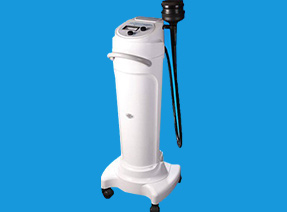
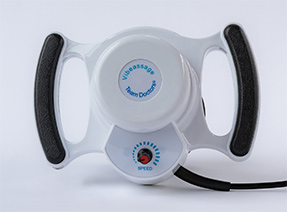
To help patients turn off chronic muscle guarding and begin restoring movement, Dr. Stoxen developed two tools: the Vibeassage Pro and the Vibeassage Sport.
These are not just massage devices. They are designed to help calm the nervous system, help tissues rehydrate, and help stiff muscles remember how to let go.
Patients use them in the clinic, but they are also designed for home use. This allows people to take part in their own recovery through home massage for thoracic outlet syndrome, self-treatment for thoracic outlet syndrome, and non-invasive TOS treatment. They are often part of physical rehabilitation for TOS, especially for people focused on avoiding surgery for arm pain, treat TOS without surgery, and achieving non-surgical recovery TOS.
Why the Medical World Is Paying Attention
The reason journals are now inviting this work is simple. It explains why so many treatments fail. It explains why surgery often does not fix the real problem. And it offers a clear mechanical model of how the body actually works.
That is why the Human Spring Approach is moving from a clinic-based idea into the medical literature.
How the Spring System Breaks — And How Compression Slowly Takes Over the Body
To understand why pain becomes chronic, you first have to understand how the body slowly loses its spring.
This does not usually happen in one big accident.
It happens little by little.
Most people start life with a body that moves easily. Children bounce. They run. They fall. They get up. Their bodies are full of spring.
But over time, things change.
Shoes get stiff. Chairs get softer. Movement gets smaller. Life gets more stressful. Injuries happen. People sit more and move less. The spring system begins to lose its strength.
At first, the body adapts.
Then it starts to compensate.
And eventually, it starts to protect itself by tightening.
The Protective Reflex That Never Turns Off
The human nervous system has one main job: keep you alive.
When something feels unsafe, it tightens muscles to protect joints and nerves. This is a good thing in the short term.
But when stress, poor posture, old injuries, or repetitive strain never go away, the body stays in protection mode.
Muscles remain tight all the time.
When muscles stay tight:
- Blood flow drops
- Tissues dry out
- Nerves become sensitive
- Joints lose motion
- And the spring system becomes stiff
This is when people begin searching for a doctor for nerve pain in neck and arm or a doctor for unexplained neck and arm pain, because the symptoms no longer make sense to them.
They may already have tried physical therapy, injections, or chiropractic adjustments. But if the nervous system never truly relaxes, the body just tightens back up again.
From Stiffness to Compression
When the spring system loses its bounce, the body does not fall apart all at once.
It slowly sags inward.
The head starts to drift forward.
The shoulders start to round and sink.
The rib cage stiffens.
The spine loses its natural motion.
As this happens, the spaces inside the body get smaller.
The tunnels that nerves and blood vessels travel through begin to narrow.
This is when people start developing:
- Arm pain
- Hand tingling
- Shoulder burning
- Neck tightness
- Weakness
- And strange symptoms that seem to move around
Many of these patients eventually hear the words “nerve compression” or “thoracic outlet” or “disc problem.”
And very often, they are told surgery is the next step.
That is when they begin searching for the best therapy for thoracic outlet syndrome, the best non-surgical TOS treatment, or alternatives to thoracic outlet surgery.
Why Thoracic Outlet Problems Are Really a Spring Problem
The thoracic outlet is not a rigid tunnel.
It is a dynamic space that is supposed to open and close gently as you move.
When the shoulder and spine are suspended correctly by the spring system, that space stays open.
When the spring system collapses, the shoulder drops, the neck stiffens, and the space gets smaller and smaller.
This is why so many people look for holistic treatment for thoracic outlet syndrome, functional treatment for TOS, or a conservative approach to TOS. They sense that the problem is not just one muscle or one rib.
They are right.
The real issue is that the whole suspension system has failed.
Why Surgery Often Misses the Real Cause
Surgery removes things.
It removes ribs. It cuts muscles. It shaves bone. It tries to make space by taking something away.
But it does not restore the spring system.
If the body is still stiff, guarded, and compressed, it will continue to collapse even after parts are removed.
That is why so many people are now looking for conservative treatment for thoracic outlet syndrome, natural ways to treat TOS, and conservative care for TOS instead of jumping straight to surgery.
They want to know if there is a way to fix the cause, not just the shape.
The Step-by-Step Breakdown That Leads to Chronic Pain
In the Human Spring model, the process usually looks like this:
First, movement becomes smaller.
Then muscles stay tight longer than they should.
Then joints start to lose motion.
Then posture changes.
Then space inside the body starts to shrink.
Then nerves and blood vessels become irritated.
Then pain becomes chronic.
At that point, people often feel stuck.
They may have already seen many doctors. They may have tried many treatments. They may feel like nothing really lasts.
This is when people start searching for a non-invasive TOS treatment or movement-based treatment TOS or manual therapy for TOS, because they are tired of treatments that only chase symptoms.
Why Movement Is So Important
The spring system only stays healthy if it is used.
When movement becomes limited, the body begins to behave more like a rusty hinge than a living spring.
This is why postural correction for TOS and physical rehabilitation for TOS are so important — not as isolated exercises, but as part of a bigger plan to retrain the whole body to move and suspend itself again.
The goal is not just to stretch or strengthen.
The goal is to bring the spring back.
The Role of Gentle, Repetitive Decompression
One of the biggest mistakes in rehabilitation is being too aggressive.
When the nervous system is already in protection mode, forcing joints or stretching too hard often makes things worse.
The body needs safe, gentle, repeated signals that it is okay to relax.
This is where tools like the Vibeassage Pro and Vibeassage Sport play a special role.
They allow patients to apply gentle, controlled stimulation to tight, guarded tissues. Over time, this helps calm the nervous system, improve circulation, and slowly restore movement.
This is why so many patients use them as part of home treatment for thoracic outlet syndrome and self-treatment for thoracic outlet syndrome. They are not trying to “fix” themselves in one day. They are teaching their body to let go again.
Why Real Recovery Takes Time — But Lasts
The spring system did not collapse overnight.
It usually takes months or years.
So restoring it also takes time.
But when the body starts to move better, breathe better, and carry itself better, something important happens:
Space begins to return.
Nerves calm down.
Blood flow improves.
Pain slowly loses its grip.
This is what people mean when they talk about natural recovery from thoracic outlet syndrome and non-surgical recovery TOS. It is not magic. It is biology and mechanics working the way they were designed to.
A Very Different Goal
The goal of the Human Spring Approach is not to chase pain.
It is to restore the system that prevents pain.
That is a very different way of thinking.
The Shoulder, the Neck, and the Arm: How Space Is Lost — And How It Is Rebuilt
If you want to understand why so many people have neck pain, shoulder pain, and arm symptoms, you have to understand one simple idea:
The arm does not hang from the neck like a hook on a wall.
It is suspended.
The shoulder, collarbone, rib cage, and spine form a living suspension bridge that holds the arm up and keeps space open for nerves and blood vessels.
When this suspension system works, you can lift your arm, reach, carry, and sleep without pain.
When it fails, everything starts to sink and squeeze.
How the Shoulder Suspension System Collapses
In a healthy body, the shoulder is gently lifted and supported by the spring system of the spine, rib cage, and muscles.
But when posture slowly changes, when the chest stiffens, when the neck becomes rigid, and when the upper back stops moving, the shoulder begins to drift downward and forward.
This does two dangerous things at the same time:
It puts more weight on the neck.
And it shrinks the spaces where nerves and blood vessels pass.
This is why so many people feel pain that starts in the neck and travels into the shoulder, arm, or hand.
They often go looking for a doctor for nerve pain in neck and arm or a doctor for unexplained neck and arm pain, because the symptoms do not stay in one place.
Why Nerves and Blood Vessels Are So Sensitive to Compression
Nerves and blood vessels are not like bones.
They do not like pressure.
They do not like being stretched.
They do not like being rubbed.
They need space.
When the shoulder drops and the neck stiffens, the tunnels these structures pass through become smaller. Even a small loss of space can cause big symptoms: tingling, numbness, weakness, burning, coldness, or a heavy, tired feeling in the arm.
This is why people start looking for non-invasive TOS treatment or functional treatment for TOS or manual therapy for TOS. They sense that the problem is not just “in” the arm. It is in how the whole system is carrying the arm.
Why Many Treatments Only Help for a Short Time
Many treatments focus on one tight muscle or one sore joint.
That can feel good for a few hours or a few days.
But if the suspension system is still collapsed, the body simply sinks back into the same pattern.
This is why some people feel like they have tried everything and nothing lasts.
They are not failing.
They are just fixing pieces instead of fixing the system.
This is also why people start searching for a movement-based treatment TOS or a conservative approach to TOS. They want something that changes how their body works, not just how it feels for a day.
How the Human Spring Approach Rebuilds Space
The Human Spring Approach does not start by forcing joints or stretching aggressively.
It starts by teaching the body to lift and suspend itself again.
This happens in layers:
First, the nervous system must calm down.
Then, muscles must learn to relax.
Then, joints must start to move again.
Then, posture begins to change.
Then, space slowly returns.
As space returns, symptoms often begin to fade.
This is how people experience reduce compression without surgery, restore shoulder space naturally, and relieve nerve compression naturally without anyone cutting or removing anything.
Why Breathing and Rib Motion Matter
Most people do not realize how important breathing is to the spring system.
The rib cage is supposed to move like a flexible bucket handle.
When it becomes stiff, the neck and shoulders have to work harder.
Over time, this adds to compression and tension.
Part of holistic treatment for thoracic outlet syndrome and conservative care for TOS is restoring natural breathing and rib motion so the upper body can float again instead of sink.
The Role of Gentle, Repeated Input
The body does not change because of one hard treatment.
It changes because of thousands of gentle, safe signals that tell it, “You are okay. You can relax now.”
This is where the Vibeassage Pro and Vibeassage Sport become very important tools.
They allow people to apply gentle, controlled stimulation to areas that have been tight and guarded for years. Over time, this helps calm the nervous system, improve circulation, and make movement feel safe again.
This is why they are used so often in home treatment for thoracic outlet syndrome and self-treatment for thoracic outlet syndrome. They let patients take part in their own recovery every day, not just during clinic visits.
Why Posture Is Not About “Standing Up Straight”
When most people think of posture, they think of forcing themselves to sit or stand straight.
That usually does not work.
Real posture comes from spring and suspension, not from stiffness.
When the spring system starts working again, posture improves by itself.
This is why postural correction for TOS is not about holding positions. It is about restoring movement so the body naturally carries itself better.
When Blood Flow Improves, Everything Changes
One of the quiet but powerful benefits of restoring space is improved circulation.
When muscles relax and joints decompress, blood can move more freely.
This is why many patients notice warmer hands, less heaviness in the arm, and better endurance as they recover.
They are literally improving blood flow without surgery by changing how their body is suspended.
Why This Approach Feels Different to Patients
Many patients say something interesting:
“This is the first time someone explained what is actually happening in my body.”
Instead of being told, “You have bad discs,” or “Your nerves are trapped,” they are shown why the body lost space and how it can get it back.
This is what makes the Human Spring Approach feel logical instead of mysterious.
How Real Recovery Is Built — And How You Keep Your Spring System for Life
By now, you understand the big idea behind the Human Spring Approach:
Your body is not a stack of parts.
It is a living suspension system.
And pain usually comes from loss of spring and loss of space, not from something being “worn out.”
This changes everything about how recovery should work.
What “Treatment” Really Means in the Human Spring Approach
Most people think treatment means:
“Do something to me.”
The Human Spring Approach means:
“Teach my body to work again.”
That is a very different goal.
Instead of chasing pain, the focus is on restoring the system that prevents pain.
This is why people who come to Dr. Stoxen often say they were not just looking for another appointment. They were looking for a best doctor to avoid neck surgery, someone who could show them how to change what their body was doing instead of just reacting to symptoms.
Many of them had already seen surgeons. Many had been told fusion or decompression was the only path. That is why they were searching for a doctor who treats cervical spine compression naturally or a non-invasive neck pain treatment doctor or even a non-surgical spine doctor near me who would take a different view.
Why “Best Therapy” Is Not One Thing
Patients often ask, “What is the best therapy for thoracic outlet syndrome?” or “What is the best non-surgical TOS treatment?”
The honest answer is that recovery is not one technique.
It is a process.
It includes:
- Calming the nervous system
- Restoring movement
- Rebuilding suspension
- Relearning posture
- And keeping the system healthy over time
This is why the Human Spring Approach is often described as functional treatment for TOS, a conservative approach to TOS, and a form of physical rehabilitation for TOS that looks at the whole body instead of one tight spot.
It is also why people who once thought surgery was their only option often discover they really can treat TOS without surgery and experience a true non-surgical recovery TOS.
Why Consistency Matters More Than Intensity
One of the biggest mistakes people make is trying to fix years of stiffness and compression in a few weeks.
The body does not work that way.
The spring system broke down slowly.
It must be restored slowly.
Small, gentle, daily inputs change the nervous system far more than occasional aggressive treatments.
This is why so many people succeed with home treatment for thoracic outlet syndrome and self-treatment for thoracic outlet syndrome when they finally understand what they are trying to change.
They are no longer chasing pain.
They are rebuilding function.
The Vibeassage Pro and Vibeassage Sport as Daily Tools
The Vibeassage Pro and Vibeassage Sport were created for exactly this reason.
They are not meant to “fix” you in one session.
They are meant to help your body:
- Relax guarded muscles
- Improve circulation
- Restore tissue movement
- And remind the nervous system that it is safe to let go
Used consistently, they become part of non-invasive TOS treatment and long-term conservative care for TOS. They support the same goals as manual therapy for TOS and movement-based treatment TOS, but they let you work on yourself every day instead of only when you have an appointment.
What Real Progress Feels Like
Real progress is often quiet.
You may notice:
- Your arm feels lighter
- Your neck feels less stiff in the morning
- Your hand is warmer
- You can sit or drive longer
- You recover faster after activity
These changes mean you are:
- Improving blood flow without surgery
- Relieving nerve compression naturally
- And continuing to restore shoulder space naturally
This is what natural recovery from thoracic outlet syndrome actually looks like in real life.
Why Many Neck and Spine Patients End Up Here Too
Not everyone who uses this approach has thoracic outlet symptoms.
Many people arrive because they are dealing with long-term neck problems and are trying to avoid surgery.
They may be searching for a neck pain second opinion specialist, a spine specialist focused on non-surgical care, or a doctor who treats disc problems without surgery.
Some have been told they need fusion and want a doctor who avoids cervical fusion. Others are simply looking for a doctor who treats neck pain without surgery or a non-surgical neck pain specialist who can explain why their body feels so stiff and compressed.
When they learn about the spring system, something finally makes sense:
Their neck is not just “degenerating.”
It is losing suspension.
And suspension can often be restored.
The Long-Term Goal: A Body That Maintains Itself
The ultimate goal is not endless treatment.
The goal is a body that:
- Moves well
- Carries itself well
- Absorbs stress well
- And protects its own nerves and joints
This is why posture, movement, breathing, and daily care matter so much.
It is also why people who truly recover usually say something like:
“I don’t just feel better. I move differently.”
Why This Work Is Now Entering the Medical Literature
The Human Spring Approach is not just helping patients.
It is changing how doctors think about chronic pain, compression, and degeneration.
That is why it is now being written about in journals, discussed on editorial boards, and studied as a new way to understand the body.
It offers something medicine has been missing:
A mechanical explanation that actually fits how the body behaves.
The Big Picture
The Human Spring Approach teaches that:
- The body is a suspension system, not a stack of parts
- Pain usually comes from loss of spring and loss of space
- Compression can often be reversed without surgery
- Movement and nervous system calming are the keys to recovery
- And patients can play a powerful role in their own healing
For many people, this is the difference between living in fear of the next scan and learning how to keep their body healthy for the rest of their lives.
A Final Thought
If you have been told that surgery is your only option, it does not mean you are broken.
It often means no one has yet explained how your spring system failed — or how it can be restored.
And that is exactly what this work is about.
Team Doctors Resources
✓ Check out the Team Doctors Recovery Tools
The Vibeassage Sport and the Vibeassage Pro featuring the TDX3 soft-as-the-hand Biomimetic Applicator Pad
https://www.teamdoctors.com/
✓ Get Dr. Stoxen’s #1 International Bestselling Books
Learn how to understand, examine, and reverse your TOS—without surgery.
https://drstoxen.com/1-international-best-selling-author/
✓ Check out Team Doctors Online Courses
Step-by-step video lessons, demonstrations, and self-treatment strategies.
https://teamdoctorsacademy.com/
✓ Schedule a Free Phone Consultation With Dr. Stoxen
Speak directly with him so he can review your case and guide you on your next steps.
https://drstoxen.com/appointment/
#ThoracicOutletSyndrome #TOSAwareness #ChronicPainLife #Numbness #Tingling #Weakness #BurningPain #HeavyArm #NeckTension #ShoulderTightness #BrainFog #Fatigue #NerveCompression #PainJourney #ChronicConditions

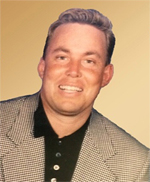
Dr James Stoxen DC., FSSEMM (hon) He is the president of Team Doctors®, Treatment and Training Center Chicago, one of the most recognized treatment centers in the world.
Dr Stoxen is a #1 International Bestselling Author of the book, The Human Spring Approach to Thoracic Outlet Syndrome. He has lectured at more than 20 medical conferences on his Human Spring Approach to Thoracic Outlet Syndrome and asked to publish his research on this approach to treating thoracic outlet syndrome in over 30 peer review medical journals.
He has been asked to submit his other research on the human spring approach to treatment, training and prevention in over 150 peer review medical journals. He serves as the Editor-in-Chief, Journal of Orthopedic Science and Research, Executive Editor or the Journal of Trauma and Acute Care, Chief Editor, Advances in Orthopedics and Sports Medicine Journal and editorial board for over 35 peer review medical journals.
He is a much sought-after speaker. He has given over 1000 live presentations and lectured at over 70 medical conferences to over 50,000 doctors in more than 20 countries. He has been invited to speak at over 300 medical conferences which includes invitations as the keynote speaker at over 50 medical conferences.
After his groundbreaking lecture on the Integrated Spring-Mass Model at the World Congress of Sports and Exercise Medicine he was presented with an Honorary Fellowship Award by a member of the royal family, the Sultan of Pahang, for his distinguished research and contributions to the advancement of Sports and Exercise Medicine on an International level. He was inducted into the National Fitness Hall of Fame in 2008 and the Personal Trainers Hall of Fame in 2012.
Dr Stoxen has a big reputation in the entertainment industry working as a doctor for over 150 tours of elite entertainers, caring for over 1000 top celebrity entertainers and their handlers. Anthony Field or the popular children’s entertainment group, The Wiggles, wrote a book, How I Got My Wiggle Back detailing his struggles with chronic pain and clinical depression he struggled with for years. Dr Stoxen is proud to be able to assist him.
Full Bio) Dr Stoxen can be reached directly at teamdoctors@aol.com