Tachycardia, palpitations, and chest tightness may come from nerve and posture stress, not your heart.
Many people today live with scary symptoms.
Some feel their heart suddenly start racing. Some feel a pounding heart in their chest. Some feel chest pounding, dizziness, nausea, or weakness. Some feel a fast heartbeat, a rapid heart rate, or strange heart palpitations that seem to come out of nowhere.
Others are told they have Tachycardia, which simply means their heart is beating faster than normal.
Some are told they have sinus tachycardia. Some hear words like supraventricular tachycardia (SVT), ventricular tachycardia, atrial fibrillation, or atrial flutter. Some are told they have an arrhythmia, an irregular heartbeat, or a heart rhythm disorder.
Some people notice heart rate spikes, an elevated pulse, or a sudden racing heart. Some notice symptoms during stress and are told it may be anxiety and tachycardia. Others notice symptoms during activity and hear the term exercise-induced tachycardia. Some even have symptoms at rest, sometimes called resting tachycardia.
All of this can be frightening.
But here is something very important to understand:
A fast or irregular heartbeat is a symptom, not a diagnosis by itself.
The heart is an engine. But it does not live alone. It is connected to the lungs, the blood vessels, the nerves, the muscles, the ribs, the shoulders, the neck, and the entire posture of your body.
And most people have never been taught that mechanics matter.
The Big Idea: The Human Spring
Dr. James Stoxen teaches something called the Human Spring Approach.
This is a way of looking at the body not as a machine made of levers and hinges, but as a living spring system.
A spring does three important things:
- It stores energy
- It releases energy
- It protects structures from shock and overload
Your feet are springs. Your legs are springs. Your spine is a spring. Your rib cage is a spring system. Your shoulders hang from your body like springs. Even your muscles and connective tissues behave like springs.
When springs are elastic and free, movement is easy, breathing is easy, and circulation is easy.
When springs become tight, stiff, or twisted, bad things start to happen:
- Joints compress
- Nerves get irritated
- Blood vessels can get squeezed
- Breathing becomes shallow
- The nervous system becomes stressed
And when the nervous system becomes stressed, the heart often responds.
Why the Heart Reacts to Mechanical Stress
The heart does not only respond to emotions.
It also responds to:
- Breathing
- Posture
- Muscle tension
- Nerve pressure
- Blood flow changes
- Chest and rib cage movement
If your body feels “threatened” because something is being squeezed, compressed, or restricted, your nervous system may go into alarm mode.
That alarm mode can feel like:
- A racing heart
- A pounding heart
- A fast heartbeat
- A rapid heart rate
- Or a sudden elevated pulse
This does not automatically mean the heart itself is broken.
Sometimes it means the body is under mechanical stress.
A Teaching Story from Real Life
In January 2026, Dr. Stoxen was in Beijing, China, working with patients who had arm, shoulder, rib, and nerve symptoms.
One patient had:
- Tingling in the fourth and fifth fingers
- Weakness around the ribs and shoulder
- Tightness in the chest and neck
These symptoms often make doctors think about nerve or blood vessel compression near the shoulder and chest.
So Dr. Stoxen tested something very simple:
He tested blood flow.
He checked the patient’s pulse. He also did a common test called Adson’s test, which checks whether certain positions reduce circulation to the arm.
At rest, the pulse did not change much.
So he brought out a small device called a pulse oximeter.
This clips onto a finger and shows two things in real time:
- Heart rate
- Blood oxygen level
This turns symptoms into objective data instead of just feelings.
The Shocking Discovery
One patient had severe Thoracic Outlet Syndrome.
All he had to do was pull his shoulders back.
When he did that, the pulse oximeter signal disappeared.
That meant blood flow to his arm was being mechanically cut off.
But that wasn’t even the most interesting part.
This same patient also had episodes of Tachycardia.
When he was driving in traffic, he would tense up.
His shoulders would rise. His chest would tighten. His neck would stiffen.
Then:
- His heart would start racing
- He would feel nauseous
- He would feel dizzy
- He would feel like he was going to pass out or needed to go to the hospital
This went on for months.
It got so bad that he could not drive anymore.
For six months, his wife had to drive him everywhere.
What Was Really Happening?
This man did not have a “mystery heart problem.”
He had a mechanical compression problem.
Every time he tightened his shoulders and chest:
- He squeezed nerves
- He squeezed blood vessels
- He restricted breathing
- He triggered a stress reflex in his nervous system
His body reacted as if it were in danger.
And when the nervous system goes into danger mode, the heart often responds with:
- Heart palpitations
- Heart rate spikes
- A racing heart
- Or even patterns that look like arrhythmia
This can feel exactly like a heart attack or panic attack, even when the heart itself is not the root cause.
Why This Matters for So Many People
Millions of people are told they have:
- Irregular heartbeat
- Heart rhythm disorder
- Atrial fibrillation
- Atrial flutter
- Supraventricular tachycardia (SVT)
- Or other forms of ventricular tachycardia
Some truly do have primary electrical heart problems and must be under a doctor’s care.
But many others also have:
- Poor posture
- Tight rib cages
- Stiff spines
- Rigid shoulders
- Shallow breathing
- Constant muscle tension
These mechanical problems stress the nervous system 24 hours a day.
And a stressed nervous system can keep the heart in a constant state of overreaction.
The Human Spring View of the Chest and Shoulders
Your rib cage is not a solid box.
It is a moving spring system.
Your shoulders do not sit on your body like blocks.
They hang like springs from your neck, ribs, and spine.
When these springs move well:
- Breathing is deep
- Blood flows easily
- Nerves are not irritated
- The heart stays calm
When these springs become stiff:
- Breathing becomes shallow
- The chest feels tight
- The neck feels loaded
- The nervous system becomes jumpy
This is when people start noticing:
- Chest pounding
- Pounding heart
- Fast heartbeat
- Rapid heart rate
Where Tools Like Vibeassage Fit In (Safely and Honestly)
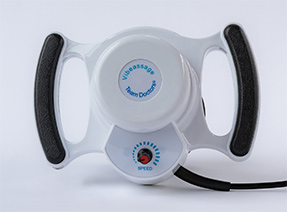
Dr. Stoxen uses mechanical vibration and massage tools such as:
- Vibeassage Pro
- Vibeassage Sport
These are self-massage and relaxation tools.
They are not medicines.
They are not surgery.
They are not making disease claims.
They are simply tools to help people relax tight muscles, calm tissues, and restore motion in stiff areas of the body.
Just like:
- Foam rollers
- Massage balls
- Hand massage
- Stretching
They are part of a general wellness and recovery approach.
The Big Takeaway So Far
Your heart does not live in isolation.
Your posture, breathing, muscles, ribs, shoulders, and nerves all talk to your heart through the nervous system.
Sometimes what looks like a heart problem is actually:
- A mechanical stress problem
- A breathing restriction problem
- Or a body tension problem
And sometimes, when those mechanical stresses are reduced, the nervous system calms down.
Why Your Body Was Built Like a Spring — Not Like a Lever
Most people have been taught, without realizing it, to think of the body like a machine made of levers.
A lever is a stiff bar that rotates around a hinge.
But your body is not built like a crowbar.
It is built like a network of living springs.
Springs bend.
Springs stretch.
Springs absorb shock.
Springs return energy.
And most importantly:
Springs protect what runs through them.
The Hidden Job of the Human Spring System
Inside your body are:
- Nerves
- Blood vessels
- Lymph vessels
- Airways
- Organs
These structures are soft and delicate.
They must pass between bones, muscles, and joints.
If the body were built like stiff levers, these soft structures would be crushed every time you moved.
So nature used a better design: springs.
Your spine is a spring column.
Your rib cage is a spring cage.
Your shoulders hang like springs.
Your hips and legs work like spring struts.
Your feet are spring platforms.
When these springs move freely:
- Space stays open
- Pressure stays low
- Flow stays smooth
What Happens When Springs Become Stiff
Over time, because of:
- Sitting too much
- Poor posture
- Stress
- Old injuries
- Shallow breathing
- Fear and tension
The springs start to stiffen.
A stiff spring:
- Does not absorb shock well
- Does not return energy well
- Does not protect space well
When springs stiffen:
- Joints compress
- Tunnels narrow
- Nerves get irritated
- Blood vessels can be squeezed
Why This Can Affect the Heart
The heart is controlled by the autonomic nervous system.
That system is constantly asking one question:
“Is the body safe right now?”
If the body feels squeezed, restricted, or trapped:
- The nervous system goes into alert mode
- Breathing gets faster and shallower
- Muscles tighten even more
- And the heart often speeds up
This can feel like:
- A racing heart
- A pounding heart
- Heart palpitations
- A fast heartbeat
- A rapid heart rate
- Or heart rate spikes
Some people are told they have Tachycardia.
Some hear terms like sinus tachycardia, supraventricular tachycardia (SVT), or ventricular tachycardia.
Some are told they have atrial fibrillation, atrial flutter, or an arrhythmia.
Some are told they have an irregular heartbeat, a heart rhythm disorder, or an elevated pulse.
All of these are descriptions of what the heart is doing.
They do not always explain why the body is under stress.
The Chest Is a Moving Spring Cage
Your rib cage is not a solid box.
It is a moving, breathing spring structure.
Every breath:
- Ribs should expand
- The spine should move
- The chest should open
- The diaphragm should descend
But in many people:
- The chest is stiff
- The ribs barely move
- The shoulders are stuck up and forward
- The neck is tight all day
This creates a feeling of:
- Chest tightness
- Air hunger
- Pressure
- And sometimes chest pounding
The nervous system reads this as danger.
And when the nervous system feels danger, the heart may respond with:
- Rapid heart rate
- Fast heartbeat
- Or pounding heart
Why Stress Makes Everything Worse
Stress is not just in your mind.
Stress is also:
- In your muscles
- In your breathing
- In your posture
- In your joints
When someone lives in constant stress:
- The shoulders stay lifted
- The jaw stays tight
- The chest stays stiff
- The belly barely moves during breathing
This is why some people notice:
- Anxiety and tachycardia together
- Or a racing heart during emotional stress
- Or even resting tachycardia
The body never fully relaxes.
Why Exercise Can Trigger Symptoms
Movement is good.
But movement on a stiff spring system can be stressful.
If your chest, spine, and shoulders do not move well:
- Your breathing cannot increase easily
- Your circulation must work harder
- Your nervous system may feel overloaded
This is why some people notice:
- Exercise-induced tachycardia
- Or sudden heart rate spikes
- Or an elevated pulse that feels out of proportion to effort
Again, this does not automatically mean the heart is broken.
It may mean the body’s movement system is not working smoothly.
The Shoulder Area: A Common Trouble Spot
The area between your neck, shoulder, and chest is a busy traffic zone.
Through this small space pass:
- Nerves to the arm
- Blood vessels to the arm
- Lymph drainage
- Muscles that control the shoulder and neck
This area must stay open, elastic, and mobile.
When it becomes tight and collapsed:
- Nerves get irritated
- Blood flow can be reduced
- The nervous system gets stressed
This is why some people get:
- Arm tingling
- Hand numbness
- Weakness
- Neck pain
- Chest pressure
- And sometimes racing heart episodes
The Body Does Not Like Being Squeezed
Your nervous system does not like:
- Tight tunnels
- Restricted breathing
- Compressed joints
- Stiff ribs
It reacts the same way it would if you were in danger.
That reaction can include:
- Faster breathing
- Faster heart rate
- Muscle tension
- And sometimes irregular heartbeat patterns
Where Gentle Self-Massage Fits In
Dr. Stoxen uses and teaches simple tools such as:
- Vibeassage Pro
- Vibeassage Sport
These are wellness and relaxation tools.
They are used to:
- Help muscles relax
- Help tissues move
- Help stiff areas loosen
- Help the body feel safer and calmer
They do not diagnose disease.
They do not replace medical care.
They do not make medical claims.
They are simply tools for recovery, comfort, and movement — like massage, stretching, and mobility work.
The Big Picture So Far
Your body is:
- A moving spring system
- Designed to protect nerves and blood vessels
- Designed to make movement easy
- Designed to make breathing easy
When the spring system stiffens:
- The nervous system feels threatened
- The heart may react
- And symptoms can appear that feel very scary
How Modern Life Slowly Flattens the Human Spring
Your body was not designed for chairs.
It was not designed for screens.
It was not designed for shoes that block foot movement.
It was not designed for hours of sitting, hunching, and staring forward.
Yet this is how many people live most of their lives.
The Slow Collapse Nobody Notices
The human spring system does not usually break in one day.
It slowly changes because of:
- Sitting too much
- Looking down at phones
- Driving for long hours
- Stress and worry
- Old injuries
- Lack of full-body movement
Over time:
- The head moves forward
- The shoulders round
- The chest collapses
- The spine stiffens
- The hips stop extending
- The feet stop working like springs
This is called postural collapse.
What Collapsed Posture Does to Breathing
When the chest collapses:
- The ribs cannot move well
- The diaphragm cannot move down easily
- Breathing becomes shallow and fast
Shallow breathing tells the nervous system:
“Something is wrong.”
That alone can push the body toward:
- A rapid heart rate
- A fast heartbeat
- Or a racing heart
Some people notice:
- Heart palpitations
- Heart rate spikes
- Or a constant elevated pulse
Some are told they have Tachycardia or sinus tachycardia.
Again, these words describe what the heart is doing, not always why the body is stressed.
The Nervous System Lives in the Body, Not Just the Brain
Your nervous system is everywhere.
It feels:
- Muscle tension
- Joint pressure
- Breathing restriction
- Postural strain
If your body feels tight all day, the nervous system may stay in alert mode all day.
That can show up as:
- Anxiety and tachycardia
- A pounding heart
- Chest pounding
- Or episodes of irregular heartbeat
Some people are told they have:
- Supraventricular tachycardia (SVT)
- Ventricular tachycardia
- Atrial fibrillation
- Atrial flutter
- Or an arrhythmia
Some are told they have a heart rhythm disorder.
Some even notice symptoms at rest and hear the term resting tachycardia.
Why Sitting Is So Powerful (In a Bad Way)
When you sit:
- Your hips stop extending
- Your spine rounds
- Your chest collapses
- Your head moves forward
- Your shoulders creep upward
Your body learns this shape.
After years of it:
- Standing feels tense
- Upright feels like work
- Relaxing feels impossible
This constant low-level effort keeps the nervous system turned on.
And a turned-on nervous system can drive:
- Heart rate spikes
- Rapid heart rate
- Or a racing heart
Why Some People Feel Worse in Traffic
Remember the story from Part 1.
The man whose heart would race in traffic.
Why traffic?
Because:
- He was sitting
- He was tense
- He was watching danger
- His shoulders were lifted
- His chest was tight
- His breathing was shallow
His body was in full survival mode.
The heart simply followed the nervous system’s orders.
Why Exercise Sometimes Feels Scary
Movement is good.
But movement on a stiff, collapsed spring system can feel overwhelming.
If your breathing cannot deepen easily and your chest cannot expand:
- Your body feels behind
- Your nervous system feels pressured
- Your heart may speed up fast
This is where people notice:
- Exercise-induced tachycardia
- Or sudden elevated pulse
- Or heart rate spikes that feel out of proportion
Again, this does not automatically mean your heart is broken.
It may mean your movement system is stiff and your nervous system is guarded.
The Feet: The Forgotten Springs
Your feet are supposed to be:
- Flexible
- Strong
- Springy
But modern shoes:
- Limit motion
- Reduce sensory input
- Weaken foot muscles
A weak foot spring:
- Sends more shock upward
- Makes the knees, hips, and spine stiffer
- Adds to whole-body tension
And whole-body tension feeds the nervous system.
The Body Keeps Score
Your body remembers:
- Old injuries
- Old stress
- Old fear
- Old pain patterns
Even when the injury is gone, the tension pattern may stay.
That means:
- Muscles stay tighter than needed
- Breathing stays smaller than needed
- The spring system stays stiffer than needed
This creates a body that always feels on edge.
Where Gentle Daily Care Fits In
Dr. Stoxen teaches that taking care of your body should be:
- Gentle
- Regular
- Non-aggressive
- Restorative
Tools like:
- Vibeassage Pro
- Vibeassage Sport
Are used as part of self-care, relaxation, and recovery.
They can help:
- Muscles soften
- Tissues move better
- Stiff areas calm down
- The nervous system feel safer
They are not cures.
They are not medical treatment.
They are support tools for comfort and movement.
A Body That Feels Safer Acts Calmer
When:
- Breathing improves
- Posture improves
- Movement improves
- Tension decreases
The nervous system often becomes less reactive.
And when the nervous system is less reactive:
- The heart often behaves more calmly
Living in a Way That Supports Your Human Spring
By now, you understand a very different way of looking at the body.
Not as a machine made of stiff levers.
But as a living system of springs.
Springs that:
- Absorb shock
- Store energy
- Release energy
- Protect space for nerves and blood vessels
When these springs move well, life feels easier.
When they stiffen and collapse, the body feels stressed — and the nervous system reacts.
The Body Is Always Listening
Your nervous system is always paying attention to:
- Your posture
- Your breathing
- Your muscle tension
- Your movement
- Your sense of safety
If the body feels:
- Compressed
- Restricted
- Tight
- Or guarded
The nervous system may turn up the alarm.
And when that happens, the heart often joins in.
That alarm can feel like:
- Tachycardia
- A rapid heart rate
- A fast heartbeat
- Heart palpitations
- A racing heart
- A pounding heart
- Chest pounding
- Heart rate spikes
- An elevated pulse
Some people hear medical names like:
- Sinus tachycardia
- Supraventricular tachycardia (SVT)
- Ventricular tachycardia
- Atrial fibrillation
- Atrial flutter
- Or arrhythmia
Some are told they have:
- An irregular heartbeat
- Or a heart rhythm disorder
Some notice symptoms during stress and call it anxiety and tachycardia.
Some notice it during activity and hear exercise-induced tachycardia.
Some even notice it at rest and hear resting tachycardia.
These are all descriptions of patterns, not the full story of why the body is under strain.
The Human Spring Lifestyle
Dr. James Stoxen teaches patients to think differently.
Not:
“How do I fight my body?”
But:
“How do I make my body feel safe, free, and supported?”
A spring-friendly life includes:
- Moving often
- Sitting less
- Standing tall but relaxed
- Letting the ribs move
- Letting the shoulders hang
- Letting the feet work
It includes:
- Breathing that moves the belly and ribs
- Postures that do not collapse the chest
- Movements that do not feel forced
Team Doctors Resources
✓ Check out the Team Doctors Recovery Tools
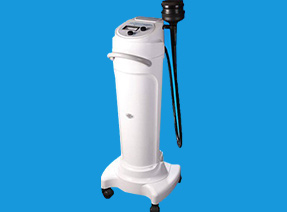
The Vibeassage Sport and the Vibeassage Pro featuring the TDX3 soft-as-the-hand Biomimetic Applicator Pad
https://www.teamdoctors.com/
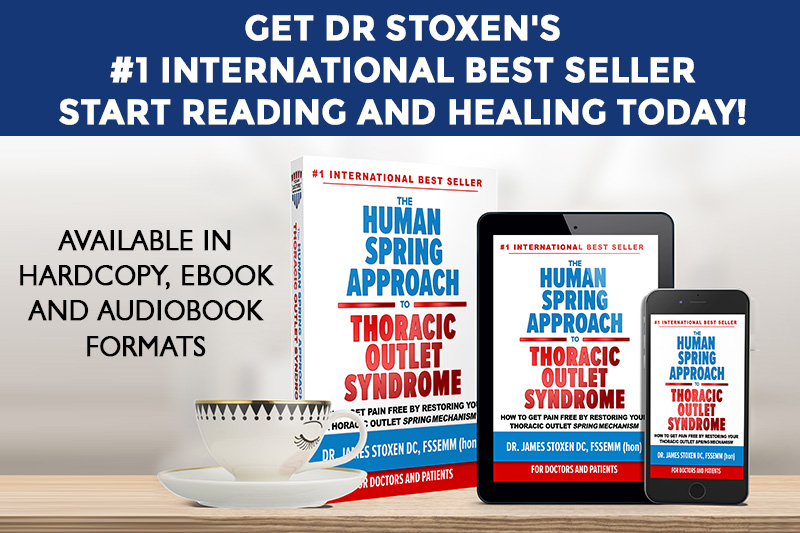
✓ Get Dr. Stoxen’s #1 International Bestselling Books
Learn how to understand, examine, and reverse your TOS—without surgery.
https://drstoxen.com/1-international-best-selling-author/
✓ Check out Team Doctors Online Courses
Step-by-step video lessons, demonstrations, and self-treatment strategies.
https://teamdoctorsacademy.com/
#Tachycardia #HeartRate #HeartHealth #Palpitations #CardiacHealth #Arrhythmia #FastHeartRate #HeartAwareness #HeartSymptoms #HealthEducation
Small Daily Habits Matter More Than Big Efforts
You do not need extreme workouts.
You do not need painful stretching.
You do not need to “beat your body into shape.”
The spring system responds better to:
- Gentle movement
- Frequent movement
- Relaxed movement
Think:
- Walking
- Light mobility
- Shaking out tension
- Easy stretching
- Relaxed breathing
Where Self-Care Tools Fit In
Dr. Stoxen uses and teaches tools such as:
- Vibeassage Pro
- Vibeassage Sport
These are wellness and comfort tools.
They are used to:
- Help muscles relax
- Help tissues move
- Help stiff areas soften
- Help the body feel safer and calmer
They do not:
- Diagnose disease
- Treat disease
- Replace medical care
They are part of a general recovery, comfort, and self-care routine, just like:
- Massage
- Stretching
- Foam rolling
- Warm showers
The Goal Is Not Perfection
The goal is not to have a “perfect body.”
The goal is to have a body that:
- Feels safer
- Moves more easily
- Breathes more freely
- Holds less tension
When the body feels safer:
- The nervous system often becomes calmer
- And the heart often becomes less reactive
A Very Important Safety Reminder
Some heart rhythm problems are serious medical conditions.
Anyone with:
- New symptoms
- Severe symptoms
- Worsening symptoms
- Fainting
- Chest pain
- Or known heart disease
Must always work with their medical doctor.
The Human Spring Approach is:
- Educational
- Mechanical
- Lifestyle-oriented
- Supportive
It is not a substitute for medical diagnosis or treatment.
A New Way to Think About Your Body
Instead of seeing your body as:
“A broken machine”
You can begin to see it as:
“A protective spring system that has become stiff and guarded”
That is a very hopeful way to think.
Because springs can become more elastic again.
The Big Picture
Modern life:
- Stiffens posture
- Shallowens breathing
- Keeps muscles tight
- Keeps the nervous system on edge
A spring-friendly life:
- Encourages movement
- Encourages breathing
- Encourages relaxation
- Encourages safety
And a body that feels safer often shows fewer stress reactions — including the kind that feel like:
- Racing heart
- Pounding heart
- Fast heartbeat
- Rapid heart rate
- Or heart palpitations
Dr. Stoxen’s Core Message
Your body is not a lever.
Your body is a living spring.
Take care of the spring.
Support the spring.
And let your body remember how to move, breathe, and relax again.
Final Thought
When you stop fighting your body
and start working with its natural design,
everything becomes easier.
Movement becomes easier.
Breathing becomes easier.
Life becomes easier.
And that is the heart of the Human Spring Approach.

Dr James Stoxen DC., FSSEMM (hon) He is the president of Team Doctors®, Treatment and Training Center Chicago, one of the most recognized treatment centers in the world.
Dr Stoxen is a #1 International Bestselling Author of the book, The Human Spring Approach to Thoracic Outlet Syndrome. He has lectured at more than 20 medical conferences on his Human Spring Approach to Thoracic Outlet Syndrome and asked to publish his research on this approach to treating thoracic outlet syndrome in over 30 peer review medical journals.
He has been asked to submit his other research on the human spring approach to treatment, training and prevention in over 150 peer review medical journals. He serves as the Editor-in-Chief, Journal of Orthopedic Science and Research, Executive Editor or the Journal of Trauma and Acute Care, Chief Editor, Advances in Orthopedics and Sports Medicine Journal and editorial board for over 35 peer review medical journals.
He is a much sought-after speaker. He has given over 1000 live presentations and lectured at over 70 medical conferences to over 50,000 doctors in more than 20 countries. He has been invited to speak at over 300 medical conferences which includes invitations as the keynote speaker at over 50 medical conferences.
After his groundbreaking lecture on the Integrated Spring-Mass Model at the World Congress of Sports and Exercise Medicine he was presented with an Honorary Fellowship Award by a member of the royal family, the Sultan of Pahang, for his distinguished research and contributions to the advancement of Sports and Exercise Medicine on an International level. He was inducted into the National Fitness Hall of Fame in 2008 and the Personal Trainers Hall of Fame in 2012.
Dr Stoxen has a big reputation in the entertainment industry working as a doctor for over 150 tours of elite entertainers, caring for over 1000 top celebrity entertainers and their handlers. Anthony Field or the popular children’s entertainment group, The Wiggles, wrote a book, How I Got My Wiggle Back detailing his struggles with chronic pain and clinical depression he struggled with for years. Dr Stoxen is proud to be able to assist him.
Full Bio) Dr Stoxen can be reached directly at teamdoctors@aol.com