For Olivia Se, the most frightening part of his illness was not the pain itself.
It was the loss of certainty.
As a nurse in a major hospital in the south of France, Olivia had been trained to trust systems—diagnostic pathways, protocols, imaging, referrals. Pain was supposed to follow rules. Injuries were supposed to heal. If they did not, there was always a next step.
Until there wasn’t.
By the time his condition reached its worst phase, Olivia was living with chronic shoulder and arm pain that never truly stopped. This was not soreness, strain, or fatigue. It was constant shoulder pain paired with constant arm pain, present at rest and aggravated by movement. His shoulder blade throbbed relentlessly. He felt upper chest pain near shoulder that seemed to come from deep inside, beyond the reach of stretching or massage.
The pain did not behave logically.
Some days it burned. Other days it pulsed. At times it stabbed sharply down his arm as sharp arm nerve pain, then settled into a deep shoulder ache that lingered for hours. He experienced shoulder nerve pain that radiated unpredictably, paired with throbbing arm pain that made even simple tasks exhausting.
His body felt like it was under siege.
The muscles in his neck and shoulder girdle were in constant defense mode—muscle tightness in neck, tight neck and shoulder muscles, tension that never truly released. The area between his neck and shoulder felt inflamed and compressed, producing constant pain where neck meets shoulder.
What disturbed him most was how his arm felt.
It no longer felt like part of him.
He lived with a persistent heavy arm sensation, as if his limb were weighted or filled with fluid. At times, the pressure intensified into a suffocating arm pressure sensation, making him feel as though circulation itself was being strangled. His shoulder felt unstable, mechanically wrong. He often described it as if his shoulder felt pulled down, no longer suspended properly by the muscles meant to hold it in place.
This instability fed the pain.
When he tried to lift his arm, it felt weak. Not sore—weak. He experienced true loss of function arm pain, a frightening realization for someone whose profession depended on physical capability. His grip failed him. He noticed loss of hand strength, fumbling objects and dropping things from a weak hand without warning.
Driving became a calculated risk.
Holding the steering wheel triggered intense arm pain when driving, forcing him to constantly shift positions. At night, the pain followed him into sleep. He woke repeatedly with arm pain when sleeping, sometimes with a fully numb arm while sleeping, other times with waves of tingling that spread into his fingers.
He noticed subtle warning signs most patients never think to mention.
One arm felt colder than the other.
Numbness appeared randomly, without clear triggers.
Pressure intensified near the collarbone and first rib—pain near first rib, paired with collarbone pain and numbness and severe tight muscles above collarbone.
As a nurse, Olivia knew these signs mattered.
As a patient, no one explained them.
Instead, appointment after appointment ended the same way. Imaging looked “acceptable.” Blood work was normal. The pain persisted. He found himself trapped in the most dangerous diagnostic category of all: chronic arm pain no diagnosis.
He began asking the questions every patient eventually asks.
Why won’t my arm heal?
Why does nothing help my arm pain?
Why does treatment make it worse?
He tried everything.
Physiotherapy. Manual therapy. Exercise. Rest. Medication. Injections. He consulted multiple specialists, chasing second opinions, hoping someone—anyone—would finally understand what was happening.
Instead, the pain escalated.
By early 2021, Olivia reached what many patients describe as the breaking point. His pain was no longer interfering with life—it was arm pain ruining my life. He could not work. He could not sleep. He could not relax. This was shoulder pain affecting daily life at every level.
He was told the words no patient wants to hear:
“This is end stage.”
Doctors warned him about chronic nerve compression damage and the permanent nerve damage risk associated with prolonged compression. He learned that ignoring thoracic outlet syndrome risks progression to irreversible nerve injury, vascular compromise, and long-term disability.
This was no longer theoretical.
He was living with disabling arm pain. He felt the fear of permanent arm damage settle in. His condition was now described as end stage thoracic outlet syndrome, and surgery was framed as the only remaining path.
The recommendation was blunt: first rib resection and scalenectomy.
He was told this was the last option for thoracic outlet syndrome.
But Olivia hesitated.
He had already undergone shoulder surgery—an acromioplasty—that had made him worse. He could not ignore that fact. He began to question whether cutting more anatomy would truly solve a problem no one had properly explained.
Was surgery really the answer?
Or was it simply the end of the algorithm?
He started researching obsessively.
He learned that thoracic outlet syndrome is not a single condition, but a functional disorder involving space, load, posture, and movement. He read about patients who underwent surgery only to experience persistent pain, instability, or worsening symptoms. He learned that many specialists focused narrowly—orthopedic surgeons on bones, vascular surgeons on vessels, neurologists on nerves—without addressing how the system worked together.
The question haunted him:
Who actually understands TOS?
He searched for a thoracic outlet syndrome specialist, not by title but by philosophy. Someone who could explain why his arm felt heavy. Why his shoulder dropped. Why symptoms worsened at night. Why surgery had failed before.
That search led him, unexpectedly, to an educational video.
The doctor in the video did not promise cures. He explained mechanics. He explained how the shoulder is meant to be suspended like a bridge, how compression occurs dynamically, and why static imaging often fails to capture the problem. He explained why nerve compression persists when movement patterns are ignored.
For the first time, Olivia heard his experience described accurately.
This wasn’t just pain.
This was a system failure.
He booked a consultation.
During that conversation, the doctor did something no one else had done—he listened to the entire story. Not just symptoms, but progression. Not just anatomy, but function. He explained why surgery is sometimes necessary, but often premature. He explained that many patients labeled “end stage” are actually in a state of functional collapse, not irreversible damage.
Then he gave Olivia something radical.
A plan.
A non-surgical path.
And a timeline.
Three days for the left side. Three days for the right.
The decision that followed would change everything.
By the time Olivia Se made the decision to leave France, his understanding of thoracic outlet syndrome had changed completely.
He no longer saw it as a single diagnosis. He saw it as a progressive collapse of a system—one that, when misunderstood, traps patients in worsening pain while appearing “medically managed” on paper. What doctors had called end stage thoracic outlet syndrome was not, in his case, a dead nerve or destroyed tissue. It was a body that had adapted incorrectly for too long.
That distinction mattered.
Most explanations he had been given focused on anatomy: ribs, clavicles, scalene muscles. If something was narrow, remove it. If a muscle was tight, cut it. If a rib looked suspicious, resect it. But none of those explanations accounted for the most important question Olivia kept asking:
Why did his pain fluctuate so dramatically with posture, activity, and fatigue?
Why did driving worsen symptoms?
Why did sleeping positions change everything?
Why did symptoms spread from one side to the other?
These were not questions of structure alone. They were questions of function.
During his video consultation, the doctor explained something Olivia had never been told: thoracic outlet syndrome is not primarily a compression problem—it is a load management failure. When the shoulder loses proper suspension, the entire outlet narrows dynamically. Nerves and vessels are not crushed by bone; they are strangled by movement, gravity, and muscle guarding.
That explanation unlocked everything.
Olivia finally understood why his shoulder felt unstable, why his shoulder felt pulled down, and why his arm felt heavy even at rest. His shoulder was no longer being held up. It was hanging—dragging nerves downward, compressing structures with every breath, every step, every movement.
This also explained why his pain intensified after surgery.
The acromioplasty had removed tissue without restoring suspension. The shoulder had dropped further. Compression worsened. Nerve irritation escalated. What was supposed to “create space” had done the opposite.
That realization brought both anger and clarity.
For years, Olivia had blamed himself. He wondered if he had trained incorrectly, stretched incorrectly, rested incorrectly. Now he saw that the system had failed him—not through negligence, but through oversimplification.
This was why nothing works for my shoulder pain had become his lived reality.
As his condition progressed, his body entered a state of constant protection. Muscles tightened reflexively to guard irritated nerves. This guarding narrowed space further, creating a vicious cycle. The tighter the muscles became, the more compression occurred. The more compression occurred, the more the body tightened.
This cycle explained the relentless muscle tightness in neck and tight neck and shoulder muscles that never released. It explained the pain between neck and shoulder, the shoulder blade pain, and the crushing upper chest pain near shoulder that worsened when he was upright.
It also explained the neurological symptoms that terrified him.
The random arm numbness, the numb arm while sleeping, the sensation of one arm colder than the other—these were not mysteries. They were warning signs. Signs of fluctuating nerve and vascular compromise caused by dynamic narrowing, not fixed obstruction.
This was why when arm pain won’t stop, surgery is often proposed prematurely.
From a clinician’s perspective, Olivia now understood the trap. When conservative care fails—because it is generic or misdirected—patients are labeled “non-responsive.” When imaging fails to explain symptoms, the assumption becomes psychological or exaggerated pain perception. When symptoms persist long enough, the word “end stage” enters the conversation.
But “end stage” often means end of understanding, not end of possibility.
The doctor explained that true irreversible nerve damage is rare—but prolonged compression creates symptoms that feel permanent. Pain becomes constant. Strength fades. Function disappears. Fear takes over. This is the phase where patients experience chronic nerve pain frustration, arm pain anxiety, and fear of permanent arm damage.
Olivia had lived that reality.
He had reached the point of desperate for arm pain relief, where the promise of any solution—no matter how invasive—feels tempting. He understood now why patients accept surgery even when outcomes are uncertain. Chronic pain erodes judgment by eroding hope.
This was why the conversation about surgery had felt so final.
“This is your last option.”
But now, Olivia saw surgery differently.
Surgery does not restore mechanics.
Surgery does not teach muscles how to suspend a joint.
Surgery does not correct movement patterns.
In some cases, it removes compression. In others, it simply changes where compression occurs.
The doctor explained the difference between orthopedic vs vascular TOS specialist approaches—and why neither alone is sufficient if function is ignored. Olivia learned why some patients improve briefly after surgery, only to relapse months or years later with new symptoms.
This knowledge reframed everything.
He was no longer searching for the best doctor for thoracic outlet syndrome based on reputation or title. He was searching for someone who understood why chronic shoulder nerve pain help requires restoring space dynamically, not statically.
The decision to travel became inevitable.
What was the alternative?
To stay trapped in life with constant arm pain?
To accept arm pain disability as permanent?
To risk chronic nerve compression damage progressing further?
The journey itself was exhausting—a car ride, a train, a long flight. Each transition aggravated his symptoms. Sitting compressed his outlet. Standing strained his shoulder. Carrying luggage intensified pain. But with every mile, he felt closer to something he had not felt in years: certainty.
He arrived in Chicago exhausted, inflamed, and cautious.
But ready.
Ready to be evaluated not as a diagnosis, but as a system.
By the time Olivia Se walked into the clinic in Chicago, he had already been through years of physical deterioration and emotional exhaustion. His body was guarded, tense, and inflamed. His posture reflected compensation rather than balance. To a casual observer, he looked like someone bracing for impact—shoulders slightly elevated, neck rigid, breathing shallow.
To an experienced eye, the story was written in his movement.
The evaluation did not begin with imaging or diagnoses. It began with observation. How he stood. How his shoulders rested. How his arms hung at his sides. How his chest moved with each breath. Subtle asymmetries revealed themselves immediately.
Within minutes, the primary issue became unmistakable.
Olivia’s left shoulder was not being suspended properly.
The joint was not centered. It was mechanically depressed, creating the illusion of tightness and compression above while actually narrowing the thoracic outlet from below. The shoulder was hanging, not supported. This single failure explained nearly every symptom he had experienced over the previous four years.
The shoulder feels unstable sensation he described was real.
The feeling that the shoulder felt pulled down was accurate.
The pain near first rib, collarbone pain and numbness, and tight muscles above collarbone were not causes—they were consequences.
Years of guarding had turned muscles into rigid cables. The scalenes, pectoralis minor, subclavius, intercostals, and deep cervical stabilizers were locked in protective contraction. These muscles were not “tight” because they needed stretching. They were tight because they were holding a failing structure together.
This explained why therapy had failed.
Stretching muscles that were protecting unstable mechanics only increased symptoms. Strengthening without restoring suspension worsened compression. Surgery removed tissue without correcting the underlying failure.
Olivia had not reached end stage damage.
He had reached end stage compensation.
Treatment began immediately.
The first priority was reducing inflammation and neurological threat. Full-body vibration therapy was used to lower sympathetic tone, increase lymphatic drainage, and restore circulation. The effect was not subtle. Within minutes, Olivia felt pressure decrease in his arm. The heavy arm sensation softened. His breathing deepened without effort.
Next came precision manual therapy.
Each muscle contributing to thoracic outlet compression was addressed individually—not aggressively, but deliberately. The work was deep, slow, and specific. As muscle tone normalized, space returned. Nerves that had been irritated for years began to calm.
Then came the moment Olivia would never forget.
The shoulder joint was gently reset—centered, suspended, and supported.
The pain disappeared.
Not gradually.
Not partially.
Instantly.
The burning shoulder pain vanished. The sharp arm nerve pain stopped mid-thought. The throbbing arm pain he had lived with for years simply wasn’t there anymore. Olivia sat in silence, stunned, waiting for the pain to surge back.
It didn’t.
What followed over the next three days confirmed what had seemed impossible.
Each day, symptoms continued to resolve. Grip strength returned. The loss of hand strength reversed. He stopped dropping things from a weak hand. His arm temperature normalized. The numbness that haunted his nights disappeared. For the first time in years, he slept without waking in pain—no arm pain when sleeping, no numb arm while sleeping, no fear of movement.
True to the original promise, by the end of the third day, his left-sided symptoms were completely gone.
Then attention turned to the right side.
Though less severe, the right shoulder had endured years of overload and compensation. It, too, had begun to collapse. Using the same approach—restore suspension, release guarding, normalize movement—the right side responded just as predictably.
Three more days.
That was all it took.
The pain that had dominated his life—constant arm pain, constant shoulder pain, shoulder blade pain, pain between neck and shoulder—was gone. Not suppressed. Not masked. Resolved.
The transformation was not just physical.
For years, Olivia had lived with fear. Fear of worsening pain. Fear of permanent damage. Fear that this was his life now. That fear lifted with the pain. He stood differently. He breathed differently. He moved with confidence instead of caution.
His father, who had accompanied him on the journey, watched the change unfold with disbelief. He had seen his son deteriorate, lose work, lose sleep, lose hope. Now he saw him move freely, laugh easily, and reclaim the future that had seemed lost.
There were tears. Not from pain—but from relief.
Before returning to France, Olivia was taught how to protect his recovery. He learned how to maintain shoulder suspension, how to walk to reduce upper-body strain, how posture and footwear influence nerve compression, and how to self-manage inflammation before symptoms could return.
He invested in tools to continue care at home—not out of fear, but out of understanding.
Today, Olivia lives without pain. He works. He sleeps. He fishes. He moves without thinking about his shoulder or arm. Thoracic outlet syndrome no longer defines his life.
He shares his story for one reason.
Because he knows how it feels when pain becomes a prison—and how life-changing it is to discover the door was never locked.
3 Practical Tips to Improve Your Health
- Do not confuse “end stage” with “irreversible.”
Many cases labeled end stage thoracic outlet syndrome are functional collapses, not permanent damage. Proper evaluation matters. - Stability creates space.
Restoring shoulder suspension reduces nerve compression more effectively than removing anatomy. - Treat the system, not the symptom.
Chronic arm and shoulder pain resolve when posture, movement, inflammation, and muscle guarding are addressed together—not in isolation.
Team Doctors Resources
✓ Check out the Team Doctors Recovery Tools
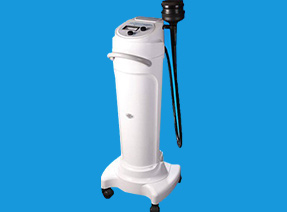
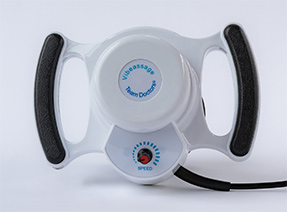
The Vibeassage Sport and the Vibeassage Pro featuring the TDX3 soft-as-the-hand Biomimetic Applicator Pad
https://www.teamdoctors.com/
✓ Get Dr. Stoxen’s #1 International Bestselling Books
Learn how to understand, examine, and reverse your TOS—without surgery.
https://drstoxen.com/1-international-best-selling-author/
✓ Check out Team Doctors Online Courses
Step-by-step video lessons, demonstrations, and self-treatment strategies.
https://teamdoctorsacademy.com/
✓ Schedule a Free Phone Consultation With Dr. Stoxen
Speak directly with him so he can review your case and guide you on your next steps.
https://drstoxen.com/appointment/
#ThoracicOutletSyndrome #FailedTOSSurgery #TOSRecovery #ChronicPainStory #VascularTOS #ArmPain #PatientAdvocacy #MedicalTrauma #SurgeryFailure #PainJourney
Medical Disclaimer
This article is provided for educational and informational purposes only. It is not intended to diagnose, treat, cure, or prevent any disease, nor is it intended to replace professional medical advice, diagnosis, or treatment.
Thoracic outlet syndrome and related nerve, vascular, and musculoskeletal conditions can present differently in each individual. Treatment decisions—including surgical and non-surgical options—must be made on a case-by-case basis in consultation with a qualified, licensed healthcare professional who is familiar with the patient’s complete medical history.
The experiences described in this article reflect individual outcomes and do not guarantee similar results for others. Surgical procedures, including thoracic outlet surgery and first rib resection, carry inherent risks, and outcomes vary based on many factors including diagnosis, timing, practitioner experience, and patient-specific anatomy and physiology.
Readers should not delay or discontinue medical care based on information contained in this article. Always seek the guidance of a qualified healthcare provider with any questions regarding symptoms, conditions, or treatment options.
Editor’s Note
This article explores a patient and family experience following thoracic outlet syndrome surgery and highlights the importance of comprehensive evaluation, informed decision-making, and second opinions when managing complex pain conditions.
The article also references the Human Spring Approach, a biomechanical evaluation and treatment framework developed by Dr James Stoxen, which emphasizes understanding the body as an integrated, dynamic spring system rather than a collection of isolated anatomical structures. The inclusion of this approach is intended to illustrate an alternative clinical perspective, not to discredit surgery or any specific medical specialty.
Mention of specific clinicians, evaluation models, or treatment philosophies does not constitute endorsement, medical advice, or a claim of superiority. Rather, it reflects the editorial goal of encouraging patients and families to seek clarity, explanation, and individualized assessment before pursuing irreversible interventions.
The editorial position of this publication is that understanding should precede intervention, especially in conditions where symptoms persist, worsen, or fail to respond to standard care.

Dr James Stoxen DC., FSSEMM (hon) He is the president of Team Doctors®, Treatment and Training Center Chicago, one of the most recognized treatment centers in the world.
Dr Stoxen is a #1 International Bestselling Author of the book, The Human Spring Approach to Thoracic Outlet Syndrome. He has lectured at more than 20 medical conferences on his Human Spring Approach to Thoracic Outlet Syndrome and asked to publish his research on this approach to treating thoracic outlet syndrome in over 30 peer review medical journals.
He has been asked to submit his other research on the human spring approach to treatment, training and prevention in over 150 peer review medical journals. He serves as the Editor-in-Chief, Journal of Orthopedic Science and Research, Executive Editor or the Journal of Trauma and Acute Care, Chief Editor, Advances in Orthopedics and Sports Medicine Journal and editorial board for over 35 peer review medical journals.
He is a much sought-after speaker. He has given over 1000 live presentations and lectured at over 70 medical conferences to over 50,000 doctors in more than 20 countries. He has been invited to speak at over 300 medical conferences which includes invitations as the keynote speaker at over 50 medical conferences.
After his groundbreaking lecture on the Integrated Spring-Mass Model at the World Congress of Sports and Exercise Medicine he was presented with an Honorary Fellowship Award by a member of the royal family, the Sultan of Pahang, for his distinguished research and contributions to the advancement of Sports and Exercise Medicine on an International level. He was inducted into the National Fitness Hall of Fame in 2008 and the Personal Trainers Hall of Fame in 2012.
Dr Stoxen has a big reputation in the entertainment industry working as a doctor for over 150 tours of elite entertainers, caring for over 1000 top celebrity entertainers and their handlers. Anthony Field or the popular children’s entertainment group, The Wiggles, wrote a book, How I Got My Wiggle Back detailing his struggles with chronic pain and clinical depression he struggled with for years. Dr Stoxen is proud to be able to assist him.
Full Bio) Dr Stoxen can be reached directly at teamdoctors@aol.com