She did not start out looking for a miracle.
She just wanted the numbness in her arm to stop.
At first, it was only annoying. Then it became scary. Her left arm would tingle, go numb, and sometimes feel weak and heavy. Some days it felt like it did not fully belong to her anymore.
Like most people, she went to a doctor and said, “Something is wrong with my arm.”
Very quickly, the conversation shifted to her neck.
She had an MRI. The MRI showed a couple of disc bulges. The words sounded serious. The pictures looked serious. Even though the discs were not clearly crushing the nerves, she was told she had “cervical radiculopathy.”
She was told surgery was the answer.
She did what many frightened patients do. She trusted the system.
The First Operation: “Fixing” the Neck
She had a cervical fusion. Screws. Plates. A permanently stiff neck.
The surgeon was confident. The hospital was confident. Everyone told her this would solve the problem.
But when she healed…
The numbness in her arm was still there.
Exactly the same.
Not better. Not worse. The same.
Now she had a fused neck and the same symptoms.
She felt confused. And quietly, she started to feel afraid.
“Maybe You Need Another Expert”
Someone told her, “Maybe it’s Thoracic Outlet Syndrome.”
So she went searching for a famous specialist. She was desperate for answers. By this point, she would have given anything to find a doctor who helps avoid cervical surgery — but it was already too late for that.
She did not want another operation. She wanted someone to explain what was really happening.
She wanted what so many patients want: a cervical surgery second opinion doctor. A doctor who treats neck pain without surgery. A neck pain specialist before surgery — even though the surgery had already happened.
But instead, she found herself on another fast track to the operating room.
The examination was short. Very short. About ten minutes. Mostly questions. Very little real hands-on examination.
And then she was told she needed another surgery.
The Second Operation: Removing a Rib
They removed her first rib. They cut muscles in her neck.
Now think about what her body was like after this:
- Her neck was fused and could not move normally
• One side of her rib cage was missing a rib
• Important stabilizing muscles were gone
• Her structure was permanently changed
And do you know what did not change?
The numbness and tingling in her arm.
Two big surgeries.
Two permanent changes.
And the same exact problem.
She felt betrayed by her own body. And by the system she had trusted.
How This Can Happen to a Normal Person
She was not careless.
She was not stupid.
She was not ignoring her health.
She was just a normal person who believed that if you go to specialists, get scans, and follow instructions, things should get better.
But something important had been missed.
No one had ever truly examined her arm.
They had examined images.
They had examined her neck.
They had examined her ribs.
But not the place where the symptoms actually were.
When She Finally Met Dr. Stoxen
By the time she came to see Dr. James Stoxen, she was angry, exhausted, and emotionally worn down.
She told her story. He listened.
Then he said something simple:
“Your symptoms are in your arm. Let’s examine your arm.”
When he did, he was shocked.
Her arm muscles were like stone. Hard. Rigid. Locked in constant, involuntary contraction.
Not just sore.
Not just tight.
They were in protective spasm.
He pressed on one spot in her biceps.
She said, “Oh my God. That just recreated the numbness in my arm.”
Right there.
In the arm.
Her own muscles were squeezing her nerves and blood vessels.
The Missing Piece
She was under extreme stress.
She was on her phone constantly. Texting. Holding the phone. Using the same muscles for hours every day.
Day after day.
Week after week.
Month after month.
Her muscles never got a chance to relax.
They became inflamed. Overworked. Locked tight.
And slowly, they started to choke off circulation and irritate nerves.
Because the symptoms felt “neurological,” everyone assumed the problem had to be in her spine.
No one looked at the load, the overuse, and the soft tissue tension.
The Part That Is Hard to Accept
She had:
- A fused neck
• A rib removed
• Muscles cut away
And the real cause of her problem was in the soft tissues of her arm.
This is why so many people, before making big decisions, go looking for a non-surgical neck pain specialist, a doctor for chronic neck pain without surgery, or a spine specialist focused on non-surgical care.
Not because surgery is always wrong.
But because once it is done, it cannot be undone.
What Happened When the Right Area Was Finally Treated
The focus was finally put where it should have been all along:
- On the arm
• On the muscles
• On the tension
• On the inflammation
• On restoring normal movement
Within one day, her symptoms were about 90% improved.
Within three days, the numbness and tingling were gone.
Not because of magic.
Not because of a miracle.
But because the real source of the problem was finally addressed.
Why This Story Matters
This story is not about blaming doctors.
It is about how easy it is to:
- Follow images instead of function
• Treat structures instead of systems
• Miss the real source of pain
• Make permanent decisions too fast
It is also why so many people search for things like:
A doctor who avoids cervical fusion.
A doctor who treats pinched nerve without surgery.
A doctor who treats disc problems without surgery.
Or even the best doctor to avoid neck surgery.
They are not being difficult.
They are being careful.
Why the Body Works Like a Spring — And How Compression Slowly Builds
After hearing her story, many people ask the same question:
“How could something like this happen?”
How could someone go through two major surgeries and still have the same problem?
The answer is not simple. But it starts with how we think about the human body.
The Old Way of Thinking: The Body as a Machine
Most people are taught to think of the body like a machine.
A machine has:
- Rigid parts
• Hinges and levers
• Pieces that wear out
• Parts that get replaced
In this way of thinking, if something hurts, something must be “broken.”
So the search begins for:
- A doctor who treats cervical radiculopathy without surgery
• A doctor who treats disc problems without surgery
• Or, when fear takes over, a surgeon
Pictures are taken. Parts are measured. And decisions are made based on how things look, not always how they work.
But the human body is not made of steel.
It is made of living, moving, adapting tissues.
The Human Spring Way of Thinking
Dr. James Stoxen looks at the body as a living spring system.
Think about springs in real life.
Springs:
- Absorb shock
• Store energy
• Release energy
• Protect what is inside
Your feet, legs, hips, spine, ribs, shoulders, and even your muscles and connective tissues work together like a shock-absorbing suspension system.
When this system works well:
- Forces are spread out
• Nothing gets overloaded
• Tissues stay healthy and flexible
• Nerves and blood vessels have space
When this system does not work well:
- Some areas get stiff
• Some muscles stay tight all the time
• Other areas have to work too hard
• Space starts to disappear in narrow passages
That loss of space is where compression begins.
Compression Is Usually Slow and Quiet
Most people think nerve or blood vessel compression happens suddenly.
In real life, it usually happens slowly.
Little by little:
- Posture changes
• Movement becomes smaller
• Muscles lose their normal softness
• Some areas stop moving well
• Other areas get overworked
Over months or years, the body adapts to these changes.
But adaptation has a price.
Tight, overworked tissues start to crowd the spaces where nerves and blood vessels travel.
This is why people start looking for a doctor for nerve pain in neck and arm or a non-invasive neck pain treatment doctor.
They are not “broken.”
They are compressed.
Why Thoracic Outlet Patterns Are So Common
One of the most common places for this kind of crowding is the area between the neck, shoulder, and chest. This is often called the thoracic outlet region.
This is why so many people search for:
- thoracic outlet syndrome without surgery
• non-surgical treatment for TOS
• best therapy for thoracic outlet syndrome
• conservative treatment for thoracic outlet syndrome
In many people, the problem is not a single bone.
It is a space problem caused by:
- Tight neck muscles
• Tight chest muscles
• Stiff ribs
• A heavy, forward shoulder posture
• Overworked arms and hands
All of this can slowly reduce space for nerves and blood vessels.
That is why people ask:
- Can thoracic outlet syndrome heal naturally?
• How to fix thoracic outlet syndrome
• Alternatives to thoracic outlet surgery
• Natural ways to treat TOS
They are really asking:
“Is there a way to restore space without cutting things out?”
The Real Goal: Restore Space, Don’t Remove Parts
Many surgeries try to solve compression by removing something.
The Human Spring Approach tries to solve compression by changing how forces move through the body.
That is why people search for:
- Reduce compression without surgery
• Restore shoulder space naturally
• Improve blood flow without surgery
• Relieve nerve compression naturally
The idea is not to force things open.
The idea is to help the body carry load better, move better, and relax better.
When tissues soften and movement improves, space often improves too.
Why Symptoms Can Show Up Far From the Real Cause
Remember the woman from Part 1.
Her problem showed up in her arm.
But everyone kept looking at her neck and ribs.
In a spring system, this makes sense.
If one part of the spring system stops working well, other parts have to work harder.
Those overworked areas often become:
- Tight
• Inflamed
• Painful
• Sensitive
This is why people look for a functional spine specialist, a manual therapy doctor for neck pain, or a movement-based neck pain specialist.
They want someone to ask:
“Where is the system overloaded?”
Not just:
“Where does it hurt?”
The Role of Conservative, Non-Invasive Care
Many people want to try a conservative approach before making permanent decisions.
That is why they search for:
- Conservative care for TOS
• Physical rehabilitation for TOS
• Non-invasive TOS treatment
• Avoiding surgery for arm pain
• Treat TOS without surgery
This does not mean surgery is never needed.
It means that many people deserve a full, careful, whole-body approach first.
Where Tools Like Vibeassage Fit In
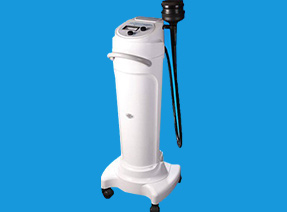
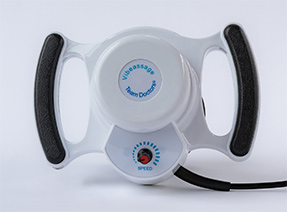
Dr. Stoxen uses tools like the Vibeassage Pro and Vibeassage Sport as support tools.
They are designed to help:
- Relax overworked muscles
• Support circulation
• Reduce protective muscle guarding
• Support recovery between visits
• Help people participate in their own care
They do not “fix” the body.
They support the conditions the body needs to calm down and move better.
This is part of what people mean when they talk about:
- Non-surgical recovery TOS
• Functional treatment for TOS
• Manual therapy for TOS
• Movement-based treatment TOS
• Postural correction for TOS
• Conservative approach to TOS
• Natural recovery from thoracic outlet syndrome
The Big Idea of the Human Spring Approach
The big idea is simple:
The body works best when it can move, absorb force, and share load.
When that stops happening:
- Compression increases
• Irritation increases
• Pain and strange symptoms appear
The goal is not to fight the body.
The goal is to restore how it works.
How a Normal Life Slowly Trained Her Body Into Pain
When people hear her story, they often think something rare or strange must have happened to her.
But the truth is much more uncomfortable:
Nothing unusual happened at all.
She did not have a big accident.
She did not fall off a ladder.
She did not get into a car crash.
She just lived a very normal modern life.
A Life of Constant Tension
She was always busy.
Always on her phone.
Always texting.
Always working.
Always holding something.
Always using her arms.
Hours every day.
Days every week.
Months and years without real rest for her upper body.
She did not notice her shoulders creeping forward.
She did not notice her head slowly drifting in front of her body.
She did not notice her chest becoming stiff and her upper back moving less and less.
Why would she?
Everyone around her looked the same.
How the Spring System Slowly Collapsed
In the Human Spring model, the body is supposed to share load across many joints and tissues.
But in her body, that sharing slowly stopped.
- Her upper back got stiff
• Her ribs moved less
• Her shoulders carried more and more load
• Her arm muscles worked all day without rest
The spring system that should have spread force across her whole body was no longer doing its job.
So her arm muscles became the shock absorbers for everything.
They were never designed for that.
When Muscles Never Get to Relax
Muscles are supposed to:
- Tighten
• Relax
• Recover
• And tighten again
But her arm muscles stayed “on” all the time.
Holding.
Gripping.
Typing.
Scrolling.
Texting.
Over time, they forgot how to fully relax.
They became:
- Shortened
• Hard
• Inflamed
• Sensitive
And because muscles surround nerves and blood vessels, that tightness slowly started to steal space.
The Day the Body Finally Complained
At first, it was just fatigue.
Then aching.
Then burning.
Then tingling.
Then numbness.
Her body was not failing.
It was warning her.
But because the warning came in the form of nerve symptoms, everyone assumed the problem had to be in her spine.
Why No One Looked at the Real Cause
No scan shows:
- Overuse
• Fatigue
• Muscle guarding
• Loss of normal movement
• Stress load
Those things do not show up on MRI pictures.
So the story became:
“Your neck is the problem.”
Not:
“Your whole upper body is overloaded and not moving the way it should.”
The Tragic Chain Reaction
Once her neck was blamed:
- The neck was operated on
• Then the rib area was blamed
• Then that was operated on
But her daily life did not change.
Her movement habits did not change.
Her tension patterns did not change.
So the real cause stayed right where it had always been.
What Dr. Stoxen Saw Immediately
When she finally came in, Dr. Stoxen did not start with her scans.
He watched how she sat.
How she held her phone.
How she moved her shoulders.
How her arm muscles felt under his hands.
What he found was simple and shocking:
Her arm was doing the work of her whole upper body.
Why This Happens to So Many People Now
Modern life trains millions of people into this same pattern:
- Phones
• Laptops
• Tablets
• Steering wheels
• Remote controls
• Gaming controllers
All day.
Every day.
With the arms and hands doing everything.
While the upper back and rib cage barely move.
This is how the spring system dies quietly.
The Pain Was Not the Enemy
Her pain was not the enemy.
Her numbness was not the enemy.
They were messages.
Messages that said:
“This system is overloaded.”
“This system is running out of space.”
“This system needs to move differently.”
But the message was misunderstood.
Why Surgery Could Never Solve This
No surgery can:
- Teach the upper back to move again
• Teach the ribs to expand again
• Teach the shoulders to rest again
• Teach the arms to stop doing everything
That is not what surgery is for.
That is what retraining and restoring movement is for.
The Real Tragedy
The real tragedy is not that she had surgery.
The real tragedy is that:
No one explained what was really happening to her body before it happened.
What Actually Helped Her — And What This Teaches Every Patient
By the time she came to see Dr. James Stoxen, she was no longer looking for another operation.
She had already learned the hard way that more cutting does not always mean more fixing.
What she wanted now was something much simpler:
She wanted someone to explain what was happening.
She wanted someone to look at her whole body.
She wanted someone to not rush her toward another irreversible decision.
What Was Different This Time
This time, nobody started with scans.
Nobody talked about removing parts.
Nobody talked about “fixing” her by changing her structure.
Instead, the focus was on:
- Where her body was tight
• Where it was overloaded
• Where it had stopped moving well
• Where space had been lost because of tension
This is the mindset of a functional spine specialist, an integrative spine care doctor, or a sports medicine doctor for neck pain who looks at how the body works, not just how it looks.
It is also the mindset of a spine specialist focused on non-surgical care.
The Treatment Focus
The treatment did not try to “force things open.”
It focused on:
- Letting tight muscles relax
• Improving movement where things were stiff
• Reducing protective muscle guarding
• Supporting circulation
• Letting space return naturally
Where Vibeassage Pro and Vibeassage Sport Fit In
Part of her care involved learning how to work with her own body at home, not just in the office.
Tools like Vibeassage Pro and Vibeassage Sport were used as support tools to help:
- Relax overworked muscles
• Reduce protective tension
• Support circulation
• Help tissues calm down
• Support recovery between visits
They were not presented as cures.
They were presented as tools that support the conditions the body needs to recover and move better.
What Happened to Her Symptoms
Once the focus was finally put on the real source of the compression, her body responded quickly.
Within one day, her symptoms were about 90% improved.
Within three days, the numbness and tingling were gone.
Not because of magic.
Not because of a miracle.
But because the correct problem was finally being addressed.
Why This Matters for People With Thoracic Outlet–Type Symptoms
Many people with neck, shoulder, and arm symptoms are told they have Thoracic Outlet Syndrome or something similar.
What they are really asking is:
“Is there a way to restore space and reduce compression without surgery?”
The Human Spring Approach in Simple Words
The Human Spring Approach is not about “fixing parts.”
It is about:
- Restoring movement
• Restoring softness
• Restoring load-sharing
• Restoring space
It is about helping the body work the way it was designed to work.
The Most Important Lesson
The most important lesson from her story is not that surgery is “bad.”
The lesson is this:
Once surgery is done, it cannot be undone.
Not because they are afraid of medicine.
But because they want to be careful, informed, and thorough before making a permanent decision.
The Ending of Her Story
She cannot get her rib back.
She cannot unfuse her neck.
But she did get her arm back.
And she finally understood what had happened to her body.
More importantly, she learned how to take care of it differently going forward.
The Real Message for Every Patient
If you have neck, shoulder, or arm symptoms:
Do not rush.
Do not assume the scan is the whole story.
Do not assume cutting something out is the same as fixing the real problem.
And always remember:
The body is not a broken machine.
It is a living spring system.
Team Doctors Resources
✓ Check out the Team Doctors Recovery Tools
The Vibeassage Sport and the Vibeassage Pro featuring the TDX3 soft-as-the-hand Biomimetic Applicator Pad
https://www.teamdoctors.com/
✓ Get Dr. Stoxen’s #1 International Bestselling Books
Learn how to understand, examine, and reverse your TOS—without surgery.
https://drstoxen.com/1-international-best-selling-author/
✓ Check out Team Doctors Online Courses
Step-by-step video lessons, demonstrations, and self-treatment strategies.
https://teamdoctorsacademy.com/
✓ Schedule a Free Phone Consultation With Dr. Stoxen
Speak directly with him so he can review your case and guide you on your next steps.
https://drstoxen.com/appointment/
#ThoracicOutletSyndrome #ChronicPain #PainRelief #HealthTips #BodyHealing #Rehab #Movement #Wellness #HealthEducation #PainScience #InjuryRecovery #PhysicalTherapy #HolisticHealth #Posture #NervousSystem
Dr James Stoxen DC., FSSEMM (hon) He is the president of Team Doctors®, Treatment and Training Center Chicago, one of the most recognized treatment centers in the world.
Dr Stoxen is a #1 International Bestselling Author of the book, The Human Spring Approach to Thoracic Outlet Syndrome. He has lectured at more than 20 medical conferences on his Human Spring Approach to Thoracic Outlet Syndrome and asked to publish his research on this approach to treating thoracic outlet syndrome in over 30 peer review medical journals.
He has been asked to submit his other research on the human spring approach to treatment, training and prevention in over 150 peer review medical journals. He serves as the Editor-in-Chief, Journal of Orthopedic Science and Research, Executive Editor or the Journal of Trauma and Acute Care, Chief Editor, Advances in Orthopedics and Sports Medicine Journal and editorial board for over 35 peer review medical journals.
He is a much sought-after speaker. He has given over 1000 live presentations and lectured at over 70 medical conferences to over 50,000 doctors in more than 20 countries. He has been invited to speak at over 300 medical conferences which includes invitations as the keynote speaker at over 50 medical conferences.
After his groundbreaking lecture on the Integrated Spring-Mass Model at the World Congress of Sports and Exercise Medicine he was presented with an Honorary Fellowship Award by a member of the royal family, the Sultan of Pahang, for his distinguished research and contributions to the advancement of Sports and Exercise Medicine on an International level. He was inducted into the National Fitness Hall of Fame in 2008 and the Personal Trainers Hall of Fame in 2012.
Dr Stoxen has a big reputation in the entertainment industry working as a doctor for over 150 tours of elite entertainers, caring for over 1000 top celebrity entertainers and their handlers. Anthony Field or the popular children’s entertainment group, The Wiggles, wrote a book, How I Got My Wiggle Back detailing his struggles with chronic pain and clinical depression he struggled with for years. Dr Stoxen is proud to be able to assist him.
Full Bio) Dr Stoxen can be reached directly at teamdoctors@aol.com