The Hidden Link Between Pain, Inflammation, and How You Feel
The Body Is Not a Machine. It Is a Spring.
Most people are taught to think of the body like a machine made of stiff parts. Levers. Hinges. Blocks stacked on top of each other. But that is not how the human body actually works.
Your body is more like a living spring system.
Dr. James Stoxen calls this the Human Spring Approach. In this way of thinking, your muscles, joints, fascia, and nervous system work together like a flexible spring. They absorb forces. They store energy. They release energy. And they protect your nerves and blood vessels by floating and suspending them inside soft, elastic tissue.
When this spring system works well, movement feels easy. Your body feels light. You recover faster. You think clearly. You sleep better. Your mood is more stable.
But when this spring system becomes stiff, tight, and inflamed, something very different happens.
Pain is not the only problem.
Your mental health begins to change too.
Many people think pain lives in one box and mood lives in another box. But in real life, these two boxes are connected by the nervous system, the immune system, and inflammation.
That is why so many people who live with long-term pain also experience depression, anxiety and depression, chronic fatigue, and emotional exhaustion at the same time.
They may be told they have clinical depression, major depressive disorder, or some other mood disorder. They may notice depressive symptoms like chronic sadness, low mood, emotional numbness, or loss of motivation. They may feel hopelessness, anhedonia (not enjoying things anymore), irritability, or a constant sense of mental exhaustion.
They may also have:
- sleep disturbance
- brain fog
- cognitive dysfunction
- low energy
- mood instability
- mood changes
- loss of interest
- emotional distress
- burnout
Some are told they have seasonal affective disorder, others persistent depressive disorder, and some are labeled with treatment-resistant depression because nothing seems to help for very long.
But what if, in many of these people, the deeper problem is not just in the mind?
What if the deeper problem is in the inflamed, overloaded, exhausted spring system of the body?
Inflammation Intoxication: A Simple Way to Understand a Complex Problem
Dr. Stoxen often explains this to patients using a simple idea.
Imagine someone drinks half a bottle of alcohol.
Even if they say, “I’m not drunk,” you know their nervous system is intoxicated.
Alcohol changes:
- Mood
- Thinking
- Emotional control
- Reaction speed
- Judgment
Some people become angry drunk. Some become sad drunk. Some become calm drunk. Some become emotional drunk.
The chemical load changes how the nervous system works.
Now imagine something similar, but instead of alcohol, the chemical load is inflammation.
When inflammation builds up in the body and brain, it can intoxicate the nervous system.
This is not a medical diagnosis. It is a useful way to understand what many people are experiencing.
Dr. Stoxen calls this “inflammation intoxication.”
When this happens, people may experience:
- fatigue and depression
- depressive fatigue
- emotional exhaustion
- mental exhaustion
- low energy
- brain fog
- sleep deprivation
- stress and depression
- chronic stress
- mood instability
- mood changes
They may feel like they are in a long depressive episode that never fully clears.
They may be told this is due to low serotonin or a “chemical imbalance.” But in many people, the bigger picture is inflammation and depression happening together as part of a whole-body problem.
Today, science even uses the term neuroinflammation to describe inflammation that affects the brain and nervous system. This is part of what researchers are exploring when they study inflammation and mood disorders and the growing field of inflammation and depression research.
The Nervous System Under Load
Your nervous system is not just a wire system. It is a living, breathing, sensitive control system that responds to:
- Physical stress
- Emotional stress
- Chemical stress
- Inflammatory stress
When the body is under long-term load, the nervous system can go into nervous system dysregulation. That means it no longer switches smoothly between rest, activity, recovery, and repair.
Instead, it stays stuck in a high-tension, high-alert, high-fatigue state.
Over time, this can look like:
- chronic fatigue
- chronic stress
- sleep disturbance
- sleep deprivation
- cognitive dysfunction
- emotional numbness
- emotional distress
- irritability
- low mood
- loss of interest
This is not weakness.
This is biology under pressure.
Why Pain, Tension, and Mood Travel Together
The Human Spring Approach starts with a simple observation:
When the body’s spring system becomes stiff and overloaded, everything suffers:
- Movement becomes harder
- Muscles become tighter
- Joints become more compressed
- Nerves become more sensitive
- Blood flow becomes more restricted
And the brain feels it.
The brain does not live in a glass jar. It lives inside the body. When the body is inflamed, compressed, and exhausted, the brain receives those signals all day long.
That is one reason people with long-term pain often report:
- depression
- anxiety and depression
- fatigue and depression
- brain fog
- hopelessness
- loss of motivation
- anhedonia
- mood instability
This does not mean their suffering is “just physical” or “just mental.”
It means the system is overloaded.
The Spring System and Protection
Your body is designed to protect itself.
When tissue becomes irritated or inflamed, muscles tighten to guard the area. This is a normal, helpful reflex in the short term.
But when this guarding becomes long-term, the body slowly:
- Loses elasticity
- Loses motion
- Loses circulation
- Loses shock absorption
The spring system becomes more like a rusty spring instead of a flexible one.
Now every movement costs more energy.
That contributes to:
- chronic fatigue
- depressive fatigue
- low energy
- mental exhaustion
- burnout
And when your energy is low for months or years, your mood almost always follows.
A Different Way to Look at Recovery
The Human Spring Approach does not start by asking,
“What diagnosis do you have?”
It starts by asking,
“How stiff, overloaded, and inflamed is your spring system?”
Instead of only chasing symptoms, it looks at:
- How much tension is stored in the body
- How much motion has been lost
- How much recovery capacity is left
- How much load the nervous system is carrying
This is not about “treating” major depressive disorder or “fixing” clinical depression.
It is about supporting the body’s ability to unload stress, restore motion, and calm the nervous system.
When the body begins to feel safer and lighter, many people naturally notice:
- Better sleep
- Clearer thinking
- More stable mood
- More emotional resilience
- Less emotional exhaustion
- Less mental exhaustion
Where the Vibeassage Tools Fit In
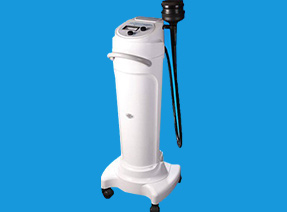
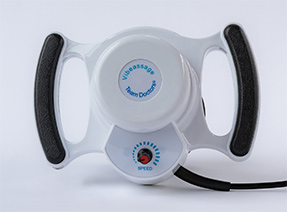
Dr. Stoxen uses tools like the Vibeassage Pro and Vibeassage Sport as part of a self-care and body maintenance approach.
These are not magic devices.
They are mechanical tools designed to help people:
- Gently move tissue
- Reduce stiffness
- Increase circulation
- Improve body awareness
- Support daily recovery
Think of them like:
A toothbrush for your muscles.
A way to maintain your spring system at home.
They are not presented as treatments for disease. They are tools for comfort, recovery, and tissue care, much like stretching, foam rolling, or massage.
When used gently and consistently, many people report that their bodies:
- Feel looser
- Feel lighter
- Feel easier to move
And when the body feels easier to live in, the nervous system often feels less under threat.
Why This Matters So Much
Millions of people live in a state of:
- chronic stress
- sleep disturbance
- sleep deprivation
- emotional distress
- fatigue and depression
- mood changes
They are told they must “manage” it forever.
But often, no one explains how much of this is connected to a body that has lost its spring.
No one explains how much of this is a system problem, not a character problem.
A New Frame, Not a New Label
The Human Spring Approach is not here to replace psychology, psychiatry, or medicine.
It offers another layer of understanding:
That the state of your body deeply influences the state of your mind.
That inflammation and depression often travel together.
That inflammation and mood disorders are part of a whole-body story.
That nervous system dysregulation is not a moral failure — it is a load problem.
Excellent. Here is:
From Stress to Breakdown: How the Body Slowly Enters a State of Exhaustion and Low Mood
The Slow Slide That Most People Never Notice
Very few people wake up one day and suddenly feel completely worn out, heavy, foggy, and emotionally flat.
For most people, it happens slowly.
At first, it is just being tired more often.
Then it becomes needing more rest to feel normal.
Then rest does not fully work anymore.
Then the body starts to feel heavy all the time.
Then the mind starts to feel heavy too.
This is often how people slowly move into chronic fatigue, mental exhaustion, and emotional exhaustion without realizing what is really happening.
They may start to notice:
- More sleep disturbance
- More sleep deprivation
- More brain fog
- More cognitive dysfunction
- Less motivation
- Less joy
- Less patience
Over time, this can look like burnout, low energy, loss of interest, and mood changes.
Some people eventually get told they are having a depressive episode. Others are told they have persistent depressive disorder. Some hear the words major depressive disorder or clinical depression.
But long before any label appears, the body’s spring system has usually been under stress for a very long time.
Stress Is Not Just in Your Head
When people hear the word stress, they often think it is only emotional.
But stress can come from many places:
- Physical overload
- Old injuries
- Repetitive work
- Long hours sitting
- Poor recovery
- Lack of movement
- Ongoing pain
- Inflammation
All of these put load on the body.
When the body carries too much load for too long, the nervous system stays in a high-alert state.
This is what we described earlier as nervous system dysregulation.
In this state, the body has trouble:
- Fully relaxing
- Fully recovering
- Fully repairing
Instead, it stays tight, guarded, and tired.
This is a major reason why chronic stress and stress and depression often appear together.
The Body’s Budget: Energy In vs. Energy Out
You can think of your body like it has an energy budget.
You spend energy on:
- Moving
- Thinking
- Healing
- Digesting
- Managing stress
- Holding posture
- Dealing with pain
If you spend more energy than you can restore, you start running a deficit.
At first, the body borrows from tomorrow.
Then it borrows from next week.
Then it borrows from next month.
Eventually, the account is overdrawn.
This is when people start to live in a constant state of:
- low energy
- fatigue and depression
- depressive fatigue
- mental exhaustion
- emotional exhaustion
And because the brain is part of the body, mood often follows energy.
When energy is low long enough, people often report:
- low mood
- chronic sadness
- loss of motivation
- hopelessness
- anhedonia
- irritability
- emotional numbness
How Inflammation Fits into the Picture
Inflammation is part of the body’s normal defense and repair system.
But when it becomes long-lasting and widespread, it starts to change how the whole system feels and works.
Researchers now talk about inflammation and depression, inflammation and mood disorders, and neuroinflammation because they see how closely these things often travel together.
Again, this does not mean inflammation “causes” every case of low mood.
But it does mean that living in an inflamed body is hard on the nervous system.
It contributes to:
- brain fog
- cognitive dysfunction
- sleep disturbance
- sleep deprivation
- mood instability
- mood changes
This is what Dr. Stoxen refers to when he uses the phrase “inflammation intoxication.”
Not as a diagnosis.
As a way to understand the feeling of being chemically overloaded and neurologically drained.
When Protection Becomes the Problem
Remember the body’s guarding reflex?
When something hurts or feels threatened, muscles tighten to protect it.
This is smart in the short term.
But when protection becomes permanent, the spring system starts to lose its bounce.
Muscles stay tight.
Joints move less.
Tissue circulation goes down.
Everything becomes heavier and harder to move.
Now every movement costs more energy.
This is a big reason people with long-term tension and pain often slide into:
- chronic fatigue
- burnout
- low energy
- mental exhaustion
And when the body feels heavy all the time, the mind usually does too.
The Long Road to “Treatment-Resistant”
Some people try many different approaches for their mood.
They may be told they have treatment-resistant depression because nothing seems to fully fix the problem.
But if the body itself is still:
- Inflamed
- Guarded
- Stiff
- Exhausted
Then the nervous system is still under load every day.
This does not mean people are “broken.”
It means the whole system has not been unloaded yet.
The Overlap of Pain and Mood
Many people do not realize how closely pain and mood travel together.
Living with pain means:
- Poor sleep
- More stress
- Less movement
- Less social activity
- More worry
- More fatigue
Over time, this can push someone toward:
- depression
- anxiety and depression
- emotional distress
- mood instability
Again, this does not mean pain is “all in your head.”
It means the nervous system is tired of carrying the load.
The Role of the Spring System
The Human Spring Approach looks at all of this from a simple point of view:
The body is meant to store and release energy, not waste it.
When the spring system is healthy:
- Movement is efficient
- Posture is easier
- Muscles do not have to work as hard
- The nervous system feels safer
When the spring system is stiff and collapsed:
- Everything costs more energy
- Recovery takes longer
- The body feels heavy
- The nervous system feels under constant threat
This is how people slowly slide into:
- persistent depressive disorder
- Repeated depressive episodes
- fatigue and depression
- depressive fatigue
- burnout
Why Labels Often Miss the Bigger Picture
Labels like clinical depression, major depressive disorder, or mood disorder describe patterns of experience.
They do not always explain why the body and nervous system are stuck there.
The Human Spring Approach does not argue with these labels.
It simply adds another question:
“How overloaded is the body’s spring system right now?”
The First Step Is Not Force. It Is Unloading.
Most exhausted systems do not need more pushing.
They need:
- Less load
- More gentle movement
- More circulation
- More safety signals to the nervous system
This is where simple daily body care becomes very important.
Where the Vibeassage Tools Come In (Again, Gently)
Tools like the Vibeassage Pro and Vibeassage Sport are used as support tools for comfort, circulation, and tissue care.
Not to “fix” diagnoses.
Not to “treat” diseases.
But to help the body:
- Feel less stiff
- Feel less guarded
- Feel easier to move
- Feel more comfortable in daily life
For many people, this is one small but helpful way to start unloading the system.
A Very Important Reframe
Many people believe:
“If I just fix my mood, everything else will get better.”
But often the more helpful order is:
“If I help my body feel safer, lighter, and less overloaded, my mood often has more room to recover.”
Rebuilding the Spring: How the Body and Nervous System Begin to Recover Together
Recovery Does Not Start with Force. It Starts with Safety.
When people have been exhausted, tense, inflamed, and overwhelmed for a long time, their bodies do not respond well to being pushed.
They respond better to feeling safe again.
Safety is not just an idea. It is a physical state in the nervous system.
When the nervous system feels safe, muscles begin to soften. Breathing becomes easier. Movement becomes smoother. The body stops bracing for impact all the time.
This is a very important step for people who have lived with:
- chronic stress
- chronic fatigue
- mental exhaustion
- emotional exhaustion
- burnout
- fatigue and depression
And for people who have also lived with:
- depression
- clinical depression
- major depressive disorder
- persistent depressive disorder
- mood disorder
- depressive symptoms
- chronic sadness
- low mood
- emotional numbness
- hopelessness
- loss of motivation
- anhedonia
- irritability
- emotional distress
- loss of interest
- mood changes
- mood instability
All of these experiences are real. And many of them exist in bodies that have been under long-term load.
The Spring Does Not Break All at Once — and It Does Not Rebuild All at Once
Just as the body slowly slides into stiffness, fatigue, and overload, it also slowly rebuilds.
There is no single moment where everything suddenly feels perfect.
Instead, people often notice small changes like:
- “I slept a little better last night.”
- “My body feels a little lighter today.”
- “My thinking feels a little clearer.”
- “I didn’t feel as overwhelmed by small things.”
These small changes are signs that nervous system dysregulation is starting to calm.
They are signs that the system is unloading.
Why Gentle, Repeated Input Works Better Than Intense Effort
A spring does not get better by being smashed harder.
It gets better by being:
- Gently moved
- Repeatedly used within safe limits
- Slowly reloaded and released
The same is true for the human body.
For people who have lived in sleep disturbance, sleep deprivation, brain fog, and cognitive dysfunction, the system is already overloaded.
What it needs is consistent, gentle signals of safety and movement.
The Body Learns Through Experience, Not Arguments
You cannot talk a nervous system into relaxing.
You have to show it.
The nervous system changes when it experiences:
- Easier movement
- Softer tissue
- Better breathing
- Less pain
- More comfort
Each of these sends a signal:
“It is safer now.”
Over time, these signals add up.
This is how the system begins to move out of:
- nervous system dysregulation
- mood instability
- emotional exhaustion
- mental exhaustion
The Role of Circulation and Motion
Stiff tissue does not get good circulation.
Poor circulation means:
- Less oxygen
- Less nutrient delivery
- Slower waste removal
That contributes to:
- fatigue and depression
- depressive fatigue
- low energy
- brain fog
Gentle movement and softening of tissue help bring flow back into the system.
Flow is one of the body’s main signals of safety.
The Human Spring Approach in Daily Life
The Human Spring Approach is not a workout program.
It is a way of taking care of your body so that it can move, absorb, and release stress more easily.
This includes:
- Not staying in one position too long
- Moving gently and often
- Reducing unnecessary muscle tension
- Supporting recovery instead of constantly pushing
Over time, this helps the body become more elastic again.
When the body feels more elastic, the nervous system often becomes less reactive.
That can support people who struggle with:
- stress and depression
- anxiety and depression
- emotional distress
- mood changes
Where the Vibeassage Pro and Vibeassage Sport Fit In
Dr. Stoxen uses the Vibeassage Pro and Vibeassage Sport as support tools for daily tissue care and comfort.
They are not presented as cures or treatments.
They are tools that help people:
- Gently move stiff tissue
- Improve circulation
- Reduce the feeling of tightness
- Make it easier to relax and move
Used gently, they can become part of a daily body-care routine, like stretching or walking.
For many people, this is a practical way to help the body feel less guarded.
Why This Can Affect Mood Without “Treating” Mood
Remember the idea of inflammation intoxication?
When the body is less inflamed, less tight, and less overloaded, the nervous system often becomes less irritated.
That can support:
- Clearer thinking
- Better sleep
- More stable energy
- More emotional range
People may notice less:
- brain fog
- sleep disturbance
- sleep deprivation
- emotional numbness
- irritability
And more:
- Mental clarity
- Emotional flexibility
- Physical comfort
This is not because a device or a method “treated” major depressive disorder or clinical depression.
It is because the system is carrying less load.
The Energy Budget Starts to Recover
As the body becomes easier to move and easier to live in, the energy budget slowly improves.
People may notice:
- Less low energy
- Less mental exhaustion
- Less emotional exhaustion
- Less burnout
And more capacity for:
- Thinking
- Socializing
- Enjoying small things again
This is how loss of interest, loss of motivation, and anhedonia sometimes begin to soften — not by force, but by making life physically easier to live.
The Nervous System Learns in Layers
Recovery does not move in a straight line.
Some days are better.
Some days are heavier.
That does not mean the system is failing.
It means it is relearning how to regulate itself.
This is especially true for people who have lived in:
- persistent depressive disorder
- Repeated depressive episodes
- Long periods of chronic stress
A Very Important Boundary
The Human Spring Approach does not replace mental health care.
It does not claim to cure depression, mood disorder, or any psychiatric condition.
It offers support to the body, which often supports the nervous system, which can make everything else easier to work with.
Recovery Feels Like Space, Not Victory
Many people expect recovery to feel like fireworks.
Often, it feels more like:
- More space in your body
- More space in your breathing
- More space in your thinking
- More space in your emotions
Space is what an overloaded system needs most.
Living in a Lighter Body: Long-Term Resilience, Maintenance, and the Human Spring Lifestyle
Recovery Is Not a Finish Line. It Is a Way of Living.
Most people think of recovery as something you reach.
The Human Spring Approach thinks of recovery as something you practice.
Your body is not a car that gets fixed once and then never needs attention again.
It is a living system that is always adapting to:
- Gravity
- Work
- Stress
- Emotions
- Time
- Life
That is why long-term well-being is not about “winning” against the body.
It is about cooperating with it.
Why Old Problems Often Come Back
Many people have experienced this pattern:
They feel better for a while.
Then life gets busy.
Stress builds up.
Movement decreases.
Sleep gets worse.
And slowly, the old heaviness returns.
Sometimes it shows up as:
- chronic fatigue
- low energy
- mental exhaustion
- emotional exhaustion
- burnout
- sleep disturbance
- sleep deprivation
Sometimes it shows up more emotionally as:
- low mood
- mood changes
- mood instability
- chronic sadness
- loss of interest
- loss of motivation
- emotional numbness
- irritability
- emotional distress
Some people recognize these states as part of depression, clinical depression, major depressive disorder, persistent depressive disorder, or another mood disorder. Others just say, “I don’t feel like myself anymore.”
Either way, the pattern is often the same:
The body slowly becomes stiffer, more inflamed, more guarded, and more tired.
The spring slowly loses its bounce again.
The Spring System Needs Regular Care
A spring that is never moved rusts.
A spring that is overloaded collapses.
A spring that is gently used and maintained lasts a very long time.
Your body is no different.
Long-term resilience is not built from heroic effort.
It is built from:
- Small daily movement
- Regular tissue care
- Not staying stuck in one position
- Giving the nervous system frequent signals of safety
The Lifestyle Side of the Human Spring Approach
The Human Spring Approach is not something you “do” for six weeks.
It is a way of living in your body.
It includes ideas like:
- Move often, even if it’s gentle
- Don’t wait until you are in pain to care for your body
- Treat stiffness like brushing your teeth — something you prevent, not something you ignore
- Respect fatigue as a signal, not a failure
Over time, this helps prevent the system from sliding back into:
- nervous system dysregulation
- chronic stress
- fatigue and depression
- depressive fatigue
The Body and the Mind Are Not Separate
One of the most important ideas in this whole approach is simple:
The brain lives in the body.
When the body feels heavy, compressed, inflamed, and tired, the brain feels it.
This is why modern science talks about inflammation and depression, inflammation and mood disorders, and neuroinflammation.
Again, this does not mean that every case of low mood is “caused by the body.”
But it does mean:
Living in a stressed, inflamed body is hard on the nervous system.
That can show up as:
- brain fog
- cognitive dysfunction
- mood changes
- emotional distress
- hopelessness
- anhedonia
And over time, this can blend into what people experience as a depressive episode or long-standing low mood.
The “Inflammation Intoxication” Idea, Revisited
Dr. Stoxen’s idea of “inflammation intoxication” is not a diagnosis.
It is a way of understanding how a chemically and mechanically overloaded body can change how a person feels and thinks.
Just like alcohol changes mood and thinking, long-term inflammation can color the entire experience of being in your body.
When the load comes down, people often notice:
- Clearer thinking
- Better sleep
- More emotional range
- More stable energy
Not because something “fixed” low serotonin or “treated” treatment-resistant depression.
But because the system is not under constant stress anymore.
Maintenance Is Not a Sign of Weakness
Some people feel like if they need ongoing body care, they are “broken.”
That is not true.
Athletes maintain their bodies.
Musicians maintain their hands and arms.
People who work physically maintain their joints and muscles.
The Human Spring Approach simply says:
If you want a spring to work well for decades, you take care of it.
Where the Vibeassage Pro and Vibeassage Sport Fit In Long-Term
The Vibeassage Pro and Vibeassage Sport are used as simple, at-home tools for tissue comfort, movement, and circulation.
Not as treatments.
Not as cures.
But as part of normal body maintenance.
Just like:
- Walking
- Stretching
- Gentle movement
- Changing positions
For many people, these tools make it:
- Easier to stay consistent
- Easier to keep tissue from getting too stiff
- Easier to unwind at the end of the day
Consistency matters more than intensity.
The Long View: Energy, Not Just Pain
Most people judge their health by one question:
“Does it hurt?”
The Human Spring Approach asks a different question:
“How much energy does it take to live in my body?”
When the spring system is working well:
- Movement costs less energy
- Posture costs less energy
- Daily life costs less energy
That supports:
- Less low energy
- Less mental exhaustion
- Less emotional exhaustion
- Less burnout
And that, in turn, supports more emotional resilience.
Mood Is Easier to Carry in a Lighter Body
Many people have lived for years with:
- stress and depression
- anxiety and depression
- chronic stress
- sleep deprivation
They may still have emotional challenges.
The Human Spring Approach does not promise a life without emotional pain.
It simply aims to make the physical side of life less heavy.
And when the body is less heavy, the mind often has more room to breathe.
The Role of Choice and Awareness
Long-term change is not about perfection.
It is about noticing:
- When your body is getting stiff again
- When your energy is dropping again
- When your sleep is getting worse again
And responding earlier instead of later.
Small corrections prevent big collapses.
A Realistic, Honest Hope
This approach does not promise to erase:
- major depressive disorder
- clinical depression
- persistent depressive disorder
- Or any other mental health diagnosis
It offers something more modest and more honest:
A way to make your body easier to live in.
A way to reduce the physical load on your nervous system.
A way to support your overall resilience.
For many people, that alone changes how life feels.
The Human Spring Is a Long-Term Relationship
You do not “win” against gravity.
You do not “defeat” time.
You work with your body.
You keep the spring moving.
You keep the spring from rusting.
You keep the spring from collapsing.
And when you do, life often feels:
- Lighter
- Easier
- More spacious
- More manageable
The Big Picture, In Simple Words
The Human Spring Approach is about:
- Understanding your body as a spring system
- Reducing unnecessary tension and load
- Supporting movement and circulation
- Making daily life cost less energy
- Helping the nervous system feel safer
It is not dramatic.
It is not extreme.
It is sustainable.
A Final Thought
Many people spend years fighting their bodies.
This approach invites them to start listening instead.
Not to chase symptoms.
Not to chase labels.
But to care for the system they live in every day.
Team Doctors Resources
✓ Check out the Team Doctors Recovery Tools
The Vibeassage Sport and the Vibeassage Pro featuring the TDX3 soft-as-the-hand Biomimetic Applicator Pad
https://www.teamdoctors.com/
✓ Get Dr. Stoxen’s #1 International Bestselling Books
Learn how to understand, examine, and reverse your TOS—without surgery.
https://drstoxen.com/1-international-best-selling-author/
✓ Check out Team Doctors Online Courses
Step-by-step video lessons, demonstrations, and self-treatment strategies.
https://teamdoctorsacademy.com/
✓ Schedule a Free Phone Consultation With Dr. Stoxen
Speak directly with him so he can review your case and guide you on your next steps.
https://drstoxen.com/appointment/
#ThoracicOutletSyndrome #TOSSurgery #FirstRibResection #ChronicPainChoices #PainTreatment #InformedConsent #PatientAdvocacy #NonSurgicalOptions #ConservativeCare #PainRecovery #HealthDecisions #MedicalChoices #BodyHealing #SecondOpinion #PainSolutions

Dr James Stoxen DC., FSSEMM (hon) He is the president of Team Doctors®, Treatment and Training Center Chicago, one of the most recognized treatment centers in the world.
Dr Stoxen is a #1 International Bestselling Author of the book, The Human Spring Approach to Thoracic Outlet Syndrome. He has lectured at more than 20 medical conferences on his Human Spring Approach to Thoracic Outlet Syndrome and asked to publish his research on this approach to treating thoracic outlet syndrome in over 30 peer review medical journals.
He has been asked to submit his other research on the human spring approach to treatment, training and prevention in over 150 peer review medical journals. He serves as the Editor-in-Chief, Journal of Orthopedic Science and Research, Executive Editor or the Journal of Trauma and Acute Care, Chief Editor, Advances in Orthopedics and Sports Medicine Journal and editorial board for over 35 peer review medical journals.
He is a much sought-after speaker. He has given over 1000 live presentations and lectured at over 70 medical conferences to over 50,000 doctors in more than 20 countries. He has been invited to speak at over 300 medical conferences which includes invitations as the keynote speaker at over 50 medical conferences.
After his groundbreaking lecture on the Integrated Spring-Mass Model at the World Congress of Sports and Exercise Medicine he was presented with an Honorary Fellowship Award by a member of the royal family, the Sultan of Pahang, for his distinguished research and contributions to the advancement of Sports and Exercise Medicine on an International level. He was inducted into the National Fitness Hall of Fame in 2008 and the Personal Trainers Hall of Fame in 2012.
Dr Stoxen has a big reputation in the entertainment industry working as a doctor for over 150 tours of elite entertainers, caring for over 1000 top celebrity entertainers and their handlers. Anthony Field or the popular children’s entertainment group, The Wiggles, wrote a book, How I Got My Wiggle Back detailing his struggles with chronic pain and clinical depression he struggled with for years. Dr Stoxen is proud to be able to assist him.
Full Bio) Dr Stoxen can be reached directly at teamdoctors@aol.com