The Day Your Body Learned to Absorb the Earth via the Your Amazing Human Spring
Every day, without thinking about it, you take thousands of steps.
Most people walk about 10,000 steps per day.
That means your body collides with the ground about 3,650,000 times per year.
By the time you are 30 years old, your body has absorbed over 100 million impacts with the Earth.
That number alone should make you pause.
Because every one of those steps sends force up through your feet, your legs, your spine, and your entire body. The only reason those impacts don’t destroy your joints is because the human body is not built like a rigid machine.
It is built like a spring system.
Dr. James Stoxen calls this the human spring model and the human spring approach. Instead of viewing the body as a set of stiff levers and hinges, he describes the body as a living, moving, adaptable spring structure. In engineering terms, this is known as spring-based biomechanics and the integrated spring-mass model.
In simple words, your body as a spring system is designed to bend, stretch, compress, twist, and recoil with every step you take.
When this system works well, your body stores energy, releases energy, and protects itself from damage.
When it doesn’t, the damage slowly adds up.
You Are Not a Rigid Machine
Many people were taught to think of the body like a machine made of rigid parts. Bones are seen as sticks. Joints are seen as hinges. Muscles are seen as motors that pull levers.
This is called the lever model vs spring model way of thinking.
But when you watch a person walk, run, or jump, something very different is happening.
Your body is not acting like a crane.
It is acting like a spring.
This is why scientists talk about spring mechanics in human movement, the stretch-shortening cycle biomechanics, and elastic energy storage in the body. When you step down, tissues stretch. When you push off, they recoil. This is energy recycling in human motion.
If your body had to use muscle power alone for every step, you would be exhausted in minutes.
Instead, your tissues work like biological springs in the body, storing and releasing energy again and again.
This is also how your body survives impact. This is known as shock absorption biomechanics and impact attenuation biomechanics. The spring system spreads force out over time and across many tissues instead of letting it crash into one joint.
The Hidden Suspension System Inside You
Most people think suspension systems only exist in cars.
But your body has one too.
Dr. Stoxen describes this as suspension-based anatomy. Your bones do not simply stack on top of each other. They are suspended in a web of muscles, fascia, ligaments, and connective tissue that behaves like a spring network.
This includes the fascial spring network, which connects your feet to your head like a living elastic web.
This suspension system protects critical structures. Your nerves and blood vessels pass through spaces and tunnels in the body. This is why tunnel mechanics for nerves and blood vessels are so important. When springs are working well, space is maintained. When springs stiffen or collapse, those spaces shrink.
This is where joint decompression mechanics become important. Healthy springs don’t just move — they maintain space.
Your Spine Is Not a Stack of Blocks
Many people imagine the spine like a stack of bricks.
But in reality, it behaves much more like a series of springs.
There are compression springs in the spine, torsional spring mechanics in joints, and flexible spring-like discs between vertebrae. These structures are designed for biomechanical load distribution, not rigid stacking.
Some springs are meant to be stiff.
Some are meant to be flexible.
This balance is called spring stiffness vs compliance. Too stiff and forces concentrate. Too loose and control is lost.
Your nervous system constantly adjusts this through neuromechanical spring control, tightening some springs and relaxing others depending on what you’re doing.
The Foot: Your Most Important Spring
One of the most important springs in the body is the foot.
The foot arch spring mechanism is not decoration. It is one of the main shock absorbers of the entire body. It is the first structure that meets the ground and begins the process of spreading force upward through the kinetic chain spring transfer system.
When the foot spring works well, the knees, hips, spine, shoulders, and neck are protected.
When it doesn’t, everything above it pays the price.
A Hundred Million Impacts
Now let’s return to the number.
Over 100 million impacts by age 30.
If even a small part of your spring system is not working correctly, those impacts do not disappear.
Over time, tissues change shape.
They don’t just bend.
They stay bent.
This is called plastic deformation.
This is what Dr. Stoxen means when he talks about spring failure and chronic pain. The spring system slowly loses its ability to absorb and spread force. More and more stress gets dumped into joints, discs, and nerves.
Shoes, Feet, and a Quiet War
Humans evolved barefoot.
But we live in shoes.
That creates a problem.
The foot wants to move one way.
The shoe wants to force it to move another way.
They go to war with each other.
The foot tries to deform the shoe.
The shoe tries to deform the foot.
And over time, the shoe usually wins.
The foot slowly changes shape. Scar tissue forms. Toes shift. Arches stiffen or collapse. Motion is lost.
And here is something most people never realize:
Every time you change shoe styles, you start a new war.
Each new style forces your foot into a new pattern. Each transition creates new stresses. Over decades, these changes add up.
And the more you deform the spring system, the less capable it becomes of protecting you from impact.
When the spring stops working…
The joints start taking the hit.
Why Energy Efficiency Matters
When your springs work well, your body moves with biomechanical energy efficiency. You use less effort. You feel lighter. You recover faster.
When they don’t, every movement costs more energy.
You feel heavier.
You tire faster.
Your body is forced to use muscles to do a job that springs were designed to do.
Restoring the Spring Instead of Fighting the Body
Dr. Stoxen’s work focuses on restoring human spring function instead of forcing the body into rigid positions.
This is the heart of the human spring approach and applied clinical biomechanics. Instead of treating the body like a broken machine, it treats the body like a spring system that has lost some of its elasticity, timing, or balance.
This also explains his interest in vibration and spring restoration. Gentle vibration can help tissues relax, move, and re-awaken natural spring behavior without forcing or damaging the body.
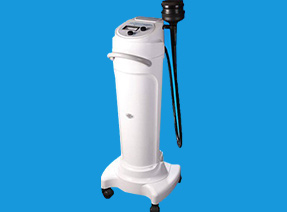
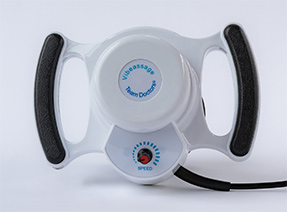
This is where tools like the Vibeassage Pro and Vibeassage Sport come in. They are not meant to “fix” anything. They are meant to help the body remember how to move, soften, and behave like a spring again.
The Big Idea
Your body is not a lever system.
It is not a rigid structure.
It is a living spring network.
It is designed for spring-based injury prevention, not force absorption by joints.
It is designed for energy recycling in human motion, not muscle exhaustion.
It is designed to survive millions of impacts — as long as the spring system is allowed to work.
When the Spring System Starts to Fail
The human body is remarkably forgiving.
You can bend it, twist it, overload it, and misuse it for years, and it will still try to adapt.
But adaptation has a price.
When a spring system is pushed outside of how it was designed to work, it does not just bounce back forever.
Over time, it changes shape.
It stiffens.
It loses timing.
It loses coordination.
This is what Dr. James Stoxen means when he talks about spring failure and chronic pain. It is not something that happens all at once. It happens slowly, quietly, and almost invisibly at first.
The Problem with Thinking in Levers
Many exercise systems and rehabilitation ideas are still based on the lever model vs spring model way of thinking.
In the lever model, parts are trained in isolation. A muscle is strengthened. A joint is stabilized. A movement is broken into pieces.
But the body does not actually move in pieces.
It moves as a connected spring network.
This is why spring-based biomechanics and the integrated spring-mass model matter so much. They describe how force moves through the entire body, not just one joint or one muscle.
When one spring stiffens, the force does not disappear.
It goes somewhere else.
How Force Moves Through the Body
Every step you take sends force into your body.
If your foot arch spring mechanism works well, that force is softened and spread out.
If it does not, the force goes higher.
Into the knees.
Into the hips.
Into the spine.
Into the shoulders and neck.
This movement of force is called kinetic chain spring transfer. It is part of biomechanical load distribution. The body is designed to share force across many tissues instead of dumping it into one place.
But when part of the spring system becomes stiff or weak, that sharing stops working well.
Stiffness Is Not Strength
Many people think stiffness is the same as strength.
It is not.
A spring that cannot move is not a strong spring.
It is a broken spring.
This is where spring stiffness vs compliance becomes important. Some tissues must be firm. Others must be flexible. The nervous system constantly adjusts this balance through neuromechanical spring control.
When that balance is lost, movement becomes jerky, heavy, and inefficient.
This is when biomechanical energy efficiency starts to drop. Walking costs more energy. Standing feels harder. Simple activities feel tiring.
The Spine and Its Hidden Springs
The spine is full of springs.
There are compression springs in the spine that help absorb vertical force.
There are torsional spring mechanics in joints that help control twisting and rotation.
There are discs, ligaments, and fascial connections that behave like elastic bands.
Together, they form part of the body as a spring system.
When these springs are healthy, the spine does not just move — it maintains space.
This is what joint decompression mechanics are really about. A healthy spring system does not collapse under load. It resists collapse and rebounds.
Why Space Matters
Your nerves and blood vessels pass through tunnels and openings in the body.
This is where tunnel mechanics for nerves and blood vessels and suspension-based anatomy become important.
When springs are working, these spaces stay open during movement.
When springs stiffen or collapse, these spaces can become smaller during posture, fatigue, or certain movements.
This does not happen because something suddenly “broke.”
It happens because the suspension system slowly lost its spring.
The Fascial Web That Connects Everything
The body is wrapped in a continuous web called fascia.
This web is part of the fascial spring network. It connects your feet to your head and everything in between.
When you move, this web stretches and recoils. This is part of elastic energy storage in the body and energy recycling in human motion.
When parts of this web become stiff or glued down from lack of movement, overuse, or long-term tension, the spring system loses its smoothness.
Movement becomes choppy.
Force becomes concentrated instead of shared.
What Happens to Shock Absorption
Your body’s ability to handle impact depends on shock absorption biomechanics and impact attenuation biomechanics.
When the spring system works, impact is spread out over time and over many tissues.
When it does not, impact becomes sharp and localized.
This is when joints start to take hits they were never meant to take directly.
Not because they are weak.
But because the springs that were supposed to protect them are no longer doing their job.
The Slow Creep Toward Breakdown
Spring failure does not usually announce itself.
It begins with small losses:
A little less motion in the foot.
A little more tension in the calves.
A little stiffness in the hips.
A little tightness in the back.
A little heaviness in the shoulders.
Over years, these small changes add up.
This is the long road toward spring failure and chronic pain.
Why Muscles Get Overworked
When springs stop doing their job, muscles are forced to take over.
But muscles are not designed to absorb impact.
They are designed to guide movement.
When muscles are forced to act like springs, they get tired, tight, and sore.
This is one of the reasons people feel constantly tight even when they stretch.
The problem is not short muscles.
The problem is a tired spring system.
The Stretch-Shortening Cycle Starts to Fail
Healthy movement depends on the stretch-shortening cycle biomechanics. Tissues stretch, then recoil.
When stiffness increases, the stretch part becomes smaller.
When the stretch part becomes smaller, the recoil becomes weaker.
This is how spring mechanics in human movement slowly fade.
People begin to move more like rigid sticks and less like elastic springs.
Why This Is Not About Blame
This process is not caused by one bad habit.
It is shaped by:
Shoes.
Chairs.
Floors.
Jobs.
Stress.
Repetition.
Time.
The modern world quietly trains the body out of its natural spring behavior.
The Real Goal Is Not “Fixing” Parts
Dr. Stoxen’s human spring approach does not focus on chasing symptoms.
It focuses on restoring human spring function across the whole system.
This is applied clinical biomechanics in a practical sense: helping the body move, soften, rebound, and share load again.
This also explains the interest in vibration and spring restoration. Gentle vibration can encourage tissues to relax, move, and participate in spring behavior again without forcing them.
This is the role of tools like the Vibeassage Pro and Vibeassage Sport. They are not treatments. They are tools for helping the body re-explore movement, softness, and natural spring motion.
The Big Shift in Thinking
The old way asks: “What part is broken?”
The new way asks: “Where did the spring system stop working together?”
That is the shift from the lever model to the spring model.
That is the heart of the human spring model.
Reawakening the Spring: How the Body Remembers How to Move
One of the most hopeful things about the human body is that it never truly forgets how it was designed to move.
Even after years of stiffness, tension, and guarded motion, the spring system is still there.
It may be quiet.
It may be underused.
But it is not gone.
This is the idea behind restoring human spring function in the human spring approach developed by Dr. James Stoxen. Instead of forcing the body into positions or pushing it through painful movements, this approach focuses on reminding the body how to behave like a spring again.
The Body Learns Through Feeling, Not Commands
You cannot order a spring to relax.
You have to create the conditions that allow it to soften and move.
This is true for real springs, and it is true for the body as a spring system.
The nervous system controls how stiff or how relaxed your tissues are. This is part of neuromechanical spring control. When the nervous system feels unsafe, rushed, or overloaded, it tightens springs. When it feels safe, supported, and unthreatened, it allows springs to move.
This is why gentle inputs often work better than force.
Why Gentle Movement Matters
Healthy movement is built on spring mechanics in human movement and the stretch-shortening cycle biomechanics. Tissues must be allowed to lengthen before they can recoil.
When someone has been stiff for a long time, the lengthening phase becomes very small or disappears. Movement becomes shallow. Recoil becomes weak.
This is where elastic energy storage in the body and energy recycling in human motion begin to fade.
Gentle, rhythmic movement helps bring these systems back online.
The Role of Vibration
One of the ways to gently invite tissues to move again is through vibration and spring restoration.
Vibration is not about forcing change.
It is about creating small, safe, repeated movements that the nervous system does not resist.
When vibration is applied to soft tissues, it can encourage small movements between layers of muscle and fascia. This can help reintroduce sliding, gliding, and spring-like behavior in the fascial spring network.
This is why Dr. Stoxen uses tools like the Vibeassage Pro and Vibeassage Sport. They are not meant to replace hands or exercise. They are simple tools that allow people to explore movement and softness in their own bodies.
They allow the body to experience motion without strain.
Springs Need Space
For a spring to work, it needs room to move.
In the body, this means maintaining space in joints and tunnels.
This is where joint decompression mechanics and suspension-based anatomy matter. When the spring system is allowed to rebound and expand, joints do not just move — they maintain space under load.
This also helps protect the tunnel mechanics for nerves and blood vessels, because space is part of healthy movement.
Rebuilding the Chain from the Ground Up
The spring system works from the ground up.
The foot arch spring mechanism is often the first place to begin. When the foot regains some of its natural movement, the change travels upward through the kinetic chain spring transfer system.
Force begins to spread out again.
This improves biomechanical load distribution and reduces the feeling that one area of the body is “taking all the stress.”
Learning the Difference Between Force and Spring
Many people have been taught that more force is the answer.
But force is not what makes springs work.
Timing and elasticity do.
This is the difference between the lever model vs spring model way of thinking.
In the lever model, you push harder.
In the spring model, you move better.
Finding the Right Balance
Healthy movement depends on the balance between firmness and softness.
This is spring stiffness vs compliance in action.
Some tissues must be stable.
Others must be free.
The nervous system constantly adjusts this through neuromechanical spring control based on what you are doing and what you feel.
Gentle daily self-care helps this system remember how to find that balance again.
The Spine as a Living Spring Column
The spine is not a rigid pole.
It is a series of connected springs.
There are compression springs in the spine that handle vertical load.
There are torsional spring mechanics in joints that manage twisting and rotation.
There are discs and ligaments that stretch and recoil.
Together, they support shock absorption biomechanics and impact attenuation biomechanics during daily movement.
When these systems begin to move again, many people notice they feel lighter, smoother, and less “stuck.”
Why Energy Starts to Return
As spring behavior improves, biomechanical energy efficiency improves.
Walking costs less effort.
Standing feels easier.
Movements feel more fluid.
This happens not because muscles get stronger, but because springs start doing their job again.
This is spring-based biomechanics in real life.
This Is Not About Perfection
No one has a perfect spring system.
Life always leaves its marks.
The goal is not perfection.
The goal is better sharing of load, better movement, and better use of the body’s natural design.
This is spring-based injury prevention in a practical sense: not by avoiding life, but by moving in a way that respects how the body is built.
The Big Idea
You do not need to force your body to change.
You need to give it the right experiences.
Small movements.
Gentle inputs.
Regular reminders.
This is how the human spring model comes back to life.
Living as a Spring: Protecting Your Body for the Long Run
Once you begin to see your body as a spring system instead of a rigid machine, many everyday choices start to look different.
You stop asking, “How strong is this part?” and start asking, “How well does this part move, share load, and return energy?”
This is the practical meaning of the human spring model and the human spring approach created by Dr. James Stoxen. It is not about chasing symptoms or forcing change. It is about living in a way that respects spring-based biomechanics and the integrated spring-mass model that governs how the body actually works.
Daily Life Is Where the Spring System Is Built
Your body practices being a spring all day long.
Every step, every reach, every turn, and every shift of weight uses spring mechanics in human movement and the stretch-shortening cycle biomechanics.
When movement is varied, relaxed, and natural, the body continues to store and release energy through elastic energy storage in the body and energy recycling in human motion.
When movement is repetitive, tense, or restricted, that recycling slowly fades.
This is not something that happens in a week.
It happens over years.
The Role of Impact and Absorption
Life is full of small impacts.
Walking, going down stairs, stepping off curbs — all of these depend on shock absorption biomechanics and impact attenuation biomechanics.
The job of your spring system is not to eliminate impact.
It is to spread it out.
It does this using biological springs in the body, from the foot arch spring mechanism all the way up through the spine.
When this system works well, impact is shared through the kinetic chain spring transfer network and balanced through biomechanical load distribution.
When it does not, certain joints begin to feel like they are “taking all the stress.”
Why Space Matters Every Day
Healthy movement is not just about motion.
It is about space.
This is where joint decompression mechanics and suspension-based anatomy quietly protect you all day long. When your spring system rebounds and expands, it helps preserve space in joints and in the tunnel mechanics for nerves and blood vessels.
This does not require extreme exercise.
It requires regular, gentle, full-range movement.
The Hidden Web That Keeps You Together
Your body is wrapped in a continuous connective tissue web called fascia.
This fascial spring network helps transmit force, store energy, and connect movements across the whole body.
When you move in varied and relaxed ways, this web stays elastic.
When you stay still too long or move in very limited patterns, parts of this web begin to lose their spring.
Understanding Stiffness and Softness
Healthy movement is not about being loose everywhere or stiff everywhere.
It is about balance.
This is the real meaning of spring stiffness vs compliance.
Some areas must be stable.
Others must be flexible.
Your nervous system manages this through neuromechanical spring control, tightening and relaxing different parts of the body depending on what you are doing.
Simple daily movement helps this system stay adaptable.
The Spine as a Column of Springs
Your spine is not a stack of blocks.
It is a column of springs.
There are compression springs in the spine that manage vertical load.
There are torsional spring mechanics in joints that control twisting.
There are discs and ligaments that stretch and recoil.
Together, they allow the spine to act as part of the body as a spring system instead of a rigid pole.
Why Efficiency Matters More Than Effort
When your spring system works well, your movements cost less energy.
This is biomechanical energy efficiency.
You do not feel like you are fighting your own body.
You feel more fluid.
More coordinated.
Less heavy.
This is not because you are “trying harder.”
It is because the springs are doing their job.
A Different Way to Think About Self-Care
In the lever model vs spring model way of thinking, people try to fix parts.
In the spring model, people try to improve how the whole system moves together.
This is the heart of spring-based injury prevention — not by avoiding life, but by keeping the body adaptable.
The Role of Gentle Tools and Daily Habits
Gentle movement, relaxed stretching, walking, and simple self-care all help maintain spring behavior.
This is also where vibration and spring restoration can fit into daily routines. Gentle vibration can invite tissues to move, soften, and rejoin the spring system.
Tools like the Vibeassage Pro and Vibeassage Sport are simply ways for people to explore movement and softness in their own bodies. They are not meant to replace activity. They are meant to support awareness and motion.
The Long View
Your body will take millions more steps in your lifetime.
Millions more impacts.
The goal is not to avoid them.
The goal is to let your spring system do what it was designed to do.
When you think in terms of spring-based biomechanics and applied clinical biomechanics, daily choices start to make more sense:
Move often.
Move in many ways.
Avoid living in one position.
Respect recovery.
Let the body stay elastic.
The Big Picture
Your body is not a rigid machine.
It is a living spring network.
It is designed to store energy, release energy, and protect itself through motion.
That is the meaning of the human spring model.
That is the foundation of the human spring approach.
And that is how the body was meant to move through life.
Team Doctors Resources
✓ Check out the Team Doctors Recovery Tools
The Vibeassage Sport and the Vibeassage Pro featuring the TDX3 soft-as-the-hand Biomimetic Applicator Pad
https://www.teamdoctors.com/
✓ Get Dr. Stoxen’s #1 International Bestselling Books
Learn how to understand, examine, and reverse your TOS—without surgery.
https://drstoxen.com/1-international-best-selling-author/
✓ Check out Team Doctors Online Courses
Step-by-step video lessons, demonstrations, and self-treatment strategies.
https://teamdoctorsacademy.com/
✓ Schedule a Free Phone Consultation With Dr. Stoxen
Speak directly with him so he can review your case and guide you on your next steps.
https://drstoxen.com/appointment/
#ThoracicOutletSyndrome #PainRelief #ChronicPain #HealthEducation #MedicalEducation #PatientEducation #PainScience #BodyHealing #Rehab #Movement #Wellness #PhysicalTherapy #Posture #HolisticHealth #InjuryRecovery

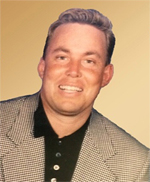
Dr James Stoxen DC., FSSEMM (hon) He is the president of Team Doctors®, Treatment and Training Center Chicago, one of the most recognized treatment centers in the world.
Dr Stoxen is a #1 International Bestselling Author of the book, The Human Spring Approach to Thoracic Outlet Syndrome. He has lectured at more than 20 medical conferences on his Human Spring Approach to Thoracic Outlet Syndrome and asked to publish his research on this approach to treating thoracic outlet syndrome in over 30 peer review medical journals.
He has been asked to submit his other research on the human spring approach to treatment, training and prevention in over 150 peer review medical journals. He serves as the Editor-in-Chief, Journal of Orthopedic Science and Research, Executive Editor or the Journal of Trauma and Acute Care, Chief Editor, Advances in Orthopedics and Sports Medicine Journal and editorial board for over 35 peer review medical journals.
He is a much sought-after speaker. He has given over 1000 live presentations and lectured at over 70 medical conferences to over 50,000 doctors in more than 20 countries. He has been invited to speak at over 300 medical conferences which includes invitations as the keynote speaker at over 50 medical conferences.
After his groundbreaking lecture on the Integrated Spring-Mass Model at the World Congress of Sports and Exercise Medicine he was presented with an Honorary Fellowship Award by a member of the royal family, the Sultan of Pahang, for his distinguished research and contributions to the advancement of Sports and Exercise Medicine on an International level. He was inducted into the National Fitness Hall of Fame in 2008 and the Personal Trainers Hall of Fame in 2012.
Dr Stoxen has a big reputation in the entertainment industry working as a doctor for over 150 tours of elite entertainers, caring for over 1000 top celebrity entertainers and their handlers. Anthony Field or the popular children’s entertainment group, The Wiggles, wrote a book, How I Got My Wiggle Back detailing his struggles with chronic pain and clinical depression he struggled with for years. Dr Stoxen is proud to be able to assist him.
Full Bio) Dr Stoxen can be reached directly at teamdoctors@aol.com