Why Thoracic Outlet Syndrome Is Not a “One Bone” First Rib, Anterior and Middle Scalene Muscle Problem
If you are reading this, you are probably tired. Not just tired in your body, but tired in your mind. Tired of pain. Tired of not getting clear answers. Tired of hearing different opinions from different doctors.
Many people who end up here have been told they might have thoracic outlet syndrome. Some are already being told to think about thoracic outlet syndrome surgery. Others are still trying to understand what is happening and asking themselves questions like, “Do I really need surgery?” or “Is there another way?”
These are not small questions. They are life questions.
And to answer them, you first need to understand what is really going on inside your body.
A Simple Way to Picture the Problem
Between your neck and your shoulder, there is a narrow passageway. Important nerves and blood vessels pass through this space on their way to your arm. This space is called the thoracic outlet.
If that space gets too small, the nerves and blood vessels can get irritated or squeezed. That is when symptoms begin. You might feel pain in your neck or shoulder. You might feel burning, tingling, weakness, heaviness, or strange sensations in your arm or hand. Some people even feel chest tightness or trouble taking a deep breath.
At first, this sounds like a simple space problem. Something is too tight. Something is in the way. So the natural thought is: “Remove the thing that is in the way, and the problem should go away.”
That is why many people are told about surgery.
But the body is not that simple.
What Actually Happens in Severe Cases
When thoracic outlet syndrome becomes serious, it is almost never caused by just one tight muscle or one bone.
Usually, many things are happening at the same time.
Over months or years, muscles in the neck, chest, shoulders, and upper back become tight, overworked, and inflamed. The nervous system gets stuck in a protective mode and keeps these muscles turned on even when they should be able to relax.
As this continues, something important happens:
The shape of the body starts to change.
The shoulder can slowly get pulled downward and forward. The chest can get stiff and collapsed. The rib cage can lose its natural motion. The neck can become tight and rigid.
Little by little, the whole upper body starts to sink and crowd into that already small space.
At the same time, tight and inflamed muscles can pull other parts upward and inward, squeezing the space from the other direction too.
So now the tunnel is being narrowed from both sides.
This is not a “one structure” problem anymore. This is a whole-system problem.
Why Surgery Sounds So Logical
When people are in pain and scared, they want a clear solution.
They are often told that removing part of the first rib or cutting certain muscles will “create space.” And in a very narrow sense, that is true. Something is removed. There is more room in that exact spot.
So patients start reading about surgery. They look up things like the thoracic outlet surgery success rate, the thoracic outlet surgery risks, and what thoracic outlet surgery recovery might be like. They worry about life after thoracic outlet surgery and possible thoracic outlet surgery complications.
All of this is completely normal.
But here is the part that is rarely explained clearly:
If the entire shoulder, rib cage, spine, and muscle system has been pulled out of shape by years of tension and inflammation, removing one small piece does not put the whole system back where it belongs.
The forces that caused the problem in the first place are still there.
Why Some People Are Still in Pain After Surgery
Some people do feel better after surgery. But many do not. And some feel better for a while, then slowly get worse again.
This is why you hear stories like:
- “The surgery didn’t really fix my arm pain.”
- “My symptoms came back.”
- “Now I have different pain than before.”
Some people start searching for answers about long-term results and what happens when surgery does not work the way they hoped.
This does not mean anyone did something “wrong.” It means the mechanical problem was bigger than one structure.
If the body is still stiff, collapsed, and inflamed, it can still create pressure and tension even after something has been removed.
The Missing Idea: Your Body Is Not a Stack of Parts
Dr. James Stoxen teaches something very different from the usual “parts and pieces” way of thinking.
He teaches that the human body works more like a living spring system.
In a healthy body:
- The feet act like springs
- The legs act like springs
- The hips and spine act like springs
- The rib cage and shoulders hang and move like part of a suspension system
This spring system is designed to:
- Absorb shock
- Spread forces out through the body
- Keep joints and tissues from being crushed
- Protect sensitive nerves and blood vessels
When this system is working well, the body feels light, strong, and flexible.
When this system starts to fail, the body becomes stiff, heavy, and compressed.
How the Spring System Breaks Down
For most people, thoracic outlet syndrome does not start in the neck.
It usually starts much lower:
- In the feet that stop working like springs
- In the hips that stop moving well
- In the spine that gets stiff
- In posture that slowly collapses
- In breathing that becomes shallow and tight
As the lower body stops absorbing and sharing forces properly, the upper body has to work harder. The shoulders start to hang. The neck muscles start to overwork. The chest starts to tighten.
Over time, the whole upper body begins to sink downward.
At the same time, chronic tension and inflammation cause muscles to shorten and harden, pulling things upward and inward.
This is how the space for nerves and blood vessels slowly disappears.
A Different Way of Thinking About the Problem
Instead of asking, “What can we remove?” the Human Spring Approach asks:
“How do we help the body carry itself better again?”
That means:
- Reducing unnecessary muscle tension
- Improving movement
- Improving breathing
- Improving posture
- Restoring some of the body’s natural spring and suspension
This is not a quick fix. And it is not a promise.
It is a process.
The Role of Hands-On Care and Self-Care
In this approach, gentle hands-on work is used to help tight and sore tissues begin to relax and move again.
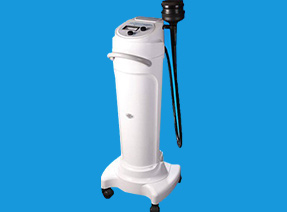
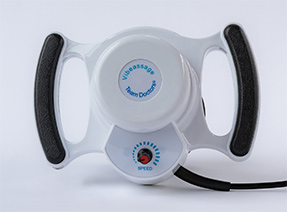
Dr. Stoxen also teaches patients how to safely work on their own bodies using simple tools like the Vibeassage Pro and Vibeassage Sport. These are not medical treatments. They do not diagnose anything. They do not “fix” anything by themselves.
They are simply tools that can help:
- Soften tight tissues
- Improve comfort
- Improve awareness of the body
- Support the larger process of restoring movement and function
They are part of participating in your own recovery, not something done to you.
An Honest and Important Truth
Some people will still need surgery.
This article is not telling you to ignore your doctors or refuse care.
But many people are sent to surgery before they ever get a real chance to:
- Restore movement
- Reduce inflammation
- Improve posture and breathing
- Rebuild the body’s spring system
And once something is removed, it cannot be put back.
That is why understanding the full picture before making big decisions is so important.
How Inflammation and Muscle Guarding Slowly Reshape Your Body
In Part 1, we talked about how thoracic outlet syndrome is usually not a “one bone” or “one muscle” problem. It is a whole-body problem that develops over time as the body slowly changes shape and loses its natural spring and suspension.
Now we need to talk about why the body changes in the first place.
The two biggest drivers are:
- Inflammation
- The nervous system’s protective muscle guarding
Together, these two things can slowly, quietly, and powerfully reshape your body.
What Inflammation Really Does
Most people think of inflammation as swelling or heat after an injury.
But long-term inflammation is different.
Long-term inflammation changes how tissues feel and how they move.
Inflamed muscles and connective tissues:
- Become thicker and stiffer
- Lose their normal sliding motion
- Get tired faster
- Hurt more easily
- Pull harder on the bones they attach to
Over time, these tissues do not just hurt. They start to act like tight ropes.
When many muscles in the neck, chest, shoulders, and upper back are inflamed at the same time, they begin to pull the entire upper body out of its normal shape.
The Nervous System’s “Protection Mode”
Your brain’s main job is to keep you alive.
When it senses pain, danger, or irritation, it tries to protect you. One of the main ways it does this is by tightening muscles.
This is called muscle guarding.
At first, muscle guarding is helpful. It is like a splint made out of muscle.
But when guarding stays turned on for months or years, it becomes part of the problem.
Guarded muscles:
- Do not relax fully
- Do not move well
- Use more energy
- Create more pressure and compression
- Make nearby tissues more sensitive
And because everything in the body is connected, guarding in one area spreads to other areas.
How the Body Slowly Changes Shape
This is not something that happens overnight.
It happens slowly, in small steps.
As muscles stay tight and inflamed:
- The shoulders begin to sit lower and farther forward
- The chest becomes stiff and less able to expand
- The upper back becomes rounded and rigid
- The neck becomes tight and overworked
- The rib cage loses its natural motion
Little by little, the whole upper body starts to collapse downward and inward.
At the same time, tight muscles can also pull parts of the rib cage upward and inward, crowding the space from another direction.
This is how the space for nerves and blood vessels becomes smaller and smaller without anyone noticing exactly when it started.
Why Symptoms Often Spread
Many people notice that their problem does not stay in one spot.
It might start as shoulder pain.
Then it becomes neck pain.
Then arm pain, hand symptoms, chest tightness, headaches, or upper back pain.
This happens because the nervous system and muscles work as a team.
When one area is under stress, other areas start helping out. They tighten. They work harder. They get tired and sore too.
Over time, more and more of the system gets involved.
Why Rest Alone Usually Is Not Enough
Some people try rest, ice, heat, or medication.
These things can help symptoms feel better for a while.
But they usually do not change the shape and movement of the body.
If the body is still stiff, collapsed, and guarded, the same forces are still there.
This is why many people feel temporary relief but never truly get back to normal function.
The Spring System Starts to Fail
Remember the idea from Part 1: your body is meant to work like a living spring system.
When tissues are healthy and flexible:
- They stretch a little
- Then they bounce back
- They share forces across the body
But when tissues are stiff and guarded:
- They stop stretching
- They stop sharing load
- They start transferring pressure into smaller and smaller areas
That is when joints, nerves, and blood vessels start to feel crowded and irritated.
The body is no longer floating and suspending itself. It is sinking and compressing.
Why the Problem Is Not Just in the Neck
This is very important to understand.
If the feet, hips, and lower spine are not working like springs, the upper body must take more stress.
If breathing is shallow and tight, the rib cage does not move well.
If posture slowly collapses, the shoulders hang and the neck works too hard.
All of this feeds into the same upper-body compression pattern.
So even though symptoms are felt in the neck and arm, the cause is usually much bigger.
The Role of Gentle, Repeated Input
To change long-standing muscle guarding and stiffness, the nervous system usually needs:
- Gentle input
- Repeated many times
- In a way that feels safe, not threatening
This is where careful hands-on work, movement, breathing, and simple self-care tools can play a role.
The goal is not to “force” anything.
The goal is to invite the nervous system to let go.
How Self-Care Fits In
Dr. Stoxen often teaches patients how to use simple tools like the Vibeassage Pro and Vibeassage Sport as part of their self-care.
Again, these are not treatments and not cures.
They are just ways to:
- Gently stimulate tight areas
- Increase awareness of the body
- Help tissues begin to soften and move
- Support the bigger process of restoring movement
They work best when combined with:
- Better movement
- Better posture
- Better breathing
- Better understanding of the body
Why Change Takes Time
When a problem has been building for years, it does not usually disappear in weeks.
The nervous system has learned a habit of protection.
The tissues have adapted to being stiff.
The body has learned a certain shape.
Changing that shape takes:
- Patience
- Consistency
- The right kind of input
How a Conservative, Non-Invasive Recovery Plan Is Built
In Part 1, we talked about how thoracic outlet syndrome is usually not a one-structure problem. In Part 2, we talked about how inflammation and muscle guarding slowly reshape the body and collapse its natural spring system.
Now we need to talk about something very important:
If the problem developed slowly and system-wide, then any real attempt to improve it must also be system-wide and gradual.
There is no single stretch, no single exercise, no single treatment, and no single tool that fixes everything.
Real change comes from many small, smart changes working together.
The Goal Is Not to “Fight” the Body
A lot of people try to fight their bodies.
They stretch hard. They push through pain. They try to “break up” tight spots.
This often makes the nervous system more protective, not less.
In the Human Spring way of thinking, the goal is different:
The goal is to make the body feel safe enough to change.
When the nervous system feels safer, it allows muscles to relax, joints to move, and breathing to deepen.
Step One: Calming the System
Before you can rebuild movement, you usually have to turn down the alarm system.
This means:
- Reducing unnecessary pain signals
- Reducing constant muscle tension
- Reducing the feeling of threat in the body
Gentle hands-on work, slow breathing, and simple self-care routines can all help with this.
Not to “fix” anything, but to prepare the ground.
Step Two: Restoring Gentle Movement
Once the body is a little calmer, it is easier to start restoring movement.
This does not mean heavy exercise.
It means:
- Letting the rib cage move again
- Letting the shoulders move more freely
- Letting the spine twist and bend a little
- Letting the hips and legs share more of the load
The body needs to remember how to move as a whole, not as stiff, separate pieces.
Step Three: Rebuilding the Spring System
As movement improves, the next goal is to slowly restore the body’s natural springiness.
This means:
- Learning to walk, stand, and sit in ways that use less tension
- Letting the legs and hips do more of the work instead of the neck and shoulders
- Letting the chest and rib cage expand and contract more freely with breathing
This is not about perfect posture.
It is about easier, more natural posture.
Why the Lower Body Matters So Much
Many people with arm, neck, and shoulder symptoms are surprised to learn how important their feet, legs, and hips are.
But if the lower body is not absorbing shock and sharing load:
- The upper body must work harder
- The shoulders hang more
- The neck tightens more
- The chest stiffens more
Helping the lower body act more like a spring takes pressure off the upper body.
The Role of Gentle Hands-On Work
Careful, gentle hands-on work can help:
- Improve tissue movement
- Reduce guarding
- Improve awareness of tight areas
- Make movement exercises easier and more comfortable
It is not about forcing anything.
It is about reminding tissues how to move.
How Self-Care Tools Fit In
Dr. Stoxen often teaches patients how to use simple tools like the Vibeassage Pro and Vibeassage Sport as part of their self-care routine.
These tools are not medical treatments. They do not diagnose or cure anything.
They are simply:
- A way to apply gentle, repeated stimulation to tight or sore areas
- A way to help tissues feel less stuck
- A way to support relaxation and awareness
Used slowly and carefully, they can become part of a daily routine that supports movement and comfort.
The Importance of Small, Daily Input
Big changes usually do not come from big, painful efforts.
They come from:
- Small efforts
- Done often
- In a way the body can accept
Five to ten minutes, done daily, often works better than one long, exhausting session once a week.
Learning to Listen to Your Body
One of the most important parts of recovery is learning the difference between:
- Helpful sensation
- And warning signals
Discomfort that fades quickly is often okay.
Pain that increases, spreads, or lingers is usually a sign to back off.
The body teaches you, if you listen.
Why Progress Is Not a Straight Line
Almost everyone has:
- Good days
- And bad days
This does not mean you are failing.
It means the nervous system and tissues are learning something new, and learning is not perfectly smooth.
Why the Whole Body Matters — And How Deep Tissue Work and Self-Care Fit In
By now, one idea should be very clear:
Thoracic outlet syndrome is almost never just a neck problem.
It is a whole-body tension and compression problem.
That is why working only in one small area often does not create lasting change.
The body works as a connected system. When one part is tight or overloaded, other parts must compensate. Over time, many muscles become involved — not just two or three, but often 10 to 12 major muscles and muscle groups across the neck, shoulders, chest, back, and even the hips and legs.
The Idea Behind Working on the Whole Body
If the body has slowly changed shape because many areas have become tight, stiff, and overworked, then it makes sense that improvement must also involve many areas, not just one.
The goal is not to chase symptoms.
The goal is to improve how the entire system moves, carries load, and manages tension.
When the whole system works better:
- The shoulders do not hang as much
- The neck does not have to work as hard
- The rib cage can move more freely
- Breathing becomes easier
- The body feels less compressed overall
What “Deep Tissue” Really Means
The phrase “deep tissue” often sounds aggressive or painful.
But in careful, skilled hands, deep tissue work is not about forcing or crushing.
It is about:
- Working slowly
- Working carefully
- Respecting the nervous system
- Helping layers of tissue move better again
In people with long-standing tension and guarding, many muscles are not just tight on the surface. They are tight through their entire thickness.
Gentle surface work alone often cannot reach these deeper layers.
Careful deep tissue work can help:
- Improve how tissues slide over each other
- Reduce long-held guarding
- Improve awareness of tight and restricted areas
- Make movement easier afterward
It is not a cure. It is a supporting method.
Why Dr. Stoxen Works on So Many Areas
Dr. Stoxen often explains that in severe cases, there are usually 10 to 12 major muscles and muscle groups that are involved, not just one or two.
These can include muscles in:
- The neck
- The chest
- The shoulders
- The upper back
- The rib cage area
- The lower back
- The hips
- Even the legs and feet
Why so many?
Because when the body has been compensating for years, the entire tension pattern spreads.
If you only work on the neck, but the chest is still tight, the shoulders still hang, and the hips still do not move well, the neck will usually tighten up again.
The Role of Vibeassage Pro and Vibeassage Sport
Dr. Stoxen also teaches patients how to use simple self-care tools like the Vibeassage Pro and Vibeassage Sport as part of their daily routine.
These tools are not medical devices in the sense of diagnosing or treating disease. They do not “fix” anything by themselves.
They are simply:
- A way to apply gentle, repeated mechanical stimulation to muscles
- A way to reach larger areas of the body more easily
- A way to support relaxation and tissue awareness
- A way for patients to participate in their own care between visits
Used carefully, they can help people:
- Spend time working on many areas, not just one sore spot
- Work on the entire body without exhausting their hands
- Make self-care more practical and consistent
Why Covering the Whole Body Matters
If 10 or 12 major muscle groups are contributing to the problem, then working on just one or two areas is rarely enough.
A more complete approach might include:
- The feet and calves (for shock absorption)
- The hips and thighs (for load sharing)
- The lower back (for support and transfer of force)
- The upper back and rib cage (for breathing and posture)
- The chest and shoulders (for space and freedom of movement)
- The neck and jaw (for tension and guarding)
This does not mean everything has to be done in one day.
It means the whole map needs attention over time.
The Right Way to Think About Intensity
More pressure is not always better.
In bodies that are already guarded and sensitive:
- Too much pressure can make the nervous system tighten more
- Too much intensity can increase soreness and fear
- Too much force can slow progress instead of helping it
The goal is enough input to invite change, not force it.
Sometimes slow, gentle, repeated work does more than one very hard session.
How This Fits Into a Bigger Plan
Deep tissue work and tools like Vibeassage are not a complete plan by themselves.
They are part of a bigger picture that includes:
- Movement
- Breathing
- Posture
- Walking and daily habits
- Learning how to use the body more easily
Together, these things help the body slowly change how it holds itself and how it distributes tension.
A Realistic and Honest Expectation
This kind of whole-body approach:
- Takes time
- Requires patience
- Has ups and downs
- Focuses on function, not perfection
It does not promise to eliminate every symptom.
It aims to:
- Improve how the body works
- Reduce unnecessary strain
- Improve comfort and confidence in movement
- Help people make better decisions about their care
How This Relates to Surgery Decisions
When people understand their bodies better and improve their overall function, they are often in a much better position to think clearly about big decisions.
Some may still choose surgery.
Some may decide to delay it.
Some may decide to avoid it.
But the decision is made with more information, less fear, and more control.
The Big Idea of the Whole Article
Thoracic outlet syndrome is not just a tight spot.
It is usually the result of:
- Long-term tension
- Long-term inflammation
- Long-term changes in how the body moves and carries itself
The Human Spring Approach is about:
- Understanding the body as a connected system
- Reducing unnecessary compression
- Restoring movement and spring over time
- Helping patients participate in their own care
Not by promises.
Not by shortcuts.
But by working with the body instead of fighting it.
A Final Thought
Your body is not broken.
It is overworked, overprotected, and under-supported.
And with the right kind of attention, patience, and understanding, it can often learn to move and carry itself better again.
If you want, next I can:
- Merge all 4 parts into one seamless long article, or
- Rewrite this into a book-chapter format, or
- Adapt it into website pages or patient education guides, or
- Add the required surgery-related phrases gently and naturally across the full manuscript without turning it into SEO spam.
What This Approach Can and Cannot Do
This kind of conservative, non-invasive approach:
- Does not promise cures
- Does not work instantly
- Does not replace medical care
What it can do is:
- Improve movement
- Improve comfort
- Improve how the body carries itself
- Reduce unnecessary tension and compression
- Help you understand and manage your own body better
Why the Whole Body Matters — And How Deep Tissue Work and Self-Care Fit In
By now, one idea should be very clear:
Thoracic outlet syndrome is almost never just a neck problem.
It is a whole-body tension and compression problem.
That is why working only in one small area often does not create lasting change.
The body works as a connected system. When one part is tight or overloaded, other parts must compensate. Over time, many muscles become involved — not just two or three, but often 10 to 12 major muscles and muscle groups across the neck, shoulders, chest, back, and even the hips and legs.
The Idea Behind Working on the Whole Body
If the body has slowly changed shape because many areas have become tight, stiff, and overworked, then it makes sense that improvement must also involve many areas, not just one.
The goal is not to chase symptoms.
The goal is to improve how the entire system moves, carries load, and manages tension.
When the whole system works better:
- The shoulders do not hang as much
- The neck does not have to work as hard
- The rib cage can move more freely
- Breathing becomes easier
- The body feels less compressed overall
What “Deep Tissue” Really Means
The phrase “deep tissue” often sounds aggressive or painful.
But in careful, skilled hands, deep tissue work is not about forcing or crushing.
It is about:
- Working slowly
- Working carefully
- Respecting the nervous system
- Helping layers of tissue move better again
In people with long-standing tension and guarding, many muscles are not just tight on the surface. They are tight through their entire thickness.
Gentle surface work alone often cannot reach these deeper layers.
Careful deep tissue work can help:
- Improve how tissues slide over each other
- Reduce long-held guarding
- Improve awareness of tight and restricted areas
- Make movement easier afterward
It is not a cure. It is a supporting method.
Why Dr. Stoxen Works on So Many Areas
Dr. Stoxen often explains that in severe cases, there are usually 10 to 12 major muscles and muscle groups that are involved, not just one or two.
These can include muscles in:
- The neck
- The chest
- The shoulders
- The upper back
- The rib cage area
- The lower back
- The hips
- Even the legs and feet
Why so many?
Because when the body has been compensating for years, the entire tension pattern spreads.
If you only work on the neck, but the chest is still tight, the shoulders still hang, and the hips still do not move well, the neck will usually tighten up again.
The Role of Vibeassage Pro and Vibeassage Sport
Dr. Stoxen also teaches patients how to use simple self-care tools like the Vibeassage Pro and Vibeassage Sport as part of their daily routine.
These tools are not medical devices in the sense of diagnosing or treating disease. They do not “fix” anything by themselves.
They are simply:
- A way to apply gentle, repeated mechanical stimulation to muscles
- A way to reach larger areas of the body more easily
- A way to support relaxation and tissue awareness
- A way for patients to participate in their own care between visits
Used carefully, they can help people:
- Spend time working on many areas, not just one sore spot
- Work on the entire body without exhausting their hands
- Make self-care more practical and consistent
Why Covering the Whole Body Matters
If 10 or 12 major muscle groups are contributing to the problem, then working on just one or two areas is rarely enough.
A more complete approach might include:
- The feet and calves (for shock absorption)
- The hips and thighs (for load sharing)
- The lower back (for support and transfer of force)
- The upper back and rib cage (for breathing and posture)
- The chest and shoulders (for space and freedom of movement)
- The neck and jaw (for tension and guarding)
This does not mean everything has to be done in one day.
It means the whole map needs attention over time.
The Right Way to Think About Intensity
More pressure is not always better.
In bodies that are already guarded and sensitive:
- Too much pressure can make the nervous system tighten more
- Too much intensity can increase soreness and fear
- Too much force can slow progress instead of helping it
The goal is enough input to invite change, not force it.
Sometimes slow, gentle, repeated work does more than one very hard session.
How This Fits Into a Bigger Plan
Deep tissue work and tools like Vibeassage are not a complete plan by themselves.
They are part of a bigger picture that includes:
- Movement
- Breathing
- Posture
- Walking and daily habits
- Learning how to use the body more easily
Together, these things help the body slowly change how it holds itself and how it distributes tension.
A Realistic and Honest Expectation
This kind of whole-body approach:
- Takes time
- Requires patience
- Has ups and downs
- Focuses on function, not perfection
It does not promise to eliminate every symptom.
It aims to:
- Improve how the body works
- Reduce unnecessary strain
- Improve comfort and confidence in movement
- Help people make better decisions about their care
How This Relates to Surgery Decisions
When people understand their bodies better and improve their overall function, they are often in a much better position to think clearly about big decisions.
Some may still choose surgery.
Some may decide to delay it.
Some may decide to avoid it.
But the decision is made with more information, less fear, and more control.
The Big Idea of the Whole Article
Thoracic outlet syndrome is not just a tight spot.
It is usually the result of:
- Long-term tension
- Long-term inflammation
- Long-term changes in how the body moves and carries itself
The Human Spring Approach is about:
- Understanding the body as a connected system
- Reducing unnecessary compression
- Restoring movement and spring over time
- Helping patients participate in their own care
Not by promises.
Not by shortcuts.
But by working with the body instead of fighting it.
A Final Thought
Your body is not broken.
It is overworked, overprotected, and under-supported.
And with the right kind of attention, patience, and understanding, it can often learn to move and carry itself better again.
Team Doctors Resources
✓ Check out the Team Doctors Recovery Tools
The Vibeassage Sport and the Vibeassage Pro featuring the TDX3 soft-as-the-hand Biomimetic Applicator Pad
https://www.teamdoctors.com/
✓ Get Dr. Stoxen’s #1 International Bestselling Books
Learn how to understand, examine, and reverse your TOS—without surgery.
https://drstoxen.com/1-international-best-selling-author/
✓ Check out Team Doctors Online Courses
Step-by-step video lessons, demonstrations, and self-treatment strategies.
https://teamdoctorsacademy.com/
✓ Schedule a Free Phone Consultation With Dr. Stoxen
Speak directly with him so he can review your case and guide you on your next steps.
https://drstoxen.com/appointment/

Dr James Stoxen DC., FSSEMM (hon) He is the president of Team Doctors®, Treatment and Training Center Chicago, one of the most recognized treatment centers in the world.
Dr Stoxen is a #1 International Bestselling Author of the book, The Human Spring Approach to Thoracic Outlet Syndrome. He has lectured at more than 20 medical conferences on his Human Spring Approach to Thoracic Outlet Syndrome and asked to publish his research on this approach to treating thoracic outlet syndrome in over 30 peer review medical journals.
He has been asked to submit his other research on the human spring approach to treatment, training and prevention in over 150 peer review medical journals. He serves as the Editor-in-Chief, Journal of Orthopedic Science and Research, Executive Editor or the Journal of Trauma and Acute Care, Chief Editor, Advances in Orthopedics and Sports Medicine Journal and editorial board for over 35 peer review medical journals.
He is a much sought-after speaker. He has given over 1000 live presentations and lectured at over 70 medical conferences to over 50,000 doctors in more than 20 countries. He has been invited to speak at over 300 medical conferences which includes invitations as the keynote speaker at over 50 medical conferences.
After his groundbreaking lecture on the Integrated Spring-Mass Model at the World Congress of Sports and Exercise Medicine he was presented with an Honorary Fellowship Award by a member of the royal family, the Sultan of Pahang, for his distinguished research and contributions to the advancement of Sports and Exercise Medicine on an International level. He was inducted into the National Fitness Hall of Fame in 2008 and the Personal Trainers Hall of Fame in 2012.
Dr Stoxen has a big reputation in the entertainment industry working as a doctor for over 150 tours of elite entertainers, caring for over 1000 top celebrity entertainers and their handlers. Anthony Field or the popular children’s entertainment group, The Wiggles, wrote a book, How I Got My Wiggle Back detailing his struggles with chronic pain and clinical depression he struggled with for years. Dr Stoxen is proud to be able to assist him.
Full Bio) Dr Stoxen can be reached directly at teamdoctors@aol.com