The Doctor Who Followed the Body, Not the Rules
In 2003, a woman in New York made a phone call that would quietly change the direction of my entire career.
She told me she was working with Michael Bolton’s tour and asked if I would be willing to come help the team. At the time, I had no idea that this one call would eventually lead to more than 150 tours and decades of working as what people now sometimes call a celebrity doctor, celebrity health expert, or celebrity performance doctor.
I didn’t think of myself that way.
I was just a doctor who paid attention.
When I arrived, one of the tour managers had a shoulder problem he had lived with for eight or nine years. He had tried many things. Nothing had really changed. I worked with him for about an hour and a half.
After that session, his pain was gone.
Now let me be very clear and honest: that does not happen every time. Bodies are complicated. People are different. Problems have many layers.
But this time, it did happen.
And he started telling people, “This doctor took away my shoulder pain in one visit.”
Not long after that, the same woman called me again and asked if I could help with another tour. I said yes.
That one referral turned into a career built almost entirely on word of mouth.
Over time, I found myself working as a tour doctor, providing on-tour medical care, sometimes acting as a backstage doctor, sometimes as a Hollywood doctor, sometimes as a professional athlete doctor, sometimes as a private doctor for celebrities and high-level performers.
Today, people might describe this work as VIP medical care, concierge medicine, elite client health, or high-profile patient care. Some call it luxury medical services or an executive health program.
But the truth is much simpler.
When someone represents a $100,000, $250,000, or million-dollar show, and they can’t perform, everything stops. Promoters lose money. Crews lose work. Venues lose shows.
Health becomes part of the business.
That’s why performers, executives, and athletes care so much about performance medicine, red carpet ready health, peak performance medicine, longevity medicine, and anti-aging medicine. It’s not about vanity. It’s about staying functional, reliable, and resilient.
Over time, I also became known as an entertainer health specialist, working with people who live under physical and mental pressure most of us never experience.
And that pressure taught me something very important:
The human body is not a machine made of rigid parts.
It is a living spring system.
The Problem With How Most People Think About the Body
Most medicine and fitness systems still think of the body like a set of levers and hinges.
If something hurts, they look for the broken part.
If something is weak, they try to strengthen that part.
If something is tight, they try to stretch that part.
But after decades of working with chronic pain, long-term injuries, exhausted performers, burned-out executives, and people who had “tried everything,” I kept seeing the same pattern:
The problem was almost never just the part that hurt.
It was the system.
That’s how the idea of the human spring system and Human Spring Approach began to take shape, based on what I later called the Integrated Spring-Mass Model.
The body is designed to store energy, release energy, absorb shock, and recycle motion.
That’s what springs do.
Your feet are springs.
Your arches are springs.
Your tendons are springs.
Your spine behaves like a spring system.
This is what I mean by human spring biomechanics, gravity and the body, foot spring mechanics, and performance biomechanics.
When this spring system works well, movement feels easy. Energy returns to you. You recover faster. You don’t feel beaten up by daily life.
When this system breaks down, the body becomes stiff, compressed, tired, and painful.
This is where kinetic chain dysfunction, movement pattern correction, posture correction, and gait analysis start to matter.
Why Pain, Fatigue, and “Burnout” Often Travel Together
Many people think pain is just pain.
But in real life, pain is often connected to:
- inflammation reduction problems
- neuroinflammation
- nervous system regulation issues
- stress physiology
- brain-body connection
- energy restoration
- burnout recovery
- mental clarity optimization
- mood optimization
- and even what people describe as inflammation and depression or brain fog treatment
When the body’s spring system stops working well, the nervous system stays on edge. Muscles stay tight. Joints stay compressed. Circulation gets worse. Recovery slows down.
This is why so many people don’t just hurt — they’re tired, foggy, irritable, and discouraged.
That’s also why real recovery often requires more than one tool.
It becomes about nervous system reset, resilience training, human performance optimization, elite performance recovery, and recovery medicine.
Not in a hype way.
In a biological way.
Why Non-Surgical, Function-First Thinking Matters
Over the years, I became known as a non-surgical recovery expert and someone focused on non-surgical pain relief, especially for complex problems like nerve compression syndromes and cases involving thoracic outlet syndrome expert level complexity.
But again, the label doesn’t matter.
What matters is the philosophy:
- root-cause medicine
- function-first medicine
- movement-based medicine
- musculoskeletal medicine
- structural balance
- biomechanics optimization
- functional recovery
Instead of asking, “Where does it hurt?”
We ask, “Why is this system no longer working like a spring?”
Where Tools Like Vibeassage Fit In
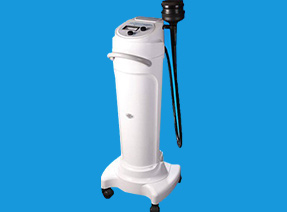
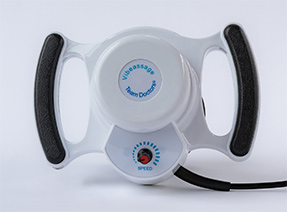
Over time, this thinking also led to building tools that could help people support their own recovery at home — like the Vibeassage Pro and Vibeassage Sport.
These are not magic devices.
They are recovery support tools meant to help with:
- circulation
- muscle relaxation
- nervous system calming
- tissue comfort
- and daily recovery habits
They fit into what many people now call intensive recovery program, high-intensity rehab, or even structured plans like a 7-day recovery program, private in-home treatment, or VIP recovery week.
Some people use them during a luxury hotel treatment program, an executive recovery retreat, or a rapid recovery program.
Others just use them at home at night.
The setting is less important than the consistency.
The Real Reason This Approach Exists
I didn’t set out to become a world-renowned doctor, international medical speaker, keynote medical speaker, medical innovator, or bestselling medical author.
I set out to understand why so many hardworking, motivated, disciplined people were still breaking down.
And why so many performers — even with trainers, therapists, and doctors — were still stuck in cycles of pain, tension, and exhaustion.
The answer kept coming back to one thing:
They were treating parts.
Not the spring system.
Why Your Body Was Built Like a Spring (And Why Modern Life Slowly Breaks It)
Most people have never been told how their body is actually designed to work.
They are told about muscles. They are told about bones. They are told about joints.
But they are almost never told about the spring system that connects everything together.
When we talk about the human spring system, we are not talking about something abstract or mysterious. We are talking about a very real, physical design that shows up in your feet, your legs, your hips, your spine, your shoulders, and even your neck.
This is the foundation of human spring biomechanics and the Integrated Spring-Mass Model.
A spring does three main things:
- It absorbs force.
- It stores energy.
- It gives energy back.
Your body is supposed to do the same thing.
When you walk, your foot hits the ground and your arches gently flatten and then rebound. That is foot spring mechanics in action. When you run, your tendons and muscles stretch and recoil like elastic bands. When you jump, land, and walk again, your spine and hips act like a shock-absorbing system.
This is how the body works with gravity and the body, not against it.
When this system is working well, movement feels smooth. You don’t feel heavy. You don’t feel beaten up by daily life. You don’t need to think about every step.
This is what good performance biomechanics looks like.
How the Spring System Spreads Force Through the Whole Body
One of the most important ideas in the Human Spring Approach is that force never stays in one place.
If your foot does not absorb force well, that force goes up into your knee.
If your knee does not absorb it well, it goes into your hip.
If your hip does not absorb it well, it goes into your lower back.
Then into your upper back.
Then into your neck and shoulders.
This is how kinetic chain dysfunction begins.
Nothing is “wrong” in just one place. The whole chain is slowly being overloaded.
This is why movement pattern correction, posture correction, and gait analysis matter so much. They help us see how force is traveling through your body.
Not just where it hurts today.
This way of thinking is part of biomechanics optimization and functional recovery. We are not chasing symptoms. We are improving how the system handles load.
How Modern Life Quietly Breaks the Spring System
Here is the hard truth:
Modern life is not friendly to your spring system.
Think about:
- Shoes with stiff soles
- Chairs that support you too much
- Floors that are always flat and hard
- Cars, couches, desks, screens
- Stress, deadlines, poor sleep
All of this slowly teaches your body to become stiff instead of elastic.
Your feet stop moving normally.
Your hips stop rotating normally.
Your spine stops acting like a flexible spring.
Your muscles start doing jobs that springs are supposed to do.
This leads to structural balance problems and slowly turns into musculoskeletal medicine issues instead of simple movement issues.
At first, you just feel a little stiff.
Then you feel tired more often.
Then you start getting small aches.
Then those aches don’t go away.
Then your body starts guarding itself.
The Nervous System’s Role in Pain and Tension
The nervous system is your body’s security system.
When it senses danger, threat, or overload, it tightens muscles to protect you.
That’s a good thing in the short term.
But when the body stays in this state too long, you get:
- Chronic tension
- Poor movement
- Slower recovery
- Less circulation
- More fatigue
This is where nervous system regulation, stress physiology, and nervous system reset become important ideas.
Long-term tension is also closely tied to neuroinflammation and what many people describe as inflammation and depression, brain fog treatment, mental clarity optimization, and mood optimization problems.
The body and brain are not separate.
This is the brain-body connection in real life.
When your body feels unsafe, your mind does not feel calm.
When your nervous system is overloaded, your energy drops. This is why energy restoration and burnout recovery are often physical problems, not just mental ones.
Why This Affects Regular People, Not Just Performers
People sometimes think this kind of care is only for athletes or celebrities.
But the truth is, office workers, parents, tradespeople, drivers, nurses, and teachers break down the same way.
The difference is not the type of stress.
It’s the amount and the recovery time.
Performers, executives, and athletes often live in a world of performance medicine, peak performance medicine, performance longevity, and elite performance recovery because their bodies are part of their job.
But regular people still live in the same gravity.
They still have the same spring system.
They still get the same breakdown patterns.
That’s why ideas like recovery medicine, resilience training, and human performance optimization are not luxury ideas. They are life quality ideas.
Why Non-Surgical Thinking Comes First
Over time, I became known as a non-surgical recovery expert because I kept seeing the same pattern:
Many problems labeled as “structural” were actually functional first.
This includes many nerve compression syndromes and complex conditions that sometimes fall under thoracic outlet syndrome expert level discussions.
Often, tissues are irritated not because something is “wrong” with them, but because the spring system around them is not doing its job.
This is why non-surgical pain relief, movement-based medicine, root-cause medicine, and function-first medicine matter.
We don’t ignore structure.
We just don’t start there.
We start with how the body moves, loads, and recovers.
Where Daily Recovery Tools Fit In
Daily recovery is not about doing one big thing once in a while.
It’s about doing small, smart things often.
This is where tools like Vibeassage Pro and Vibeassage Sport fit into the picture. They are not cures. They are recovery support tools that help:
- Relax overworked muscles
- Improve local circulation
- Calm the nervous system
- Make daily recovery easier
This fits into what many people call an intensive recovery program, high-intensity rehab, or even structured experiences like a 7-day recovery program, private in-home treatment, or VIP recovery week.
Some people use these ideas in a luxury hotel treatment program, executive recovery retreat, or rapid recovery program setting.
Most people just use them at home at night.
The point is not the label.
The point is giving your body regular signals that it is safe to relax, soften, and recover.
Why This Philosophy Works in High-Pressure Environments
This way of thinking is why so many high-level performers trust this approach.
When you’re dealing with elite client health, high-profile patient care, VIP medical care, or concierge medicine, you don’t have time for experiments.
People sometimes describe this world as luxury medical services or executive health program care, but again, it comes down to reliability.
That’s why I ended up working as a tour doctor, providing on-tour medical care, and serving as a backstage doctor for so many years.
When millions of dollars depend on someone being able to move, stand, breathe, and perform, you don’t guess.
You respect the system.
How the Body Slowly Gets Stuck (And Why Pain Is Often the End of a Long Story)
Most people think pain begins when something “goes wrong.”
But in real life, pain usually begins long before you feel it.
It starts with small changes in how the body moves.
Small changes in how the body absorbs force.
Small changes in how the nervous system feels about safety.
This is one of the core ideas behind the Human Spring Approach and the Integrated Spring-Mass Model.
The body is not fragile.
But it is adaptive.
And sometimes it adapts in ways that slowly work against you.
Step One: The Spring System Loses Its Elasticity
When the human spring system is working well, your body handles daily stress quietly.
You walk. You lift. You turn. You sit. You stand.
Your human spring biomechanics and foot spring mechanics absorb and recycle force.
But when life slowly stiffens the system — through stress, poor sleep, too much sitting, stiff shoes, or old injuries — the springs stop doing their job.
Now muscles start acting like rigid supports instead of elastic guides.
This changes your performance biomechanics and begins the process of kinetic chain dysfunction.
Nothing hurts yet.
But the system is already changing.
Step Two: The Nervous System Starts Guarding
Your nervous system’s job is to protect you.
When it senses overload, it tightens muscles to stabilize joints.
At first, this is helpful.
But when this guarding becomes long-term, it changes everything:
- Movement becomes smaller
- Breathing becomes shallower
- Circulation becomes weaker
- Recovery becomes slower
This is where nervous system regulation, stress physiology, and the need for a nervous system reset become important.
Long-term tension also increases neuroinflammation and contributes to problems many people experience as brain fog treatment, mental clarity optimization, mood optimization, and even what gets described as inflammation and depression.
This is the brain-body connection showing up in real life.
Step Three: Compression and Irritation Build Up
As muscles stay tight and movement stays limited, joints stop opening and closing normally.
Tissues get less blood flow.
Waste products build up.
Now irritation and sensitivity begin to appear.
This is where inflammation reduction becomes part of the conversation and where recovery medicine and chronic pain recovery start to matter.
In some people, this compression pattern shows up as nerve compression syndromes.
In more complex cases, it may overlap with problems often discussed by a thoracic outlet syndrome expert.
But again, the label is not the most important thing.
The pattern is.
Step Four: The Body Learns the Pain
Here is something most people are never told:
Pain can become a habit.
Not in your imagination.
In your nervous system.
When pain signals repeat often enough, the brain gets better at producing them.
The body becomes more sensitive.
The system becomes more protective.
This is why people can have:
- More pain with less activity
- More stiffness with less effort
- More fatigue with less work
This is why energy restoration, burnout recovery, resilience training, and human performance optimization are often part of the same story as pain.
The system is tired.
Not broken.
Why Chasing the Pain Rarely Solves the Problem
Many people go from treatment to treatment, chasing the spot that hurts.
Back today.
Neck tomorrow.
Hip next month.
But this ignores the deeper problem: the structural balance and biomechanics optimization of the whole system.
This is why the Human Spring Approach focuses on:
- movement-based medicine
- function-first medicine
- root-cause medicine
- functional recovery
We don’t start by asking, “Where does it hurt?”
We start by asking, “Where did the spring system stop working?”
Why This Happens to High Performers and Regular People Alike
In the touring world, I saw this pattern again and again.
This is why I ended up working as a tour doctor, providing on-tour medical care, and serving as a backstage doctor for people whose careers depended on their bodies.
In that world, people talk about performance medicine, peak performance medicine, elite performance recovery, and performance longevity.
They also talk about VIP medical care, concierge medicine, elite client health, and high-profile patient care.
Some call it luxury medical services or an executive health program.
But the biology is the same for everyone.
Your body doesn’t know if you’re a performer or an accountant.
It only knows load, stress, and recovery.
That’s why this work applies to everyone, not just celebrity doctor cases, celebrity health expert clients, or people who work with a professional athlete doctor or Hollywood doctor.
Where Tools Like Vibeassage Fit in the Real World
Daily recovery is about giving the nervous system and tissues a reason to calm down.
This is where tools like Vibeassage Pro and Vibeassage Sport can be helpful as part of a broader recovery medicine approach.
They are not cures.
They are not magic.
They are tools that support:
- Muscle relaxation
- Circulation
- Nervous system calming
- Daily recovery habits
This fits into what some people call an intensive recovery program, high-intensity rehab, or even a 7-day recovery program.
Some experience this in a private in-home treatment, VIP recovery week, luxury hotel treatment program, executive recovery retreat, or rapid recovery program setting.
Most people just use these ideas at home in simple ways.
The goal is not drama.
The goal is consistency.
The Real Beginning of Recovery
Recovery does not start by forcing the body.
It starts by teaching the body that it is safe again.
Safe to move.
Safe to relax.
Safe to let go of protection.
This is why nervous system reset, nervous system regulation, and gentle reloading of the spring system matter so much.
We don’t rebuild strength first.
We rebuild trust first.
Why This Approach Became Known Worldwide
Over time, this way of thinking led to invitations to speak, teach, and share this model around the world, eventually earning labels like international medical speaker, keynote medical speaker, medical innovator, and bestselling medical author.
Some people describe this work as coming from a world-renowned doctor or a performance medicine pioneer.
I don’t focus much on the titles.
I focus on the pattern.
Because the pattern is always the same:
Fix the spring system, and the body often starts fixing itself.
How Real Recovery Works (And How to Keep Your Spring System for Life)
By the time most people start thinking seriously about their health, they have already been dealing with pain, stiffness, or fatigue for a long time.
They have tried stretching.
They have tried exercises.
They have tried rest.
They may have tried many treatments.
And yet, something still doesn’t feel right.
That’s usually because the problem was never just in one place.
It was in the system.
This is the heart of the Human Spring Approach and the Integrated Spring-Mass Model.
Step One: Make the Body Feel Safe Again
The first step in real recovery is not strength.
It is safety.
A body that feels threatened stays tight.
A nervous system that feels overloaded stays protective.
This is why nervous system regulation, nervous system reset, and understanding stress physiology matter so much.
Before you ask the body to move better, you have to give it permission to relax.
This is also why tools that support relaxation and circulation, like Vibeassage Pro and Vibeassage Sport, can be useful as part of a broader recovery medicine and chronic pain recovery strategy.
They are not cures.
They are signals.
Signals that tell the nervous system: “It’s okay to let go.”
This also supports inflammation reduction, not by fighting the body, but by calming it.
Step Two: Restore Motion Before Strength
Once the body starts to relax, the next step is restoring motion.
Not forcing it.
Not pushing through pain.
But gently reopening joints and tissues so the human spring system can start working again.
This is where:
- movement-based medicine
- function-first medicine
- root-cause medicine
- functional recovery
come into play.
You don’t fix a spring by making it stronger first.
You fix it by making it move.
This restores human spring biomechanics, foot spring mechanics, and improves performance biomechanics without stress.
Step Three: Rebuild the Spring Chain
Remember, the body works as a chain.
Foot to knee.
Knee to hip.
Hip to spine.
Spine to shoulders and neck.
This is the kinetic chain dysfunction model in reverse — restoring the chain instead of breaking it.
This is why posture correction, gait analysis, structural balance, and biomechanics optimization are so important.
We are not chasing pain.
We are rebuilding the system.
This also helps reduce the risk of nerve compression syndromes and many complex patterns that sometimes get discussed by a thoracic outlet syndrome expert.
Step Four: Teach the Body to Trust Movement Again
Many people forget this part.
After long periods of pain or tension, the body becomes afraid of movement.
It expects danger.
So recovery also means rebuilding confidence in motion.
This is part of:
- resilience training
- human performance optimization
- energy restoration
- burnout recovery
And yes, it also supports the brain-body connection, mental clarity optimization, mood optimization, and helps with patterns people describe as brain fog treatment or inflammation and depression.
Again, not by forcing change.
By creating safety and consistency.
Why This Works for High Performers and Everyday People
This philosophy is the same one I used while working as a tour doctor, providing on-tour medical care, and serving as a backstage doctor for performers whose careers depended on their bodies.
In that world, people talk about:
- performance medicine
- peak performance medicine
- performance longevity
- elite performance recovery
They also talk about:
- VIP medical care
- concierge medicine
- elite client health
- high-profile patient care
- luxury medical services
- executive health program
Some people describe me as a celebrity doctor, celebrity health expert, celebrity performance doctor, or professional athlete doctor. Others use terms like Hollywood doctor, entertainer health specialist, or private doctor for celebrities.
Over time, people also started using titles like world-renowned doctor, international medical speaker, keynote medical speaker, medical innovator, bestselling medical author, and performance medicine pioneer.
But again, the labels don’t matter.
The biology does.
Your body does not know your job title.
It only knows how it moves, how it loads, and how it recovers.
How Daily Tools and Programs Fit In
Real recovery is built from daily habits.
Not heroic efforts.
Not occasional big treatments.
Daily.
This is why some people benefit from structured experiences like:
- an intensive recovery program
- a 7-day recovery program
- high-intensity rehab
- a private in-home treatment
- a VIP recovery week
- a luxury hotel treatment program
- an executive recovery retreat
- or a rapid recovery program
But the real value is not the setting.
It’s the consistency.
Daily walking.
Daily movement.
Daily recovery habits.
Daily nervous system calming.
This is how recovery medicine becomes a lifestyle instead of a reaction.
The Long-Term Goal: A Body That Works With Gravity, Not Against It
At the center of all of this is a simple idea:
Your body is designed to work with gravity and the body, not fight it.
When your spring system works, gravity becomes free energy.
When your spring system breaks, gravity becomes a constant load.
This is the difference between aging with stiffness and aging with movement.
Why This Philosophy Exists
I did not build this approach to create a brand.
I built it because after decades in musculoskeletal medicine, movement-based medicine, and performance care, the pattern became impossible to ignore:
Treat the spring system, and the body often reorganizes itself.
Ignore it, and people keep chasing symptoms.
This is why the Human Spring Approach, the Integrated Spring-Mass Model, and tools like Vibeassage Pro and Vibeassage Sport exist.
Not to promise miracles.
But to support a better process.
A Final Word to the Reader
If you take only one idea from this entire article, let it be this:
Your body is not broken.
It is adaptive.
And it can adapt back.
With the right signals.
With the right movement.
With the right patience.
That is what real non-surgical pain relief, non-surgical recovery expert thinking, root-cause medicine, and function-first medicine is about.
Not fighting your body.
Teaching it how to work again.
Team Doctors Resources
✓ Check out the Team Doctors Recovery Tools
The Vibeassage Sport and the Vibeassage Pro featuring the TDX3 soft-as-the-hand Biomimetic Applicator Pad
https://www.teamdoctors.com/
✓ Get Dr. Stoxen’s #1 International Bestselling Books
Learn how to understand, examine, and reverse your TOS—without surgery.
https://drstoxen.com/1-international-best-selling-author/
✓ Check out Team Doctors Online Courses
Step-by-step video lessons, demonstrations, and self-treatment strategies.
https://teamdoctorsacademy.com/
✓ Schedule a Free Phone Consultation With Dr. Stoxen
Speak directly with him so he can review your case and guide you on your next steps.
https://drstoxen.com/appointment/
#CelebrityDoctor #CelebrityPhysician #TeamDoctors #DoctorToTheStars #EliteCare #SportsDoctor #PerformanceMedicine #VIPMedicine #TrustedByCelebrities #DoctorLife
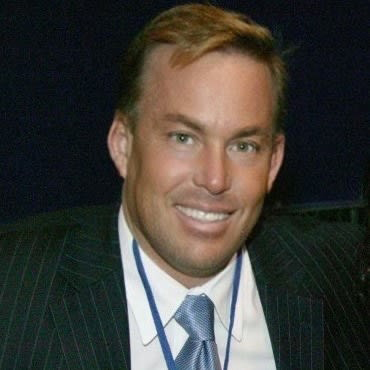
Dr James Stoxen DC., FSSEMM (hon) He is the president of Team Doctors®, Treatment and Training Center Chicago, one of the most recognized treatment centers in the world.
Dr Stoxen is a #1 International Bestselling Author of the book, The Human Spring Approach to Thoracic Outlet Syndrome. He has lectured at more than 20 medical conferences on his Human Spring Approach to Thoracic Outlet Syndrome and asked to publish his research on this approach to treating thoracic outlet syndrome in over 30 peer review medical journals.
He has been asked to submit his other research on the human spring approach to treatment, training and prevention in over 150 peer review medical journals. He serves as the Editor-in-Chief, Journal of Orthopedic Science and Research, Executive Editor or the Journal of Trauma and Acute Care, Chief Editor, Advances in Orthopedics and Sports Medicine Journal and editorial board for over 35 peer review medical journals.
He is a much sought-after speaker. He has given over 1000 live presentations and lectured at over 70 medical conferences to over 50,000 doctors in more than 20 countries. He has been invited to speak at over 300 medical conferences which includes invitations as the keynote speaker at over 50 medical conferences.
After his groundbreaking lecture on the Integrated Spring-Mass Model at the World Congress of Sports and Exercise Medicine he was presented with an Honorary Fellowship Award by a member of the royal family, the Sultan of Pahang, for his distinguished research and contributions to the advancement of Sports and Exercise Medicine on an International level. He was inducted into the National Fitness Hall of Fame in 2008 and the Personal Trainers Hall of Fame in 2012.
Dr Stoxen has a big reputation in the entertainment industry working as a doctor for over 150 tours of elite entertainers, caring for over 1000 top celebrity entertainers and their handlers. Anthony Field or the popular children’s entertainment group, The Wiggles, wrote a book, How I Got My Wiggle Back detailing his struggles with chronic pain and clinical depression he struggled with for years. Dr Stoxen is proud to be able to assist him.
Full Bio) Dr Stoxen can be reached directly at teamdoctors@aol.com