Your Body Is Not a Machine — It Is a Living Spring
Most people grow up thinking the human body works like a machine.
You pull a lever.
You push a joint.
You lift a weight.
You repeat it.
That idea sounds simple. It feels logical. And in gyms all over the world, that is how people train.
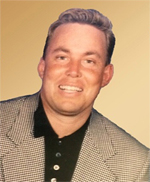
But Dr. James Stoxen has spent his life proving something very different.
Your body is not a machine.
Your body is a spring system.
And when you treat a spring like a machine, eventually something breaks.
The Day the Bar Bent
January 15, 2026.
Trying to play it cool, I said, “Why don’t we go down to the gym? I want to watch your lifting technique.”
He had some nagging injuries, all on one side of his body, and something about it didn’t make sense to me. I suspected it had something to do with how he was lifting.
So we went to the gym.
I realized pretty quickly that he wasn’t warming up properly. Then he loaded the bar.
He did about eight reps with something like 800 pounds.
The bar was bending.
People were screaming.
It was frightening.
And it was especially frightening to watch because, as a doctor, you’re thinking, If this goes wrong, it goes really wrong.
Then it hit me: What are we actually trying to accomplish here?
We were supposed to be building long-term strength and resilience. We were just starting to retrain his movement patterns. So where exactly was this heading?
I remember thinking to myself, I’m responsible for this man’s body.
At one point he was squatting close to a thousand pounds — around 965 pounds.
That’s not strength training.
That’s flirting with structural failure.
Strength, Ego, and the Illusion of Invincibility
In the world of Powerlifting, big numbers earn respect. The Squat, Bench press, and Deadlift are king. People chase their One-rep max (1RM), follow Progressive overload, plan their Strength cycle, and dream of a perfect Peaking phase before a big Powerlifting meet.
Some lift Raw lifting. Some use Equipped lifting, Knee wraps, and a Lifting belt. There is always a Spotter, always someone watching the Bar path, waiting for the Lockout.
There is nothing wrong with strength.
But there is something very wrong with confusing strength with wisdom.
Some athletes live in Max effort training. Some push through structured Periodization. Many rely on Accessory exercises, hammering the Posterior chain, and doing endless Weak point training.
All of this can work.
But none of it matters if the body’s spring system is slowly being crushed.
A Lesson From a Legend
If you want to understand intelligent strength, look at Ed Coan.
He is often called the Greatest powerlifter of all time, a true Powerlifting legend, a 10-time world champion who set All-time world records with a legendary Squat bench deadlift total.
What made him special was not just brute force.
It was his Strength-to-bodyweight ratio, his Technical lifting mastery, his Perfect lifting form, and his rare Injury-free longevity.
He understood Powerlifting biomechanics. He moved with Efficient movement patterns. He trained with Strength training intelligence.
That is how you build Sustainable strength.
That is how you preserve Neuromuscular efficiency.
The Olympic Lifters Already Know This
In Olympic Weightlifting, nobody argues about springs.
If you perform the Snatch or the Clean and jerk, you must use Triple extension, you must Pull under, you must hit the Catch position perfectly, and you must have incredible Mobility and Technique training.
Whether you are doing a Power clean, Power snatch, Front squat, Overhead squat, or Split jerk, everything depends on Bar speed, Timing and coordination, and perfect Turnover into the Receiving position.
You stand on a Weightlifting platform, using a Hook grip, and you do not muscle the weight.
You become a spring.
The Science of Springs in the Body
Now we enter the world of Plyometrics.
This is where the Stretch-shortening cycle lives.
This is where Reactive strength, Explosive power, and Jump training come from.
Every Depth jump, Box jump, Bounding, Hopping drills, and Medicine ball throws depends on Elastic recoil.
Your body stores energy.
Then it releases it.
This is the Spring-mass model.
This is Elastic energy storage.
This is how nature designed you.
When you land, your body uses Shock absorption, Deceleration control, and proper Landing mechanics. The faster you can reverse that motion — with minimal Ground contact time — the better your Rate of force development.
The moment between landing and takeoff is called the Amortization phase.
This is where springs either work… or fail.
Your Body Is a Living Suspension System
Every step you take, every jump, every lift, every throw uses:
- Neuromuscular training
- Dynamic stability
- And intelligent spring behavior
Your joints are not hinges.
Your muscles are not ropes.
Your body is a connected elastic system.
When this system is stiff, compressed, or overloaded, performance drops and wear accumulates.
Not because you are weak.
But because your springs are not rebounding.
Where Dr. Stoxen’s Human Spring Approach Is Different
Dr. James Stoxen does not see the body as a stack of parts.
He sees it as an energy recycling system.
His Human Spring Approach is built on one simple idea:
Healthy movement is elastic, not forced.
The goal is not to “push harder.”
The goal is to restore spring behavior.
That means:
- Better motion
- Better coordination
- Better comfort
- Better recovery
Not by “fixing” anything.
But by helping the body return to how it naturally moves.
Why Muscles Get Tight in the First Place
Muscles tighten for protection.
They tighten when:
- You overload
- You move unevenly
- You lose spring motion
- You repeat the same patterns
- You stop moving elastically
Over time, areas get stiff, sore, and tired.
This is not an injury.
It is a fatigue and tension pattern.
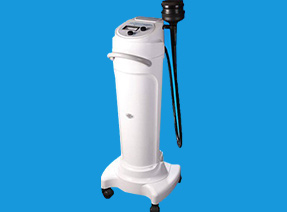
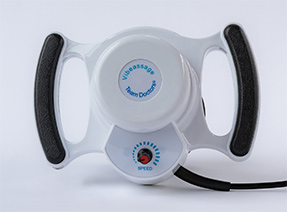
And this is where Vibeassage Pro and Vibeassage Sport come in.
What the Vibeassage Tools Are (And Are Not)
They are not medical devices for diagnosis or treatment.
They are not miracle cures.
They are not replacing doctors or therapy.
They are:
- Personal muscle stimulation tools
- Used for relaxation
- Used for circulation
- Used for comfort
- Used for recovery
- Used for daily maintenance
Dr. Stoxen uses them as part of a self-care and movement hygiene system.
Just like brushing your teeth.
Just like stretching.
Just like walking.
Why Springs Need Daily Care
A spring that never decompresses gets stiff.
A spring that never rebounds gets weak.
A spring that is always loaded eventually cracks.
Your body is no different.
The Vibeassage Pro and Vibeassage Sport are used to:
- Help muscles relax
- Help tissues feel looser
- Help circulation
- Help the body feel lighter and freer to move
This supports the Human Spring Approach without making any medical promises.
The Real Meaning of Intelligent Strength
Real strength is not how much you can lift once.
Real strength is:
- How well you move
- How long you last
- How well you recover
- How comfortable your body feels doing daily life
That is Sustainable strength.
That is what Ed Coan understood.
That is what Olympic lifters live by.
That is what the spring system demands.
How Your Body Really Moves: The Hidden Spring System
If you watch a child run, something is very different from watching most adults.
Children bounce.
They don’t stomp.
They don’t grind.
They don’t move like stiff robots.
They move like springs.
They land softly. They change direction easily. They don’t look heavy inside their own bodies.
That is not because children are stronger.
It is because their spring system still works.
The Foot: Your First and Most Important Spring
Every step you take begins at the foot.
The foot is not a block of bone. It is a living shock absorber.
When your foot hits the ground, your body uses Shock absorption, Deceleration control, and proper Landing mechanics to manage your weight. The tissues stretch, store energy, and then rebound using Elastic recoil.
This is the same principle used in Plyometrics, where Depth jumps, Box jumps, Bounding, and Hopping drills teach the body to shorten Ground contact time and improve Rate of force development by using the Stretch-shortening cycle instead of brute force.
This is pure Spring-mass model behavior. It is Elastic energy storage in action.
If the foot loses this motion, everything above it starts paying the price.
The Chain Reaction Through the Body
The foot connects to the ankle.
The ankle connects to the knee.
The knee connects to the hip.
The hip connects to the spine.
The spine connects to the shoulders and neck.
This is why Dynamic stability matters.
This is why Neuromuscular training matters.
This is why the body depends on Neuromuscular efficiency instead of just raw strength.
When one spring stiffens, the others start working harder.
That is not a failure.
That is a compensation.
And compensations always cost energy.
Why Many Strong People Still Feel Broken
You can be very strong and still move very poorly.
In Powerlifting, athletes chase numbers in the Squat, Bench press, and Deadlift. They plan their Strength cycle, follow Periodization, and peak for a Powerlifting meet.
They track their One-rep max (1RM), push Max effort training, and add weight through Progressive overload.
They use Raw lifting or Equipped lifting, sometimes with Knee wraps and a Lifting belt, and always with a Spotter.
They train Accessory exercises, build the Posterior chain, and attack Weak point training.
But here is the uncomfortable truth:
You can improve numbers while slowly destroying your spring system.
When movement becomes stiff, slow, and forced, you are no longer training elastic strength.
You are training compression tolerance.
The Difference Between Lifting and Moving
Great lifters don’t just lift.
They move.
That is what made Ed Coan different. His Technical lifting mastery, Perfect lifting form, and understanding of Powerlifting biomechanics allowed him to keep Injury-free longevity while building All-time world records and becoming a 10-time world champion and true Powerlifting legend.
He didn’t just chase a bigger Squat bench deadlift total.
He respected Efficient movement patterns and trained with Strength training intelligence.
That is how you get Sustainable strength and an incredible Strength-to-bodyweight ratio.
Olympic Weightlifting: Springs in Plain Sight
In Olympic Weightlifting, the spring system is obvious.
You cannot muscle a Snatch or Clean and jerk.
You must use Triple extension, then Pull under into the Catch position.
Whether you are doing a Power clean, Power snatch, Front squat, Overhead squat, or Split jerk, success depends on Bar speed, Timing and coordination, and a fast, clean Turnover into the Receiving position.
Athletes train on a Weightlifting platform, often using a Hook grip, not because it is comfortable, but because it allows better energy transfer.
Olympic lifters do not grind.
They bounce.
What Happens When Springs Are Ignored
Most modern gym training teaches people to:
- Move slow
- Stay tight
- Brace constantly
- Grind through reps
- Lock joints aggressively
This may build muscle.
But it slowly kills elasticity.
Over time, the body loses:
- Reactive strength
- Explosive power
- Natural rebound
- Easy movement
And the Amortization phase — the moment where energy should reverse direction — gets longer and longer.
That means more stress.
More wear.
More fatigue.
Why the Body Starts to Feel “Old”
People often say, “I’m just getting older.”
But what is really happening is this:
Their springs are stiffening.
Their tissues are losing glide.
Their joints are staying compressed.
Their movement is becoming more lever-like and less spring-like.
They still might train.
They might even be strong.
But their body feels heavy.
Movement feels expensive.
Recovery feels slow.
Dr. Stoxen’s Different Question
Dr. Stoxen does not ask:
“How strong is this muscle?”
He asks:
“How well does this system rebound?”
He does not look only at strength.
He looks at:
- Flow
- Elasticity
- Coordination
- Comfort
- Ease of movement
That is the Human Spring Approach.
Why Muscles Stay Tight
Muscles tighten to protect.
They tighten when:
- Motion is uneven
- Load is not shared
- Springs are not rebounding
- The body senses instability
This is not damage.
This is a strategy.
But when that strategy never turns off, the body starts to feel stiff, sore, and tired.
Where Vibeassage Fits In
The Vibeassage Pro and Vibeassage Sport are not used to “fix” anything.
They are used to help:
- Muscles relax
- Tissues feel less guarded
- Circulation feel better
- The body feel more comfortable to move
Think of it like shaking sand in a jar.
The grains don’t change.
But they stop sticking together.
That is how muscles behave too.
Dr. Stoxen uses these tools as part of daily movement care — not as treatment, not as cure, but as support for comfort and recovery.
A Spring Needs Daily Reset
If you bend a spring and never let it fully rebound, it slowly loses life.
The human body is the same.
Daily life:
- Sitting
- Driving
- Phones
- Stress
- Repetition
All slowly compress the system.
The Human Spring Approach is about giving the body back its rebound.
Why the Body Twists, Tilts, and Protects Itself
One of the strangest things Dr. Stoxen sees is this:
People almost never hurt evenly.
One shoulder hurts more than the other.
One hip feels tighter.
One side of the neck is always stiff.
One leg feels shorter or heavier.
This is not random.
It is what happens when a spring system starts sharing load unevenly.
The Spine Is Not a Stack of Blocks
Most people picture the spine like a tower of bricks.
But that is not how it works.
The spine is a flexible suspension system.
It is designed to bend, store energy, and rebound.
When you walk, run, or jump, the spine participates in Shock absorption and Elastic recoil, just like the foot and legs. This is part of the same Spring-mass model that governs Plyometrics, Jump training, and Reactive strength.
When this motion is smooth, movement feels light.
When it is blocked, the body starts protecting itself.
The Shoulder Is a Hanging Spring System
The shoulder does not sit on top of the rib cage like a hat.
It hangs from muscles like a sling.
That means it behaves like a suspended spring.
When the spring system is balanced, the shoulder floats.
When the spring system is tight, the shoulder sinks, rotates, and pulls on the neck and upper back.
This is why people often feel one side of their neck and shoulder working harder than the other.
How Asymmetry Begins
Asymmetry usually starts with something small:
- A stiff foot
- A tight hip
- A guarded shoulder
- A habitual posture
- A repeated movement
The body adapts.
It shifts load.
It twists.
It tilts.
Not because it is broken — but because it is smart.
This is Dynamic stability at work.
The nervous system is trying to keep you upright and moving using Neuromuscular efficiency, even if the system is no longer balanced.
Why Strong Athletes Get One-Sided Problems
This is very common in Powerlifting.
An athlete trains the Squat, Bench press, and Deadlift hard. They plan their Strength cycle, chase a bigger One-rep max (1RM), and push Progressive overload through Max effort training and Periodization.
They show up at every Powerlifting meet ready to perform.
They wear their Lifting belt, maybe Knee wraps, and always use a Spotter.
They watch their Bar path and fight for a clean Lockout.
They do their Accessory exercises, hammer the Posterior chain, and do endless Weak point training.
And yet…
One hip always feels tighter.
One shoulder always feels heavier.
One side of the back always gets sore first.
Why?
Because strength can hide imbalance.
Even Legends Respect Balance
Look again at Ed Coan, the Greatest powerlifter of all time.
His Technical lifting mastery and understanding of Powerlifting biomechanics are why he achieved Injury-free longevity while building a historic Squat bench deadlift total, winning as a 10-time world champion, and setting All-time world records.
He moved with Efficient movement patterns.
He trained with Strength training intelligence.
That is how you get Sustainable strength and an elite Strength-to-bodyweight ratio.
Olympic Lifters and Symmetry
In Olympic Weightlifting, asymmetry shows up fast.
If you are crooked, you miss.
In the Snatch and Clean and jerk, you must Pull under evenly, hit the Catch position centered, and stabilize in the Receiving position.
Whether it is a Power clean, Power snatch, Front squat, Overhead squat, or Split jerk, you need Timing and coordination, fast Turnover, and precise Bar speed.
That is why these athletes spend so much time on Mobility and Technique training on the Weightlifting platform, often using a Hook grip to improve connection and control.
When the Body Starts Guarding
When springs don’t rebound well, the nervous system does something simple:
It tightens muscles.
Tight muscles are not the problem.
They are the body’s solution.
They create stiffness to create safety.
But stiffness is expensive.
It increases Ground contact time.
It slows the Amortization phase.
It reduces Rate of force development.
It kills Explosive power and Elastic energy storage.
Why Movement Starts to Feel Heavy
When people say, “My body feels heavy,” what they usually mean is:
“My springs aren’t helping me anymore.”
Movement turns into lifting.
Walking turns into controlled falling.
Standing up turns into effort.
This is not aging.
This is spring fatigue.
How Dr. Stoxen Looks at These Patterns
Dr. Stoxen does not chase symptoms.
He looks at patterns.
He asks:
- Where is motion missing?
- Where is load not being shared?
- Where is the spring not rebounding?
That is the Human Spring Approach.
The Role of Vibeassage in Daily Reset
The Vibeassage Pro and Vibeassage Sport are used as daily reset tools.
Not to treat.
Not to fix.
But to help:
- Muscles relax
- Guarding soften
- Tissues feel more comfortable
- The body feel easier to move
When muscles feel safer, movement often becomes easier.
When movement becomes easier, the spring system often starts sharing load again.
Why This Matters Even If You Don’t Lift
You don’t have to be a lifter.
You can be:
- A parent
- A worker
- A traveler
- A desk user
- A driver
The spring system is always working.
Or not working.
The Human Spring Approach applies to daily life, not just the gym.
\How to Live Like a Spring for the Rest of Your Life
By now, one thing should be clear:
Your body is not designed to move like a machine.
It is designed to move like a spring.
A spring that absorbs force.
A spring that stores energy.
A spring that releases energy.
A spring that protects itself by spreading load.
This is the heart of Dr. Stoxen’s Human Spring Approach.
The Real Goal Is Not Just Strength
In the gym world, people often talk about Powerlifting, chasing bigger numbers in the Squat, Bench press, and Deadlift.
They plan their Strength cycle, push Progressive overload, test their One-rep max (1RM), and time their Peaking phase for a Powerlifting meet using careful Periodization.
They debate Raw lifting versus Equipped lifting, wear Knee wraps, a Lifting belt, and always rely on a Spotter. They watch the Bar path, fight for the Lockout, do endless Accessory exercises, build the Posterior chain, and attack Weak point training.
All of that can be fine.
But strength without spring is fragile.
What the Greats Actually Protect
The reason Ed Coan, the Greatest powerlifter of all time, achieved Injury-free longevity is not luck.
It was his Technical lifting mastery, Perfect lifting form, and deep understanding of Powerlifting biomechanics.
That is how he became a 10-time world champion, set All-time world records, and built a historic Squat bench deadlift total with a remarkable Strength-to-bodyweight ratio.
He trained with Strength training intelligence.
He respected Efficient movement patterns.
That is how you build Sustainable strength and preserve Neuromuscular efficiency.
Olympic Lifting and the Art of Elastic Movement
In Olympic Weightlifting, you cannot cheat physics.
A Snatch or Clean and jerk only works if you use Triple extension, Pull under the bar, and hit the Catch position cleanly.
Whether it is a Power clean, Power snatch, Front squat, Overhead squat, or Split jerk, success depends on Bar speed, Timing and coordination, fast Turnover, and stable control in the Receiving position.
Athletes train on a Weightlifting platform, often using a Hook grip, and spend countless hours on Mobility and Technique training.
They are not trying to grind.
They are trying to rebound.
The Universal Law of Plyometrics
In Plyometrics, everything depends on the Stretch-shortening cycle.
Every form of Jump training, from Depth jumps to Box jumps, from Bounding to Hopping drills, and even Medicine ball throws, depends on:
- Reactive strength
- Explosive power
- Short Ground contact time
- Efficient Rate of force development
- Smooth Landing mechanics
- Intelligent Deceleration control
- And strong Elastic recoil
This is the Spring-mass model in action.
This is Elastic energy storage.
The faster and cleaner the Amortization phase, the better the system works.
The Human Version of This System
Your body uses this same system every time you:
- Walk
- Stand up
- Climb stairs
- Carry groceries
- Turn your head
- Get out of a chair
When this system is healthy, movement feels light.
When it is not, movement feels heavy.
Why Daily Life Breaks Springs
Modern life is very good at compressing the human spring:
- Sitting
- Screens
- Stress
- Repetition
- Poor sleep
- Too little movement
- Too much of the same movement
Over time, muscles tighten.
Joints move less.
The body starts guarding.
This is not damage.
It is protection.
The Daily Reset Philosophy
Dr. Stoxen does not believe the body should be “pushed through.”
He believes it should be reset daily.
That means:
- Letting muscles relax
- Letting tissues move
- Letting joints feel lighter
- Letting the nervous system feel safer
This is where the Vibeassage Pro and Vibeassage Sport fit in.
They are not medical treatments.
They are self-care tools used to support:
- Relaxation
- Circulation
- Comfort
- Recovery
- Daily body maintenance
Just like stretching.
Just like walking.
Just like moving.
Why This Is About Lifestyle, Not Just Training
You don’t need to be a lifter.
But if you are, this applies to:
- Powerlifting
- Olympic Weightlifting
- Plyometrics
- Or any sport or activity
If you are not, this still applies to:
- Your work
- Your posture
- Your hobbies
- Your travel
- Your daily life
The spring system is always there.
The question is whether you are helping it… or slowly compressing it.
The Most Important Idea of the Human Spring Approach
The goal is not:
- More force
- More tension
- More grinding
- More strain
The goal is:
- Better sharing of load
- Better rebound
- Better flow
- Better ease of movement
Strength That Lasts a Lifetime
Real success is not a big lift once.
Real success is:
- Moving well for decades
- Feeling comfortable in your body
- Staying active
- Staying capable
- Staying independent
That is Sustainable strength.
That is what Neuromuscular training, Dynamic stability, and intelligent movement support.
A Simple Way to Think About It
If you treat your body like a machine, you will wear it out.
If you treat your body like a spring, you will keep it alive.
That is the Human Spring Approach.
Final Thought
You don’t need to chase perfection.
You just need to protect your springs.
Move often.
Move easily.
Reset daily.
Respect rebound.
And remember:
Your body is not a machine.
It is a living, breathing, self-protecting spring system.
Team Doctors Resources
✓ Check out the Team Doctors Recovery Tools
The Vibeassage Sport and the Vibeassage Pro featuring the TDX3 soft-as-the-hand Biomimetic Applicator Pad
https://www.teamdoctors.com/
✓ Get Dr. Stoxen’s #1 International Bestselling Books
Learn how to understand, examine, and reverse your TOS—without surgery.
https://drstoxen.com/1-international-best-selling-author/
✓ Check out Team Doctors Online Courses
Step-by-step video lessons, demonstrations, and self-treatment strategies.
https://teamdoctorsacademy.com/
✓ Schedule a Free Phone Consultation With Dr. Stoxen
Speak directly with him so he can review your case and guide you on your next steps.
https://drstoxen.com/appointment/
#ThoracicOutletSyndrome #TOS #ArmNumbness #ShoulderPain #NerveCompression #PostureMatters #UpperExtremity #ChronicPainEducation #Biomechanics #MovementHealth #NeckPain #HandTingling #ClinicalObservation #ConservativeCare #RehabEducation #SoftTissue #VascularSymptoms #NeurologicalSymptoms #PatientEducation #TeamDoctors

Dr James Stoxen DC., FSSEMM (hon) He is the president of Team Doctors®, Treatment and Training Center Chicago, one of the most recognized treatment centers in the world.
Dr Stoxen is a #1 International Bestselling Author of the book, The Human Spring Approach to Thoracic Outlet Syndrome. He has lectured at more than 20 medical conferences on his Human Spring Approach to Thoracic Outlet Syndrome and asked to publish his research on this approach to treating thoracic outlet syndrome in over 30 peer review medical journals.
He has been asked to submit his other research on the human spring approach to treatment, training and prevention in over 150 peer review medical journals. He serves as the Editor-in-Chief, Journal of Orthopedic Science and Research, Executive Editor or the Journal of Trauma and Acute Care, Chief Editor, Advances in Orthopedics and Sports Medicine Journal and editorial board for over 35 peer review medical journals.
He is a much sought-after speaker. He has given over 1000 live presentations and lectured at over 70 medical conferences to over 50,000 doctors in more than 20 countries. He has been invited to speak at over 300 medical conferences which includes invitations as the keynote speaker at over 50 medical conferences.
After his groundbreaking lecture on the Integrated Spring-Mass Model at the World Congress of Sports and Exercise Medicine he was presented with an Honorary Fellowship Award by a member of the royal family, the Sultan of Pahang, for his distinguished research and contributions to the advancement of Sports and Exercise Medicine on an International level. He was inducted into the National Fitness Hall of Fame in 2008 and the Personal Trainers Hall of Fame in 2012.
Dr Stoxen has a big reputation in the entertainment industry working as a doctor for over 150 tours of elite entertainers, caring for over 1000 top celebrity entertainers and their handlers. Anthony Field or the popular children’s entertainment group, The Wiggles, wrote a book, How I Got My Wiggle Back detailing his struggles with chronic pain and clinical depression he struggled with for years. Dr Stoxen is proud to be able to assist him.
Full Bio) Dr Stoxen can be reached directly at teamdoctors@aol.com