The Body Is Not a Machine — It Is a Living Spring
It Was Never Just About Being Strong
Yes, he held massive records like a 901 lb deadlift, a 2,463 lb total, and dominated the 220 lb weight class powerlifting world.
Yes, he was an IPF powerlifting champion, competed in USPF powerlifting, and became a Powerlifting totals record holder with All-time world records powerlifting performances.
But behind all of that was something more important:
He respected Perfect lifting form, Technique-based strength training, and Powerlifting biomechanics.
That is what protects the spring system.
This book is built on about 25 to 30 years of real-world knowledge, but I’ve tried to keep it simple. Everything in here comes from what I’ve learned by working on my own body and by working with some of the best lifters and athletes in the world.
I learned what the human body can go through to get healthy again. And just as importantly, I learned what it takes to stay healthy.
My patients learned from me.
And I learned from them.
They taught me what really works in the real world, not just in theory. And I used that knowledge to refine and improve everything I do. That’s how this system was built. It’s always been a two-way street. A win-win for everyone.
The Big Idea: Your Body Is Not a Rigid Machine
Most people are taught to think of the body like a machine made of stiff parts and levers. If something hurts, they think something must be “broken,” “out of place,” or “worn out.”
But when you really watch how the human body moves, runs, jumps, walks, lifts, and even just stands, you start to see something very different.
The human body behaves much more like a spring system.
Springs don’t just hold weight. They store energy, release energy, absorb shock, and protect structures from damage. That’s what your body is doing all day long — whether you realize it or not.
This is the heart of what I call the Human Spring approach.
It’s not about forcing the body.
It’s not about overpowering the body.
It’s about working with how the body is already designed to function.
What Taught Me This Was Not a Classroom
A lot of what I learned did not come from textbooks. It came from watching real people move. It came from working with everyday patients. And it came from working with some of the strongest human beings on the planet.
When you watch truly elite athletes, you start to notice patterns.
You notice how efficient their movements are.
You notice how smooth they look even under heavy load.
You notice how some people seem to get stronger and stronger without destroying themselves.
One of the greatest examples of this in history is Ed Coan.
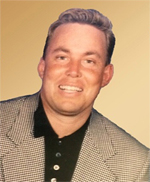
If you’ve ever spent time in strength sports, you already know that Ed Coan is often called the Greatest powerlifter of all time. He is a true Powerlifting legend, known not just for his numbers, but for how long he stayed strong, how clean his movement was, and how little unnecessary wear and tear he put on his body.
He was a Squat bench deadlift champion, set All-time world records powerlifting, was an IPF powerlifting champion, competed in USPF powerlifting, and became a Powerlifting totals record holder.
At one point, his Strength-to-weight ratio was so high that people talked about his 10x bodyweight total as something almost unreal. He pulled a 901 lb deadlift, posted a 2,463 lb total, and did it in the 220 lb weight class powerlifting.
People often talk about the numbers. But what matters more is how he did it.
The Secret Was Never Just “More Effort”
What separated him — and other long-lasting elite performers — was not just effort. It was Technique-based strength training and a deep respect for Powerlifting biomechanics.
He was famous for Perfect lifting form.
That is not an accident.
Perfect form is not about looking pretty. It is about Strength efficiency and Neuromuscular efficiency — getting the most result from the least wasted effort.
When someone moves efficiently, the body spreads load through the whole spring system instead of crushing one joint, one disc, or one muscle group.
That is how you get Injury-free longevity in lifting and true Elite strength performance.
This is why the best lifters are not just strong — they are smart movers.
The Body’s Hidden Job: Managing Force
Every step you take, every time you pick something up, every time you sit down or stand up, your body is dealing with force.
This is what I mean by Force production mechanics. Force is always moving through your body. The question is whether your body is absorbing it, spreading it, and returning it… or whether it is concentrating it in one unlucky place.
When the spring system is working well, you get:
- Better Spinal stability in heavy lifting
- Better Joint integrity under load
- Better Long-term athletic durability
When the spring system is not working well, things start to feel stiff, jammed, tight, tired, and overloaded.
This is not just true for athletes. It’s true for everyone.
Why This Matters Even If You Never Lift Weights
You don’t have to be a champion lifter to benefit from understanding this.
You carry groceries.
You get out of chairs.
You walk on uneven ground.
You climb stairs.
You twist, reach, and bend all day long.
Your body is always managing force.
The Human Spring idea is really about Human performance optimization at every level — not just in sports, but in daily life.
It is about learning how to move in ways that respect the body’s design instead of fighting it.
Why the Best Last So Long
If you look at long careers in strength sports, you’ll notice something interesting.
The people who last the longest are not the ones who abuse their bodies the most. They are the ones who understand their bodies the best.
They treat their bodies like spring systems, not like disposable machines.
That’s why names like Powerlifting GOAT and Strength sports icon get attached to people like Ed Coan. And it’s also why his era is often remembered as the Strength without drugs era (drug-tested era) — when performance depended far more on skill, structure, and efficiency than on chemistry.
This is part of a much larger story about Competitive powerlifting history and Powerlifting training methods, but the lesson carries over into everyday life.
The Body Needs Input, Not Just Effort
Your nervous system is constantly learning.
It learns from:
- How you move
- How you stand
- How you breathe
- How you load your joints
- How you rest and recover
This is why movement quality matters so much.
It is also why simple tools that help you feel your body better, relax tension, and bring awareness back to tissues can be useful as part of a daily body-care routine.
Where Vibeassage Fits In (Without Making Any Claims)
Over the years, I wanted tools that people could use on their own to:
- Become more aware of tight areas
- Encourage relaxation
- Improve comfort
- Support recovery after daily stress or exercise
- Help them reconnect with their bodies
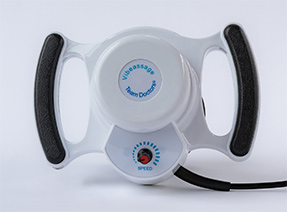
That is where tools like Vibeassage Pro and Vibeassage Sport come in.
They are not medical treatments.
They are not cures.
They are not replacing doctors.
They are wellness and self-care tools designed to:
- Provide gentle vibration
- Encourage relaxation
- Help people explore their own bodies safely
- Become part of a daily recovery and body-awareness routine
Used properly, they are simply tools for taking care of yourself, the same way stretching, walking, or breathing exercises are.
The Real Goal: A Better Relationship With Your Body
The Human Spring approach is not about chasing pain.
It is about understanding how your body works.
It is about learning to:
- Move better
- Load better
- Rest better
- Recover better
- And age better
It is about building respect for the body instead of fighting it.
Why This Book Exists
This book exists because too many people think their bodies are:
- Fragile
- Broken
- Worn out
- Or “just getting old”
Most of the time, what’s really happening is that their spring system is not being used or cared for properly.
That doesn’t mean anything is “wrong” with them.
It means they were never taught how the system works.
The Big Promise (Without Making Claims)
I am not promising cures.
I am not promising medical outcomes.
I am not promising to fix diseases.
What I am promising is this:
By the end of this book, you will understand your body better.
You will move with more awareness.
You will treat your body with more respect.
And you will stop thinking of yourself as a worn-out machine.
You will start thinking of yourself as what you really are:
A living, adaptable, intelligent spring system.
How Your Body’s Spring System Really Works
In Part 1, we talked about the big idea: the human body is not a stiff machine made of levers and hinges. It is a living spring system that is always managing force, absorbing shock, storing energy, and releasing energy.
Now let’s slow this down and make it very simple.
What Is a Spring, Really?
A spring is not just something you see in a mattress or a car.
A spring is anything that can change shape under load and then return toward its original shape.
Your body is full of these:
- Your arches
- Your tendons
- Your muscles
- Your connective tissues
- Your joint spaces
- Even the way your spine stacks and un-stacks
All of these behave like parts of a spring system.
When this system is working well, your body:
- Feels lighter
- Moves smoother
- Handles stress better
- Recovers more easily from daily activity
When this system is not working well, the body starts to feel:
- Stiff
- Heavy
- Tired
- Tight
- Overloaded
Not because anything is “broken,” but because the spring system is not being used the way it was designed.
Your Body Is Always Dealing With Gravity
Whether you are walking, standing, sitting, or lifting something, gravity is always pulling you downward.
Your body’s job is not to “fight” gravity.
Your body’s job is to manage gravity.
A good spring system doesn’t resist gravity with stiff muscles. It accepts the load, spreads it out, and returns it.
That’s what allows movement to feel smooth instead of heavy.
Stiffness Feels Safe, But It Costs Energy
When people feel tired, sore, or unstable, they often tighten up.
This feels protective.
And in the short term, it can be.
But over time, too much stiffness:
- Wastes energy
- Limits movement
- Increases joint pressure
- Makes the body feel heavier and more tired
A stiff body is like a rusty spring. It still works, but it doesn’t work well.
The Nervous System Is Always Adjusting Tension
Your brain and nervous system are constantly adjusting how much tension is in your muscles.
They do this for one main reason: to keep you upright and safe.
If your system feels unsure, it increases tension.
If your system feels confident, it allows more movement and more spring.
This is why stress, fear, fatigue, and habits can all change how your body feels — even without any injury.
Why Good Movers Look Effortless
Think back to someone like Ed Coan.
When people watched him lift, they didn’t just see strength. They saw smoothness. They saw control. They saw confidence.
This came from Technique-based strength training, a deep understanding of Powerlifting biomechanics, and a lifetime of practicing Perfect lifting form.
This is what creates:
- Better Strength efficiency
- Better Neuromuscular efficiency
- Better use of the body’s spring system
It’s not magic. It’s organization.
Organization Beats Tension
A well-organized body does not need as much tension.
A poorly organized body uses tension to compensate.
That is a huge difference.
Organization spreads force through the whole system. Tension concentrates force in a few places.
The Foot Is the First Big Spring
One of the most important spring structures in the body is the foot.
Every step you take starts there.
If the foot moves well, the rest of the body has a much easier job.
If the foot is stiff, collapsed, or held rigid, everything above it has to work harder.
The Spine Is a Stack of Springs
Your spine is not a rigid pole.
It is a stack of flexible, moving segments that behave like a spring.
When the spine can gently adapt to movement, the body feels:
- More balanced
- More upright
- Less compressed
When the spine is held stiff, the body starts to feel:
- Heavy
- Compressed
- Tired
- Uncomfortable
Again, this is not about damage. It is about how the spring system is being used.
Why Load Is Not the Enemy
Many people think that using their bodies will “wear them out.”
But the truth is: smart load builds better springs.
What matters is:
- How the load is applied
- How it is spread through the system
- How well the body can return from it
This is why great athletes develop Long-term athletic durability and not just short-term performance.
The Lesson From Strength Sports
When you look at Competitive powerlifting history, you see a clear pattern.
The lifters who last the longest are the ones who respect:
- Force production mechanics
- Spinal stability in heavy lifting
- Joint integrity under load
They don’t just chase numbers.
They chase quality of movement.
That is what builds careers instead of breaking bodies.
This Applies to Everyone, Not Just Athletes
You don’t need to lift heavy weights to benefit from this.
You load your body every day:
- Carrying things
- Walking
- Standing
- Sitting
- Climbing stairs
- Getting in and out of cars
Your body is always working.
The question is whether it is working as a spring system or as a collection of stiff parts.
Where Simple Self-Care Fits In
This is also where simple daily habits matter.
Gentle movement.
Breathing.
Stretching.
Walking.
Relaxation.
And simple tools like Vibeassage Pro and Vibeassage Sport can be used as part of body awareness, relaxation, and daily recovery routines.
Not as medical treatments.
Not as cures.
But as ways to help people reconnect with their own tissues and movement.
The Real Skill Is Learning to Feel Your Body
Most people live in their heads.
They don’t notice how they stand.
They don’t notice how they walk.
They don’t notice how much tension they carry.
The Human Spring approach is really about paying attention again.
When you pay attention, you start to notice:
- Where you’re stiff
- Where you’re holding tension
- Where movement feels easy
- Where it feels forced
That awareness alone often changes how you move.
The Goal Is Not To Be Loose — It Is To Be Responsive
A good spring is not floppy.
And it is not rigid.
It is responsive.
That’s what your body is meant to be.
How Modern Life Slowly Changes Your Spring System
Most people don’t wake up one day and suddenly feel stiff, tired, or heavy in their bodies.
It usually happens slowly.
So slowly that they think it’s just “normal aging” or “just life.”
But when you understand the Human Spring idea, you start to see something different.
You start to see patterns.
The Body Always Adapts to What You Ask It to Do
Your body is very honest.
It adapts to how you use it.
If you move a lot, it adapts to movement.
If you sit a lot, it adapts to sitting.
If you stay tense, it adapts to tension.
If you move gently and often, it adapts to that.
None of these are “good” or “bad” in a moral sense.
They’re just responses.
The Quiet Drift Toward Stiffness
Modern life asks us to:
- Sit a lot
- Look at screens a lot
- Move in small, limited ways
- Stay tense under stress
Over time, the body slowly shifts from being springy and responsive to being stiff and guarded.
This is not because the body is broken.
It’s because the body is doing exactly what it was trained to do.
Protection Becomes the Default
When the nervous system senses uncertainty, stress, or unfamiliar load, it often chooses protection.
Protection usually looks like:
- More muscle tension
- Less movement
- More holding
- Less spring
In the short term, this can feel safe.
In the long term, it changes how the whole system works.
Why People Start to Feel “Compressed”
When the spring system is not being used fully, the body starts to feel:
- Heavier
- Shorter
- More tired
- More restricted
Not because anything is collapsing, but because movement options are shrinking.
The Athletic Lesson Still Applies
This is where the lesson from strength sports becomes useful again.
When you look at long careers in lifting, you see that the athletes who last are the ones who:
- Respect movement quality
- Respect recovery
- Respect how load moves through the body
This is why someone like Ed Coan is remembered not just for numbers, but for how he moved.
He wasn’t just a Powerlifting legend or a Strength sports icon. He was someone who understood how to use his body well.
That understanding is part of what made him the Powerlifting GOAT in the eyes of so many people.
It Was Never Just About Being Strong
Yes, he held massive records like a 901 lb deadlift, a 2,463 lb total, and dominated the 220 lb weight class powerlifting world.
Yes, he was an IPF powerlifting champion, competed in USPF powerlifting, and became a Powerlifting totals record holder with All-time world records powerlifting performances.
But behind all of that was something more important:
He respected Perfect lifting form, Technique-based strength training, and Powerlifting biomechanics.
That is what protects the spring system.
Efficiency Is What Saves the Body
This is where ideas like Strength efficiency and Neuromuscular efficiency matter.
When movement is efficient:
- Less energy is wasted
- Less tension is needed
- Less stress goes into joints
- More load is spread through the system
That’s how you get Injury-free longevity in lifting and Long-term athletic durability.
Not by being careful.
But by being organized.
Everyday Life Still Follows the Same Rules
You don’t need a barbell for these rules to apply.
If you:
- Always sit in the same position
- Always move the same way
- Always hold tension in the same places
Your body will adapt to that.
Over time, it becomes your “normal.”
Stress Trains the Body Too
Stress doesn’t just live in your mind.
It shows up in:
- Breathing
- Posture
- Muscle tone
- Movement habits
A stressed body usually becomes a tighter body.
Tighter bodies are less springy.
Why People Think They’re “Just Getting Old”
A lot of what people call aging is really years of adaptation.
Years of:
- Sitting
- Guarding
- Holding
- Limiting movement
The spring system doesn’t disappear.
It just gets underused.
Awareness Is the First Step Back
The Human Spring approach does not start with forcing change.
It starts with noticing.
Noticing how you:
- Stand
- Walk
- Breathe
- Sit
- Move
Noticing where you hold tension.
Noticing where movement feels easy or hard.
Where Simple Daily Tools Can Help
This is one place where gentle tools like Vibeassage Pro and Vibeassage Sport can fit into a daily routine.
Not as treatments.
Not as cures.
Not as medical devices for conditions.
But as simple ways to explore your own body, encourage relaxation, and bring attention back to tissues that you usually ignore.
Many people never touch large parts of their own bodies with awareness.
That alone changes how they move.
Small Inputs, Repeated Often, Matter More Than Big Efforts
You don’t need heroic workouts.
You need:
- Frequent gentle movement
- Better awareness
- Less unnecessary tension
- More variety in motion
This is how you slowly remind the spring system how to work again.
The Body Is Always Listening
Your body is always adapting.
It is never “stuck.”
It is simply responding to what you ask of it most often.
Living Like a Spring Instead of a Machine
By now, you understand the main idea.
Your body is not a stiff machine made of parts that slowly wear out.
Your body is a living spring system that is always adapting to how you use it.
It learns from:
- How you move
- How you rest
- How you carry stress
- How you breathe
- How you treat your body every day
The Human Spring approach is not about chasing pain, fixing diagnoses, or fighting your body.
It is about working with how your body is already designed to function.
The Big Shift in Thinking
Most people think:
“My body is something I use.”
The Human Spring approach teaches a different idea:
“My body is something I work with.”
When you work with your body instead of against it, everything changes:
- Movement becomes easier
- Effort feels lighter
- You waste less energy
- You feel more balanced and in control
This is what real Human performance optimization looks like. Not pushing harder. Not forcing change. But learning to use the system better.
The Lesson From the Best Movers in the World
Throughout this book, we’ve talked about the example of Ed Coan.
He is remembered as a Strength sports icon, a Powerlifting legend, and to many, the Powerlifting GOAT. He wasn’t just a Squat bench deadlift champion — he was someone who showed what is possible when the human body is used skillfully.
Yes, he achieved incredible numbers like a 901 lb deadlift and a 2,463 lb total in the 220 lb weight class powerlifting category. Yes, his Strength-to-weight ratio and 10x bodyweight total were almost hard to believe.
Yes, he set All-time world records powerlifting, was an IPF powerlifting champion, competed in USPF powerlifting, and became a Powerlifting totals record holder.
But the real lesson is not the numbers.
The real lesson is how he moved.
Skill Protects the Body
Behind those achievements were:
- Technique-based strength training
- Deep respect for Powerlifting biomechanics
- Consistent Perfect lifting form
- And a focus on Strength efficiency and Neuromuscular efficiency
This is what allows Elite strength performance to coexist with Injury-free longevity in lifting and Long-term athletic durability.
This is why good Powerlifting training methods and a real understanding of Competitive powerlifting history always come back to the same idea:
Organization beats tension.
The Body’s Job Is To Manage Force
Every movement you make involves Force production mechanics.
The body’s spring system exists to:
- Absorb force
- Spread force
- Return force
When this is working well, you get better Spinal stability in heavy lifting and better Joint integrity under load — not because you are stiff, but because the load is being managed by the whole system instead of one small part.
This is true for athletes.
And it is true for normal life.
This Is Not About Being Perfect
The Human Spring approach is not about:
- Perfect posture
- Perfect movement
- Or trying to be a robot
It is about being responsive, adaptable, and aware.
A good spring is not rigid.
A good spring is not floppy.
A good spring is alive and responsive.
The Role of Simple Daily Self-Care
This is where simple daily habits matter:
- Walking
- Gentle movement
- Breathing
- Changing positions
- Relaxing tension
And this is also where simple tools like Vibeassage Pro and Vibeassage Sport can fit into a normal routine.
Not as medical treatments.
Not as cures.
Not as replacements for professionals.
But as wellness and body-awareness tools that can help people:
- Explore their own bodies
- Notice tight areas
- Encourage relaxation
- Build better daily recovery habits
- And reconnect with parts of themselves they usually ignore
They are tools for self-care and awareness, just like stretching or gentle movement.
The Real Win Is Awareness
Most people don’t have a “body problem.”
They have a body awareness problem.
They don’t notice:
- How much tension they carry
- How little they move
- How long they stay in one position
- How shallow their breathing is
- How stiff their habits have become
When you start noticing, things naturally begin to change.
Not because you forced them.
But because the nervous system learns from attention.
The Body Is Always Adapting
Your body is never stuck.
It is always adapting to what you do most often.
That means:
- Small good habits repeated daily matter more than big efforts once in a while
- Gentle consistency beats heroic intensity
- Variety beats rigidity
- Awareness beats force
A Better Long-Term Relationship With Your Body
The Human Spring approach is really about building a long-term, respectful relationship with your body.
Not a fight.
Not a war.
Not a constant struggle.
But a partnership.
A Final Thought
When people talk about the great eras of strength, they sometimes refer to the Strength without drugs era (drug-tested era) as a time when results depended more on skill, patience, and respect for the body.
That same idea applies to everyday life.
Your body does not need to be conquered.
It needs to be understood.
What I Hope You Take From This Book
I don’t want you to walk away thinking:
“I need to fix myself.”
I want you to walk away thinking:
“I need to work with myself.”
Your body is not a worn-out machine.
It is a living, adaptable, intelligent spring system.
And when you start treating it that way, everything about how you move through life begins to feel different.
Team Doctors Resources
✓ Check out the Team Doctors Recovery Tools
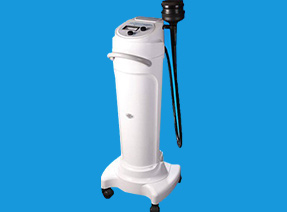
The Vibeassage Sport and the Vibeassage Pro featuring the TDX3 soft-as-the-hand Biomimetic Applicator Pad
https://www.teamdoctors.com/
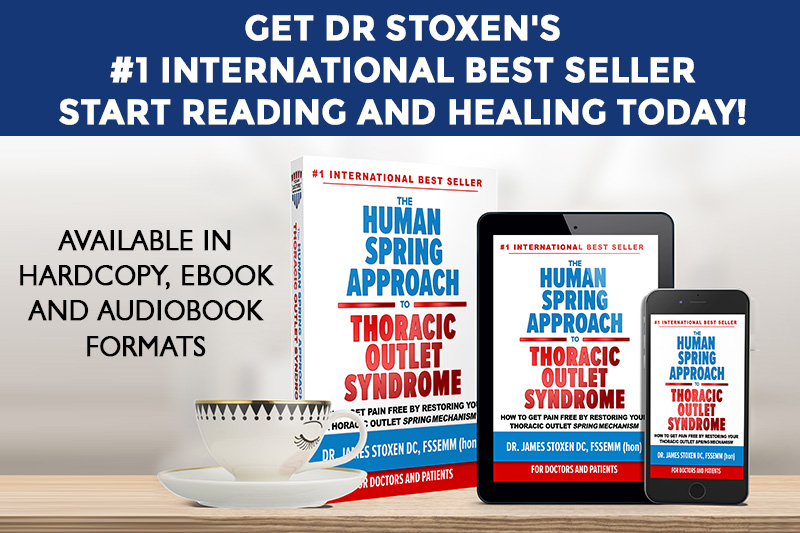
✓ Get Dr. Stoxen’s #1 International Bestselling Books
Learn how to understand, examine, and reverse your TOS—without surgery.
https://drstoxen.com/1-international-best-selling-author/
✓ Check out Team Doctors Online Courses
Step-by-step video lessons, demonstrations, and self-treatment strategies.
https://teamdoctorsacademy.com/
✓ Schedule a Free Phone Consultation With Dr. Stoxen
Speak directly with him so he can review your case and guide you on your next steps.
https://drstoxen.com/appointment/
#ThoracicOutletSyndrome #TOS #ArmNumbness #ShoulderPain #NerveCompression #PostureMatters #UpperExtremity #ChronicPainEducation #Biomechanics #MovementHealth #NeckPain #HandTingling #ClinicalObservation #ConservativeCare #RehabEducation #SoftTissue #VascularSymptoms #NeurologicalSymptoms #PatientEducation #TeamDoctors

Dr James Stoxen DC., FSSEMM (hon) He is the president of Team Doctors®, Treatment and Training Center Chicago, one of the most recognized treatment centers in the world.
Dr Stoxen is a #1 International Bestselling Author of the book, The Human Spring Approach to Thoracic Outlet Syndrome. He has lectured at more than 20 medical conferences on his Human Spring Approach to Thoracic Outlet Syndrome and asked to publish his research on this approach to treating thoracic outlet syndrome in over 30 peer review medical journals.
He has been asked to submit his other research on the human spring approach to treatment, training and prevention in over 150 peer review medical journals. He serves as the Editor-in-Chief, Journal of Orthopedic Science and Research, Executive Editor or the Journal of Trauma and Acute Care, Chief Editor, Advances in Orthopedics and Sports Medicine Journal and editorial board for over 35 peer review medical journals.
He is a much sought-after speaker. He has given over 1000 live presentations and lectured at over 70 medical conferences to over 50,000 doctors in more than 20 countries. He has been invited to speak at over 300 medical conferences which includes invitations as the keynote speaker at over 50 medical conferences.
After his groundbreaking lecture on the Integrated Spring-Mass Model at the World Congress of Sports and Exercise Medicine he was presented with an Honorary Fellowship Award by a member of the royal family, the Sultan of Pahang, for his distinguished research and contributions to the advancement of Sports and Exercise Medicine on an International level. He was inducted into the National Fitness Hall of Fame in 2008 and the Personal Trainers Hall of Fame in 2012.
Dr Stoxen has a big reputation in the entertainment industry working as a doctor for over 150 tours of elite entertainers, caring for over 1000 top celebrity entertainers and their handlers. Anthony Field or the popular children’s entertainment group, The Wiggles, wrote a book, How I Got My Wiggle Back detailing his struggles with chronic pain and clinical depression he struggled with for years. Dr Stoxen is proud to be able to assist him.
Full Bio) Dr Stoxen can be reached directly at teamdoctors@aol.com