Many patients come to our office after a frightening experience that began with sudden chest discomfort.
They describe pressure, heaviness, or tightness that immediately made them think something was wrong with their heart.
Often, this sensation is paired with pain traveling down one arm.
For many individuals, this combination triggers panic and an emergency room visit.
In my clinical experience, these symptoms are frequently linked to thoracic outlet syndrome rather than a cardiac event.
Understanding why this happens requires a clear look at anatomy and biomechanics.
Thoracic Outlet Syndrome, often shortened to TOS, involves compression within a narrow passageway between the neck and shoulder.
This space allows nerves and blood vessels to travel from the spine into the arm.
The primary nerve structure passing through this area is the brachial plexus.
These nerves control sensation and movement in the shoulder, arm, and hand.
When these nerves are compressed, pain signals can travel far from the original source.
Patients often report symptoms in the chest, shoulder, arm, and even the hand.
This is why muscle spasms in neck tissues can create sensations that feel deep and alarming.
Neck muscles play a direct role in shaping the thoracic outlet space.
One of the most important muscle groups involved is the scalene muscles.
These muscles attach from the cervical spine to the first and second ribs.
When individuals develop tight scalene muscles, the ribs can be pulled upward.
This elevation narrows the space where nerves and vessels pass.
The scalene muscles are small but powerful stabilizers of the neck.
Chronic tension in these muscles can persist without obvious injury.
The anterior scalene muscle sits directly in front of the brachial plexus.
When it shortens or stiffens, nerve irritation becomes more likely.
Patients with anterior scalene syndrome symptoms often describe neck pain combined with arm numbness.
Chest pressure may appear at the same time.
Many individuals describe tight scalene muscles symptoms as burning, aching, or crushing sensations.
These feelings can intensify with stress or poor posture.
Another key structure involved is the pectoralis minor muscle.
This muscle runs from the front of the shoulder to the rib cage.
When shortened, it can compress nerves beneath the collarbone.
This contributes to pectoralis minor syndrome patterns seen in TOS.
Pain beneath the collarbone is often reported as muscle under clavicle pain.
This location closely overlaps areas associated with cardiac discomfort.
Because of this overlap, the brain may interpret the sensation as heart-related.
This explains why emergency evaluations are so common.
The subclavius muscle also plays a supporting role in this region.
It stabilizes the clavicle and influences space beneath it.
Tension in this muscle can add to pressure on underlying structures.
Combined effects from multiple muscles create complex symptom patterns.
The chest wall itself contains several thoracic muscles that respond to stress.
Protective guarding in these tissues can amplify pain perception.
In some individuals, this leads to thoracic myalgia, or muscle-based chest pain.
This pain can feel deep, tight, and difficult to localize.
When nerve compression is involved, sensations may radiate.
This is why arm pain often accompanies chest discomfort in TOS.
From a mechanical perspective, elevated ribs alter thoracic alignment.
This changes how forces are distributed through the shoulder girdle.
Abnormal loading can increase tension across sensitive tissues.
Nerves respond quickly to even small changes in pressure.
This pattern explains why symptoms can appear suddenly.
It also explains why imaging studies may appear normal.
Thoracic Outlet Syndrome is often diagnosed through clinical examination.
Imaging is used to rule out other causes rather than confirm TOS directly.
Patients often ask why the pain feels so intense.
Nerves are highly sensitive and amplify signals when irritated.
When the brachial plexus is involved, the brain receives confusing input.
This can mimic the alarm signals associated with heart conditions.
That is why ruling out cardiac causes is always essential.
Once cleared, attention can shift to musculoskeletal contributors.
Many individuals seek conservative approaches for symptom management.
These approaches focus on reducing tension and improving movement.
Some patients explore massage therapy to address muscle tightness.
This approach aims to influence soft tissue tone.
Others consider physical therapy for postural retraining.
Movement education can help reduce repetitive strain.
Manual care options such as chiropractic treatment are also explored.
These approaches focus on joint mobility and alignment.
Some individuals report benefits from acupuncture.
This modality is often used to address pain perception.
When discussing exercises, education remains the focus.
Movement strategies aim to reduce strain on sensitive tissues.
Patients often search for thoracic outlet syndrome exercises online.
These programs emphasize gentle range-of-motion activities.
There is also interest in exercises for thoracic outlet syndrome that focus on posture.
Scapular stability is commonly addressed.
Clinicians may discuss thoracic outlet syndrome physical therapy programs.
These emphasize gradual, controlled movements.
Soft tissue techniques such as thoracic outlet syndrome massage are frequently discussed.
The goal is to influence muscle tone rather than force change.
Some individuals explore thoracic outlet physical therapy resources independently.
Education is key to avoiding symptom flare-ups.
Searches for thoracic outlet syndrome massage treatment reflect the desire for relief.
Understanding anatomy helps guide safe choices.
Specialized techniques like myofascial release for thoracic outlet syndrome are often mentioned.
These focus on fascial mobility and awareness.
Many patients request printable guides such as exercises for thoracic outlet syndrome pdf.
Clear instructions are essential for safety.
Others ask about exercises to relieve thoracic outlet syndrome symptoms.
These typically emphasize slow, controlled movements.
Interest in chiropractic for thoracic outlet syndrome reflects a desire for noninvasive care.
Education remains central to decision-making.
Similarly, acupuncture for thoracic outlet syndrome is often explored.
Patients often report changes in pain perception.
Short search phrases like TOS exercises highlight common concerns.
Patients seek clarity and reassurance.
Structured programs such as TOS Physical Therapy are widely discussed.
Consistency and guidance are emphasized.
Some individuals explore TOS self treatment strategies.
Education helps minimize risk.
Stretching programs labeled TOS stretches are commonly shared.
Gentle execution is essential.
More detailed routines like thoracic outlet syndrome physical therapy exercises are often reviewed with clinicians.
Individual variation is always considered.
In advanced cases, surgical terms may appear in discussions.
Procedures such as anterior scalenectomy or pectoralis minor tenotomy are referenced in medical literature.
These topics are discussed strictly for educational understanding.
They illustrate the structures involved rather than outcomes.
Understanding why Thoracic Outlet Syndrome mimics heart symptoms reduces fear.
Knowledge helps patients communicate more effectively with providers.
This condition highlights the complexity of the human nervous system.
Small spaces can have large effects.
Chest pain should always be taken seriously.
Once cardiac causes are ruled out, further evaluation can continue.
Thoracic Outlet Syndrome demonstrates how posture, muscle tone, and nerve sensitivity interact.
Education remains the foundation for informed decisions.
Team Doctors Resources
✓ Check out the Team Doctors Recovery Tools
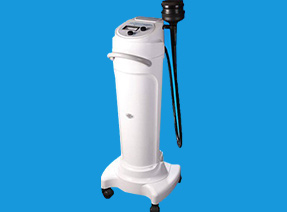
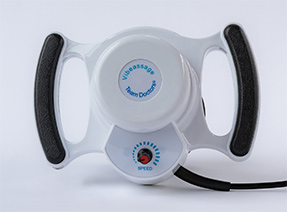
The Vibeassage Sport and the Vibeassage Pro featuring the TDX3 soft-as-the-hand Biomimetic Applicator Pad
https://www.teamdoctors.com/
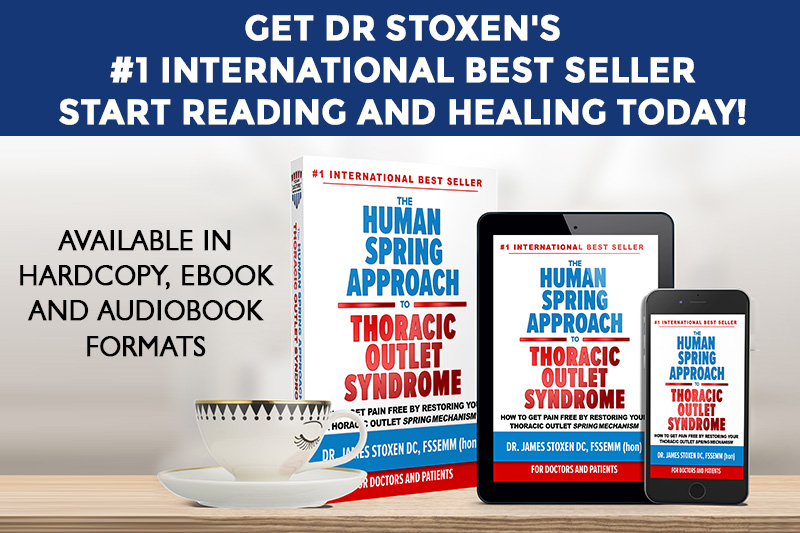
✓ Get Dr. Stoxen’s #1 International Bestselling Books
Learn how to understand, examine, and reverse your TOS—without surgery.
https://drstoxen.com/1-international-best-selling-author/
✓ Check out Team Doctors Online Courses
Step-by-step video lessons, demonstrations, and self-treatment strategies.
https://teamdoctorsacademy.com/
✓ Schedule a Free Phone Consultation With Dr. Stoxen
Speak directly with him so he can review your case and guide you on your next steps.
https://drstoxen.com/appointment/
#ThoracicOutletSyndrome #TOS #ChestPain #ArmPain #NerveCompression #BrachialPlexus #ScaleneMuscles #PectoralisMinor #PostureHealth #MusculoskeletalHealth #PainEducation #NeckPain #ShoulderPain #Biomechanics #AnatomyEducation #PhysicalTherapy #MassageTherapy #ChiropracticCare #Acupuncture #HealthAwareness
References:
- Sanders, Richard J., and Neal M. Hammond. “Thoracic Outlet Syndrome: A Review.” Neurologic Clinics 31, no. 2 (2013): 523–538. https://doi.org/10.1016/j.ncl.2013.02.006
- Povlsen, B., Hansson, T., and Povlsen, S. D. “Treatment for Thoracic Outlet Syndrome.” Cochrane Database of Systematic Reviews (2014). https://doi.org/10.1002/14651858.CD007218.pub3
- Ferrante, Marco A. “The Thoracic Outlet Syndromes.” Muscle & Nerve 45, no. 6 (2012): 780–795. https://doi.org/10.1002/mus.23354

Dr James Stoxen DC., FSSEMM (hon) He is the president of Team Doctors®, Treatment and Training Center Chicago, one of the most recognized treatment centers in the world.
Dr Stoxen is a #1 International Bestselling Author of the book, The Human Spring Approach to Thoracic Outlet Syndrome. He has lectured at more than 20 medical conferences on his Human Spring Approach to Thoracic Outlet Syndrome and asked to publish his research on this approach to treating thoracic outlet syndrome in over 30 peer review medical journals.
He has been asked to submit his other research on the human spring approach to treatment, training and prevention in over 150 peer review medical journals. He serves as the Editor-in-Chief, Journal of Orthopedic Science and Research, Executive Editor or the Journal of Trauma and Acute Care, Chief Editor, Advances in Orthopedics and Sports Medicine Journal and editorial board for over 35 peer review medical journals.
He is a much sought-after speaker. He has given over 1000 live presentations and lectured at over 70 medical conferences to over 50,000 doctors in more than 20 countries. He has been invited to speak at over 300 medical conferences which includes invitations as the keynote speaker at over 50 medical conferences.
After his groundbreaking lecture on the Integrated Spring-Mass Model at the World Congress of Sports and Exercise Medicine he was presented with an Honorary Fellowship Award by a member of the royal family, the Sultan of Pahang, for his distinguished research and contributions to the advancement of Sports and Exercise Medicine on an International level. He was inducted into the National Fitness Hall of Fame in 2008 and the Personal Trainers Hall of Fame in 2012.
Dr Stoxen has a big reputation in the entertainment industry working as a doctor for over 150 tours of elite entertainers, caring for over 1000 top celebrity entertainers and their handlers. Anthony Field or the popular children’s entertainment group, The Wiggles, wrote a book, How I Got My Wiggle Back detailing his struggles with chronic pain and clinical depression he struggled with for years. Dr Stoxen is proud to be able to assist him.
Full Bio) Dr Stoxen can be reached directly at teamdoctors@aol.com