When a Strong Body Begins to Fail
She had built her life around movement. For more than a decade, her identity was inseparable from physical strength, control, and resilience. As a personal trainer, she lived inside her body every day—observing it, testing it, refining it. Pain was not foreign to her. Muscle soreness, fatigue, and strain were familiar companions in an active life. But what began to unfold in her early forties was different. This pain did not behave like anything she had known before.
It started quietly, almost politely. A dull ache appeared at the top of her shoulder after long training days. At first, it seemed harmless, the kind of discomfort any professional athlete or trainer learns to manage. She adjusted her workload. She modified exercises. She assumed rest would resolve it. Instead, the pain stayed. Then it spread.
Over weeks, the discomfort deepened and crept down her arm. What had once been localized became diffuse. The ache transformed into a heavy, burning sensation that wrapped through her upper arm and into her forearm. At times, her hand felt weak and clumsy. At other times, it tingled or went numb entirely. These were not random sensations. They followed a pattern, though no one seemed able to explain it.
As someone trained in anatomy and movement, she recognized that something was fundamentally wrong. This was not simple overuse. It did not behave like tendonitis. Stretching did not help. Strengthening made it worse. Exercise, once her solution, became her trigger. Push-ups caused sharp pain that shot down her arm. Lifting weights produced deep pressure in her forearm. Swimming aggravated her shoulder. Even yoga, usually gentle and restorative, left her arm fatigued and aching.
She began experiencing what many athletes later learn is arm pain after exercise, but hers was escalating into something far more serious. During workouts, her arm felt tight, swollen, and heavy. The muscles of her forearm—both the forearm flexors and forearm extensors—ached deeply, as though trapped inside a rigid sleeve. She noticed that gripping movements made the pain worse, and repetitive activity caused her arm to fatigue far faster than before.
What frightened her most was the loss of control. She struggled to hold onto her phone. Simple daily tasks felt exhausting. Lifting a five-pound weight became nearly impossible. The strength she had spent years building was disappearing, and no amount of effort could stop it.
Normal Scans, Abnormal Pain
When she sought medical help, she expected answers. What she encountered instead was a maze of uncertainty. Her general practitioner ordered imaging. MRIs came back normal. X-rays showed no obvious abnormalities. Blood tests were unremarkable. Each appointment ended with reassurance, but no explanation.
She heard the same phrases repeatedly: “Your scans look fine.”
“There’s nothing structurally wrong.”
“You should rest.”
Yet the pain continued to worsen. This was the beginning of her descent into the world of why MRI is normal but pain persists. She could feel her body failing, yet every test suggested she was healthy. It was a contradiction that left her doubting herself, even as her symptoms intensified.
The nerve pain became more pronounced. It radiated into her fingers, especially the thumb and middle digits. Her arm felt cold at times, then swollen at others. She experienced what many patients describe as nerve pain but MRI normal, a phenomenon that traditional imaging struggles to capture. The disconnect between her lived experience and her test results was profound.
Doctors began offering conflicting explanations. One suggested a pinched nerve in her neck. Another mentioned possible carpal tunnel syndrome, though her symptoms did not fit neatly. A surgeon eventually dismissed the entire picture as tennis elbow. The more opinions she gathered, the more confused she became. She was living inside a textbook example of confusing arm pain diagnosis.
Exercise Becomes the Enemy
As her condition progressed, exercise no longer offered relief—it caused harm. Any form of resistance training worsened her symptoms. She experienced shoulder pain after lifting weights, followed by prolonged weakness and numbness. During workouts, her arm would quickly fatigue, a classic sign of compromised circulation or nerve conduction. She began noticing arm numbness during exercise, especially during overhead movements.
This was devastating. Her livelihood depended on her physical capability. Without her strength, she could not work. Without work, her independence and identity were at risk. She feared she was watching her life shrink in real time.
The pressure sensation in her forearm intensified. It felt as though the muscles were swelling against an unyielding boundary. She began researching on her own, desperate for understanding. That was when she first encountered the term compartment syndrome.
The First Glimpse of a Hidden Cause
She learned that compartment syndrome of the forearm occurs when pressure builds within the enclosed muscle compartments, restricting blood flow and compressing nerves. Symptoms include severe pain, tightness, weakness, and numbness—particularly during activity. As she read about compartment syndrome signs and symptoms, she felt an unsettling recognition.
Her symptoms matched descriptions of chronic exertional compartment syndrome, a condition often seen in athletes whose muscles swell during exercise but lack the space to expand. Unlike acute compartment syndrome, which is a medical emergency, the chronic form develops slowly and is frequently overlooked. Many patients are told their pain is imaginary or unexplained.
She recognized herself in these stories. The tightness. The pressure. The way activity made everything worse. The way rest provided only partial relief. It explained why her muscular forearm felt rigid and painful during workouts, and why her strength vanished so quickly.
But compartment syndrome alone did not explain everything. Her shoulder pain, neck involvement, and vascular symptoms pointed to something higher up the chain.
The Emergence of Thoracic Outlet Syndrome
Eventually, a new term surfaced in her search: Thoracic Outlet Syndrome. As she read more, the picture sharpened. Thoracic Outlet Syndrome involves compression of nerves and blood vessels as they pass from the neck into the arm. It can cause pain, numbness, weakness, swelling, and vascular symptoms—often without abnormal imaging.
She learned about comparisons such as thoracic outlet vs pinched nerve, thoracic outlet vs carpal tunnel, and thoracic outlet vs cervical radiculopathy. Each comparison explained why her symptoms did not fit neatly into any single diagnosis. Thoracic Outlet Syndrome could affect the entire arm, from shoulder to fingertips, and could worsen with repetitive or overhead activity.
For the first time, her experience made sense. She was not imagining her pain. She was not weak. She was dealing with a complex compression problem involving both the thoracic outlet and the forearm compartments.
Still, understanding the problem did not mean she had a solution.
When Doctors Disagree and the Pain Accelerates
As months passed, the pain no longer fluctuated — it escalated. What had once been triggered only by training now appeared during daily life. Holding a steering wheel caused deep aching. Carrying groceries sent burning sensations through her arm. Even resting positions failed to bring relief. Her symptoms crossed a threshold into what many patients later describe as performance-limiting arm pain.
She returned to the medical system, hoping that worsening symptoms would finally clarify the diagnosis. Instead, the opposite occurred. Each specialist interpreted her pain through a different lens. Neurology debated whether her symptoms were neurological or muscular. Orthopedics questioned whether the pain originated in the shoulder or the neck. Vascular testing was incomplete and inconclusive.
This was the heart of her frustration: why doctors disagree on arm pain. One physician suggested cervical radiculopathy. Another argued it could not be neurological because imaging was normal. A third dismissed vascular involvement entirely. She found herself asking the same questions repeatedly: Is my arm pain neurological or vascular? Is this a pinched nerve or TOS?
No one could give her a unified answer.
Her symptoms worsened with repetitive activity, pointing toward exercise-induced arm numbness and repetitive overhead sports pain, even though she was no longer training aggressively. The arm felt heavy and swollen during use, then weak afterward. At times, her fingers lost coordination entirely. These were not subtle changes — they were life-altering.
She began experiencing arm numbness from neck or shoulder, depending on posture and activity. Overhead movements were particularly provocative, consistent with overhead athlete shoulder pain, even though she was no longer competing or training intensely. Her body behaved like that of an injured athlete trapped in an endless season.
Surgery Offered, but No Real Answers
Eventually, surgery entered the conversation. One physician explained that chronic compression often requires surgical release. Another mentioned compartment syndrome surgery as a potential solution for her forearm pain. She was told about fasciotomy procedures, long recovery timelines, and uncertain outcomes.
As she researched further, she encountered stories of patients after compartment syndrome surgery who experienced incomplete relief or new complications. She learned that before and after compartment syndrome surgery comparisons were far from predictable. Some patients improved. Others worsened. Many were left with scars, weakness, and lingering pain.
The thoracic outlet recommendations were even more alarming. Surgeons described removing portions of muscle, sometimes part of a rib, in an attempt to decompress the outlet. When she asked how many muscles contributed to thoracic outlet compression, she was surprised to learn that surgery addressed only a small portion of the problem.
She began to understand that surgery focused on removal, not restoration. It treated compression by cutting tissue away, not by resolving the underlying biomechanical dysfunction. The more she learned, the clearer her decision became.
She did not want surgery.
She did not want a compartment syndrome operation.
She did not want thoracic outlet surgery.
She did not want a future defined by disability, scar tissue, and uncertainty.
What she wanted was compartment syndrome relief without losing parts of her body.
Discovering the Human Spring Approach
Her turning point came when she encountered Dr. James Stoxen and the Human Spring Approach. From the very first consultation, the framework felt different. Instead of isolating structures, Dr. Stoxen explained the body as an integrated spring system — a system designed to absorb force, distribute load, and maintain space for nerves and blood vessels.
He explained that chronic compression syndromes often emerge when muscles lose their elastic spring behavior and become chronically contracted. This sustained contraction increases internal pressure, restricts circulation, and compresses nerves — all without tearing tissue or damaging joints. It was a model that finally explained why tests don’t show my pain.
In her case, Dr. Stoxen identified overlapping patterns of chronic exertional compartment syndrome in the forearm and severe thoracic outlet compression proximally. The two conditions were feeding each other. Reduced circulation from the thoracic outlet increased forearm congestion. Forearm compartment pressure worsened nerve symptoms distally. It was a closed loop of dysfunction.
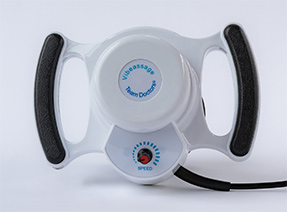
Instead of recommending surgery, Dr. Stoxen outlined a comprehensive compartment syndrome therapy strategy focused on restoring spring compliance. Treatment included vibration-assisted soft tissue work, deep decompression techniques, and progressive restoration of joint and muscle elasticity. The goal was not to remove tissue, but to restore function.
This approach aligned perfectly with her instincts. It respected her body. It honored her decision to avoid surgery. And for the first time, it offered a coherent explanation for everything she was experiencing.
Recovery Without Surgery and a Life Reclaimed
The treatment process was intense, but logical. Sessions focused on reducing inflammation, improving circulation, and gradually restoring normal tissue behavior. As pressure within the forearm compartments decreased, pain began to subside. Sensation returned to her fingers. Strength slowly followed.
Perhaps most striking was the return of warmth to her arm — a clear sign that circulation was improving. Tasks that had once felt impossible became manageable again. She could grip objects. She could lift light weights. She could sleep without pain.
Weeks later, she resumed gentle training. This time, exercise no longer triggered collapse. Instead of arm pain after workout, she experienced healthy fatigue. Instead of gym-related shoulder pain, she felt controlled soreness that resolved normally. Her body was behaving like a spring again.
What had once been severe compartment syndrome and disabling thoracic outlet compression was now a manageable, reversible condition. She did not undergo surgery. She did not lose muscle. She did not sacrifice her career.
Her story stands as a message to others trapped in diagnostic confusion — those living with normal tests but arm pain, nerve pain no clear diagnosis, and doctor says nothing is wrong arm pain. It is proof that pain does not have to be visible on scans to be real, and that healing does not always require cutting.
Through the Human Spring Approach and the expertise of Dr. James Stoxen, she reclaimed her body, her work, and her life — without surgery.
Understanding What Was Really Happening Inside Her Arm
As her symptoms improved, she finally had the mental clarity to understand what had happened to her body. For months, her arm had been caught in a silent battle between pressure, circulation, and nerve function. The reason no single doctor could explain her condition was because it was never just one problem.
Her forearm pain was not isolated tendon inflammation. It was not simply overuse. It was a form of chronic compartment syndrome, driven by prolonged muscle contraction, inflammation, and impaired venous return. During activity, the pressure inside the compartments of her forearm rose faster than her tissues could adapt. This pressure compressed nerves and blood vessels, producing pain, numbness, and weakness. The fact that her symptoms worsened with use and eased only partially with rest aligned perfectly with chronic exertional compartment syndrome.
At the same time, compression higher up the chain made everything worse. The thoracic outlet — the narrow passageway between the neck and shoulder — had become compromised. Tight muscles, altered posture, and chronic guarding reduced space for nerves and blood vessels. This explained why she experienced vascular symptoms such as coldness, swelling, and heaviness, alongside neurological symptoms like tingling and weakness.
This dual compression pattern clarified why she had experienced arm pain multiple diagnoses and why no single test could capture the full picture. Standard imaging is designed to detect structural damage, not dynamic compression. Her pain lived in motion, pressure, and physiology — not static images.
Why Surgery Was Never the Real Answer for Her
Looking back, she understood why surgery had been offered so quickly. Surgical models are designed for structural problems: torn tissue, bone abnormalities, space-occupying lesions. But her condition was functional. Her muscles were not torn; they were overcontracted. Her nerves were not severed; they were compressed. Her blood vessels were not blocked; they were narrowed dynamically.
A compartment syndrome cure based on surgery would have addressed pressure by cutting fascia, but it would not have restored normal muscle behavior. Similarly, thoracic outlet surgery might have removed one or two muscles, but it would not have addressed the remaining contributors to compression.
She realized that many patients undergo compartment syndrome surgery or thoracic outlet surgery because they are told there is no alternative. Few are informed about long recovery times, incomplete relief, or the possibility of persistent symptoms after compartment syndrome surgery. Even fewer are offered a comprehensive non-surgical plan.
Her decision to avoid surgery was not fear-based; it was informed. She understood that her body needed decompression, not destruction. She needed restoration of movement, circulation, and spring function — not removal of tissue.
Relearning Movement Without Fear
One of the most difficult parts of recovery was psychological. For months, movement had been associated with pain and collapse. Exercise had become something to fear. Every sensation raised anxiety. Every ache triggered doubt.
Dr. Stoxen emphasized that restoring confidence in movement was as important as restoring tissue function. The Human Spring Approach treated the body as a dynamic system — one that adapts when given the right conditions. As inflammation decreased and circulation improved, she was gradually reintroduced to movement in a controlled, intelligent way.
She learned to recognize the difference between healthy muscular fatigue and pathological pressure. She learned how posture affected nerve and vascular space. She learned why certain exercises had triggered symptoms before, and how to modify them safely. Over time, her body responded.
The symptoms that once defined her days — exercise-related nerve compression, arm fatigue during workouts, and unpredictable numbness — no longer ruled her life. She rebuilt strength slowly, respecting recovery and tissue elasticity. Instead of collapsing under load, her body absorbed force the way it was designed to.
A New Perspective on Pain and Diagnosis
Her experience fundamentally changed how she viewed medicine. She no longer saw misdiagnosis as negligence, but as a limitation of fragmented models. Most clinicians are trained to see parts, not systems. They look for damage, not dysfunction. When tests come back normal, patients are often left without validation.
She now understood why so many people live with nerve pain no clear diagnosis and why arm pain doesn’t show on scans. Compression syndromes exist in motion, posture, and muscle behavior — not in frozen images. This insight transformed her frustration into empathy for others still searching for answers.
She began sharing her story, not as a warning, but as reassurance. Pain can be real even when tests are normal. Strength can disappear without visible injury. And recovery is possible without surgery when the right model is applied.
Life After Pain
Today, she moves freely again. She works. She trains. She lives without the constant fear that once shadowed every movement. The pain that nearly ended her career no longer controls her decisions.
Her journey through severe arm pain, compartment pressure, and thoracic outlet compression taught her that the body is not a collection of fragile parts. It is a resilient, adaptive system — one that responds when compression is relieved and function is restored.
Through the Human Spring Approach and the expertise of Dr. James Stoxen, she found not just relief, but understanding. She avoided surgery. She avoided disability. And she reclaimed her life.
Team Doctors Resources
✓ Check out the Team Doctors Recovery Tools
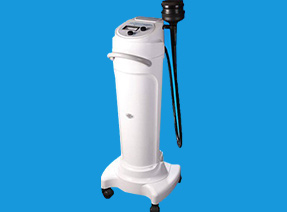
The Vibeassage Sport and the Vibeassage Pro featuring the TDX3 soft-as-the-hand Biomimetic Applicator Pad
https://www.teamdoctors.com/
✓ Get Dr. Stoxen’s #1 International Bestselling Books
Learn how to understand, examine, and reverse your TOS—without surgery.
https://drstoxen.com/1-international-best-selling-author/
✓ Check out Team Doctors Online Courses
Step-by-step video lessons, demonstrations, and self-treatment strategies.
https://teamdoctorsacademy.com/
✓ Schedule a Free Phone Consultation With Dr. Stoxen
Speak directly with him so he can review your case and guide you on your next steps.
https://drstoxen.com/appointment/
#ThoracicOutletSyndrome #TOS #TOSDiagnosis #NeurogenicTOS #MuscleGuarding #RibDysfunction #Misdiagnosis #HandsOnCare #ClinicalExamination #Biomechanics #NerveCompression #PectoralisMinor #ThoracicOutletCompression #PatientStories #MedicalEducation #MovementBasedCare #TOSAwareness #DeepTissue #EarlyTreatment #TeamDoctors #ThoracicOutletSyndrome #TOSAwareness #TOSPain #ChronicPainJourney #NerveCompression #ArmPain #ShoulderPain #RareDiseaseAwareness #InvisibleIllness #ChronicPainLif
Medical Disclaimer
This article is provided for educational and informational purposes only. It is not intended to diagnose, treat, cure, or prevent any disease, nor is it intended to replace professional medical advice, diagnosis, or treatment.
Thoracic outlet syndrome and related nerve, vascular, and musculoskeletal conditions can present differently in each individual. Treatment decisions—including surgical and non-surgical options—must be made on a case-by-case basis in consultation with a qualified, licensed healthcare professional who is familiar with the patient’s complete medical history.
The experiences described in this article reflect individual outcomes and do not guarantee similar results for others. Surgical procedures, including thoracic outlet surgery and first rib resection, carry inherent risks, and outcomes vary based on many factors including diagnosis, timing, practitioner experience, and patient-specific anatomy and physiology.
Readers should not delay or discontinue medical care based on information contained in this article. Always seek the guidance of a qualified healthcare provider with any questions regarding symptoms, conditions, or treatment options.
Editor’s Note
This article explores a patient and family experience following thoracic outlet syndrome surgery and highlights the importance of comprehensive evaluation, informed decision-making, and second opinions when managing complex pain conditions.
The article also references the Human Spring Approach, a biomechanical evaluation and treatment framework developed by Dr James Stoxen, which emphasizes understanding the body as an integrated, dynamic spring system rather than a collection of isolated anatomical structures. The inclusion of this approach is intended to illustrate an alternative clinical perspective, not to discredit surgery or any specific medical specialty.
Mention of specific clinicians, evaluation models, or treatment philosophies does not constitute endorsement, medical advice, or a claim of superiority. Rather, it reflects the editorial goal of encouraging patients and families to seek clarity, explanation, and individualized assessment before pursuing irreversible interventions.
The editorial position of this publication is that understanding should precede intervention, especially in conditions where symptoms persist, worsen, or fail to respond to standard care.

Dr James Stoxen DC., FSSEMM (hon) He is the president of Team Doctors®, Treatment and Training Center Chicago, one of the most recognized treatment centers in the world.
Dr Stoxen is a #1 International Bestselling Author of the book, The Human Spring Approach to Thoracic Outlet Syndrome. He has lectured at more than 20 medical conferences on his Human Spring Approach to Thoracic Outlet Syndrome and asked to publish his research on this approach to treating thoracic outlet syndrome in over 30 peer review medical journals.
He has been asked to submit his other research on the human spring approach to treatment, training and prevention in over 150 peer review medical journals. He serves as the Editor-in-Chief, Journal of Orthopedic Science and Research, Executive Editor or the Journal of Trauma and Acute Care, Chief Editor, Advances in Orthopedics and Sports Medicine Journal and editorial board for over 35 peer review medical journals.
He is a much sought-after speaker. He has given over 1000 live presentations and lectured at over 70 medical conferences to over 50,000 doctors in more than 20 countries. He has been invited to speak at over 300 medical conferences which includes invitations as the keynote speaker at over 50 medical conferences.
After his groundbreaking lecture on the Integrated Spring-Mass Model at the World Congress of Sports and Exercise Medicine he was presented with an Honorary Fellowship Award by a member of the royal family, the Sultan of Pahang, for his distinguished research and contributions to the advancement of Sports and Exercise Medicine on an International level. He was inducted into the National Fitness Hall of Fame in 2008 and the Personal Trainers Hall of Fame in 2012.
Dr Stoxen has a big reputation in the entertainment industry working as a doctor for over 150 tours of elite entertainers, caring for over 1000 top celebrity entertainers and their handlers. Anthony Field or the popular children’s entertainment group, The Wiggles, wrote a book, How I Got My Wiggle Back detailing his struggles with chronic pain and clinical depression he struggled with for years. Dr Stoxen is proud to be able to assist him.
Full Bio) Dr Stoxen can be reached directly at teamdoctors@aol.com