Thoracic Outlet Syndrome is often misunderstood because symptoms rarely stay in one place. Many individuals describe pain that begins in the neck, travels through the shoulder, and continues into the arm and hand. This pattern reflects the anatomy of the nerves rather than a single injured structure.
In my clinical experience, understanding nerve compression in shoulder conditions begins with understanding where the nerves originate. The nerves supplying the upper extremity arise from the lower cervical and upper thoracic spine, most commonly C5 through T1. These nerve roots exit the spinal column through the neck and immediately begin forming a unified network.
Patients often report nerve compression in neck and arm sensations without realizing that these nerves merge together to form the brachial plexus. This bundled structure allows the nervous system to distribute signals efficiently but also creates vulnerability when space becomes limited.
As the nerves leave the neck, they pass between the anterior and middle scalene muscles. This region, known as the scalene triangle, is a frequent location associated with brachial plexus compression symptoms. Muscle tension, postural strain, or repetitive loading can reduce space within this triangle.
Many individuals describe a pinched nerve shoulder and arm feeling when this space becomes restricted. From the scalene triangle, the nerve bundle travels over the first rib and near the second rib, where elevation or stiffness of the rib cage can further influence nerve tension.
The nerves then continue beneath the collarbone. This subclavicular passage is another area commonly associated with arm nerve entrapment, particularly when shoulder position alters the relationship between bone, muscle, and soft tissue.
Below the collarbone, the nerves pass under the pectoralis minor muscle, which attaches to the coracoid process of the scapula. Shoulder rounding or sustained forward posture may contribute to shoulder nerve entrapment patterns in this region.
Many individuals describe neck nerve pain radiating to arm when overhead activities place additional tension on the brachial plexus. Raising the arms narrows several of these anatomical tunnels simultaneously.
This explains why people experience nerve pain when lifting arms, even when imaging of the shoulder joint appears normal. The issue may not be the joint itself but the nerve pathway traveling through it.
As the nerve bundle enters the arm, it divides into branches that serve the upper extremity. At this stage, symptoms such as numb fingers from nerve compression or burning nerve pain shoulder may begin to appear.
Compression patterns may continue farther down the arm. At the elbow, narrowing of the cubital tunnel can affect the ulnar nerve, contributing to compressed nerves in shoulder complaints that seem unrelated to the elbow itself.
Patients often report brachial plexus nerve pain that changes location throughout the day. This variability reflects tension along a continuous nerve pathway rather than damage at a single site.
In the forearm, the median nerve may become restricted beneath the pronator muscles. This contributes to arm nerve pain from neck sensations that are mistakenly attributed only to cervical spine issues.
Farther along the pathway, symptoms such as tingling from nerve compression or nerve compression symptoms arm may arise at the wrist or hand.
The carpal tunnel, Guyon’s canal, and muscular tunnels of the hand are all potential sites where nerve mobility can be reduced. These downstream sites interact with proximal compression rather than existing in isolation.
This layered process explains nerve impingement shoulder patterns that do not respond when only one area is addressed. The nervous system functions as a continuous structure from spine to fingertips.
Patients may experience nerve pain in upper extremity regions that shift with posture, activity, or fatigue. This dynamic nature is a hallmark of multi-level nerve involvement.
Sustained shoulder elevation or prolonged sitting posture can increase shoulder nerve irritation by altering rib position and muscular tone.
Over time, unresolved compression may contribute to chronic nerve compression damage, affecting sensory clarity and motor control.
Many individuals notice nerve pain with overhead movement during tasks such as reaching, lifting, or grooming. These actions reduce available space along the thoracic outlet.
Postural strain plays a significant role in nerve pain from posture, especially when head-forward alignment increases tension on cervical nerve roots.
When compression occurs at multiple points, people may describe entrapped nerve arm pain that feels diffuse rather than pinpointed.
Weakness may develop alongside pain, leading to nerve pain arm weakness complaints during gripping or sustained use.
Sensory changes such as nerve compression and numbness may fluctuate depending on arm position and muscle activation.
Patients frequently report nerve compression causing pain without visible injury, which can be frustrating and confusing.
A thorough examination is essential for accurate arm nerve pain diagnosis. This includes assessing posture, movement patterns, and nerve tension rather than relying on imaging alone.
Clinical evaluations may include EMG studies and Nerve conduction studies to assess nerve signaling integrity, though these tests do not always capture positional compression.
Orthopedic and vascular screening tools such as Adson’s test, Roos test, Wright’s test, and Allen test help assess changes in symptoms with arm positioning.
The EAST (Elevated Arm Stress Test) and EAST (3-minute Elevated Arm Stress Test) are commonly used to reproduce symptoms associated with sustained elevation.
Neurodynamic assessments such as the Upper Limb Tension Test evaluate nerve mobility throughout the arm.
Cervical contribution is often assessed with the Cervical rotation lateral flexion test, which helps determine whether nerve tension originates in the neck.
Many individuals search for nerve compression relief strategies without understanding the complexity of the nerve pathway.
Educational approaches emphasize nerve decompression without surgery by addressing posture, movement patterns, and load distribution.
Long-standing symptoms often involve chronic nerve irritation shoulder patterns that require patience and consistent reassessment.
Recovery varies, but nerve compression recovery is influenced by how well contributing mechanical factors are identified and modified.
Understanding Thoracic Outlet Syndrome requires appreciating that nerves travel through multiple tunnels, each capable of influencing symptoms. When only one location is considered, important contributors may be missed.
This systems-based perspective explains why symptoms can persist even when one area appears normal. It also clarifies why careful examination across the entire pathway is essential.
By viewing the upper extremity nerves as a continuous structure influenced by posture, movement, and tissue tension, the complexity of Thoracic Outlet Syndrome becomes clearer and more logical.
Team Doctors Resources
✓ Check out the Team Doctors Recovery Tools
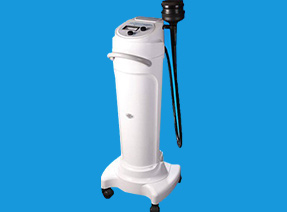
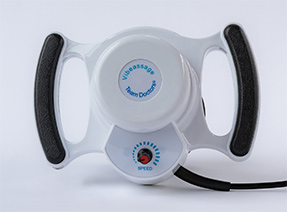
The Vibeassage Sport and the Vibeassage Pro featuring the TDX3 soft-as-the-hand Biomimetic Applicator Pad
https://www.teamdoctors.com/
✓ Get Dr. Stoxen’s #1 International Bestselling Books
Learn how to understand, examine, and reverse your TOS—without surgery.
https://drstoxen.com/1-international-best-selling-author/
✓ Check out Team Doctors Online Courses
Step-by-step video lessons, demonstrations, and self-treatment strategies.
https://teamdoctorsacademy.com/
✓ Schedule a Free Phone Consultation With Dr. Stoxen
Speak directly with him so he can review your case and guide you on your next steps.
https://drstoxen.com/appointment/
#ThoracicOutletSyndrome #TOS #NerveCompression #BrachialPlexus #ArmPain #NeckPain #ShoulderPain #NerveEntrapment #UpperExtremityPain #PostureMatters #NerveIrritation #ChronicPain #OrthopedicExam #Neurodynamics #EMG #NerveStudies #ScaleneTriangle #PectoralisMinor #CubitalTunnel #CarpalTunnel
References:
- Sanders, R. J., & Hammond, S. L. “Thoracic outlet syndrome: A review.” Neurologic Clinics 26, no. 2 (2008): 551–566. https://doi.org/10.1016/j.ncl.2008.03.007
- Povlsen, B., Hansson, T., & Povlsen, S. D. “Treatment for thoracic outlet syndrome.” Cochrane Database of Systematic Reviews (2014). https://doi.org/10.1002/14651858.CD007218.pub3
- Wilbourn, A. J. “Thoracic outlet syndrome is overdiagnosed.” Muscle & Nerve 19, no. 7 (1996): 865–867. https://doi.org/10.1002/(SICI)1097-4598(199607)19:7<865::AID-MUS1>3.0.CO;2-J

Dr James Stoxen DC., FSSEMM (hon) He is the president of Team Doctors®, Treatment and Training Center Chicago, one of the most recognized treatment centers in the world.
Dr Stoxen is a #1 International Bestselling Author of the book, The Human Spring Approach to Thoracic Outlet Syndrome. He has lectured at more than 20 medical conferences on his Human Spring Approach to Thoracic Outlet Syndrome and asked to publish his research on this approach to treating thoracic outlet syndrome in over 30 peer review medical journals.
He has been asked to submit his other research on the human spring approach to treatment, training and prevention in over 150 peer review medical journals. He serves as the Editor-in-Chief, Journal of Orthopedic Science and Research, Executive Editor or the Journal of Trauma and Acute Care, Chief Editor, Advances in Orthopedics and Sports Medicine Journal and editorial board for over 35 peer review medical journals.
He is a much sought-after speaker. He has given over 1000 live presentations and lectured at over 70 medical conferences to over 50,000 doctors in more than 20 countries. He has been invited to speak at over 300 medical conferences which includes invitations as the keynote speaker at over 50 medical conferences.
After his groundbreaking lecture on the Integrated Spring-Mass Model at the World Congress of Sports and Exercise Medicine he was presented with an Honorary Fellowship Award by a member of the royal family, the Sultan of Pahang, for his distinguished research and contributions to the advancement of Sports and Exercise Medicine on an International level. He was inducted into the National Fitness Hall of Fame in 2008 and the Personal Trainers Hall of Fame in 2012.
Dr Stoxen has a big reputation in the entertainment industry working as a doctor for over 150 tours of elite entertainers, caring for over 1000 top celebrity entertainers and their handlers. Anthony Field or the popular children’s entertainment group, The Wiggles, wrote a book, How I Got My Wiggle Back detailing his struggles with chronic pain and clinical depression he struggled with for years. Dr Stoxen is proud to be able to assist him.
Full Bio) Dr Stoxen can be reached directly at teamdoctors@aol.com