Many individuals describe a point where arm pain stops being occasional and becomes constant.
This is often when people begin searching for answers about severe thoracic outlet syndrome.
Thoracic Outlet Syndrome, often abbreviated as TOS, refers to a pattern of nerve or vascular compression in the space between the neck and shoulder.
In advanced cases, symptoms extend far beyond discomfort and begin affecting daily function.
Patients often report that their arm pain no longer responds to rest, position changes, or activity modification.
This is a pattern I commonly see when the condition has progressed beyond early mechanical irritation.
For some, the experience feels like when arm pain won’t stop, regardless of posture or activity level.
This can create a sense of uncertainty about what is happening inside the body.
As symptoms progress, individuals may describe disabling arm pain that interferes with work, sleep, and simple tasks.
Lifting groceries, driving, or typing may become increasingly difficult.
In my clinical experience, the thoracic outlet is a dynamic space influenced by posture, muscle tension, and movement patterns.
When these factors change over time, compression forces can increase.
Many individuals describe a loss of strength and endurance in the affected arm.
Some report can’t lift arm anymore without sharp or burning sensations.
This functional decline often leads people to search for explanations related to arm pain disability.
The concern shifts from discomfort to long-term impact on independence.
From a biomechanical perspective, prolonged compression can irritate neural tissues.
This irritation may contribute to chronic nerve compression damage over time.
Patients often ask whether ongoing compression carries a permanent nerve damage risk.
This question usually arises when symptoms persist despite multiple interventions.
In advanced stages, individuals may wonder when TOS becomes dangerous.
This reflects concern about nerve health, circulation, and loss of function.
Ignoring symptoms is common early on, especially when pain fluctuates.
However, ignoring thoracic outlet syndrome risks progression of mechanical stress and inflammation.
Some individuals eventually describe their condition as end stage thoracic outlet syndrome.
This term reflects severity, not a single diagnostic threshold.
Living day after day with symptoms can be exhausting.
Many describe the challenge of living with thoracic outlet syndrome as both physical and mental.
Pain that interferes with identity and routine often feels overwhelming.
Some individuals say their arm pain ruining my life because it limits work, hobbies, and relationships.
Shoulder involvement is common as the condition progresses.
People often report shoulder pain affecting daily life, especially with overhead or repetitive tasks.
As symptoms intensify, patients may feel they can’t use my arm without pain.
This sense of limitation can affect confidence and movement choices.
Persistent nerve irritation contributes to emotional strain.
Many individuals describe chronic nerve pain frustration after months or years of symptoms.
A common question becomes why won’t my arm heal despite multiple approaches.
This reflects misunderstanding of how mechanical compression differs from tissue injury.
Long-standing symptoms prompt searches for long term arm pain solutions.
People want clarity, not quick fixes.
When pain centers around the shoulder and neck, searches for chronic shoulder nerve pain help increase.
This often happens after physical therapy or rest fails to change symptoms.
Pain and uncertainty frequently coexist.
Some individuals report arm pain anxiety, especially when symptoms fluctuate unpredictably.
Over time, daily persistence can lead to life with constant arm pain becoming the norm.
This normalization often delays reassessment of the underlying mechanics.
As function declines, individuals may notice loss of function arm pain patterns.
Grip strength, endurance, and coordination may all change.
Fear plays a role as symptoms persist.
Many express fear of permanent arm damage when pain does not resolve.
Chronic symptoms can lead to emotional exhaustion.
This state is often described as chronic pain burnout, where coping resources feel depleted.
At this stage, people may feel desperate for arm pain relief.
The search often expands to specialists, imaging, and second opinions.
Understanding why symptoms persist requires examining anatomy and biomechanics together.
The thoracic outlet contains nerves, vessels, and soft tissues that respond to posture and movement.
Scalene muscles, pectoralis minor tension, and clavicular position all influence space within the outlet.
Changes in these structures can alter nerve glide and vascular flow.
Inflammation may increase sensitivity of neural tissues.
This does not mean damage has occurred, but sensitivity can amplify symptoms.
Imaging studies often appear inconclusive.
This can add frustration when symptoms are severe but tests seem “normal.”
Clinical examination focuses on movement, symptom reproduction, and postural patterns.
Orthopedic tests and positional assessments help identify compression tendencies.
As symptoms progress, individuals often seek providers with focused experience.
Searches for thoracic outlet syndrome specialist become common.
Many ask about finding the best doctor for thoracic outlet syndrome.
This reflects desire for understanding rather than a specific intervention.
Some search for a TOS expert near me after multiple inconclusive visits.
Geography often influences access to specialized evaluation.
Others ask who treats thoracic outlet syndrome when standard pathways feel unclear.
TOS spans neurology, vascular, and musculoskeletal domains.
Seeking a thoracic outlet syndrome second opinion is common when symptoms persist.
Different perspectives can clarify contributing factors.
Patients often want a doctor who understands thoracic outlet syndrome beyond textbook definitions.
Experience with complex presentations matters.
Finding the right evaluation may involve multidisciplinary input.
This can include movement specialists, neurologists, or vascular experts.
Understanding progression helps reduce fear.
Severe symptoms reflect mechanical stress over time, not sudden failure.
Education empowers individuals to ask better questions.
Knowing how posture, load, and tension influence symptoms changes decision-making.
Thoracic Outlet Syndrome exists on a spectrum.
Early recognition and understanding differ greatly from advanced presentations.
Learning how symptoms evolve helps contextualize frustration.
Pain persistence does not mean nothing is happening.
A clear biomechanical framework helps individuals regain a sense of control.
This understanding supports informed discussions with care teams.
Team Doctors Resources
✓ Check out the Team Doctors Recovery Tools
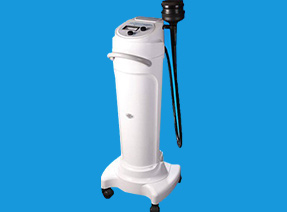
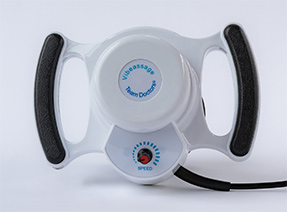
The Vibeassage Sport and the Vibeassage Pro featuring the TDX3 soft-as-the-hand Biomimetic Applicator Pad
https://www.teamdoctors.com/
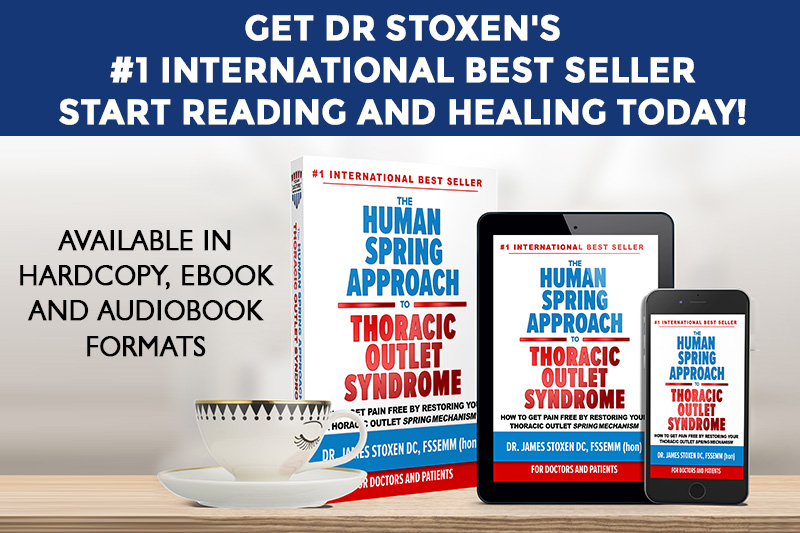
✓ Get Dr. Stoxen’s #1 International Bestselling Books
Learn how to understand, examine, and reverse your TOS—without surgery.
https://drstoxen.com/1-international-best-selling-author/
✓ Check out Team Doctors Online Courses
Step-by-step video lessons, demonstrations, and self-treatment strategies.
https://teamdoctorsacademy.com/
✓ Schedule a Free Phone Consultation With Dr. Stoxen
Speak directly with him so he can review your case and guide you on your next steps.
https://drstoxen.com/appointment/
#ThoracicOutletSyndrome #TOS #ArmPain #NerveCompression #ChronicPain #ShoulderPain #BrachialPlexus #Posture #Biomechanics #VascularCompression #NeuropathicPain #PainEducation #FunctionalAnatomy #ChronicArmPain #TOSAwareness #PainScience #MovementHealth #UpperExtremityPain #PatientEducation #ClinicalBiomechanics
References
- Sanders, Richard J., and Neal M. Hammond. “Thoracic Outlet Syndrome: A Review.” Neurologic Clinics 31, no. 2 (2013): 523–534. https://doi.org/10.1016/j.ncl.2013.02.002
- Povlsen, Bo, et al. “Treatment for Thoracic Outlet Syndrome.” Cochrane Database of Systematic Reviews 11 (2014): CD007218. https://doi.org/10.1002/14651858.CD007218.pub3
- Illig, Karl A., et al. “Thoracic Outlet Syndrome.” Journal of Vascular Surgery 53, no. 3 (2011): 845–852. https://doi.org/10.1016/j.jvs.2010.10.084
- Urschel, Harold C., and R. Paul Razzuk. “Neurovascular Compression in Thoracic Outlet Syndrome.” Annals of Thoracic Surgery 64, no. 6 (1997): 1816–1820. https://doi.org/10.1016/S0003-4975(97)01078-2

Dr James Stoxen DC., FSSEMM (hon) He is the president of Team Doctors®, Treatment and Training Center Chicago, one of the most recognized treatment centers in the world.
Dr Stoxen is a #1 International Bestselling Author of the book, The Human Spring Approach to Thoracic Outlet Syndrome. He has lectured at more than 20 medical conferences on his Human Spring Approach to Thoracic Outlet Syndrome and asked to publish his research on this approach to treating thoracic outlet syndrome in over 30 peer review medical journals.
He has been asked to submit his other research on the human spring approach to treatment, training and prevention in over 150 peer review medical journals. He serves as the Editor-in-Chief, Journal of Orthopedic Science and Research, Executive Editor or the Journal of Trauma and Acute Care, Chief Editor, Advances in Orthopedics and Sports Medicine Journal and editorial board for over 35 peer review medical journals.
He is a much sought-after speaker. He has given over 1000 live presentations and lectured at over 70 medical conferences to over 50,000 doctors in more than 20 countries. He has been invited to speak at over 300 medical conferences which includes invitations as the keynote speaker at over 50 medical conferences.
After his groundbreaking lecture on the Integrated Spring-Mass Model at the World Congress of Sports and Exercise Medicine he was presented with an Honorary Fellowship Award by a member of the royal family, the Sultan of Pahang, for his distinguished research and contributions to the advancement of Sports and Exercise Medicine on an International level. He was inducted into the National Fitness Hall of Fame in 2008 and the Personal Trainers Hall of Fame in 2012.
Dr Stoxen has a big reputation in the entertainment industry working as a doctor for over 150 tours of elite entertainers, caring for over 1000 top celebrity entertainers and their handlers. Anthony Field or the popular children’s entertainment group, The Wiggles, wrote a book, How I Got My Wiggle Back detailing his struggles with chronic pain and clinical depression he struggled with for years. Dr Stoxen is proud to be able to assist him.
Full Bio) Dr Stoxen can be reached directly at teamdoctors@aol.com