Thoracic Outlet Syndrome is often discussed as a nerve or vascular problem, but in my clinical experience it frequently begins as a structural and postural issue.
Many individuals describe symptoms that started gradually as their posture changed rather than after a single injury.
A common presentation includes drooping shoulder pain combined with aching through the upper back and chest.
Patients often report that one shoulder appears lower, heavier, or more fatigued by the end of the day.
This pattern is closely linked to sloped shoulders nerve pain, where gravity places constant downward load on the shoulder girdle.
Over time, this load alters the spatial relationships between muscles, ribs, nerves, and blood vessels.
When posture deteriorates, rounded shoulders arm numbness may develop during daily activities or prolonged sitting.
This numbness is not random and follows predictable anatomical pathways.
A frequent contributor is forward head posture arm pain, which increases tension through the cervical spine and upper ribs.
This head position shifts the center of mass forward and amplifies stress on the thoracic outlet region.
From a biomechanical perspective, this becomes a form of shoulder compression syndrome.
Compression occurs because soft tissues lose their ability to maintain space under load.
Many individuals experience collapsed shoulder posture pain that worsens with computer work or phone use.
This posture reduces the spring-like suspension that normally protects nerves and vessels.
This presentation is often referred to as postural thoracic outlet syndrome.
The term emphasizes structure and mechanics rather than isolated pathology.
In these cases, the shoulder is effectively being pulled downward, creating shoulder pulled down nerve pain.
The nerves are not damaged but become sensitized by prolonged mechanical pressure.
A key driver is poor posture nerve compression rather than an intrinsic nerve disorder.
This distinction is critical for understanding symptom patterns.
Clinically, this is a structural cause of arm pain rooted in alignment and load distribution.
The symptoms are real, but their origin is mechanical.
One common finding is shoulder depression nerve pain, where the clavicle and first rib approximate excessively.
This reduces the available space for the brachial plexus and subclavian vessels.
As the system decompensates, a visible shoulder girdle collapse may develop.
This collapse reflects loss of muscular tone and coordinated suspension.
Patients often describe shoulder instability nerve pain during reaching or carrying tasks.
Instability increases micro-movements that irritate nearby neural structures.
Over time, this leads to postural collapse shoulder pain that feels deep and difficult to localize.
The discomfort often spreads into the neck, chest, and arm.
When posture is uneven, asymmetrical shoulders nerve pain may appear on one side more than the other.
Asymmetry creates unequal loading patterns throughout the thoracic outlet.
A classic complaint is one shoulder lower than the other pain, noticed in mirrors or photographs.
This visual cue often correlates with symptom severity.
From an anatomical standpoint, this reflects structural compression shoulder mechanics rather than inflammation alone.
Compression develops gradually as tissues adapt to sustained load.
Many individuals also report collapsed posture arm pain during walking or standing.
This suggests a failure of the shoulder girdle to suspend efficiently against gravity.
Proper shoulder alignment nerve pain management begins with understanding these mechanics.
Alignment determines how forces travel through the upper body.
As posture worsens, postural imbalance arm pain may alternate sides depending on activity.
This variability often confuses patients and providers alike.
A hallmark of this pattern is shoulder droop nerve compression without obvious trauma.
The droop itself becomes the compressive force.
This is best described as structural shoulder compression, not a transient irritation.
Structural compression persists until alignment changes.
In practice, this represents a mechanical cause of arm pain linked to posture and load.
Mechanical causes respond differently than inflammatory ones.
Clinicians often recognize this as biomechanical shoulder pain when symptoms change with position.
Postural correction frequently alters symptom intensity.
At the center of this condition is shoulder girdle dysfunction involving the clavicle, scapula, and ribs.
These structures must move together to maintain space.
When they fail, structural nerve compression arm symptoms emerge.
The nerves become vulnerable where space is smallest.
Patients frequently notice shoulder position nerve pain when carrying bags or backpacks.
External load magnifies existing compression.
This constellation of findings fits the model of posture-induced thoracic outlet syndrome.
The posture itself becomes the primary driver of symptoms.
In advanced cases, mechanical compression arm pain may coexist with vascular symptoms.
These can include heaviness, temperature change, or color variation.
Ultimately, this reflects structural arm nerve pain rather than isolated nerve disease.
The nerve reacts to its mechanical environment.
To understand why chest and upper back pain often coexist, anatomy must be considered carefully.
The thoracic outlet is influenced by muscles attaching from the neck to the rib cage.
Muscles such as the pectoralis minor, subclavius, and scalene muscles all attach to the ribs.
These muscles act as dynamic stabilizers and positional controllers.
When they become shortened or overactive, they elevate and distort rib position.
This alters intercostal spacing and neural pathways.
The ribs are connected by intercostal muscles, forming a continuous ring-like structure.
Movement or tension in one rib affects adjacent ribs.
Running between these muscles are intercostal nerves and blood vessels.
These structures are sensitive to changes in spacing.
When rib position is altered, nerve irritation can occur between the ribs.
This produces pain patterns that mimic cardiac or pulmonary issues.
This irritation is known as intercostal neuritis and is mechanical in origin.
It reflects nerve sensitivity rather than structural damage.
Upper chest pain in this context is musculoskeletal and neurologic, not visceral.
Understanding this distinction reduces unnecessary fear.
From a structural standpoint, restoring shoulder suspension is critical to reducing compression.
The shoulder girdle functions like a hanging bridge supported by muscles.
When suspension fails, the load transfers directly to nerves and vessels.
This explains the diffuse and variable nature of symptoms.
Many individuals describe symptom relief when lying down or supporting the arms.
These positions temporarily reduce gravitational load.
This observation further supports a mechanical explanation.
Load reduction changes symptoms immediately.
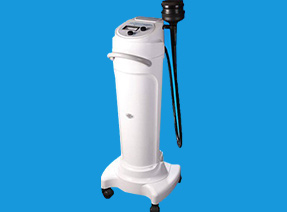
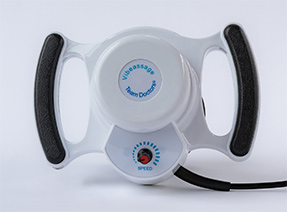
Tools such as the Vibeassage® Sport and Vibeassage® Pro are often discussed in educational contexts.
They feature the TDX3 soft-as-the-hand Biomimetic Applicator Pad designed for tissue input.
Within the Team Doctors® educational framework, posture is viewed as a dynamic system.
The shoulder girdle must adapt continuously to movement and load.
Educational discussions emphasize observation, alignment awareness, and movement literacy.
These concepts help individuals understand their own symptom patterns.
Thoracic Outlet Syndrome is therefore best understood as a condition of space, load, and suspension.
Posture determines whether that space is preserved or compromised.
By viewing symptoms through this structural lens, patterns become clearer and more predictable.
This perspective aligns with anatomy, biomechanics, and clinical observation.
Team Doctors Resources
✓ Check out the Team Doctors Recovery Tools
The Vibeassage Sport and the Vibeassage Pro featuring the TDX3 soft-as-the-hand Biomimetic Applicator Pad
https://www.teamdoctors.com/
✓ Get Dr. Stoxen’s #1 International Bestselling Books
Learn how to understand, examine, and reverse your TOS—without surgery.
https://drstoxen.com/1-international-best-selling-author/
✓ Check out Team Doctors Online Courses
Step-by-step video lessons, demonstrations, and self-treatment strategies.
https://teamdoctorsacademy.com/
✓ Schedule a Free Phone Consultation With Dr. Stoxen
Speak directly with him so he can review your case and guide you on your next steps.
https://drstoxen.com/appointment/
#ThoracicOutletSyndrome #TOS #PosturalTOS #ShoulderPain #NerveCompression #ArmPain #PostureMatters #Biomechanics #ShoulderGirdle #UpperBodyPain #StructuralPain #MechanicalPain #PosturalHealth #NeckAndShoulder #ChestPainExplained #ClinicalEducation #HumanSpring #TeamDoctors #BiomechanicalHealth #MovementScience
References:
[1] Sanders, R. J., & Hammond, S. L. (2002). Thoracic outlet syndrome: A common sequela of neck injuries. Philadelphia Medicine, 98(2), 12–16. https://pubmed.ncbi.nlm.nih.gov/11829421/
[2] Gillard, J., Perez-Cousin, M., Hachulla, E., et al. (2001). Diagnosing thoracic outlet syndrome: Contribution of provocative tests, ultrasonography, electrophysiology, and helical CT scan. Joint Bone Spine, 68(5), 416–424. https://pubmed.ncbi.nlm.nih.gov/11707035/
[3] Atasoy, E. (2011). Thoracic outlet syndrome: Anatomy. Hand Clinics, 27(1), 7–14. https://pubmed.ncbi.nlm.nih.gov/21134600/
[4] Urschel, H. C., & Razzuk, M. A. (1998). Neurovascular compression in the thoracic outlet. Chest Surgery Clinics of North America, 8(2), 433–451. https://pubmed.ncbi.nlm.nih.gov/9619304/

Dr James Stoxen DC., FSSEMM (hon) He is the president of Team Doctors®, Treatment and Training Center Chicago, one of the most recognized treatment centers in the world.
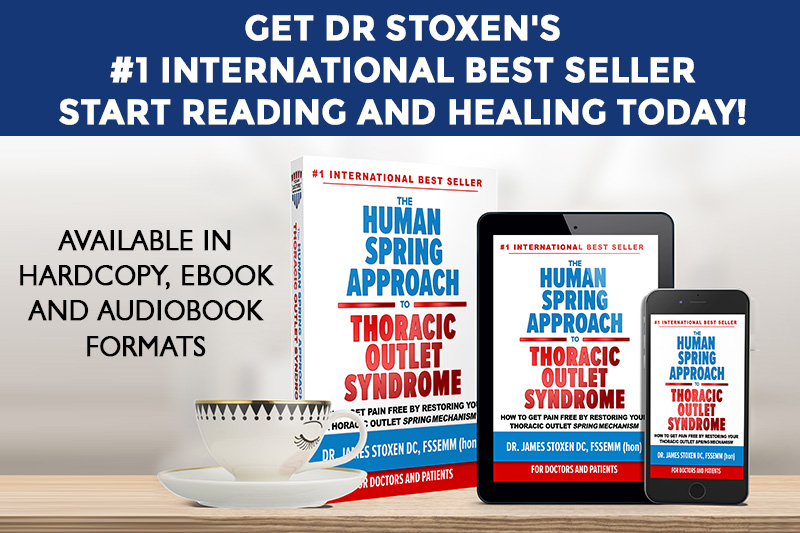
Dr Stoxen is a #1 International Bestselling Author of the book, The Human Spring Approach to Thoracic Outlet Syndrome. He has lectured at more than 20 medical conferences on his Human Spring Approach to Thoracic Outlet Syndrome and asked to publish his research on this approach to treating thoracic outlet syndrome in over 30 peer review medical journals.
He has been asked to submit his other research on the human spring approach to treatment, training and prevention in over 150 peer review medical journals. He serves as the Editor-in-Chief, Journal of Orthopedic Science and Research, Executive Editor or the Journal of Trauma and Acute Care, Chief Editor, Advances in Orthopedics and Sports Medicine Journal and editorial board for over 35 peer review medical journals.
He is a much sought-after speaker. He has given over 1000 live presentations and lectured at over 70 medical conferences to over 50,000 doctors in more than 20 countries. He has been invited to speak at over 300 medical conferences which includes invitations as the keynote speaker at over 50 medical conferences.
After his groundbreaking lecture on the Integrated Spring-Mass Model at the World Congress of Sports and Exercise Medicine he was presented with an Honorary Fellowship Award by a member of the royal family, the Sultan of Pahang, for his distinguished research and contributions to the advancement of Sports and Exercise Medicine on an International level. He was inducted into the National Fitness Hall of Fame in 2008 and the Personal Trainers Hall of Fame in 2012.
Dr Stoxen has a big reputation in the entertainment industry working as a doctor for over 150 tours of elite entertainers, caring for over 1000 top celebrity entertainers and their handlers. Anthony Field or the popular children’s entertainment group, The Wiggles, wrote a book, How I Got My Wiggle Back detailing his struggles with chronic pain and clinical depression he struggled with for years. Dr Stoxen is proud to be able to assist him.
Full Bio) Dr Stoxen can be reached directly at teamdoctors@aol.com