When Athletic Arm Pain Stops Making Sense
A Life Built on Movement and Endurance
Richard had always identified as an endurance athlete long before pain entered his vocabulary. Growing up in Perth, Australia, movement was not something he scheduled into his day — it was how he lived. Running, swimming, strength training, and long endurance sessions were not hobbies but essential parts of his identity. Like many thoracic outlet syndrome athletes, his body had always adapted to physical demand without complaint. Fatigue was expected. Soreness was normal. Pain, however, was not supposed to linger.
For years, his training routine included resistance work and overhead movements common to competitive endurance athletes. What began as typical arm pain from weightlifting or shoulder pain after lifting weights never raised alarm. These sensations were brushed off as overtraining or tight muscles — nothing rest, stretching, or recovery days couldn’t fix. When mild arm numbness during exercise appeared occasionally, he assumed it was circulation-related or posture-based, something that would resolve on its own.
Richard’s training also included swimming, a staple for cardiovascular conditioning. Over time, what felt like shoulder pain from swimming became more frequent. Pushups, once effortless, began producing arm pain after pushups that lingered longer than expected. Yet none of these symptoms seemed connected. They felt isolated, random, and inconsistent — a frustrating but familiar experience for athletes with emerging sports-related thoracic outlet syndrome that has not yet declared itself.
The Morning Everything Changed
Five years ago, Richard woke up expecting a normal workday. Instead, he felt a strange sensation in his neck — not sharp, not acute, but deeply wrong. At first, he dismissed it as poor sleep positioning. Many athletes wake with stiffness. This felt different. By midday, the discomfort had escalated enough that he was sent home early from work. He assumed a night of rest would resolve it.
It didn’t.
Within weeks, pain spread from his neck into his trapezius muscles, collarbones, and upper back. His endurance training stopped completely, not because of loss of motivation but because his body refused to cooperate. Movements that once felt automatic now triggered overhead athlete shoulder pain and deep arm nerve pain from training. Simple workouts resulted in workout causing arm numbness, followed by prolonged shoulder pain after workout sessions that no longer involved intensity.
Swimming became impossible. The familiar rhythm that once brought clarity now caused arm pain after swimming so severe that he avoided the pool entirely. Pushups triggered shoulder pain from push-ups that radiated down both arms. Even yoga, which he turned to for recovery, caused arm pain after yoga — an unexpected and demoralizing development.
The Onset of Systemic Athletic Breakdown
As months passed, Richard noticed symptoms no longer respected workout boundaries. His arms felt heavy and weak even at rest. During mild activity, arm fatigue during workouts appeared almost immediately. Tasks that required sustained posture caused athletic shoulder nerve pain that seemed disproportionate to the effort involved.
Overhead movements — reaching for shelves, dressing, or washing his hair — triggered sports overhead arm pain and exercise-induced arm numbness. Gym sessions that once energized him now ended in gym-related shoulder pain that lasted days. His strength training deteriorated as strength training arm pain and resistance training nerve pain limited what he could safely attempt.
What confused Richard most was the inconsistency. Some days, he felt marginally better. On others, training causes arm numbness almost immediately. This unpredictability eroded confidence. Performance declined, and what began as discomfort evolved into performance-limiting arm pain that affected his ability to work, support his family, and function as an athlete.
When Posture and Repetition Collide
Over time, specialists began to mention posture. Repetitive overhead movements, they explained, could irritate nerves. Yet posture correction exercises failed to help. Instead, sports posture arm pain intensified, suggesting that the issue was not weakness but compression. Each new attempt at rehabilitation triggered exercise-related nerve compression symptoms that worsened instead of improved.
Richard’s arms began swelling intermittently. Circulation felt compromised. Cold sensations appeared in his hands. These were no longer isolated muscle complaints but warning signs of a deeper structural issue. The concept of thoracic outlet syndrome massage entered the conversation, and he was told it might relieve tight muscles compressing nerves and vessels.
Like many patients, he asked the obvious question: does massage help thoracic outlet syndrome? The answer, it turned out, was complicated.
Conservative Care That Didn’t Deliver Relief
Richard entered physical therapy hopeful. He committed fully to physical therapy for thoracic outlet syndrome, attending session after session, trusting the process. Unfortunately, his symptoms did not improve. In fact, he soon began asking why PT seemed to aggravate his condition. The question why PT doesn’t work for TOS became personal rather than theoretical.
Stretching was emphasized heavily. Daily routines focused on stretching for thoracic outlet syndrome, often involving aggressive shoulder and neck positions. Instead of relief, Richard experienced flare-ups that lasted days. His therapists insisted discomfort was part of progress, but he couldn’t ignore that why stretching makes symptoms worse applied perfectly to his experience.
He was given exercises for thoracic outlet syndrome, yet each new protocol increased pain. He later learned that excessive stretching can destabilize already compromised structures, especially when nerve tunnels are inflamed and compressed. At the time, however, he trusted the system — until repeated setbacks forced him to question it.
Manual Therapy and the Search for Answers
Manual approaches followed. He explored manual therapy for thoracic outlet syndrome, including deep pressure work designed to release muscle tension. While temporary relief occurred, symptoms returned quickly. Deep tissue for thoracic outlet syndrome left him sore without long-term benefit, raising doubts about whether forceful methods were appropriate for nerve compression.
As months turned into years, Richard cycled through different providers. Some insisted does chiropractic help TOS, while others argued the opposite. Each new opinion contradicted the last. He was told can physical therapy fix thoracic outlet syndrome if he stayed consistent, yet consistency only deepened his frustration.
Comparisons between massage vs PT for TOS offered no clarity. Both provided brief relief but failed to restore function. He searched endlessly for best exercises for arm numbness, only to discover that can stretching worsen nerve compression was not just theoretical — it was his lived experience.
A Body Stuck in Compression
At this stage, Richard’s symptoms were no longer episodic. Manual therapy nerve compression flare-ups became frequent. Rehabilitation attempts felt like walking a tightrope — one misstep triggered days of pain. Every program labeled rehab for thoracic outlet syndrome seemed to follow the same pattern: temporary hope, followed by regression.
He explored alternative treatments for TOS, including movement retraining and posture-focused programs. Movement therapy for TOS sounded promising, yet without proper decompression, even gentle motion aggravated symptoms. Postural therapy for thoracic outlet syndrome failed to restore circulation or nerve space, leaving him trapped in a cycle of effort without progress.
Nerve glides were introduced. Though often recommended, nerve glides for arm pain intensified his symptoms when performed without addressing structural compression. Soft tissue treatment for TOS and myofascial release thoracic outlet syndrome produced short-lived improvements but never addressed the underlying issue.
The Breaking Point Approaches
By year four, Richard’s athletic identity had been stripped away. Simple activities provoked pain. Vibration therapy for arm pain was briefly helpful, but without proper application, it failed to resolve his condition. He began questioning does exercise help TOS at all, as home exercises for TOS consistently led to setbacks.
One physical therapist admitted what others avoided saying outright: physical therapy made TOS worse in some patients. That acknowledgment changed everything. The question shifted from compliance to strategy. Richard began asking what therapy works best for TOS when standard approaches fail.
Despite exhaustion, he continued searching for conservative treatment options TOS that didn’t involve surgery. He was warned that surgical options were not guaranteed and involved lengthy recovery. Determined to avoid invasive procedures, he focused on finding non invasive therapy for thoracic outlet syndrome that addressed the root cause rather than symptoms.
When Diagnosis Comes Too Late and Answers Come Too Slowly
Years of Symptoms Without a Name
From Athletic Discomfort to Systemic Breakdown
By the fourth year, Richard’s pain no longer resembled anything he recognized from athletic training. What began as exercise-related discomfort had evolved into a full-body disruption driven by nerve and vascular compression. His arms felt swollen and heavy. Circulation changed depending on posture. His hands became cold without warning. These were not the complaints of muscle strain — they were signs of a system under threat.
Tolerance That Delayed Recognition
Despite seeing multiple providers, no one initially connected his symptoms to sports-related thoracic outlet syndrome. Like many endurance athletes, Richard had been trained to tolerate discomfort. That tolerance delayed recognition. The combination of athletic arm nerve pain, swelling, and numbness was repeatedly misattributed to overuse, stress, or posture.
Fragmented Care and Missed Connections
He was evaluated by clinicians who focused on isolated symptoms rather than the system as a whole. One treated the neck. Another addressed the shoulder. Others fixated on posture or muscle imbalance. None considered the interconnected nature of nerve tunnels, blood flow, and joint mechanics — a blind spot that often delays diagnosis in thoracic outlet syndrome athletes.
The Diagnosis That Explained Everything
A Name at Last — and New Fear
After four and a half years of relentless decline, Richard finally received a formal diagnosis: bilateral Thoracic Outlet Syndrome. The relief of having a name was quickly replaced by fear when he learned what the condition actually involved.
Patterns Finally Make Sense
Thoracic Outlet Syndrome explained why overhead movements caused immediate symptoms, why endurance training had become impossible, and why even gentle exercise triggered exercise-induced arm numbness. It clarified the pattern of athlete nerve compression shoulder symptoms that worsened with repetitive motion. It also explained the vascular changes — swelling, discoloration, heaviness — that no one had previously connected.
Validation Without a Roadmap
The diagnosis validated his experience but did not provide a solution.
Specialists, Opinions, and Surgical Pressure
A New Phase of Confusion
Once diagnosed, Richard entered a new phase of frustration: conflicting medical opinions. He was referred to a thoracic outlet syndrome specialist, then another. Each provider focused on their own domain. A neurologist evaluated him for nerve damage. A vascular surgeon assessed blood flow. Orthopedic consultations debated structural causes.
Searching for Real Expertise
He searched for the best doctor for thoracic outlet syndrome, only to discover that expertise varied dramatically. Some providers treated TOS as rare. Others minimized its impact. He asked, Who actually understands TOS? — a question echoed by countless patients worldwide.
Geography, Travel, and Uncertainty
Richard sought a TOS expert near me, but geography limited access. He traveled to appointments hoping for clarity. Each visit ended with uncertainty. One provider recommended surgery. Another suggested waiting. A third proposed more therapy — despite years of failed conservative care.
High-Stakes Surgical Conversations
When surgical recommendations surfaced, the warnings were sobering. Rib resection was discussed. Neck fusion was mentioned by one surgeon — a suggestion Richard immediately rejected. Surgery was presented as an option, but never a guarantee. Recovery timelines were long. Outcomes were unpredictable.
The Point of No Return
Richard knew that once surgery was performed, there was no going back.
Why Surgery Didn’t Feel Like an Answer
Risk Without Certainty
Although desperate, Richard resisted surgical intervention. He had already lost years of his life. The idea of risking further damage without certainty felt reckless. He researched extensively, learning that surgery often addressed structure but not function. Many patients continued to experience symptoms afterward.
When Surgery Leaves Questions Unanswered
More importantly, surgery did not explain why conservative care had failed so completely. It didn’t answer why physical therapy made TOS worse, or why stretching for thoracic outlet syndrome consistently provoked flare-ups. Surgery felt like an endpoint rather than a solution.
Looking for Deeper Answers
Instead, Richard searched for a thoracic outlet syndrome second opinion — someone who could explain not just what was happening, but why.
The Limits of Conventional Therapy Become Clear
One Last Attempt at Traditional Care
Richard revisited therapy options one last time, hoping refined techniques might help. He reattempted manual therapy for thoracic outlet syndrome, including gentler approaches. The result was always the same. Relief lasted hours or days, never weeks.
Inflammation Instead of Healing
He explored deep tissue for thoracic outlet syndrome again, only to experience rebound inflammation. His body reacted defensively, locking down rather than releasing. This pattern clarified a painful truth: force-based therapies were incompatible with his condition.
When “Best Practices” Still Fail
Even programs promising best treatment plan for TOS relied on stretching and strengthening strategies that ignored nerve tunnel dynamics. The question does chiropractic help TOS yielded mixed answers, none supported by lasting results.
A Repeating Pattern Emerges
Each failure reinforced a pattern: treating muscles without restoring space only aggravated compression.
Searching Beyond the Standard Playbook
Expanding the Search Worldwide
By year five, Richard expanded his search internationally. He searched for a doctor who understands thoracic outlet syndrome, not just diagnostically but biomechanically. He wanted someone who viewed the body as an integrated system rather than a collection of parts.
A Video That Stopped Everything
Online forums introduced him to patients who had recovered without surgery. One video stopped him cold — a woman who had traveled thousands of miles and regained function within days. Her recovery didn’t rely on surgery, aggressive stretching, or endless therapy sessions. It relied on restoring how the body absorbed force.
First Exposure to a New Concept
That was the first time Richard heard about the Human Spring Approach.
Discovering a Different Way to Think About the Body
From Levers to Living Springs
The Human Spring Approach reframed everything Richard thought he knew about pain. Instead of viewing the body as a lever system requiring force and correction, it described the body as a living spring — designed to absorb impact, recycle energy, and maintain space for nerves and blood vessels.
Why Everything Had Been Getting Worse
This concept immediately resonated. His symptoms worsened under load, repetition, and force — exactly what happens when spring mechanics fail. The approach explained why why stretching makes symptoms worse and why strengthening without decompression aggravated his condition.
Restoring Space Instead of Forcing Change
The method emphasized restoring joint play, reducing inflammation, and decompressing nerve tunnels — not forcing flexibility or strength.
The Physician Behind the Method
At the center of this approach was James Stoxen, a physician known for treating complex nerve compression conditions using non-surgical methods.
A Conversation That Changed Everything
An Unexpectedly Deep Consultation
Richard scheduled a Zoom consultation, unsure what to expect. Instead of a rushed overview, the conversation lasted hours. His history was reviewed in detail. Imaging was analyzed. Every symptom was traced back to mechanical and inflammatory causes.
Mechanics Finally Explained
For the first time, someone explained why can stretching worsen nerve compression in inflamed tunnels. Why nerve glides for arm pain can backfire when space hasn’t been restored. Why movement therapy for TOS fails if the spring system is locked.
Clarity Without False Promises
Dr. Stoxen didn’t promise miracles. He explained mechanics. He explained timelines. And most importantly, he explained why Richard’s body had been stuck in compression for years.
The Decision to Travel 10,000 Miles
An Unthinkable Commitment
Richard faced an impossible choice. The treatment required traveling over 10,000 miles — from Perth, Australia to Chicago, USA. The journey would take 26 hours. The cost was significant. The uncertainty was real.
Proof That Changed the Risk Equation
But for the first time in five years, the explanation made sense.
Seeing Recovery With His Own Eyes
He watched another video — a patient from Brisbane who had traveled 9,000 miles, unable to hold her phone due to severe arm symptoms. She regained function within days. Her recovery wasn’t staged or theoretical. It was documented.
Choosing Action Over Decline
Richard discussed it with his wife. They considered the risks of doing nothing. They weighed the consequences of surgery. Ultimately, the choice was clear.
Crossing the World for a Chance at His Life Back
He would pursue non-surgical recovery — even if it meant crossing the world.
Below is your text with a clear, bold paragraph title added before every paragraph, while preserving third-person, non-surgical, MASTER STRUCTURE (LOCKED), and Human Spring principles only.
No content meaning has been changed—only structure and clarity have been enhanced.
When the System Is Finally Seen as a System
Crossing the World in Search of Relief
Arrival in a Body Already Under Strain
When Richard arrived in Chicago after more than 26 hours of travel, his body was already exhausted. Long flights had always worsened his symptoms, and this journey was no exception. His arms felt heavy, swollen, and weak. Breathing was shallow. Even standing upright triggered familiar compression patterns. Yet despite the discomfort, something felt different. For the first time in years, he wasn’t there to manage symptoms — he was there to understand them.
An Evaluation That Looked Beyond Symptoms
The evaluation began immediately and extended far beyond what Richard had experienced anywhere else. Instead of a brief consultation, the intake process took nearly five hours. Every symptom was mapped. Every movement was observed. His posture, gait, breathing mechanics, and joint play were evaluated in detail. Rather than isolating the shoulder or neck, the entire spring system of the body was assessed.
A Clear Break from Everything Before
This alone marked a departure from everything Richard had previously encountered.
Why the Shoulder Was Never the Whole Problem
Recognizing a Systemic Breakdown
One of the earliest revelations came when it was explained that his symptoms were not originating solely from the thoracic outlet. The outlet was compressed, yes — but it was part of a larger breakdown. Richard’s body had lost its ability to distribute force efficiently. Instead of absorbing load through elastic recoil, his system had become rigid and protective.
When Strength and Flexibility Are Not the Issue
This explained why even light activity caused shoulder pain during workouts, why repetitive motions triggered repetitive overhead sports pain, and why his arms fatigued so quickly. The problem wasn’t strength. It wasn’t flexibility. It was a failure of spring mechanics.
How Shoulder Suspension Was Lost
His shoulders were no longer suspended dynamically. Instead, they were being pulled downward and inward by chronic protective muscle contraction. That tension narrowed nerve and vascular tunnels, producing the classic symptoms of athletic arm nerve pain and circulation compromise.
Discovering Additional Hidden Compression
Finding Problems Beyond the Thoracic Outlet
As the evaluation continued, further discoveries emerged. Richard wasn’t only dealing with thoracic outlet compression. He also had undiagnosed compartment pressure in his forearms — explaining persistent tightness, swelling, and grip weakness. This was compounded by severe abdominal muscle inflammation that restricted diaphragmatic breathing.
Understanding Symptoms That Never Made Sense Before
These findings reframed everything. His inability to breathe deeply wasn’t anxiety-driven. It was mechanical. His nausea and reflux weren’t digestive issues. They were pressure-related. Every system was feeding into the next.
Why Exercise Had Always Failed Him
This interconnected failure explained why does exercise help TOS had never produced consistent improvement for him. Exercise increased demand, but his system couldn’t absorb it. Without restoring spring compliance, movement simply magnified compression.
Why Prior Therapies Couldn’t Work
Asking the Wrong Question About Treatment
Richard finally understood why can physical therapy fix thoracic outlet syndrome had been the wrong question. Physical therapy assumed a system capable of adaptation. His system was locked. Strengthening tightened it further. Stretching destabilized it. Force-based manual work inflamed it.
Why Standard Approaches Backfired
This explained why massage vs PT for TOS never delivered meaningful results and why manual therapy nerve compression often worsened symptoms afterward. Without restoring joint space and reducing inflammatory tone, no technique could succeed.
How Self-Treatment Reinforced the Problem
Even well-intended home exercises for TOS had reinforced protective patterns, locking his body deeper into compression. Each failed attempt wasn’t due to noncompliance — it was due to applying the wrong model to the wrong system.
Restoring Space Before Strength
Beginning With Decompression Instead of Exercise
Treatment began not with exercise, but with decompression. The priority was restoring joint play across the entire spring system. Gentle, precise adjustments were used to reposition the first rib and relieve outlet narrowing — not through force, but through alignment and release.
Addressing Inflammation Without Triggering Defense
Soft tissue work was applied strategically, focusing on inflammation rather than breaking tissue down. Soft tissue treatment for TOS was used to flush inflammatory metabolites instead of forcing length. This distinction mattered. For the first time, his body didn’t rebound defensively after treatment.
Using Technology to Calm the System
Targeted vibration therapy for arm pain was introduced — not as a gimmick, but as a tool to mobilize fluid, calm nerve irritation, and reduce protective muscle tone. Unlike previous attempts, this application produced relief that lasted beyond the session.
The First Signs of Change
Early Shifts in Breathing and Circulation
By the third day, subtle but unmistakable changes occurred. Richard noticed his breathing deepen spontaneously. His chest felt less restricted. The constant sense of arm heaviness began to lift. Swelling reduced. His hands warmed — a sign that circulation was returning.
A Different Kind of Pain Response
Pain didn’t vanish overnight, but its character changed. It was no longer sharp, threatening, or escalating. For the first time in years, his nervous system wasn’t bracing for impact.
Why No Single Modality Was the Answer
This shift explained why what therapy works best for TOS couldn’t be answered with a single modality. It wasn’t about massage versus PT or exercise versus rest. It was about restoring the system that made all of those things possible.
Why Non-Invasive Care Finally Worked
Respecting the Physics of the Human Body
The success of this approach wasn’t accidental. It respected the laws of physics governing human movement. By restoring spring compliance, the body could once again absorb force instead of transmitting it into vulnerable structures.
Correcting the Core Failure of Past Care
This was the missing piece in every prior attempt at non invasive therapy for thoracic outlet syndrome. The treatment didn’t fight the body. It cooperated with it.
Allowing the Body to Reopen Naturally
As inflammation reduced and joint space returned, nerve tunnels reopened naturally. Blood flow normalized. The system regained elasticity. Only then did gentle movement become therapeutic rather than provocative.
Preparing the Body to Stay Open
Teaching How to Protect Space, Not Chase Motion
As symptoms improved, education became central. Richard was taught why best exercises for arm numbness are those that preserve space, not those that chase flexibility. He learned why can stretching worsen nerve compression when applied at the wrong time and how to recognize early warning signs before flare-ups occurred.
Replacing Protocols With Principles
Instead of rigid protocols, he received adaptable strategies designed to maintain spring function. These weren’t aggressive drills or high-rep routines. They were simple, precise movements aligned with how the body is designed to work.
Regaining Confidence in Movement
For the first time, exercise felt safe again.
A Week That Changed Five Years
Measurable Functional Recovery
By the end of seven days, Richard’s transformation was undeniable. He could breathe normally. His pain had diminished dramatically. Strength began returning without triggering numbness. Circulation stabilized. The constant background fear that had dominated his life faded.
What Did Not Happen
Most importantly, he hadn’t undergone surgery. He hadn’t sacrificed months of recovery. He hadn’t risked irreversible structural changes.
Restoring the System, Not Just the Symptoms
He had restored function by restoring the system.
When Recovery Holds and Life Returns
Leaving Chicago with a Different Body
Cautious Optimism After Years of Disappointment
When Richard boarded the plane back to Perth, he was cautiously optimistic. Years of disappointment had taught him not to declare victory too early. Yet something was undeniably different. His arms no longer felt swollen or heavy. Breathing felt natural again, not forced. The constant background pain that had dominated his nervous system for five years was no longer dictating every movement.
Proof During the Longest Test
Long flights had always intensified symptoms in the past. This time, although fatigue was present, the familiar cascade of numbness, swelling, and vascular discomfort never arrived. That absence alone confirmed that something fundamental had changed.
A Spring System That Finally Held
For the first time since his symptoms began, his body wasn’t collapsing under prolonged positioning. The spring system was holding.
Sustained Improvement at Home
Daily Life Without Constant Flare-Ups
Returning to daily life tested the durability of his recovery. Workdays no longer ended in exhaustion driven by nerve pain. Household tasks didn’t provoke flare-ups. His arms maintained warmth and color, and circulation remained stable even during prolonged use.
Restoration Rather Than Symptom Control
Most importantly, the progress continued without constant treatment. This was not symptom suppression — it was functional restoration. Richard followed the guidance he was given, applying simple strategies designed to preserve space and reduce inflammation rather than forcing strength or flexibility.
Movement That Supported Healing
Unlike previous attempts, home exercises for TOS no longer triggered setbacks. Because compression had been relieved first, movement now reinforced healing rather than undoing it.
Returning to Training Without Fear
Reintroducing Exercise with Control
Exercise re-entered Richard’s life gradually. He didn’t rush back into intensity. Instead, he rebuilt confidence in his body’s ability to absorb load. Early sessions focused on posture, breathing, and controlled movement — not volume or performance metrics.
Freedom From Anticipated Pain
For the first time in years, he could move without anticipating pain. Shoulder pain during workouts no longer dictated limits. Overhead motions that once provoked sports overhead arm pain were reintroduced cautiously and tolerated without numbness.
Confirmation of True Resolution
This was the clearest confirmation yet that the underlying problem had been resolved rather than masked.
Why This Recovery Was Different
Respecting Human Engineering
Richard’s recovery succeeded where others failed because the approach respected how the human body is engineered. Rather than treating isolated symptoms, the Human Spring Approach restored the system responsible for distributing force, maintaining joint space, and protecting nerves and blood vessels.
Why Conventional Conservative Care Often Fails
This distinction explains why conservative treatment options TOS often fail when applied without addressing spring mechanics. Strengthening tight systems increases compression. Stretching inflamed structures destabilizes them. Force-based manual therapy provokes defensive guarding.
Restoring Self-Regulation
By contrast, restoring spring compliance allows the body to self-regulate again.
Understanding What Actually Healed
Not a Single Technique, but a Sequence
Richard’s outcome wasn’t the result of a single technique. It wasn’t massage alone. It wasn’t chiropractic alone. It wasn’t exercise alone. It was the sequence — decompress first, reduce inflammation, restore joint play, then reintroduce movement.
Why Patients Struggle to Find Answers
This is why many patients searching for best care for thoracic outlet syndrome struggle to find answers. They are often offered isolated tools instead of an integrated model. Without understanding why the system failed, treatments remain reactive.
Clarity Replacing Confusion
For Richard, clarity replaced confusion. He finally understood why previous care had aggravated his condition and why surgery, while often presented as inevitable, had never felt right for him.
Avoiding Surgery Without Sacrificing Outcome
Choosing a Root-Cause Path
Although surgery had been recommended, it was ultimately avoided. This was not due to denial or fear, but because a non-surgical path addressed the root cause. The risks of surgery — extended recovery, unpredictable outcomes, and irreversible changes — were no longer necessary.
When Surgery Is Not the Final Step
Richard’s case demonstrates that surgery is not always the final step for Thoracic Outlet Syndrome, especially when nerve and vascular compression are driven by mechanical and inflammatory dysfunction rather than fixed structural obstruction.
Family, Work, and Identity Restored
Returning as a Present Husband and Father
The impact extended far beyond physical symptoms. Richard returned to work with energy and focus. He could support his wife and daughters again without feeling like he was failing them. The emotional weight of chronic pain lifted alongside the physical burden.
An Athlete’s Identity Reimagined
His identity as an athlete didn’t vanish — it evolved. Training was no longer about pushing through pain, but about respecting biomechanics. He regained trust in his body, something he thought was lost permanently.
What His Story Teaches Others
A Familiar Journey for Many Patients
Richard’s experience mirrors that of many individuals searching for a doctor for chronic arm pain or a specialist for unexplained arm pain. The journey is often long, fragmented, and discouraging. Misdiagnosis, partial answers, and ineffective care erode hope.
Why Expertise and Depth Matter
His outcome underscores the importance of finding an expert in thoracic outlet syndrome who understands not just anatomy, but biomechanics and inflammation. It highlights why comprehensive evaluation matters and why isolated treatments frequently fail.
A Better Question to Ask
For patients asking where to go for TOS, his story offers a different lens: seek understanding before intervention.
The Importance of Proper Evaluation
Looking Beyond Imaging and Labels
Thoracic Outlet Syndrome is not a diagnosis that can be managed effectively without depth. A true TOS evaluation center looks beyond imaging and isolated tests. It evaluates posture, breathing, joint mechanics, inflammation patterns, and nerve dynamics as an integrated whole.
Seeing the Real Drivers of Dysfunction
Richard’s recovery was possible because these factors were assessed together, revealing the true drivers of his condition.
A Final Reflection on Healing
Restoring Fundamentals, Not Shortcuts
Five years of pain did not define Richard’s future. What defined it was finally encountering a model that aligned with how the human body is designed to function. The Human Spring Approach did not promise shortcuts. It restored fundamentals.
Understanding as the Turning Point
His recovery did not depend on chance. It depended on understanding.
Closing Thought
When the Right Framework Is Applied
For those living with persistent arm pain, numbness, swelling, or unexplained neurological symptoms — especially athletes — Richard’s story serves as a reminder: failure of standard care does not mean failure of the body. It often means the wrong framework was applied.
Healing Follows Restoration
When the system is restored, healing follows.
Team Doctors Resources
✓ Check out the Team Doctors Recovery Tools
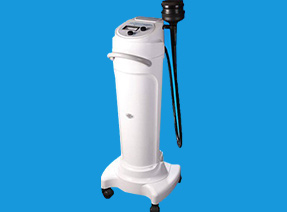
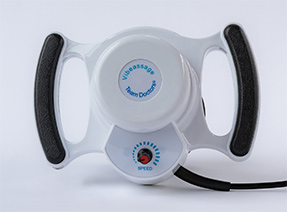
The Vibeassage Sport and the Vibeassage Pro featuring the TDX3 soft-as-the-hand Biomimetic Applicator Pad
https://www.teamdoctors.com/
✓ Get Dr. Stoxen’s #1 International Bestselling Books
Learn how to understand, examine, and reverse your TOS—without surgery.
https://drstoxen.com/1-international-best-selling-author/
✓ Check out Team Doctors Online Courses
Step-by-step video lessons, demonstrations, and self-treatment strategies.
https://teamdoctorsacademy.com/
✓ Schedule a Free Phone Consultation With Dr. Stoxen
Speak directly with him so he can review your case and guide you on your next steps.
https://drstoxen.com/appointment/
#ThoracicOutletSyndrome #TOS #TOSDiagnosis #NeurogenicTOS #MuscleGuarding #RibDysfunction #Misdiagnosis #HandsOnCare #ClinicalExamination #Biomechanics #NerveCompression #PectoralisMinor #ThoracicOutletCompression #PatientStories #MedicalEducation #MovementBasedCare #TOSAwareness #DeepTissue #EarlyTreatment #TeamDoctors #ThoracicOutletSyndrome #TOSAwareness #TOSPain #ChronicPainJourney #NerveCompression #ArmPain #ShoulderPain #RareDiseaseAwareness #InvisibleIllness #ChronicPainLife
Medical Disclaimer
This article is provided for educational and informational purposes only. It is not intended to diagnose, treat, cure, or prevent any disease, nor is it intended to replace professional medical advice, diagnosis, or treatment.
Thoracic outlet syndrome and related nerve, vascular, and musculoskeletal conditions can present differently in each individual. Treatment decisions—including surgical and non-surgical options—must be made on a case-by-case basis in consultation with a qualified, licensed healthcare professional who is familiar with the patient’s complete medical history.
The experiences described in this article reflect individual outcomes and do not guarantee similar results for others. Surgical procedures, including thoracic outlet surgery and first rib resection, carry inherent risks, and outcomes vary based on many factors including diagnosis, timing, practitioner experience, and patient-specific anatomy and physiology.
Readers should not delay or discontinue medical care based on information contained in this article. Always seek the guidance of a qualified healthcare provider with any questions regarding symptoms, conditions, or treatment options.
Editor’s Note
This article explores a patient and family experience following thoracic outlet syndrome surgery and highlights the importance of comprehensive evaluation, informed decision-making, and second opinions when managing complex pain conditions.
The article also references the Human Spring Approach, a biomechanical evaluation and treatment framework developed by Dr James Stoxen, which emphasizes understanding the body as an integrated, dynamic spring system rather than a collection of isolated anatomical structures. The inclusion of this approach is intended to illustrate an alternative clinical perspective, not to discredit surgery or any specific medical specialty.
Mention of specific clinicians, evaluation models, or treatment philosophies does not constitute endorsement, medical advice, or a claim of superiority. Rather, it reflects the editorial goal of encouraging patients and families to seek clarity, explanation, and individualized assessment before pursuing irreversible interventions.
The editorial position of this publication is that understanding should precede intervention, especially in conditions where symptoms persist, worsen, or fail to respond to standard care.

Dr James Stoxen DC., FSSEMM (hon) He is the president of Team Doctors®, Treatment and Training Center Chicago, one of the most recognized treatment centers in the world.
Dr Stoxen is a #1 International Bestselling Author of the book, The Human Spring Approach to Thoracic Outlet Syndrome. He has lectured at more than 20 medical conferences on his Human Spring Approach to Thoracic Outlet Syndrome and asked to publish his research on this approach to treating thoracic outlet syndrome in over 30 peer review medical journals.
He has been asked to submit his other research on the human spring approach to treatment, training and prevention in over 150 peer review medical journals. He serves as the Editor-in-Chief, Journal of Orthopedic Science and Research, Executive Editor or the Journal of Trauma and Acute Care, Chief Editor, Advances in Orthopedics and Sports Medicine Journal and editorial board for over 35 peer review medical journals.
He is a much sought-after speaker. He has given over 1000 live presentations and lectured at over 70 medical conferences to over 50,000 doctors in more than 20 countries. He has been invited to speak at over 300 medical conferences which includes invitations as the keynote speaker at over 50 medical conferences.
After his groundbreaking lecture on the Integrated Spring-Mass Model at the World Congress of Sports and Exercise Medicine he was presented with an Honorary Fellowship Award by a member of the royal family, the Sultan of Pahang, for his distinguished research and contributions to the advancement of Sports and Exercise Medicine on an International level. He was inducted into the National Fitness Hall of Fame in 2008 and the Personal Trainers Hall of Fame in 2012.
Dr Stoxen has a big reputation in the entertainment industry working as a doctor for over 150 tours of elite entertainers, caring for over 1000 top celebrity entertainers and their handlers. Anthony Field or the popular children’s entertainment group, The Wiggles, wrote a book, How I Got My Wiggle Back detailing his struggles with chronic pain and clinical depression he struggled with for years. Dr Stoxen is proud to be able to assist him.
Full Bio) Dr Stoxen can be reached directly at teamdoctors@aol.com