Many people search online asking do i have thoracic outlet syndrome because their symptoms do not seem to fit neatly into one diagnosis.
In my clinical experience, these questions often begin after months or years of unexplained discomfort.
Patients often report confusion when imaging studies appear normal but symptoms continue.
Thoracic Outlet Syndrome involves irritation or compression of nerves or blood vessels as they pass from the neck into the arm.
This region is anatomically complex and sensitive to posture, muscle tone, and repetitive movement.
People frequently ask is this thoracic outlet syndrome when symptoms appear during everyday activities.
Thoracic Outlet Syndrome symptoms can vary widely from person to person.
Some individuals describe pain, while others notice weakness, heaviness, or changes in sensation.
Understanding thoracic outlet syndrome symptoms requires looking at patterns rather than isolated complaints.
The thoracic outlet is a narrow passageway bordered by muscles, ribs, and connective tissue.
Small changes in muscle tension can alter the space available for nerves and blood vessels.
This is a pattern I commonly see when symptoms increase during prolonged sitting or overhead activity.
Many individuals describe early warning signs that develop gradually over time.
Recognizing signs of thoracic outlet syndrome early may help explain why symptoms feel unpredictable.
One common question involves whether symptoms fluctuate during the day.
Patients often report feeling worse after sustained postures rather than sudden injuries.
Some people search for a thoracic outlet syndrome quiz hoping for a simple answer.
While quizzes can highlight symptom patterns, they cannot replace careful clinical observation.
Others look for a thoracic outlet syndrome test that definitively confirms the condition.
In reality, assessment usually involves a combination of history, movement testing, and symptom reproduction.
Arm-related symptoms are especially common in Thoracic Outlet Syndrome.
Many individuals notice symptoms of thoracic outlet syndrome in arm activities such as lifting or carrying.
Symptoms may appear during tasks that were previously effortless.
Early on, people may notice subtle changes rather than severe pain.
These early signs of thoracic outlet syndrome often include fatigue or altered sensation.
People frequently ask how to know if i have tos when symptoms come and go.
Thoracic Outlet Syndrome rarely presents as a single dramatic event.
Instead, symptoms often develop as tolerance to stress gradually decreases.
A common question is what does thoracic outlet syndrome feel like on a daily basis.
Many individuals describe discomfort rather than sharp pain.
Others notice heaviness or pressure that worsens with activity.
One frequent combination is shoulder pain and arm numbness occurring together.
This pattern often raises concern about nerve involvement.
Sensory changes such as arm numbness and tingling are commonly reported.
These sensations may appear intermittently or persist for long periods.
Another common description is neck pain radiating to arm during certain movements.
This may occur with head rotation or prolonged forward head posture.
Some individuals notice hand tingling and weakness during fine motor tasks.
These symptoms can interfere with writing, typing, or gripping objects.
People often describe pins and needles in arm that appear unexpectedly.
This sensation may be worse at night or after repetitive activity.
Pain with movement is another frequent concern.
Many individuals experience arm pain when lifting objects overhead or away from the body.
Others report shoulder pain when raising arm even without heavy loads.
Certain positions provoke symptoms more reliably than others.
A classic example is numbness when arms are overhead for extended periods.
Some individuals notice temperature or color changes in the affected limb.
A cold hand or arm may suggest altered blood flow.
Strength changes are also common.
Patients often describe weak grip strength compared to the opposite side.
Pain quality can vary widely.
Some individuals report burning pain in shoulder that does not follow a single nerve path.
Others notice discomfort localized near the clavicle.
Pain under collarbone is a frequent area of concern.
Many individuals describe a sensation of shoulder heaviness rather than sharp pain.
Fatigue can develop quickly with use.
People often say their arm fatigue easily during routine tasks.
Neurological symptoms may dominate the presentation.
Descriptions of nerve pain in arm are common.
Sleep can also influence symptoms.
Some individuals experience tingling fingers at night that disrupts rest.
Asymmetry between arms often raises concern.
Patients sometimes notice one arm weaker than the other without clear injury.
Pain may follow the length of the limb.
Pain down the arm is a phrase many individuals use to describe symptom spread.
Specific fingers may be involved.
Tingling pinky and ring finger is often mentioned when the lower brachial plexus is irritated.
Others describe arm numbness from neck movements or sustained positions.
When symptoms persist, people often explore conservative options.
Many ask about thoracic outlet syndrome massage and its role in symptom relief.
A common question is does massage help thoracic outlet syndrome when muscles feel tight.
People frequently try physical therapy for thoracic outlet syndrome as an initial step.
However, some later ask why PT doesn’t work for TOS in certain cases.
Stretching is often recommended, yet results vary.
Many individuals attempt stretching for thoracic outlet syndrome without lasting improvement.
Others focus on exercises for thoracic outlet syndrome to improve movement tolerance.
Some people notice symptoms increase instead of decrease.
This leads to questions about why stretching makes symptoms worse for some individuals.
Hands-on approaches are also explored.
Manual therapy for thoracic outlet syndrome is often used to address muscle tone.
Patients frequently ask about deep tissue for thoracic outlet syndrome when muscles feel rigid.
There is often interest in identifying the best treatment plan for TOS.
Some individuals ask does chiropractic help TOS as part of a broader strategy.
Others wonder can physical therapy fix thoracic outlet syndrome on its own.
Comparisons are common, such as massage vs PT for TOS.
People also search for the best exercises for arm numbness related to TOS symptoms.
Concern grows when symptoms worsen with care.
Questions like can stretching worsen nerve compression often arise.
Hands-on care may provoke temporary symptoms.
This is sometimes discussed as manual therapy nerve compression during assessment.
Rehabilitation strategies vary widely.
Some individuals pursue rehab for thoracic outlet syndrome over long periods.
Others explore alternative treatments for TOS when standard care feels insufficient.
Movement-based strategies are frequently discussed.
Movement therapy for TOS often focuses on posture and coordination.
Postural factors are central to many symptom patterns.
Postural therapy for thoracic outlet syndrome addresses sustained positions and muscle balance.
Nerve mobility techniques are sometimes introduced.
People often ask about nerve glides for arm pain.
Soft tissue approaches remain popular.
Soft tissue treatment for TOS may target muscles surrounding the thoracic outlet.
Some individuals try myofascial release thoracic outlet syndrome techniques.
Technology-based options are also discussed.
Vibration therapy for arm pain has gained interest in recent years.
Exercise tolerance varies widely.
Many ask does exercise help TOS when symptoms are activity-related.
Home programs are commonly attempted.
Home exercises for TOS are often used between appointments.
Frustration may grow if symptoms worsen.
Some individuals report physical therapy made TOS worse rather than better.
This leads to renewed questions about what therapy works best for TOS.
Many people ultimately seek conservative treatment options TOS before considering invasive care.
Non-surgical approaches remain a common focus.
Non invasive therapy for thoracic outlet syndrome is frequently discussed in educational settings.
Education plays a key role in understanding symptom patterns.
Team Doctors® emphasizes biomechanics, posture, and movement awareness in education.
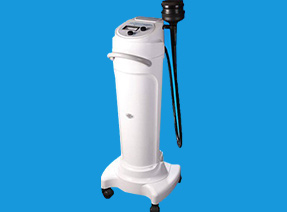
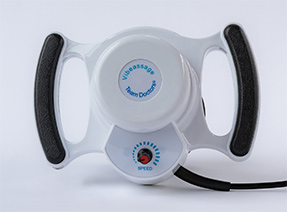
Tools such as the Vibeassage® Sport and Vibeassage® Pro are discussed in educational contexts.
These devices may feature the TDX3 soft-as-the-hand Biomimetic Applicator Pad for soft tissue contact.
Educational discussions focus on how muscle tone may influence space in the thoracic outlet.
Understanding anatomy can help individuals better interpret their symptoms.
Thoracic Outlet Syndrome often requires patience and observation to understand.
Symptoms rarely follow a straight line or simple progression.
Recognizing patterns over time is often more informative than isolated tests.
Team Doctors Resources
✓ Check out the Team Doctors Recovery Tools
The Vibeassage Sport and the Vibeassage Pro featuring the TDX3 soft-as-the-hand Biomimetic Applicator Pad
https://www.teamdoctors.com/
✓ Get Dr. Stoxen’s #1 International Bestselling Books
Learn how to understand, examine, and reverse your TOS—without surgery.
https://drstoxen.com/1-international-best-selling-author/
✓ Check out Team Doctors Online Courses
Step-by-step video lessons, demonstrations, and self-treatment strategies.
https://teamdoctorsacademy.com/
✓ Schedule a Free Phone Consultation With Dr. Stoxen
Speak directly with him so he can review your case and guide you on your next steps.
https://drstoxen.com/appointment/
#ThoracicOutletSyndrome #TOS #ArmNumbness #ShoulderPain #NerveCompression #PostureMatters #UpperExtremity #ChronicPainEducation #Biomechanics #MovementHealth #NeckPain #HandTingling #ClinicalObservation #ConservativeCare #RehabEducation #SoftTissue #VascularSymptoms #NeurologicalSymptoms #PatientEducation #TeamDoctors
References
[1] Sanders, R. J., & Hammond, S. L. “Thoracic outlet syndrome: A review.” Neurologic Clinics 26, no. 2 (2008): 439–454. https://doi.org/10.1016/j.ncl.2008.03.001
[2] Povlsen, B., Hansson, T., & Povlsen, S. D. “Treatment for thoracic outlet syndrome.” Cochrane Database of Systematic Reviews (2014). https://doi.org/10.1002/14651858.CD007218.pub3
[3] Urschel, H. C., & Razzuk, M. A. “Neurovascular compression in the thoracic outlet.” Annals of Thoracic Surgery 49, no. 4 (1990): 621–627. https://doi.org/10.1016/0003-4975(90)90321-C

Dr James Stoxen DC., FSSEMM (hon) He is the president of Team Doctors®, Treatment and Training Center Chicago, one of the most recognized treatment centers in the world.
Dr Stoxen is a #1 International Bestselling Author of the book, The Human Spring Approach to Thoracic Outlet Syndrome. He has lectured at more than 20 medical conferences on his Human Spring Approach to Thoracic Outlet Syndrome and asked to publish his research on this approach to treating thoracic outlet syndrome in over 30 peer review medical journals.
He has been asked to submit his other research on the human spring approach to treatment, training and prevention in over 150 peer review medical journals. He serves as the Editor-in-Chief, Journal of Orthopedic Science and Research, Executive Editor or the Journal of Trauma and Acute Care, Chief Editor, Advances in Orthopedics and Sports Medicine Journal and editorial board for over 35 peer review medical journals.
He is a much sought-after speaker. He has given over 1000 live presentations and lectured at over 70 medical conferences to over 50,000 doctors in more than 20 countries. He has been invited to speak at over 300 medical conferences which includes invitations as the keynote speaker at over 50 medical conferences.
After his groundbreaking lecture on the Integrated Spring-Mass Model at the World Congress of Sports and Exercise Medicine he was presented with an Honorary Fellowship Award by a member of the royal family, the Sultan of Pahang, for his distinguished research and contributions to the advancement of Sports and Exercise Medicine on an International level. He was inducted into the National Fitness Hall of Fame in 2008 and the Personal Trainers Hall of Fame in 2012.
Dr Stoxen has a big reputation in the entertainment industry working as a doctor for over 150 tours of elite entertainers, caring for over 1000 top celebrity entertainers and their handlers. Anthony Field or the popular children’s entertainment group, The Wiggles, wrote a book, How I Got My Wiggle Back detailing his struggles with chronic pain and clinical depression he struggled with for years. Dr Stoxen is proud to be able to assist him.
Full Bio) Dr Stoxen can be reached directly at teamdoctors@aol.com