Many people search late at night asking why nothing helps my arm pain.
That question usually appears after months or years of frustration.
Patients often report that they have already tried therapy, injections, rest, and medications.
They wonder why improvement never lasts.
Others say i’ve tried everything arm pain and still wake up with burning, weakness, or numbness.
This is often when fear starts to replace hope.
In my clinical experience, this emotional shift matters.
It signals that the condition may be progressing rather than resolving.
Thoracic Outlet Syndrome involves compression of nerves or blood vessels as they travel from the neck into the arm.
This compression typically occurs in predictable anatomical zones.
The brachial plexus passes between the scalene muscles in the neck.
It then travels over the first rib and under the clavicle.
Further along, it passes beneath the pectoralis minor near the front of the shoulder.
Any restriction along this path can affect symptoms.
When compression persists, patients describe when arm pain won’t stop.
Pain becomes constant instead of activity related.
Some individuals describe disabling arm pain that interferes with sleep, work, and daily tasks.
Simple movements begin to feel impossible.
Many say they can’t lift arm anymore without sharp or electric sensations.
This loss of confidence is common.
Over time, this can evolve into arm pain disability.
Function is reduced even during basic activities.
Clinically, prolonged compression may contribute to chronic nerve compression damage.
This does not mean nerves are destroyed, but irritation becomes persistent.
Patients often worry about permanent nerve damage risk.
That fear alone can amplify symptom awareness.
Understanding when TOS becomes dangerous requires careful evaluation.
Not all severe pain equals irreversible injury.
However, ignoring progressive symptoms raises concern.
This is why ignoring thoracic outlet syndrome risks should never be dismissed.
In advanced cases, clinicians may describe end stage thoracic outlet syndrome patterns.
These involve constant symptoms and limited positional relief.
Patients living in this stage describe living with thoracic outlet syndrome as exhausting.
Energy and focus decline over time.
Some state that arm pain ruining my life feels like an understatement.
Social withdrawal often follows.
Others notice shoulder pain affecting daily life in subtle ways at first.
Buttoning shirts or carrying groceries becomes difficult.
Eventually, patients report they can’t use my arm without pain.
Even rest positions fail to relieve symptoms.
This leads to chronic nerve pain frustration.
The unpredictability of symptoms adds to stress.
Many ask why won’t my arm heal despite compliance with care plans.
The answer is rarely simple.
From a biomechanical perspective, unresolved compression maintains neural irritation.
Tissues remain sensitized.
Patients begin searching for long term arm pain solutions rather than quick fixes.
They want stability, not temporary relief.
This often includes seeking chronic shoulder nerve pain help from multiple providers.
Second and third opinions become common.
During this phase, arm pain anxiety frequently develops.
Anticipation of pain can worsen muscle tension.
Life becomes defined by life with constant arm pain.
Planning ahead feels necessary for everything.
Functional decline leads to loss of function arm pain scenarios.
Grip strength and endurance may decrease.
Fear escalates into fear of permanent arm damage.
Patients worry about the future of their arm.
This prolonged struggle contributes to chronic pain burnout.
Motivation drops as fatigue rises.
Eventually, some feel desperate for arm pain relief.
This is when high-risk decisions are sometimes made.
Many ask whether surgery is the last option for thoracic outlet syndrome.
That belief often comes from exhaustion, not evidence.
Others directly ask is surgery my only option.
This question deserves careful discussion.
In published literature, surgical outcomes vary widely depending on diagnosis accuracy [1].
Not all patients benefit equally.
Severe symptoms are sometimes labeled severe thoracic outlet syndrome.
Severity alone does not dictate treatment choice.
Another concern is end stage nerve compression terminology.
This phrase is often misunderstood by patients.
Clinicians must differentiate between functional compression and irreversible pathology.
Imaging and physical exams guide this process.
In many cases, patients seek a thoracic outlet syndrome specialist.
Specialized evaluation can clarify uncertainty.
Search terms like best doctor for thoracic outlet syndrome reflect this desire.
Patients want experience, not reassurance.
Others search TOS expert near me hoping for clarity.
Geography often limits options.
Questions like who treats thoracic outlet syndrome appear frequently.
The answer depends on symptom type.
Some pursue a thoracic outlet syndrome second opinion after stalled progress.
This can reveal overlooked factors.
Patients often want a doctor who understands thoracic outlet syndrome mechanics.
Understanding anatomy is critical.
Finding the right provider may involve find thoracic outlet specialist searches.
Persistence becomes necessary.
In evaluations, a proper TOS specialist evaluation includes posture, motion, and symptom reproduction.
It is not based on imaging alone.
Some patients travel to a best treatment center for TOS seeking comprehensive care.
Multidisciplinary teams can be helpful.
Many ask who actually understands TOS after conflicting advice.
Confusion is common.
Choosing a thoracic outlet syndrome doctor should involve careful questions.
Experience matters more than titles.
Others seek a specialist for arm nerve pain when symptoms dominate the forearm and hand.
Nerve-focused exams are essential.
Patients continue searching for the best specialist for TOS.
There is rarely a single answer.
Some consult a nerve compression specialist when neurologic symptoms dominate.
Others focus on vascular input.
Those with swelling or color change may need a vascular thoracic outlet specialist.
Symptom pattern guides referral.
Some are referred to a neurologist for arm nerve pain.
This can help rule out other causes.
Confusion arises around orthopedic vs vascular TOS specialist roles.
Each evaluates different aspects.
Accurate diagnosis often requires a TOS diagnosis specialist familiar with overlap conditions [2].
Mislabeling is common.
Patients ask where to go for TOS when options conflict.
Clear guidance is essential.
Searches for TOS clinic near me reflect urgency.
Local expertise varies widely.
Many pursue a second opinion arm pain evaluation.
Fresh eyes can change direction.
Ultimately, patients want the best care for thoracic outlet syndrome.
That includes proper diagnosis and pacing.
Some seek a doctor for chronic arm pain without a clear label.
TOS is often considered late.
Others need a specialist for unexplained arm pain.
Broad differential diagnosis is critical.
An expert in thoracic outlet syndrome understands biomechanics, not just anatomy.
This distinction matters.
Advanced cases may require a TOS evaluation center with multiple disciplines.
Complex cases benefit from collaboration.
Some travel to an advanced TOS treatment center after years of struggle.
This reflects accumulated frustration.
Optimal care often involves a thoracic outlet syndrome care team.
Coordination improves outcomes.
Many search for the best doctor for arm numbness when sensation changes dominate.
Numbness patterns provide diagnostic clues.
Throughout all stages, education remains essential.
Understanding anatomy reduces fear.
Research emphasizes careful patient selection before invasive procedures [3].
Overtreatment carries risks.
Long-term outcomes improve when evaluation is thorough and patient-centered [4].
This applies across care models.
Thoracic Outlet Syndrome is complex but not mysterious.
Patterns emerge when examined carefully.
Progression is not inevitable.
Misunderstanding often drives despair.
Team Doctors Resources
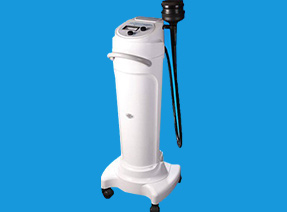
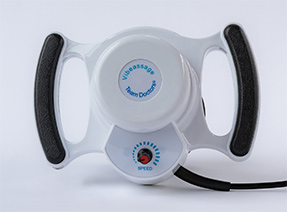
✓ Check out the Team Doctors Recovery Tools
The Vibeassage Sport and the Vibeassage Pro featuring the TDX3 soft-as-the-hand Biomimetic Applicator Pad
https://www.teamdoctors.com/
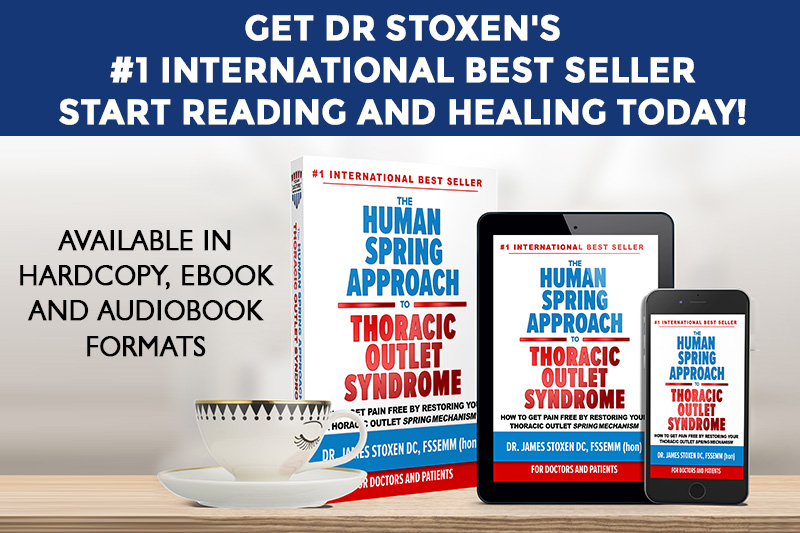
✓ Get Dr. Stoxen’s #1 International Bestselling Books
Learn how to understand, examine, and reverse your TOS—without surgery.
https://drstoxen.com/1-international-best-selling-author/
✓ Check out Team Doctors Online Courses
Step-by-step video lessons, demonstrations, and self-treatment strategies.
https://teamdoctorsacademy.com/
✓ Schedule a Free Phone Consultation With Dr. Stoxen
Speak directly with him so he can review your case and guide you on your next steps.
https://drstoxen.com/appointment/
#ThoracicOutletSyndrome #TOS #ArmPain #NerveCompression #ShoulderPain #ChronicPain #BrachialPlexus #NeckPain #UpperExtremity #PainEducation #PatientAwareness #OrthopedicCare #VascularHealth #Neurology #Biomechanics #Posture #PainScience #MedicalEducation #SecondOpinion #ChronicCondition
References
- Sanders, Richard J., and Neal M. Rao. “The Surgical Treatment of Thoracic Outlet Syndrome.” Journal of Vascular Surgery 49, no. 6 (2009): 1520–1527. https://doi.org/10.1016/j.jvs.2009.02.001
- Illig, Karl A., et al. “Thoracic Outlet Syndrome.” Journal of Vascular Surgery 53, no. 3 (2011): 845–852. https://doi.org/10.1016/j.jvs.2010.10.090
- Peek, J., et al. “Outcome of Surgical Treatment for Thoracic Outlet Syndrome.” Annals of Vascular Surgery 27, no. 7 (2013): 964–971. https://doi.org/10.1016/j.avsg.2013.02.010
- Povlsen, B., et al. “Treatment for Thoracic Outlet Syndrome.” Cochrane Database of Systematic Reviews (2014). https://doi.org/10.1002/14651858.CD007218

Dr James Stoxen DC., FSSEMM (hon) He is the president of Team Doctors®, Treatment and Training Center Chicago, one of the most recognized treatment centers in the world.
Dr Stoxen is a #1 International Bestselling Author of the book, The Human Spring Approach to Thoracic Outlet Syndrome. He has lectured at more than 20 medical conferences on his Human Spring Approach to Thoracic Outlet Syndrome and asked to publish his research on this approach to treating thoracic outlet syndrome in over 30 peer review medical journals.
He has been asked to submit his other research on the human spring approach to treatment, training and prevention in over 150 peer review medical journals. He serves as the Editor-in-Chief, Journal of Orthopedic Science and Research, Executive Editor or the Journal of Trauma and Acute Care, Chief Editor, Advances in Orthopedics and Sports Medicine Journal and editorial board for over 35 peer review medical journals.
He is a much sought-after speaker. He has given over 1000 live presentations and lectured at over 70 medical conferences to over 50,000 doctors in more than 20 countries. He has been invited to speak at over 300 medical conferences which includes invitations as the keynote speaker at over 50 medical conferences.
After his groundbreaking lecture on the Integrated Spring-Mass Model at the World Congress of Sports and Exercise Medicine he was presented with an Honorary Fellowship Award by a member of the royal family, the Sultan of Pahang, for his distinguished research and contributions to the advancement of Sports and Exercise Medicine on an International level. He was inducted into the National Fitness Hall of Fame in 2008 and the Personal Trainers Hall of Fame in 2012.
Dr Stoxen has a big reputation in the entertainment industry working as a doctor for over 150 tours of elite entertainers, caring for over 1000 top celebrity entertainers and their handlers. Anthony Field or the popular children’s entertainment group, The Wiggles, wrote a book, How I Got My Wiggle Back detailing his struggles with chronic pain and clinical depression he struggled with for years. Dr Stoxen is proud to be able to assist him.
Full Bio) Dr Stoxen can be reached directly at teamdoctors@aol.com