Thoracic Outlet Syndrome is commonly discussed in terms of nerve and vascular compression, posture mechanics, and upper-extremity symptoms.
In my clinical experience, many individuals also describe changes in mood, energy, and emotional resilience that appear alongside long-standing symptoms.
Thoracic Outlet Syndrome involves mechanical narrowing of anatomical spaces where neurovascular structures pass between the cervical spine, first rib, clavicle, and shoulder girdle.
This narrowing can contribute to chronic mechanical stress, altered blood flow, and persistent irritation of neural tissues.
Chronic irritation of nerves and surrounding tissues is frequently associated with low-grade inflammatory signaling.
Inflammation is a normal biological response, but when it becomes persistent, it can influence multiple body systems beyond the original site of stress.
Patients often report that long-standing pain and physical limitation are accompanied by depression, low mood, or emotional flattening.
These experiences are not unique to Thoracic Outlet Syndrome and have been described across many chronic musculoskeletal and neurological conditions.
Research in psychiatry and neuroscience increasingly examines how inflammation interacts with the brain and nervous system.
This growing field has expanded understanding of major depressive disorder and other forms of clinical depression.
Depression is commonly categorized as a mood disorder, but modern research shows that mood regulation is influenced by immune signaling, autonomic balance, and metabolic factors.
Inflammatory mediators can interact with neurotransmitter systems involved in motivation, focus, and emotional processing.
Many individuals describe depressive symptoms such as chronic sadness, emotional numbness, and loss of motivation during prolonged illness.
These symptoms are often reported alongside physical fatigue and reduced tolerance to stress.
From a physiological perspective, persistent pain and postural strain can activate stress pathways within the nervous system.
This process may contribute to nervous system dysregulation, altering normal feedback between the brain and body.
Inflammation associated with mechanical stress may influence sleep architecture and circadian rhythms.
Patients often report sleep disturbance, which is closely linked with mood stability and emotional regulation.
Sleep disruption can intensify fatigue and depression, creating a reinforcing cycle that affects daily function.
Reduced restorative sleep is also associated with increased inflammatory markers in multiple studies.
Another frequently described experience is brain fog, characterized by slowed thinking, poor concentration, and reduced mental clarity.
These cognitive complaints are commonly reported in both chronic pain states and depressive conditions.
In individuals with Thoracic Outlet Syndrome, upper-quarter muscle guarding may contribute to altered breathing patterns.
Shallow or inefficient breathing can influence autonomic balance and stress hormone regulation.
Autonomic imbalance has been associated with overlapping patterns of anxiety and depression in clinical research.
This does not imply causation, but it highlights shared physiological pathways.
Inflammatory signaling molecules such as cytokines have been shown to interact with neurotransmitters involved in pleasure and reward.
This interaction may help explain anhedonia, the reduced ability to experience enjoyment.
Irritation of neural tissues may also influence emotional reactivity.
Patients often describe increased irritability and reduced stress tolerance during symptom flare-ups.
Mental and emotional health is not separate from physical health.
The term mental health encompasses emotional regulation, cognitive clarity, motivation, and resilience, all of which can be influenced by physical stressors.
A depressive episode is often defined by duration and severity of symptoms rather than a single cause.
Mechanical stress, inflammation, sleep disruption, and autonomic imbalance may all contribute to symptom persistence.
Research exploring inflammation and depression has expanded rapidly over the past decade.
In 2012, thousands of peer-reviewed articles had already examined this relationship.
One year later, a significant increase in publications demonstrated accelerating interest across neuroscience, psychiatry, and immunology.
This trend suggests growing recognition that inflammation may influence mood regulation.
Thoracic Outlet Syndrome represents one example of a condition where localized mechanical stress may produce broader systemic effects.
This does not mean TOS causes depression, but overlapping mechanisms may exist.
Chronic pain itself has been shown to alter brain structure and function over time.
Neuroimaging studies demonstrate changes in regions associated with emotion, motivation, and threat perception.
Persistent nociceptive input can sensitize neural pathways, increasing responsiveness to stress.
This process may contribute to feelings of hopelessness reported by some individuals.
Reduced physical capacity can limit participation in social and recreational activities.
Over time, this reduction may affect identity, confidence, and emotional well-being.
Inflammation may also influence vascular regulation and cerebral blood flow.
Altered perfusion has been studied in both depressive conditions and chronic pain syndromes.
Individuals experiencing combined physical and emotional symptoms often describe frustration and confusion.
This reaction is understandable when symptoms span multiple systems.
Education plays an important role in helping individuals understand symptom patterns.
Recognizing that physical stress can influence emotional experience may reduce self-blame.
Thoracic Outlet Syndrome is multifactorial, involving posture, repetitive loading, anatomical variation, and neuromuscular control.
Each factor may contribute differently across individuals.
Similarly, depression is heterogeneous, with biological, psychological, and social influences.
Inflammation represents one area of overlap rather than a single explanation.
In clinical observation, symptom improvement often parallels improved sleep, movement tolerance, and stress regulation.
This pattern suggests interconnected systems rather than isolated problems.
Research continues to explore how reducing inflammatory load may influence mood outcomes.
These investigations span lifestyle, movement, nutrition, and stress-modulating interventions.
Understanding shared pathways may encourage more integrated educational approaches.
This perspective emphasizes system balance rather than isolated symptom focus.
Thoracic Outlet Syndrome highlights how mechanical stress can influence neurological signaling.
Depression research highlights how immune and nervous system interactions influence mood.
When viewed together, these fields suggest that chronic physical stress may have broader effects than previously recognized.
This understanding continues to evolve as research expands.
The goal of ongoing research is not to reduce complex conditions to single causes.
Instead, it aims to clarify relationships among systems.
Education empowers individuals to ask better questions and recognize patterns.
This awareness may support more informed conversations with healthcare professionals.
Team Doctors Resources
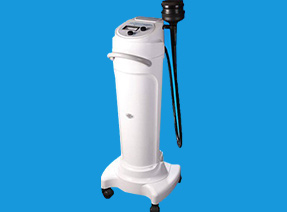
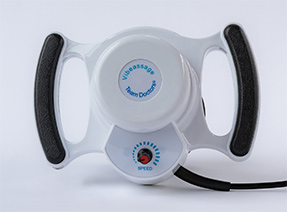
✓ Check out the Team Doctors Recovery Tools
The Vibeassage Sport and the Vibeassage Pro featuring the TDX3 soft-as-the-hand Biomimetic Applicator Pad
https://www.teamdoctors.com/
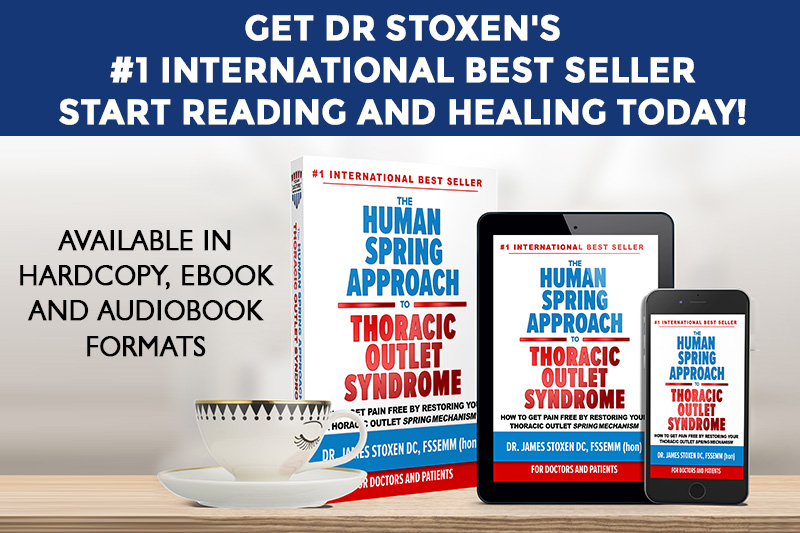
✓ Get Dr. Stoxen’s #1 International Bestselling Books
Learn how to understand, examine, and reverse your TOS—without surgery.
https://drstoxen.com/1-international-best-selling-author/
✓ Check out Team Doctors Online Courses
Step-by-step video lessons, demonstrations, and self-treatment strategies.
https://teamdoctorsacademy.com/
✓ Schedule a Free Phone Consultation With Dr. Stoxen
Speak directly with him so he can review your case and guide you on your next steps.
https://drstoxen.com/appointment/
#ThoracicOutletSyndrome #TOS #Inflammation #DepressionResearch #MoodDisorders #ChronicPain #NervousSystem #MentalHealth #Neuroinflammation #Posture #PainScience #BrainHealth #StressPhysiology #SleepHealth #AutonomicNervousSystem #ClinicalEducation #Rehabilitation #Biomechanics #PatientEducation #HealthResearch
References
- Miller, Andrew H., and Charles L. Raison. “The Role of Inflammation in Depression.” Nature Reviews Immunology 16, no. 1 (2016): 22–34. https://www.nature.com/articles/nri.2015.5
- Dantzer, Robert, et al. “From Inflammation to Sickness and Depression.” Nature Reviews Neuroscience 9, no. 1 (2008): 46–56. https://www.nature.com/articles/nrn2297
- Slavich, George M., and Michael R. Irwin. “From Stress to Inflammation and Major Depressive Disorder.” Psychological Bulletin 140, no. 3 (2014): 774–815. https://psycnet.apa.org/record/2014-05778-001
- Boulanger, Luc, et al. “Chronic Pain and Depression.” Journal of Clinical Psychiatry 70, no. 7 (2009): 1006–1011. https://www.psychiatrist.com/jcp/chronic-pain-depression/

Dr James Stoxen DC., FSSEMM (hon) He is the president of Team Doctors®, Treatment and Training Center Chicago, one of the most recognized treatment centers in the world.
Dr Stoxen is a #1 International Bestselling Author of the book, The Human Spring Approach to Thoracic Outlet Syndrome. He has lectured at more than 20 medical conferences on his Human Spring Approach to Thoracic Outlet Syndrome and asked to publish his research on this approach to treating thoracic outlet syndrome in over 30 peer review medical journals.
He has been asked to submit his other research on the human spring approach to treatment, training and prevention in over 150 peer review medical journals. He serves as the Editor-in-Chief, Journal of Orthopedic Science and Research, Executive Editor or the Journal of Trauma and Acute Care, Chief Editor, Advances in Orthopedics and Sports Medicine Journal and editorial board for over 35 peer review medical journals.
He is a much sought-after speaker. He has given over 1000 live presentations and lectured at over 70 medical conferences to over 50,000 doctors in more than 20 countries. He has been invited to speak at over 300 medical conferences which includes invitations as the keynote speaker at over 50 medical conferences.
After his groundbreaking lecture on the Integrated Spring-Mass Model at the World Congress of Sports and Exercise Medicine he was presented with an Honorary Fellowship Award by a member of the royal family, the Sultan of Pahang, for his distinguished research and contributions to the advancement of Sports and Exercise Medicine on an International level. He was inducted into the National Fitness Hall of Fame in 2008 and the Personal Trainers Hall of Fame in 2012.
Dr Stoxen has a big reputation in the entertainment industry working as a doctor for over 150 tours of elite entertainers, caring for over 1000 top celebrity entertainers and their handlers. Anthony Field or the popular children’s entertainment group, The Wiggles, wrote a book, How I Got My Wiggle Back detailing his struggles with chronic pain and clinical depression he struggled with for years. Dr Stoxen is proud to be able to assist him.
Full Bio) Dr Stoxen can be reached directly at teamdoctors@aol.com