Paget–Schrötter syndrome is one of the most serious and potentially life-threatening conditions associated with thoracic outlet syndrome. It is also known as effort thrombosis and primarily affects the venous system of the upper extremity.
This condition develops when repetitive arm activity combined with anatomical narrowing compresses the subclavian vein. The resulting obstruction disrupts normal blood flow and sets the stage for clot formation.
Patients often first notice arm swelling that appears suddenly after physical exertion. This swelling may worsen rapidly and is frequently accompanied by a visible color change of the arm or hand.
Another common complaint is pain in arm, which may feel deep, aching, or pressure-like. The discomfort is often out of proportion to what would be expected from routine muscle soreness.
Many individuals describe a heavy feeling in arm that makes even light activity difficult. This sensation reflects venous congestion rather than nerve or muscle injury.
In venous thoracic outlet compression, blood struggles to exit the arm efficiently. Over time, pressure builds and veins become distended, leading to visible surface changes.
Patients may notice prominent chest wall veins developing across the shoulder and upper chest. These veins form as the body attempts to reroute blood around the obstruction.
A classic visual sign is cyanotic discoloration, where the arm or hand takes on a bluish or purplish hue. This occurs because deoxygenated blood is pooling in the limb.
Some individuals report a blue hand that becomes more noticeable when the arm is lowered or used repeatedly. Elevation may temporarily improve the color.
Another hallmark finding is upper extremity swelling that does not resolve with rest alone. This distinguishes venous TOS from simple overuse injuries.
Pain may extend beyond the arm itself. Pain in shoulder and pain in chest are frequently reported due to pressure and congestion in surrounding tissues.
Symptoms often escalate quickly following intense or repetitive arm activity. Many patients describe sudden arm swelling after exertion as the moment they realized something was wrong.
This pattern is characteristic of effort thrombosis, where mechanical compression and repetitive motion combine to injure the vein wall. The damaged lining triggers clot formation.
As the clot grows, venous pressure increases further, worsening swelling and discomfort. At this stage, medical evaluation becomes urgent.
One of the most dangerous complications is DVT (deep vein thrombosis) of the upper extremity. Unlike lower limb clots, these are less common and often overlooked.
If part of the clot breaks loose, there is a real risk of pulmonary embolism. This occurs when the clot travels through the heart and lodges in the lungs.
Patients experiencing embolic complications may develop shortness of breath, rapid breathing, or a sudden increase in heart rate. These signs require immediate medical attention.
Because symptoms can overlap with musculoskeletal conditions, imaging plays a central role in diagnosis. Identifying venous obstruction early can be lifesaving.
Initial screening often includes duplex ultrasound, which evaluates blood flow and vein compressibility. This test is widely available and noninvasive.
A focused doppler ultrasound can detect reduced flow, vein narrowing, or clot presence in the subclavian and axillary veins. However, it may miss deeper compression.
For more detailed assessment, advanced imaging is frequently required. MRI venography provides high-resolution views of venous anatomy and surrounding structures.
Some facilities use MR venography or combined MRI / MRV protocols to visualize both soft tissue and vascular flow during different arm positions.
Cross-sectional imaging such as CT venography can also demonstrate venous narrowing, thrombosis, and bony contributors to compression.
Traditional venography remains a reference standard in many vascular centers. Contrast dye outlines the vein and reveals obstruction or collateral channels.
In chronic cases, the body attempts compensation through collateral vein formation. These alternate pathways are often visible on imaging studies.
Clinicians may observe venous engorgement proximal to the compression site. This reflects sustained pressure buildup within the vein.
Some patients develop collateral vein prominence across the shoulder or neck as the condition progresses. These changes are rarely subtle.
Swelling may extend into the neck, producing swelling above clavicle. This finding strongly suggests proximal venous obstruction.
Activity-related discomfort is common, including throbbing pain after activity that lingers long after exertion stops.
Comprehensive evaluation often includes thoracic outlet syndrome imaging performed in both neutral and provocative arm positions. This helps demonstrate dynamic compression.
A dedicated thoracic outlet MRI can identify muscular, fibrous, or bony structures contributing to venous narrowing.
In some individuals, congenital anomalies play a role. Cervical rib MRI or X-ray of cervical rib imaging may reveal extra ribs or elongated transverse processes.
Standard diagnostic tests MRI and diagnostic tests X-ray are often combined to fully assess both soft tissue and skeletal contributors.
Ultrasound protocols specific to venous compression include thoracic outlet syndrome ultrasound, which evaluates flow changes with arm elevation.
Specialized centers may follow a Thoracic outlet syndrome MRI protocol to ensure consistent and reproducible imaging results.
While Paget–Schrötter syndrome is venous in nature, imaging also helps distinguish it from arterial thoracic outlet involvement, which has different risks and findings.
Clear visualization of thoracic outlet images allows clinicians to understand the mechanical environment affecting the vein.
Once a clot is identified, management decisions are guided by imaging severity and symptom progression. In many cases, catheter-based intervention is considered.
Catheter-directed thrombolysis delivers medication directly into the clot to dissolve it in a controlled manner. This approach aims to restore venous patency.
After clot resolution, physicians reassess the thoracic outlet anatomy. Persistent compression may prompt discussion of surgical decompression.
This may involve resection of the first rib and surrounding muscles to relieve pressure on the vein. The goal is long-term prevention of recurrence.
In my clinical experience, delayed recognition leads to more extensive clot burden and prolonged recovery. Early imaging is critical.
Patients often report that symptoms were initially dismissed as muscle strain or overuse. Awareness of venous TOS patterns improves outcomes.
Many individuals describe dramatic symptom onset rather than gradual progression. This sudden change is a key diagnostic clue.
Paget–Schrötter syndrome illustrates how biomechanics, anatomy, and vascular flow intersect within the thoracic outlet. Understanding this relationship is essential.
Accurate diagnosis depends on correlating clinical presentation with targeted imaging. No single test provides all the answers.
A systematic approach ensures that dangerous complications are identified before irreversible damage occurs. Education remains a cornerstone of prevention.
Team Doctors Resources
✓ Check out the Team Doctors Recovery Tools
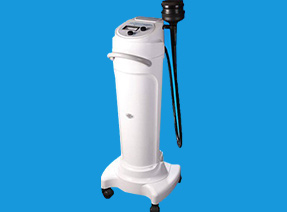
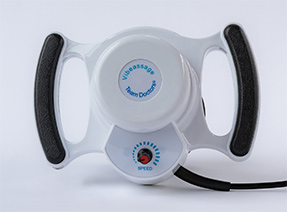
The Vibeassage Sport and the Vibeassage Pro featuring the TDX3 soft-as-the-hand Biomimetic Applicator Pad
https://www.teamdoctors.com/
✓ Get Dr. Stoxen’s #1 International Bestselling Books
Learn how to understand, examine, and reverse your TOS—without surgery.
https://drstoxen.com/1-international-best-selling-author/
✓ Check out Team Doctors Online Courses
Step-by-step video lessons, demonstrations, and self-treatment strategies.
https://teamdoctorsacademy.com/
✓ Schedule a Free Phone Consultation With Dr. Stoxen
Speak directly with him so he can review your case and guide you on your next steps.
https://drstoxen.com/appointment/
#ThoracicOutletSyndrome #TOS #PagetSchroetterSyndrome #EffortThrombosis #VenousTOS #UpperExtremityDVT #VascularImaging #MRI #MRV #CTVenography #Venography #DopplerUltrasound #SubclavianVein #BrachialPlexus #ThoracicOutlet #MedicalImaging #VascularHealth #ClotAwareness #DiagnosticImaging #TeamDoctors
References
- Illig, K. A., et al. “Thoracic Outlet Syndrome.” Journal of Vascular Surgery 49, no. 5 (2009): 132–140. https://doi.org/10.1016/j.jvs.2008.08.079
- Urschel, H. C., and Razzuk, M. A. “Paget–Schrötter Syndrome: What Is the Best Management?” Annals of Thoracic Surgery 69, no. 6 (2000): 1663–1668. https://doi.org/10.1016/S0003-4975(00)01239-8
- Thompson, R. W., et al. “Venous Thoracic Outlet Syndrome.” Seminars in Vascular Surgery 28, no. 1 (2015): 201–209. https://doi.org/10.1053/j.semvascsurg.2015.04.002
- Peek, J., et al. “Outcome of Surgical Treatment for Effort Thrombosis.” European Journal of Vascular and Endovascular Surgery 48, no. 6 (2014): 715–721. https://doi.org/10.1016/j.ejvs.2014.08.008

Dr James Stoxen DC., FSSEMM (hon) He is the president of Team Doctors®, Treatment and Training Center Chicago, one of the most recognized treatment centers in the world.
Dr Stoxen is a #1 International Bestselling Author of the book, The Human Spring Approach to Thoracic Outlet Syndrome. He has lectured at more than 20 medical conferences on his Human Spring Approach to Thoracic Outlet Syndrome and asked to publish his research on this approach to treating thoracic outlet syndrome in over 30 peer review medical journals.
He has been asked to submit his other research on the human spring approach to treatment, training and prevention in over 150 peer review medical journals. He serves as the Editor-in-Chief, Journal of Orthopedic Science and Research, Executive Editor or the Journal of Trauma and Acute Care, Chief Editor, Advances in Orthopedics and Sports Medicine Journal and editorial board for over 35 peer review medical journals.
He is a much sought-after speaker. He has given over 1000 live presentations and lectured at over 70 medical conferences to over 50,000 doctors in more than 20 countries. He has been invited to speak at over 300 medical conferences which includes invitations as the keynote speaker at over 50 medical conferences.
After his groundbreaking lecture on the Integrated Spring-Mass Model at the World Congress of Sports and Exercise Medicine he was presented with an Honorary Fellowship Award by a member of the royal family, the Sultan of Pahang, for his distinguished research and contributions to the advancement of Sports and Exercise Medicine on an International level. He was inducted into the National Fitness Hall of Fame in 2008 and the Personal Trainers Hall of Fame in 2012.
Dr Stoxen has a big reputation in the entertainment industry working as a doctor for over 150 tours of elite entertainers, caring for over 1000 top celebrity entertainers and their handlers. Anthony Field or the popular children’s entertainment group, The Wiggles, wrote a book, How I Got My Wiggle Back detailing his struggles with chronic pain and clinical depression he struggled with for years. Dr Stoxen is proud to be able to assist him.
Full Bio) Dr Stoxen can be reached directly at teamdoctors@aol.com