Thoracic Outlet Syndrome, often shortened to TOS, describes a group of conditions where nerves or blood vessels are compressed as they travel from the neck to the arm.
In vascular forms of TOS, changes in circulation become a central feature, and patients often notice symptoms in the arm rather than the neck.
Many individuals seek care because of poor circulation in arm sensations that develop gradually or appear after activity.
Patients often report heaviness, pressure, or unusual color changes that differ from typical muscle soreness.
One of the most common early complaints is arm swelling and pain that seems out of proportion to activity.
This swelling may increase during the day or after repetitive use of the arm.
Some individuals describe blue or purple arm symptoms, especially when the arm is positioned overhead or used forcefully.
Color changes like this suggest altered blood flow rather than simple muscle fatigue.
A cold hand circulation problem may also be noticed, particularly in cooler environments.
Patients often compare the affected hand to the opposite side and notice a clear temperature difference.
From a biomechanical standpoint, vascular TOS involves blood flow blocked to arm structures passing through narrow anatomical corridors.
These corridors include the space between the scalene muscles, the clavicle, and the first rib.
As compression increases, arm heaviness and swelling may become more persistent.
This sensation is often described as tightness or fullness deep in the arm.
In many cases, this pattern is associated with vein compression in shoulder regions beneath the clavicle.
Venous structures are particularly vulnerable during repetitive overhead or forceful arm movements.
Clinicians often group these findings under vascular thoracic outlet symptoms, which differ from purely neurologic presentations.
Vascular patterns tend to involve visible changes rather than tingling alone.
Patients frequently notice arm swelling after activity, especially after exercise or work involving the upper extremity.
The swelling may partially resolve with rest but returns when activity resumes.
Another common description involves blood flow issues in arm that fluctuate with posture.
Simple movements such as lifting the arm can change symptoms dramatically.
Over time, these patterns evolve into persistent arm circulation problems that interfere with daily tasks.
Carrying objects, typing, or driving may aggravate symptoms.
Visible changes such as hand swelling and discoloration are often concerning to patients.
They may notice rings fitting more tightly or sleeves feeling restrictive.
Some individuals specifically report a blue or purple hand when the arm hangs down.
This discoloration may improve when the arm is elevated.
Clinically, these findings align with vein compression symptoms arm patterns seen in vascular TOS.
They help distinguish vascular involvement from isolated nerve irritation.
At the shoulder level, vascular compression shoulder mechanisms are influenced by posture, muscle tone, and skeletal anatomy.
Rounded shoulders and forward head posture can further narrow the outlet.
Patients often describe that the arm feels heavy and tight, particularly at the end of the day.
This sensation reflects impaired venous return rather than muscle weakness.
Exercise-related complaints such as a swollen arm after exercise are frequently reported by active individuals.
Athletes and manual laborers may notice sudden changes after training.
These complaints fit within broader arm circulation disorder symptoms that require careful evaluation.
They are not explained by simple strain or overuse alone.
When compression persists, reduced blood flow to arm tissues can affect endurance and recovery.
Patients may fatigue quickly during repetitive tasks.
A key mechanical factor is arm swelling from compression at the thoracic outlet.
This swelling reflects altered venous drainage rather than inflammation alone.
Some presentations involve combined vascular nerve compression symptoms, producing mixed sensory and circulatory findings.
This overlap can complicate diagnosis without a thorough examination.
Clinicians also evaluate blood flow problems shoulder by observing symptom changes with arm positioning.
Provocative maneuvers help reproduce the patient’s typical complaints.
Color changes described as arm color changes pain are especially relevant in vascular assessments.
These signs suggest involvement beyond soft tissue strain.
Recognizing vascular tos signs early is important for appropriate referral and imaging decisions.
Delay can allow symptoms to progress and become more severe.
In advanced cases, blood flow obstruction arm patterns may emerge suddenly.
Patients may wake with dramatic swelling that was not present the night before.
One serious consideration discussed in medical literature is the risk of pulmonary embolism associated with venous obstruction.
This highlights why sudden, severe swelling requires immediate medical evaluation.
From a diagnostic standpoint, noninvasive tests such as duplex ultrasound are often used to assess venous flow.
This modality allows dynamic evaluation during positional changes.
Advanced evaluation relies on thoracic outlet syndrome imaging to visualize anatomical relationships.
Imaging helps clarify whether compression occurs at rest or with movement.
Magnetic resonance studies, including thoracic outlet MRI, provide detailed views of soft tissues and vessels.
Protocols are designed to assess the outlet in neutral and stressed positions.
In certain cases, contrast-based studies such as venography are used to outline venous pathways.
These images help identify narrowing, collateral flow, or obstruction patterns.
Understanding vascular Thoracic Outlet Syndrome requires integrating symptoms, examination findings, and imaging results.
No single test alone defines the condition.
In clinical experience, careful listening to symptom patterns guides appropriate diagnostic choices.
Patients often provide the most valuable clues through their descriptions.
Thoracic Outlet Syndrome remains a complex condition influenced by anatomy, posture, and activity demands.
Education helps individuals understand why symptoms fluctuate and how they are evaluated.
By recognizing circulation-related patterns early, clinicians can better differentiate vascular involvement from other causes of arm discomfort.
This structured approach supports informed decision-making and appropriate medical referral.
Team Doctors Resources
✓ Check out the Team Doctors Recovery Tools
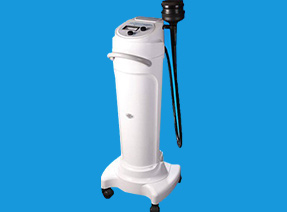
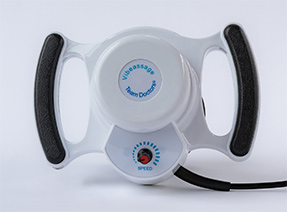
The Vibeassage Sport and the Vibeassage Pro featuring the TDX3 soft-as-the-hand Biomimetic Applicator Pad
https://www.teamdoctors.com/
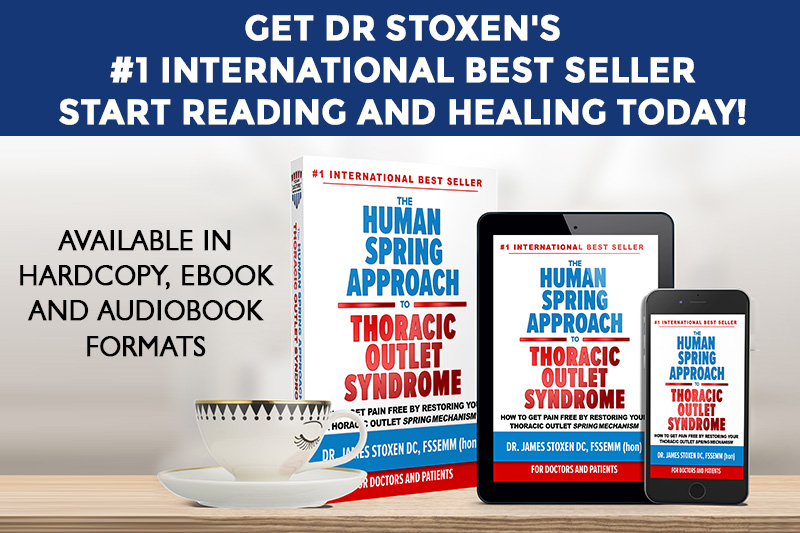
✓ Get Dr. Stoxen’s #1 International Bestselling Books
Learn how to understand, examine, and reverse your TOS—without surgery.
https://drstoxen.com/1-international-best-selling-author/
✓ Check out Team Doctors Online Courses
Step-by-step video lessons, demonstrations, and self-treatment strategies.
https://teamdoctorsacademy.com/
✓ Schedule a Free Phone Consultation With Dr. Stoxen
Speak directly with him so he can review your case and guide you on your next steps.
https://drstoxen.com/appointment/
#ThoracicOutletSyndrome #TOS #VascularTOS #ArmSwelling #CirculationProblems #ShoulderCompression #VenousCompression #MedicalImaging #DuplexUltrasound #ThoracicMRI #Venography #UpperExtremity #VascularHealth #ClinicalEducation #Biomechanics #PostureMatters #BloodFlow #ArmPain #MedicalAwareness #PatientEducation
References
- Illig, Karl A., et al. “Thoracic Outlet Syndrome.” Journal of Vascular Surgery 55, no. 3 (2012): 897–905. https://doi.org/10.1016/j.jvs.2011.12.006
- Peek, Joris, et al. “Diagnosing Thoracic Outlet Syndrome: Current Approaches.” Diagnostics 8, no. 1 (2018): 21. https://doi.org/10.3390/diagnostics8010021
- Chang, David C., et al. “Venous Thoracic Outlet Syndrome.” Seminars in Vascular Surgery 28, no. 2 (2015): 54–59. https://doi.org/10.1053/j.semvascsurg.2015.06.002
- Thompson, Robert W. “Comprehensive Management of Thoracic Outlet Syndrome.” Journal of Vascular Surgery 49, no. 5 (2009): 133–141. https://doi.org/10.1016/j.jvs.2009.01.025

Dr James Stoxen DC., FSSEMM (hon) He is the president of Team Doctors®, Treatment and Training Center Chicago, one of the most recognized treatment centers in the world.
Dr Stoxen is a #1 International Bestselling Author of the book, The Human Spring Approach to Thoracic Outlet Syndrome. He has lectured at more than 20 medical conferences on his Human Spring Approach to Thoracic Outlet Syndrome and asked to publish his research on this approach to treating thoracic outlet syndrome in over 30 peer review medical journals.
He has been asked to submit his other research on the human spring approach to treatment, training and prevention in over 150 peer review medical journals. He serves as the Editor-in-Chief, Journal of Orthopedic Science and Research, Executive Editor or the Journal of Trauma and Acute Care, Chief Editor, Advances in Orthopedics and Sports Medicine Journal and editorial board for over 35 peer review medical journals.
He is a much sought-after speaker. He has given over 1000 live presentations and lectured at over 70 medical conferences to over 50,000 doctors in more than 20 countries. He has been invited to speak at over 300 medical conferences which includes invitations as the keynote speaker at over 50 medical conferences.
After his groundbreaking lecture on the Integrated Spring-Mass Model at the World Congress of Sports and Exercise Medicine he was presented with an Honorary Fellowship Award by a member of the royal family, the Sultan of Pahang, for his distinguished research and contributions to the advancement of Sports and Exercise Medicine on an International level. He was inducted into the National Fitness Hall of Fame in 2008 and the Personal Trainers Hall of Fame in 2012.
Dr Stoxen has a big reputation in the entertainment industry working as a doctor for over 150 tours of elite entertainers, caring for over 1000 top celebrity entertainers and their handlers. Anthony Field or the popular children’s entertainment group, The Wiggles, wrote a book, How I Got My Wiggle Back detailing his struggles with chronic pain and clinical depression he struggled with for years. Dr Stoxen is proud to be able to assist him.
Full Bio) Dr Stoxen can be reached directly at teamdoctors@aol.com