Cervical ribs are extra ribs located at the very top of the rib cage, above the normal first rib. Most people are born with twelve ribs, but some individuals have thirteen ribs, partial ribs, or variations such as elongated transverse processes. These differences are congenital and present from birth.
In clinical practice, cervical ribs are frequently discovered incidentally. They are often identified during imaging studies performed for unrelated reasons. The simple presence of an anatomical variation does not automatically explain pain or neurological symptoms.
The confusion begins when symptoms develop years later. A person may live twenty or thirty years without discomfort, function normally, and never experience limitations. Then symptoms associated with thoracic outlet compression begin to appear.
This raises an important question. If the rib has been present since birth, why would symptoms suddenly start decades later? Anatomy alone does not explain delayed onset.
Patients often report neck pain that develops gradually rather than suddenly. Others describe discomfort spreading into the shoulder, arm, or hand. These patterns are not specific to bones but to soft tissue tension and load transfer.
A cervical rib may show up on imaging, but imaging does not explain biomechanics. Pain is rarely caused by bone presence alone without a change in the surrounding mechanical environment.
The thoracic outlet is a dynamic space. It is not a fixed tunnel carved in stone. It changes shape with posture, movement, breathing, and muscle tone.
The brachial plexus and subclavian vessels pass through this region. Their available space depends on shoulder suspension, muscle balance, and rib positioning during motion.
When this system functions normally, nerves and vessels glide freely. Compression occurs only when adaptive changes reduce available space over time.
Many individuals with extra rib anatomy never develop symptoms. Others with completely normal skeletal anatomy experience severe thoracic outlet complaints. This inconsistency highlights the role of mechanics rather than structure alone.
Symptoms often begin after prolonged postural stress. Desk work, screen use, protective muscle guarding, and breathing changes gradually alter shoulder position.
As the shoulder girdle loses suspension, the clavicle may settle downward. This can change the relationship between the clavicle, first rib, and surrounding muscles.
Patients may notice shoulder pain that worsens with overhead activity. Others report aching between the shoulder blades or along the collarbone.
Neurological symptoms may follow. Tingling, numbness, or weakness can develop in the arm or hand. These sensations fluctuate with posture rather than remaining constant.
This variability is a key clinical observation. Structural compression would produce constant symptoms. Mechanical compression produces position-dependent symptoms.
Despite this, imaging findings often drive decisions. A cervical rib identified on an X-ray can become the focal point of concern.
Common terms such as cervical rib syndrome are sometimes used loosely. However, the term itself does not define a mechanism, only an association.
The presence of a cervical rib does not confirm it as the source of compression. It simply indicates an anatomical variation that has existed for years.
In clinical experience, patients with long-standing cervical ribs often develop symptoms only after changes in muscle tone, posture, or movement patterns.
This is why focusing exclusively on anatomy can be misleading. Removing a rib does not address why the thoracic outlet lost space in the first place.
Imaging studies such as cervical rib x ray can confirm bone anatomy. They cannot show muscle tension, nerve mobility, or dynamic compression.
Advanced imaging such as cervical rib MRI may reveal soft tissue relationships, but static images still fail to capture movement-based compression.
Provocative tests are often used during physical examination. Adson’s test and Roos test attempt to reproduce symptoms through positional changes.
Positive findings suggest dynamic compression rather than fixed obstruction. These tests highlight how posture and movement affect the thoracic outlet.
Another assessment, the cervical rotation lateral flexion test, can indicate tension within the scalene muscles. Again, this reflects soft tissue involvement rather than bone pathology.
Symptoms frequently include arm pain, hand numbness, or hand weakness. These complaints fluctuate and often worsen with sustained positions.
Some patients describe cold hands, which suggests vascular involvement. Others experience fatigue or heaviness in the arm during use.
The term symptoms itself encompasses a wide range of experiences. This variability supports a functional cause rather than a single anatomical culprit.
Cervical ribs are sometimes associated with 1st rib syndrome, but the first rib itself is rarely the primary problem. Its position is influenced by surrounding muscles and breathing patterns.
The clavicle plays a critical role in thoracic outlet mechanics. Changes in clavicular position can reduce space beneath it, especially during prolonged slouched posture.
Patients may notice clavicle pain, a visible raised clavicle, or prominence clavicle asymmetry when comparing sides.
These findings point to altered shoulder mechanics. They are not caused by ribs growing or shifting but by muscle tone and loading patterns.
Neurological symptoms such as arm numbness or numb hands often worsen during sleep or prolonged sitting. This timing reflects postural compression rather than structural impingement.
In many cases, imaging reveals an accessory cervical rib or partial rib that has been present all along. Its discovery often triggers concern disproportionate to its role.
The fear surrounding cervical ribs can lead to discussions of cervical rib surgery. However, surgery addresses anatomy, not mechanics.
Procedures such as cervical rib removal or cervical rib resection permanently alter structure. They do not restore shoulder suspension or muscle balance.
Recovery expectations such as cervical rib surgery recovery time vary widely. Outcomes depend on whether the underlying mechanical problem is addressed.
Some individuals experience persistent symptoms even after rib removal. This suggests that the rib was not the primary driver of compression.
The concept of cervical rib complications must be considered carefully. Complications are often attributed to anatomy when functional factors persist.
Terms like cervical rib pain and cervical rib diagnosis are frequently used interchangeably with thoracic outlet syndrome. This overlap adds to confusion.
A more accurate understanding recognizes that cervical rib and thoracic outlet syndrome are not synonymous. One is anatomy, the other is a mechanical condition.
From a biomechanical perspective, thoracic outlet compression develops as tissues lose adaptability. Muscles become chronically shortened or guarded.
Scalene muscle tension is common. These muscles attach directly to cervical vertebrae and ribs, influencing rib position during breathing.
When breathing becomes shallow and chest-dominant, scalene tone increases. This elevates the ribs and reduces available space.
Over time, this contributes to sensations such as tingling in collarbone or discomfort during neck rotation.
Shoulder loading patterns also change. Without adequate suspension, the shoulder girdle compresses downward during activity.
This can manifest as shoulder blade pain or a feeling of heaviness in the arm after use.
The term shoulder-arm syndrome is sometimes used to describe this pattern of referred discomfort. Again, this reflects mechanics rather than bone pathology.
Exercise discussions often arise. Cervical rib exercises are frequently searched, but exercises do not change rib anatomy.
Movement strategies can influence muscle tone, posture, and breathing mechanics. These factors directly affect thoracic outlet space.
Similarly, cervical rib treatment discussions should focus on restoring dynamic balance rather than eliminating anatomy.
Imaging such as X-ray cervical rib or MRI cervical rib provides valuable information. However, findings must be interpreted within a functional context.
The phrase cervical rib anatomy simply describes structure. It does not define cause-and-effect relationships.
Patients are sometimes told that their symptoms are inevitable due to bone structure. This belief can increase fear and reduce confidence in movement.
In clinical observation, fear-driven guarding worsens muscle tension. This further narrows the thoracic outlet.
Understanding this cycle is critical. Symptoms are often maintained by protective patterns rather than fixed obstruction.
Thoracic outlet syndrome develops when adaptability is lost. It is a condition of load, posture, and movement over time.
Cervical ribs are often innocent bystanders. Their presence becomes relevant only when the surrounding system loses resilience.
This distinction matters greatly when considering invasive interventions. Removing a rib does not teach the body how to move differently.
It also does not address breathing mechanics, shoulder suspension, or muscle coordination.
Education plays a central role. Patients benefit from understanding why symptoms appeared now rather than decades earlier.
This perspective reduces fear and reframes the condition as a mechanical adaptation rather than a structural defect.
In summary, cervical ribs are congenital variations that exist in many people without symptoms. Thoracic outlet syndrome arises when dynamic factors reduce available space.
The two are often linked in name but not in cause. Confusing anatomy with mechanics can lead to unnecessary interventions.
A clear understanding allows better decision-making. Anatomy should be respected, but function must be addressed.
Team Doctors Resources
✓ Check out the Team Doctors Recovery Tools
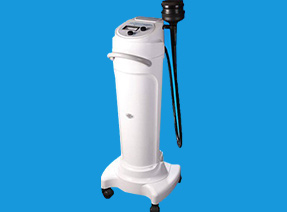
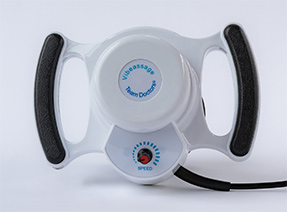
The Vibeassage Sport and the Vibeassage Pro featuring the TDX3 soft-as-the-hand Biomimetic Applicator Pad
https://www.teamdoctors.com/
✓ Get Dr. Stoxen’s #1 International Bestselling Books
Learn how to understand, examine, and reverse your TOS—without surgery.
https://drstoxen.com/1-international-best-selling-author/
✓ Check out Team Doctors Online Courses
Step-by-step video lessons, demonstrations, and self-treatment strategies.
https://teamdoctorsacademy.com/
✓ Schedule a Free Phone Consultation With Dr. Stoxen
Speak directly with him so he can review your case and guide you on your next steps.
https://drstoxen.com/appointment/
#ThoracicOutletSyndrome #TOS #CervicalRib #BrachialPlexus #PostureMechanics #ShoulderPain #NeckPain #NerveCompression #VascularCompression #ClaviclePain #ArmNumbness #HandWeakness #Biomechanics #MuscleGuarding #ChronicTension #OrthopedicAssessment #MovementScience #PatientEducation #AnatomyVsFunction #TeamDoctors
References
- Atasoy, E. “Thoracic Outlet Syndrome: Anatomy.” Hand Clinics 20, no. 1 (2004): 7–14. https://doi.org/10.1016/S0749-0712(03)00089-9
- Sanders, R.J., and Hammond, S.L. “Management of Cervical Ribs and Thoracic Outlet Syndrome.” Journal of Vascular Surgery 46, no. 3 (2007): 601–604. https://doi.org/10.1016/j.jvs.2007.05.037
- Illig, K.A., et al. “Thoracic Outlet Syndrome.” Journal of Vascular Surgery 53, no. 3 (2011): 845–852. https://doi.org/10.1016/j.jvs.2010.07.053
- Povlsen, B., et al. “Treatment for Thoracic Outlet Syndrome.” Cochrane Database of Systematic Reviews (2014). https://doi.org/10.1002/14651858.CD007218

Dr James Stoxen DC., FSSEMM (hon) He is the president of Team Doctors®, Treatment and Training Center Chicago, one of the most recognized treatment centers in the world.
Dr Stoxen is a #1 International Bestselling Author of the book, The Human Spring Approach to Thoracic Outlet Syndrome. He has lectured at more than 20 medical conferences on his Human Spring Approach to Thoracic Outlet Syndrome and asked to publish his research on this approach to treating thoracic outlet syndrome in over 30 peer review medical journals.
He has been asked to submit his other research on the human spring approach to treatment, training and prevention in over 150 peer review medical journals. He serves as the Editor-in-Chief, Journal of Orthopedic Science and Research, Executive Editor or the Journal of Trauma and Acute Care, Chief Editor, Advances in Orthopedics and Sports Medicine Journal and editorial board for over 35 peer review medical journals.
He is a much sought-after speaker. He has given over 1000 live presentations and lectured at over 70 medical conferences to over 50,000 doctors in more than 20 countries. He has been invited to speak at over 300 medical conferences which includes invitations as the keynote speaker at over 50 medical conferences.
After his groundbreaking lecture on the Integrated Spring-Mass Model at the World Congress of Sports and Exercise Medicine he was presented with an Honorary Fellowship Award by a member of the royal family, the Sultan of Pahang, for his distinguished research and contributions to the advancement of Sports and Exercise Medicine on an International level. He was inducted into the National Fitness Hall of Fame in 2008 and the Personal Trainers Hall of Fame in 2012.
Dr Stoxen has a big reputation in the entertainment industry working as a doctor for over 150 tours of elite entertainers, caring for over 1000 top celebrity entertainers and their handlers. Anthony Field or the popular children’s entertainment group, The Wiggles, wrote a book, How I Got My Wiggle Back detailing his struggles with chronic pain and clinical depression he struggled with for years. Dr Stoxen is proud to be able to assist him.
Full Bio) Dr Stoxen can be reached directly at teamdoctors@aol.com