Stop worrying about VTOS, ATOS, NTOS
Start worring about the cause
Thoracic Outlet Syndrome is a term used to describe a pattern of symptoms that develop when nerves or blood vessels are compressed as they pass from the neck into the arm. Many individuals searching for the best treatment for thoracic outlet syndrome are often surprised to learn that the condition is not defined by a single structure or injury. Instead, it reflects a mechanical problem involving space, load, and sustained tension within the thoracic outlet region.
In my clinical experience, people commonly arrive after being told they need immediate intervention, even though their symptoms developed gradually. This is one reason interest in conservative treatment for thoracic outlet syndrome continues to grow. Patients often report that symptoms fluctuate based on posture, work demands, and repetitive arm activity rather than appearing suddenly without explanation.
The thoracic outlet is not a rigid tunnel. It is a dynamic space formed by muscles, bones, connective tissue, and moving joints. When individuals search for exercises for thoracic outlet syndrome treatment, they are often responding to discomfort that worsens with overhead motion, prolonged sitting, or sustained forward head posture. These patterns suggest that movement and load play a significant role in symptom development.
Online searches frequently include phrases such as cure for thoracic outlet syndrome, thoracic outlet syndrome natural treatment, or fixing thoracic outlet syndrome. These phrases reflect frustration rather than a clear understanding of the condition. From an educational perspective, thoracic outlet compression is better explained as a biomechanical process rather than a disease that can be eliminated with a single intervention.
Many care plans emphasize physical therapy exercises for thoracic outlet syndrome, often as part of a broader conservative treatment of thoracic outlet syndrome approach. These programs typically focus on posture awareness, breathing mechanics, and controlled shoulder motion. Patients often describe temporary relief when movement reduces pressure within the thoracic outlet, followed by symptom recurrence when daily habits reintroduce compression.
Some individuals explore home treatment strategies while learning how daily positions affect symptoms. This is especially common among those who are living with thoracic outlet syndrome for extended periods. Education becomes critical, because understanding symptom triggers helps people modify activities rather than relying solely on passive care.
Interest in non-surgical treatment for thoracic outlet syndrome has increased as more individuals recognize that symptoms often stem from cumulative stress rather than a single anatomical abnormality. Patients frequently ask about thoracic outlet syndrome self-care, seeking ways to reduce irritation during work, sleep, and exercise. These questions highlight the importance of recognizing thoracic outlet compression as a load-management issue.
Clinicians may refer to this process as conservative management, while others describe it as alternative treatment for thoracic outlet syndrome or thoracic outlet syndrome holistic treatment. Despite differences in terminology, the shared objective is to reduce sustained compression on the neurovascular structures traveling through the thoracic outlet.
Many people attempt at-home treatment for thoracic outlet syndrome before advanced imaging is performed. This may include postural adjustments, activity modification, and gentle movement strategies. In contrast, more formal approaches such as treatment – physical therapy, treatment – adjustments, or treatment – general interventions may be introduced without first identifying what mechanical forces are maintaining compression.
In some cases, discussions center on treatment – first rib techniques. While rib position can influence available space, focusing on a single structure often oversimplifies a complex system. The thoracic outlet responds to overall posture, muscle tone, and repetitive loading rather than isolated bone alignment.
Vascular Considerations in Thoracic Outlet Compression
Not all thoracic outlet symptoms are neurological. Vascular involvement presents a different set of signs that require careful evaluation. Individuals experiencing arm swelling may be referred for assessment of DVT (deep vein thrombosis), particularly when swelling appears suddenly or worsens after activity.
Imaging tools such as doppler ultrasound are often used as an initial screening method. Additional studies, including MRI venography, CT venography, and venography, may be performed to visualize blood flow through the subclavian vessels. These tests help determine whether venous outflow is restricted during certain arm positions.
Patients may report pain in arm, pain in shoulder, or pain in chest, which can make it difficult to distinguish between vascular and musculoskeletal causes. A visible blue hand, a heavy feeling in arm, or noticeable upper extremity swelling can indicate impaired venous return from the arm.
One recognized vascular presentation is effort thrombosis, which develops when repetitive compression interferes with venous flow during activity. Physical findings may include prominent chest wall veins, cyanotic discoloration, venous engorgement, and collateral vein formation as the body attempts to reroute blood around the obstruction.
Advanced imaging such as MR venography is sometimes used to confirm positional compression. Patients may also notice swelling above clavicle or experience throbbing pain after activity, particularly following repetitive or overhead arm use.
Compression Over Classification
When individuals receive a diagnosis, they often focus on whether they have venous, arterial, or neurogenic thoracic outlet involvement. In my clinical experience, patients often report being told that classification determines everything. However, many individuals describe that regardless of the label, their symptoms are consistently provoked by positions that reduce space within the thoracic outlet.
A common observation is that when venous structures are compressed, swelling may be most noticeable in the morning after prolonged static positioning. This reinforces the concept that mechanical compression, not the diagnostic category, is the central issue. Physicians may spend significant time identifying which structures are involved, and this level of detail is appropriate. However, the presence of compression itself is what drives symptoms.
The thoracic outlet behaves as a dynamic region that responds to posture, muscle tone, and repetitive stress. Understanding why compression occurs and what maintains it provides more practical insight than focusing solely on diagnostic labels.
Compression, Load, and Daily Mechanics
Thoracic outlet compression develops over time as tissues adapt to repeated stress. Muscles that remain under constant tension lose their ability to relax, which reduces the available space for nerves and vessels. This is why symptom patterns often worsen with sustained positions rather than isolated movements. Individuals frequently describe symptoms increasing during desk work, driving, or sleep positions that hold the shoulders forward and downward.
When compression is prolonged, inflammatory processes may increase tissue sensitivity. This does not mean inflammation is the primary cause, but rather a response to sustained mechanical stress. Education focused on posture mechanics, breathing patterns, and movement variability helps individuals recognize how everyday habits influence symptoms.
A key educational point is that thoracic outlet compression rarely results from a single anatomical anomaly. While cervical ribs or structural variations may be present, many people live for decades without symptoms. Compression becomes problematic when cumulative load exceeds the body’s ability to adapt.
Venous Compression and Risk Awareness
When venous structures are involved, symptoms may follow a predictable pattern. Venous engorgement and visible surface veins often appear after activity. In some cases, individuals notice collateral vein formation as the body attempts to bypass restricted flow. These changes indicate altered circulation rather than isolated muscle tightness.
Patients may report that swelling is most pronounced upon waking, which reflects overnight positioning and reduced muscle pumping. In educational discussions, it is important to understand that the vein when it gets compressed your hand gets swollen in the morning usually and that’s where the blood clot can form that will be treacherous for you that’s called Schroeder syndrome form of blood clot in the subclavian pain and if it releases then it can go into the Hong and some pulmonary infract. It’s called pulmonary embolism when it’s released wherever it stops the rest of the lung dies from there like you have a heart attack in your love, though if it’s a big enough clot, it can cause death so we have to be very cautious of Thoracic, Outlet, in treated really quick when people get a diagnosis they come to me and they say I have Venus TOSINTOS or I have a cheerio TOS or I have all three and I just looked at them and I say really that’s really not as important as you think but but Doctors will spend a lot of time trying to figure out what that is and that’s fine. I think they should think they should be very detailed in their examination to determine exactly what structures are involved, but it really has no bearing on the tree. The Thoracic, Outlet, is compressed and that’s the key to know what’s causing the compression.
This observation highlights a central educational principle. While classification helps guide evaluation, the mechanical reality of compression is what drives symptoms. Understanding how posture, repetitive motion, and muscle tone affect venous flow allows individuals and clinicians to focus on modifiable factors.
Imaging and Objective Assessment
Objective testing plays a role when vascular involvement is suspected. Imaging such as doppler ultrasound, CT venography, MRI venography, and MR venography helps visualize positional changes in blood flow. These studies are most informative when performed in positions that reproduce symptoms.
Symptoms like pain in arm, pain in shoulder, pain in chest, or a blue hand can overlap with other conditions, which is why imaging is used to rule out alternative explanations. Findings such as upper extremity swelling, heavy feeling in arm, and visible venous changes guide further evaluation.
Education around imaging helps individuals understand that tests do not “cause” a diagnosis but provide snapshots of how structures behave under load. This reinforces the importance of correlating imaging findings with posture and movement patterns.
Functional Perspective
From a functional standpoint, thoracic outlet compression reflects a mismatch between tissue capacity and daily demands. When shoulders are habitually held forward and down, the outlet space narrows. Over time, this leads to predictable symptom patterns rather than random pain.
Educational approaches emphasize restoring variability in movement and reducing sustained compression. This perspective aligns with why many individuals seek noninvasive strategies rather than focusing exclusively on structural labels.
Summary
Thoracic Outlet Syndrome is best understood as a dynamic compression problem rather than a fixed diagnosis. Symptoms emerge when mechanical stress exceeds tissue tolerance. Whether symptoms are neurological or vascular, the underlying issue remains reduced space and sustained load. Education centered on mechanics, posture, and movement helps individuals make informed decisions and understand why symptoms fluctuate.
Team Doctors Resources
✓ Check out the Team Doctors Recovery Tools
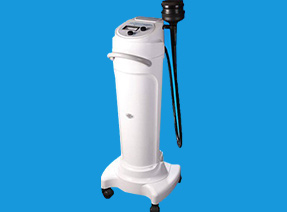
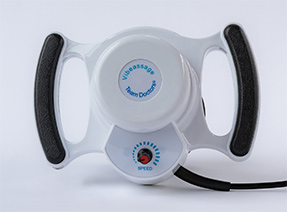
The Vibeassage Sport and the Vibeassage Pro featuring the TDX3 soft-as-the-hand Biomimetic Applicator Pad
https://www.teamdoctors.com/
✓ Get Dr. Stoxen’s #1 International Bestselling Books
Learn how to understand, examine, and reverse your TOS—without surgery.
https://drstoxen.com/1-international-best-selling-author/
✓ Check out Team Doctors Online Courses
Step-by-step video lessons, demonstrations, and self-treatment strategies.
https://teamdoctorsacademy.com/
✓ Schedule a Free Phone Consultation With Dr. Stoxen
Speak directly with him so he can review your case and guide you on your next steps.
https://drstoxen.com/appointment/
#thoracicoutletsyndrome #TOS #thoracicoutlet #posturemechanics #vascularcompression #nervecompression #upperextremitypain #armcompression #biomechanics #clinicaleducation #medicalimaging #venouscompression #brachialplexus #subclavianvein #subclavianartery #rehabileducation #movementscience #orthopediceducation #painmechanisms #functionalhealth
References
- Illig, Karl A., et al. “Thoracic Outlet Syndrome.” Journal of Vascular Surgery, vol. 64, no. 3, 2016, pp. e23–e35. https://doi.org/10.1016/j.jvs.2016.04.020
- Sanders, Richard J., and Neal M. Rao. “The Forgotten Cause of Thoracic Outlet Syndrome: The Costoclavicular Space.” Annals of Vascular Surgery, vol. 24, no. 8, 2010, pp. 1146–1154. https://doi.org/10.1016/j.avsg.2010.05.015
- Peek, J., et al. “Outcome of Surgical Treatment for Thoracic Outlet Syndrome: Systematic Review and Meta-Analysis.” Annals of Vascular Surgery, vol. 40, 2017, pp. 303–326. https://doi.org/10.1016/j.avsg.2016.09.012

Dr James Stoxen DC., FSSEMM (hon) He is the president of Team Doctors®, Treatment and Training Center Chicago, one of the most recognized treatment centers in the world.
Dr Stoxen is a #1 International Bestselling Author of the book, The Human Spring Approach to Thoracic Outlet Syndrome. He has lectured at more than 20 medical conferences on his Human Spring Approach to Thoracic Outlet Syndrome and asked to publish his research on this approach to treating thoracic outlet syndrome in over 30 peer review medical journals.
He has been asked to submit his other research on the human spring approach to treatment, training and prevention in over 150 peer review medical journals. He serves as the Editor-in-Chief, Journal of Orthopedic Science and Research, Executive Editor or the Journal of Trauma and Acute Care, Chief Editor, Advances in Orthopedics and Sports Medicine Journal and editorial board for over 35 peer review medical journals.
He is a much sought-after speaker. He has given over 1000 live presentations and lectured at over 70 medical conferences to over 50,000 doctors in more than 20 countries. He has been invited to speak at over 300 medical conferences which includes invitations as the keynote speaker at over 50 medical conferences.
After his groundbreaking lecture on the Integrated Spring-Mass Model at the World Congress of Sports and Exercise Medicine he was presented with an Honorary Fellowship Award by a member of the royal family, the Sultan of Pahang, for his distinguished research and contributions to the advancement of Sports and Exercise Medicine on an International level. He was inducted into the National Fitness Hall of Fame in 2008 and the Personal Trainers Hall of Fame in 2012.
Dr Stoxen has a big reputation in the entertainment industry working as a doctor for over 150 tours of elite entertainers, caring for over 1000 top celebrity entertainers and their handlers. Anthony Field or the popular children’s entertainment group, The Wiggles, wrote a book, How I Got My Wiggle Back detailing his struggles with chronic pain and clinical depression he struggled with for years. Dr Stoxen is proud to be able to assist him.
Full Bio) Dr Stoxen can be reached directly at teamdoctors@aol.com