When I first began writing my book on Thoracic Outlet Syndrome, only about 35,000 people were searching for the condition each month. Today, that number has climbed to more than 74,000 searches per month in the United States alone. In my clinical experience, this rise reflects more than awareness—it mirrors a fundamental change in how modern life loads the neck, shoulders, and upper extremities.
Many people now present with patterns that include nerve compression symptoms, scalene muscle tension, and persistent shoulder fatigue. These patterns often feed directly into thoracic outlet–related complaints. What has changed is not anatomy, but behavior.
The most common question I hear is why so many more individuals are researching TOS now compared to just a few years ago. Data on daily behavior provides an important clue. The average American now spends approximately 11.5 hours per day interacting with digital devices. Phones, laptops, tablets, gaming controllers, and handheld screens dominate modern life.
Each of these activities requires sustained micro-contractions in the hands, forearms, shoulders, and neck. While these forces feel small, they are constant. Over time, they accumulate into a broader chronic inflammation cycle, especially when posture collapses and stabilizing muscles fatigue.
Patients rarely describe a sudden onset. Symptoms usually begin quietly. Many report brief tingling in the fingers, temporary heaviness in one arm, or tightness across the chest that comes and goes. As daily screen hours add up, these sensations often progress into stiffness, neck muscle weakness, and reduced endurance in the shoulder girdle.
These compensatory patterns commonly contribute to brachial plexus compression, particularly when the head drifts forward and the shoulders elevate to support prolonged screen time. This position shortens the scalenes, loads the pectoral muscles, and alters rib mechanics.
In my clinical experience, repetitive digital activity also intensifies first rib elevation mechanics. This is a pattern I frequently observe during evaluation. The scalenes become overworked, the pectoralis muscles tighten, and deep stabilizers lose efficiency. As this balance shifts, the thoracic outlet narrows dynamically rather than structurally.
The result is not one isolated symptom, but a constellation of complaints that seem unrelated at first. Fatigue in the arm, neck tightness, chest pressure, and intermittent numbness are often reported together. Many individuals do not associate these symptoms with device use until they understand the biomechanics involved.
As the TOS population grows, it has become clear that the digital era is reshaping musculoskeletal demands. People without traditional risk factors—no trauma, no cervical rib, no athletic overuse—are developing symptoms that match thoracic outlet nerve compression patterns.
Many patients search online long before seeking an evaluation. They are often surprised to learn how interconnected their symptoms are with daily behavior. While every case is unique, the biomechanical themes repeat: overuse, slumped posture, muscular fatigue, and inefficient movement strategies.
The increase in search volume mirrors what I see daily in the clinic. More individuals are developing symptoms consistent with thoracic outlet–related compression, even though their imaging studies appear normal. This disconnect often leads to frustration and delayed care.
Understanding these patterns is why educational discussions around TOS increasingly include approaches that address multiple layers of tension at once. Strategies such as deep tissue mobilization and vibration-based techniques are often discussed because they target guarding, circulation, and muscle tone simultaneously.
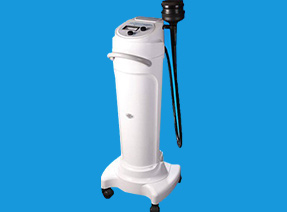
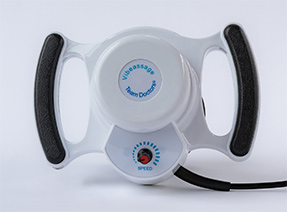
Tools like Vibeassage® Sport and Vibeassage® Pro, featuring the TDX3 soft-as-the-hand Biomimetic Applicator Pad, are frequently referenced in educational settings because they illustrate how broad areas of fatigue and overuse can be addressed without isolating a single muscle. Many patients describe widespread relief when multiple layers of tension are reduced together rather than individually.
This does not mean every person with device-related symptoms has Thoracic Outlet Syndrome. It does mean that modern behavior places sustained demands on structures that form the thoracic outlet, making certain patterns more common than in previous decades.
As search numbers continue to rise, it is clear that Thoracic Outlet Syndrome is no longer a niche diagnosis. It represents a modern musculoskeletal challenge shaped by posture, repetition, and prolonged low-level muscle activation.
Understanding the link between digital habits and upper-body strain is an important first step in recognizing why symptoms develop gradually and persist despite rest. This video explores the biomechanics behind the surge in TOS interest, the role of device use, and the patterns many individuals describe as their symptoms evolve over time.
Education changes perspective. When people understand how everyday behavior influences the neck, shoulders, and thoracic outlet, symptoms that once felt random begin to make sense.
Team Doctors Resources
✓ Check out the Team Doctors Recovery Tools
The Vibeassage Sport and the Vibeassage Pro featuring the TDX3 soft-as-the-hand Biomimetic Applicator Pad
https://www.teamdoctors.com/
✓ Get Dr. Stoxen’s #1 International Bestselling Books
Learn how to understand, examine, and reverse your TOS—without surgery.
https://drstoxen.com/1-international-best-selling-author/
✓ Check out Team Doctors Online Courses
Step-by-step video lessons, demonstrations, and self-treatment strategies.
https://teamdoctorsacademy.com/
✓ Schedule a Free Phone Consultation With Dr. Stoxen
Speak directly with him so he can review your case and guide you on your next steps.
https://drstoxen.com/appointment/
#ThoracicOutletSyndrome #TOS #DigitalPosture #TechNeck #ForwardHeadPosture #UpperBodyStrain #BrachialPlexus #NeckPain #ArmFatigue #ModernLifestyle #PostureAwareness #MuscleGuarding #RepetitiveStrain #Biomechanics #TOSAwareness #MovementHealth #DeviceUse #ChronicFatigue #UpperExtremity #TeamDoctors
References
- Hansraj, K. K. “Assessment of Stresses in the Cervical Spine Caused by Posture and Position of the Head.” Surgical Technology International 25 (2014): 277–279.
- Ludewig, P. M., and Cook, T. M. “Alterations in Shoulder Kinematics and Associated Muscle Activity.” Physical Therapy 80, no. 3 (2000): 276–291.
- Illig, K. A., et al. “Thoracic Outlet Syndrome.” Journal of Vascular Surgery 53, no. 3 (2010): 845–852.
- Atasoy, E. “Thoracic Outlet Compression Syndrome.” Orthopedic Clinics of North America 27, no. 2 (1996): 265–303.

Dr James Stoxen DC., FSSEMM (hon) He is the president of Team Doctors®, Treatment and Training Center Chicago, one of the most recognized treatment centers in the world.
Dr Stoxen is a #1 International Bestselling Author of the book, The Human Spring Approach to Thoracic Outlet Syndrome. He has lectured at more than 20 medical conferences on his Human Spring Approach to Thoracic Outlet Syndrome and asked to publish his research on this approach to treating thoracic outlet syndrome in over 30 peer review medical journals.
He has been asked to submit his other research on the human spring approach to treatment, training and prevention in over 150 peer review medical journals. He serves as the Editor-in-Chief, Journal of Orthopedic Science and Research, Executive Editor or the Journal of Trauma and Acute Care, Chief Editor, Advances in Orthopedics and Sports Medicine Journal and editorial board for over 35 peer review medical journals.
He is a much sought-after speaker. He has given over 1000 live presentations and lectured at over 70 medical conferences to over 50,000 doctors in more than 20 countries. He has been invited to speak at over 300 medical conferences which includes invitations as the keynote speaker at over 50 medical conferences.
After his groundbreaking lecture on the Integrated Spring-Mass Model at the World Congress of Sports and Exercise Medicine he was presented with an Honorary Fellowship Award by a member of the royal family, the Sultan of Pahang, for his distinguished research and contributions to the advancement of Sports and Exercise Medicine on an International level. He was inducted into the National Fitness Hall of Fame in 2008 and the Personal Trainers Hall of Fame in 2012.
Dr Stoxen has a big reputation in the entertainment industry working as a doctor for over 150 tours of elite entertainers, caring for over 1000 top celebrity entertainers and their handlers. Anthony Field or the popular children’s entertainment group, The Wiggles, wrote a book, How I Got My Wiggle Back detailing his struggles with chronic pain and clinical depression he struggled with for years. Dr Stoxen is proud to be able to assist him.
Full Bio) Dr Stoxen can be reached directly at teamdoctors@aol.com