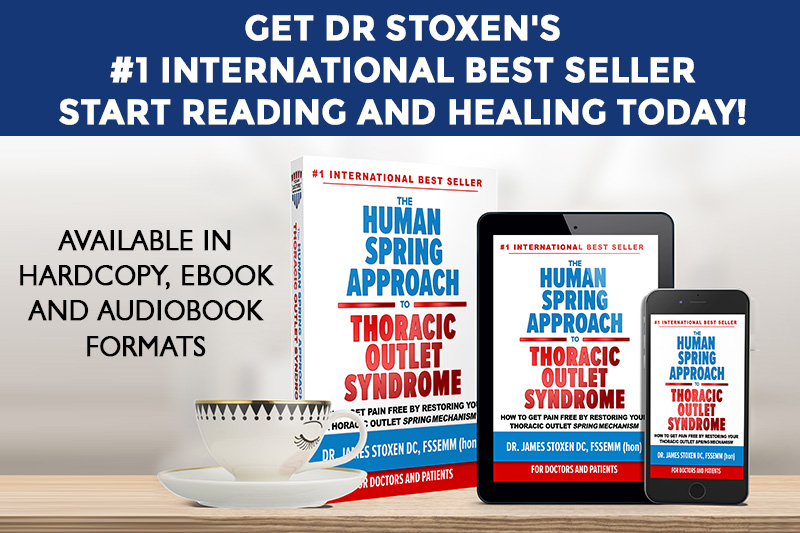
When I first picked up the book on the Human Spring Approach to Thoracic Outlet Syndrome by Dr. James Stoxen, something finally clicked. Page after page described patterns I had lived with for years. For the first time, my Thoracic Outlet Syndrome symptoms made sense instead of feeling random and overwhelming.
The book explained that the human body functions like a spring, not a rigid machine. When muscles stay elastic, they absorb shock, distribute force, and protect nerves and blood vessels. When that spring stiffens, problems begin. This single concept reshaped how I understood my pain.
I had spent years searching for answers about my symptoms of thoracic outlet syndrome, trying different approaches without lasting relief. What I never understood was how muscle hyper-tone can block motion, reduce shock absorption, and trigger widespread irritation. The book explained that stiff muscles do not fail loudly—they fail quietly by transferring stress to sensitive structures.
I had read endlessly about the best treatment for thoracic outlet syndrome, but no one explained why muscles lock up in the first place. The Human Spring model focused on restoring elasticity instead of forcing movement. That distinction changed everything.
For the first time, I learned that healing depends on motion, space, and controlled muscle recoil. This helped me understand why chest pain, chest pain and arm pain, and even chest pain around collar bone can occur when the spring system collapses. The pain was not random. It followed mechanics.
No clinician had ever connected those dots for me.
The book also addressed one of the most frightening parts of my experience—misdiagnosis. I learned how often people mistake thoracic outlet syndrome symptoms chest pain and thoracic outlet syndrome symptoms shortness of breath for heart problems. I lived with that fear daily.
I experienced chest pain with arm pain, burning sensations, and a line of tension that ran into my hand. At times, one arm felt colder than the other—something I later learned can reflect early vascular stress. I had no idea that symptoms of vascular thoracic outlet syndrome, symptoms of arterial thoracic outlet syndrome, and symptoms of neurogenic thoracic outlet syndrome can overlap and confuse even experienced clinicians.
What helped me most was the explanation of first rib irritation, scalene muscle tension, and how these feed into double crush syndrome thoracic outlet patterns. The book clarified why conditions such as fibromyalgia thoracic outlet syndrome and thoracic myalgia often coexist. They are not separate problems—they are different expressions of the same mechanical failure.
By the time I found the book, I had already tried nearly every conservative treatment for thoracic outlet syndrome available in Kansas City. I pursued conservative management, alternative treatment for thoracic outlet syndrome, thoracic outlet syndrome natural treatment, and months of physical therapy.
Nothing changed.
No practitioner explained why thoracic muscle pain, thoracic injury symptoms, thoracic chest pain, or thoracic pain symptoms continued to escalate. I was treating symptoms without understanding the system.
By June, everything intensified. Electric shock sensations traveled from my collarbone into my ear and fingers. Episodes of thoracic outlet syndrome symptoms dizziness appeared unexpectedly. Sitting or standing longer than thirty minutes triggered sharp thoracic pain, thoracic pain right side, and persistent thoracic back pain symptoms.
I tried every home treatment, every at-home treatment for thoracic outlet syndrome, and countless thoracic pain exercises. None addressed the root cause.
That is when the book delivered its most powerful insight: you must restore the spring before you restore motion.
This single sentence explained why my symptoms worsened despite effort. I was forcing movement into a system that had lost elasticity. The book also clarified how inflammation and stiffness lead to thoracic outlet syndrome complications when left unaddressed.
For the first time, the problem was clear.
I reached out to Dr. Stoxen, not expecting a response. He replied the same day. After years of searching, someone finally understood why my attempts with thoracic outlet syndrome symptoms exercises, physical therapy exercises for thoracic outlet syndrome, adjustments, and exercises for thoracic outlet syndrome treatment had failed.
They were addressing motion without restoring the spring.
Five New Things This Article Teaches
- Muscles must act like springs to absorb shock and reduce symptoms thoracic outlet syndrome.
- Tight scalene muscles can elevate ribs and trigger chest pain and nerve irritation.
- One cold arm may signal early vascular stress patterns.
- Elasticity matters more than strength in early recovery.
- Understanding mechanics restores confidence and direction.
For the first time, my condition made sense. My body was not broken—it was stiff, compressed, and overloaded. Knowledge replaced fear. Understanding replaced frustration.
That understanding changed everything.
Team Doctors Resources
✓ Check out the Team Doctors Recovery Tools
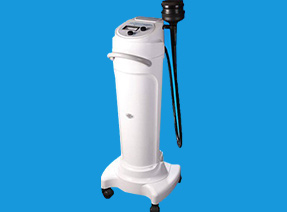
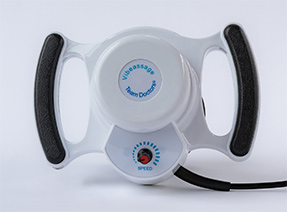
The Vibeassage Sport and the Vibeassage Pro featuring the TDX3 soft-as-the-hand Biomimetic Applicator Pad
https://www.teamdoctors.com/
✓ Get Dr. Stoxen’s #1 International Bestselling Books
Learn how to understand, examine, and reverse your TOS—without surgery.
https://drstoxen.com/1-international-best-selling-author/
✓ Check out Team Doctors Online Courses
Step-by-step video lessons, demonstrations, and self-treatment strategies.
https://teamdoctorsacademy.com/
✓ Schedule a Free Phone Consultation With Dr. Stoxen
Speak directly with him so he can review your case and guide you on your next steps.
https://drstoxen.com/appointment/
#ThoracicOutletSyndrome #TOS #HumanSpring #ChronicPain #TOSRecovery #Biomechanics #PatientEducation #ThoracicPain #ChestPain #ArmPain #NerveCompression #VascularCompression #MovementHealth #NonSurgicalCare #TOSAwareness #HealingJourney #BodyMechanics #KansasCity #PainScience #TeamDoctors
References
- Atasoy, E. “Thoracic Outlet Syndrome: Anatomy and Pathophysiology.” Hand Clinics 20, no. 1 (2004): 7–14.
- Illig, K. A., et al. “Thoracic Outlet Syndrome.” Journal of Vascular Surgery 53, no. 3 (2010): 845–852.
- McGill, S. M. Low Back Disorders: Evidence-Based Prevention and Rehabilitation. Human Kinetics, 2016.
- Stoxen, J. The Human Spring Approach. Team Doctors Publishing.

Dr James Stoxen DC., FSSEMM (hon) He is the president of Team Doctors®, Treatment and Training Center Chicago, one of the most recognized treatment centers in the world.
Dr Stoxen is a #1 International Bestselling Author of the book, The Human Spring Approach to Thoracic Outlet Syndrome. He has lectured at more than 20 medical conferences on his Human Spring Approach to Thoracic Outlet Syndrome and asked to publish his research on this approach to treating thoracic outlet syndrome in over 30 peer review medical journals.
He has been asked to submit his other research on the human spring approach to treatment, training and prevention in over 150 peer review medical journals. He serves as the Editor-in-Chief, Journal of Orthopedic Science and Research, Executive Editor or the Journal of Trauma and Acute Care, Chief Editor, Advances in Orthopedics and Sports Medicine Journal and editorial board for over 35 peer review medical journals.
He is a much sought-after speaker. He has given over 1000 live presentations and lectured at over 70 medical conferences to over 50,000 doctors in more than 20 countries. He has been invited to speak at over 300 medical conferences which includes invitations as the keynote speaker at over 50 medical conferences.
After his groundbreaking lecture on the Integrated Spring-Mass Model at the World Congress of Sports and Exercise Medicine he was presented with an Honorary Fellowship Award by a member of the royal family, the Sultan of Pahang, for his distinguished research and contributions to the advancement of Sports and Exercise Medicine on an International level. He was inducted into the National Fitness Hall of Fame in 2008 and the Personal Trainers Hall of Fame in 2012.
Dr Stoxen has a big reputation in the entertainment industry working as a doctor for over 150 tours of elite entertainers, caring for over 1000 top celebrity entertainers and their handlers. Anthony Field or the popular children’s entertainment group, The Wiggles, wrote a book, How I Got My Wiggle Back detailing his struggles with chronic pain and clinical depression he struggled with for years. Dr Stoxen is proud to be able to assist him.
Full Bio) Dr Stoxen can be reached directly at teamdoctors@aol.com