Thoracic outlet surgery is often discussed as a way to create more space for nerves and blood vessels in a crowded passageway between the neck and shoulder. People usually arrive at this topic after months or years of symptoms and mixed opinions from different specialists.
This article explains how surgical approaches are described in the medical literature, why outcomes vary, and what patterns can lead to confusion when tests look “normal.”
The thoracic outlet is not a rigid pipe. It is a moving region where the collarbone, first rib, and surrounding muscles change position as the shoulder moves, the neck rotates, and the chest expands with breathing.
Because the space changes, symptoms can be present in certain positions and quiet in others, which makes decision-making harder.
In educational terms, it helps to picture the shoulder as a suspended structure rather than a block resting on the rib cage. Muscles act like suspension cables that hold the shoulder up and allow elastic motion.
When that suspension loses endurance, the shoulder can settle down and narrow the pathway beneath it.
Many individuals describe a pattern where the arm feels worse with overhead activity, carrying, or prolonged sitting. Others notice flares during repetitive phone or laptop work, when the shoulder is subtly pulled forward and downward.
These patterns can increase strain on the structures that pass through the outlet.
Surgery is one tool that may be considered when symptoms are severe, persistent, and consistent with thoracic outlet compression after a careful evaluation. Even then, surgery is not a single procedure, and it is not chosen for a single reason.
The approach, the tissues addressed, and the goals differ depending on whether symptoms are thought to be primarily neurogenic, venous, or arterial. [1]
One reason people search thoracic outlet syndrome surgery is that they feel stuck between “nothing is wrong” and “something is clearly wrong.” If imaging is normal, it can sound like the problem is imaginary, even when daily function is limited.
A practical educational step is to separate “no structural damage seen” from “no position-dependent narrowing possible,” because those are different questions.
A second reason people ask do i need thoracic outlet surgery is that they want a clear yes-or-no answer. In real clinical situations, the question is usually “what evidence supports compression, and what evidence supports something else?”
That is why careful history, movement-based testing, and a full differential are essential.
Before any discussion of procedures, it is important to understand what the surgeon is trying to decompress. Decompression can mean creating room around the brachial plexus, around the subclavian vein, around the subclavian artery, or around a combination of structures.
The same symptom words can describe very different underlying patterns.
When patients research thoracic outlet surgery risks, they often find lists that mix minor and major events without context. Risk is influenced by the type of compression, the tissues addressed, surgeon volume, and whether vascular reconstruction is needed.
Large surgical series and reviews describe low rates of certain catastrophic events, but “low” is not the same as “zero,” and it is not the same for every patient. [2]
Another common search is thoracic outlet surgery success rate, but “success” is defined differently across studies. Some studies measure symptom improvement, some measure return to work, and some measure vein patency or clot recurrence.
A careful reader looks for how the study defines improvement and how long follow-up lasted. [1]
The phrase thoracic outlet surgery recovery also means different things to different people. Recovery can include wound healing, nerve irritation settling, shoulder motion rebuilding, and endurance returning.
It can also include learning to reduce the mechanical patterns that narrowed the outlet in the first place.
Many individuals are concerned about life after thoracic outlet surgery because they fear permanent limitations. In my clinical experience, long-term function depends heavily on restoring shoulder endurance, scapular control, rib mobility, and neck motion, while avoiding prolonged postures that re-load the same tissues.
Recovery is often described as a process, not a date.
When people read about thoracic outlet surgery complications, they may not realize that “complications” can include temporary nerve irritation, persistent symptoms, scar sensitivity, or vascular events. The medical literature also distinguishes between minor and major complications, and different approaches can have different profiles. [1]
The term failed thoracic outlet surgery is often used online, but “failed” can mean different things. Sometimes the diagnosis was incomplete and another condition was driving symptoms.
Sometimes decompression was incomplete for the structures involved.
Sometimes scar tissue, persistent muscle guarding, or repeated postural loading led to renewed narrowing.
People frequently report symptoms came back after tos surgery and wonder if this means the outlet “closed again.” A more careful explanation is that symptoms can return when the underlying mechanics that load the outlet are not corrected, or when secondary compression sites remain.
This is one reason comprehensive rehabilitation matters.
A related concern is recurrence after thoracic outlet surgery, which can refer to symptom recurrence, clot recurrence, or re-compression from scarring. In venous cases, recurrence can be discussed in terms of thrombosis events and vein patency over time.
Reviews and clinical series highlight that recurrence rates depend on timing, technique, and definitions used. [3]
Many people want a checklist before getting thoracic outlet surgery so they feel prepared. Preparation commonly includes understanding the suspected type of thoracic outlet problem, reviewing imaging and vascular studies, and asking how the surgical team defines success.
It also includes learning what rehabilitation is expected afterward.
The question what to do before surgery can also include functional preparation. Many individuals benefit from learning breathing mechanics, gentle rib mobility, and scapular control strategies so they have a baseline.
This is not a promise of outcome, but it can make post-operative learning easier.
A frequent worry is is thoracic outlet surgery dangerous. Any operation near major vessels and nerves demands respect, and it should be discussed with clear numbers and clear definitions.
High-volume series report low rates of certain major complications, but individual risk is always personalized to anatomy, condition type, and comorbid factors. [2]
One specific concern is first rib resection risks, because removing the first rib is a key part of many decompression strategies. The rib sits close to the pleura and major vessels, and that proximity is why technique and experience matter.
In the literature, first rib resection is described across approaches including supraclavicular and transaxillary exposures. [4]
Another specific concern is scalenectomy surgery risks, because scalene muscles are close to the brachial plexus and vascular structures. In educational terms, scalenectomy is discussed as a way to reduce tethering or crowding at the scalene triangle.
Surgeons may combine scalenectomy with first rib resection and neurolysis depending on the case.
A key practical question is how long is recovery after tos surgery. Many people regain basic daily function earlier than they regain endurance and overhead capacity.
Nerves can remain sensitive for a period, and the shoulder complex may need retraining so it does not fall back into the same depressed pattern.
It is common for people to search pain after thoracic outlet surgery because discomfort can persist even when decompression is successful. Post-operative pain can be related to incision healing, muscle spasm, nerve irritability, or altered shoulder mechanics.
Clear follow-up care helps distinguish expected healing from concerning signs.
Others ask about numbness after tos surgery. Numbness can reflect preexisting nerve irritation that takes time to settle, or temporary post-operative neurapraxia, or persistent compression at a different site.
Tracking which fingers, which positions, and which activities reproduce numbness can help guide next steps.
People also want to know about long-term results of tos surgery. Long-term outcomes are influenced by the type of thoracic outlet problem and how it was defined at the start.
They are also influenced by whether rehabilitation restores the shoulder’s spring-like suspension and the rib cage’s ability to move with breathing.
One of the hardest experiences is when surgery didn’t fix arm pain. This can happen when the dominant driver was not the outlet, when multiple compression sites exist, or when central sensitization and persistent muscle guarding continue to amplify signals.
It can also happen when a secondary condition, like cervical radiculopathy or peripheral nerve entrapment, was not fully addressed.
Another painful story is surgery made symptoms worse. In my clinical experience, worsening reports should trigger a careful review of the original symptom map, new neurologic findings, and functional changes.
Sometimes worsening is temporary and related to healing and nerve sensitivity, but sometimes it reflects a mismatch between the procedure and the true driver of symptoms.
People worry about nerve damage after tos surgery because the brachial plexus is directly involved in many procedures. Large series discuss low rates of permanent nerve injury, but transient nerve symptoms can occur.
The important point is that risk discussions should use the same definitions the study uses. [2]
Those with venous features often ask about blood clot risk after tos surgery. In venous thoracic outlet patterns, clotting is part of the disease process, and the care pathway may include thrombolysis, anticoagulation, and decompression timing decisions.
Systematic reviews describe recurrent thrombosis rates that vary by strategy and follow-up window. [3]
A phrase that appears in searches is is surgery my only option. In education, it helps to clarify that conservative care is often attempted first for many neurogenic presentations, while vascular presentations may follow different pathways.
The goal is to match the plan to the pattern, not to push a single answer.
Some people type should i avoid tos surgery after reading conflicting stories online. A better educational question is “what evidence supports a surgical target, and what evidence supports a different diagnosis?”
If the evidence is weak or mixed, a second opinion with a high-volume thoracic outlet team can clarify options.
When patients look up when surgery fails tos, they are often trying to understand what can be done next. Next steps may include reviewing the diagnosis, evaluating for residual or new compression sites, and assessing scar sensitivity and movement mechanics.
It may also include looking for conditions that mimic thoracic outlet patterns.
The term revision tos surgery is usually used when further decompression or scar management is considered. Revision decisions are complex because scar tissue, altered anatomy, and nerve sensitivity can change the risk-benefit balance.
These decisions are best guided by detailed symptom mapping and objective findings.
People also look for data on tos surgery outcomes. Outcomes are reported differently across neurogenic, venous, and arterial types, and across approaches.
A systematic review and meta-analysis can help by standardizing comparisons, but even then, differences in patient selection can affect interpretation. [1]
A common comparison is surgery vs conservative treatment tos. In educational framing, conservative care may include posture retraining, scapular stabilization, breathing mechanics, nerve gliding under guidance, and graded exposure to activity.
Surgical care may be considered when symptoms remain severe, consistent, and function-limiting despite appropriate conservative strategies, or when vascular compromise is a central concern.
At the center of it all is the thoracic outlet surgery decision. Decision-making becomes clearer when the evaluation answers four questions: which structure is likely involved, where the narrow point is most likely located, what positions reproduce symptoms, and what other diagnoses remain plausible.
When those answers are vague, decisions tend to feel forced.
Now consider the surgical approaches you referenced. Two of the commonly described routes for first rib resection are the supraclavicular approach and the transaxillary approach.
Comparative studies have reported broadly similar symptom improvement rates, while also noting differences in exposure and the ability to perform adjunct vascular procedures. [4]
The supraclavicular approach provides access above the collarbone, which can be helpful when surgeons need direct exposure to the neurovascular bundle. It may allow easier performance of adjunct procedures such as vascular reconstruction or detailed neurolysis in selected cases.
The tradeoff is a visible incision and a different tissue corridor.
The transaxillary approach reaches the first rib through the armpit. One commonly cited benefit is reduced visibility of a neck incision, although it still involves a significant operation.
The approach can be effective, but access differs, and surgeons may prefer one approach over another based on anatomy and goals. [4]
You also described pectoralis minor tenotomy, which targets compression beneath the coracoid region. Research literature discusses this as part of the broader spectrum of neurogenic thoracic outlet presentations, sometimes as an adjunct and in selected cases as a focused procedure.
The main educational point is that the pectoralis minor is one of several muscles that can contribute to shoulder depression and anterior pull. [5]
In that same mechanical line, the subclavius sits beneath the clavicle and can influence the space between the collarbone and first rib. The short head of the biceps and the coracobrachialis can also contribute to forward and inward arm positioning during prolonged device use.
These are everyday loads that can increase outlet demand even in people without dramatic injuries.
That is why a “best surgery” question is often really a “best match” question. The best approach is the one that targets the structures involved, fits the patient’s anatomy, and is paired with appropriate rehabilitation.
The goal is not only to remove tissue, but to restore a system that can maintain space under real-life loads.
A final educational reminder is that thoracic outlet patterns can be mimicked. Cervical radiculopathy, peripheral nerve entrapment at the elbow or wrist, shoulder joint pathology, and central pain amplification can share symptoms.
Careful differential diagnosis prevents people from being routed into an operation for the wrong reason. [1]
If you are reviewing surgical options, it can help to ask for clear explanations of the suspected compression site, the planned tissues to be addressed, and the specific outcomes the team will track. It can also help to learn what rehabilitation will include and how progress will be measured over time.
Education improves decisions when the situation is complex.
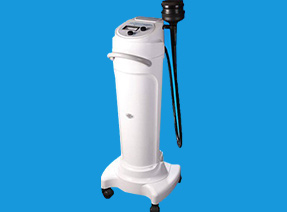
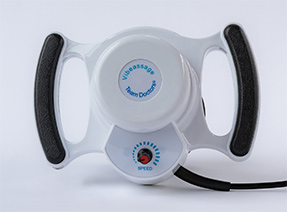
Within Team Doctors® educational materials, the concept of restoring spring-like suspension of the shoulder is emphasized as a way to understand why position-dependent narrowing can persist or return. Tools like the Vibeassage® Sport and Vibeassage® Pro, paired with the TDX3 soft-as-the-hand Biomimetic Applicator Pad, are often discussed in educational contexts about tissue response, graded exposure, and movement tolerance.
These are not promises, but examples of how education can frame self-observation.
The most helpful takeaway is that surgery discussions should be grounded in anatomy, biomechanics, and clear definitions. When studies, clinicians, and patients use the same definitions for outcomes and complications, the conversation becomes clearer.
When definitions differ, confusion grows, and decisions feel more stressful than they need to be.
A careful preoperative evaluation often includes a detailed timeline of symptom onset, changes with posture, and changes with specific loads. A simple daily log that notes overhead use, carrying, and device time can reveal consistent triggers.
Physical examination is most useful when it reproduces the person’s typical complaint and then shows what changes it. Provocative maneuvers may be used, but the examiner also looks for scapular endurance loss, rib cage stiffness with breathing, and neck motion limits that shift shoulder position.
Imaging and diagnostic tests can be valuable, but they must be interpreted in context. Duplex ultrasound, venography, CT angiography, or MR angiography may be considered in vascular patterns, and electrodiagnostic testing may be considered when nerve injury is suspected.
Many clinically important patterns are intermittent, so a normal study can be informative without being definitive. [1]
If a surgical consultation is planned, it is reasonable to ask which structure is most affected and why. It is also reasonable to ask which approach is preferred, what additional procedures might be needed, and how often the team performs this operation.
Rehabilitation is often described in phases. Early phases focus on comfortable breathing, gentle shoulder motion, and scar tolerance, while later phases focus on strength, endurance, and return to activity.
Many individuals improve in basic comfort before they improve in stamina, which is why follow-up should include endurance benchmarks, not only pain scores.
It is useful to understand the difference between symptom relief and functional restoration. Tracking function with simple tasks, like timed holds, controlled reaches, and graded carry tolerance, can provide clearer feedback than “good day versus bad day.”
Because thoracic outlet patterns can mimic other conditions, it helps to review common look-alikes. Cervical radiculopathy can cause neck-related arm symptoms, and peripheral nerve entrapment at the elbow or wrist can cause hand tingling that seems “upstream.”
Shoulder joint disorders can refer pain into the upper arm, and myofascial trigger points can create numbness-like sensations without true nerve injury.
Vascular symptoms also have mimics. Swelling can have causes beyond the outlet, including lymphatic and systemic contributors, which is why a broad differential and appropriate referrals matter when symptoms include visible swelling, color change, or prominent veins. [3]
In educational discussions, it helps to describe the role of muscle guarding. When pain or threat is perceived, the nervous system can increase muscle tone around the neck and shoulder, reduce motion options, and change how the shoulder sits.
This is where biomechanics becomes practical. If the shoulder rests in a depressed, forward position, the collarbone and first rib may approximate more during arm elevation.
If the rib cage does not expand well with breathing, accessory muscles may overwork and increase tension around the outlet.
Education cannot decide whether surgery is appropriate for an individual person. It can clarify the anatomy, clarify the options, clarify how studies define outcomes, and clarify what recovery usually involves, so decisions feel more grounded and less like a gamble.
Many surgical papers emphasize that patient selection matters as much as technique. Studies often use structured diagnostic pathways and experienced teams, which can differ from community referral patterns.
Reading the methods section helps explain why two articles can report different results even when they describe similar operations.
When you compare studies, look at follow-up duration, how “improvement” was defined, and whether patients were grouped as neurogenic, venous, or arterial. That matters for clarity later.
Team Doctors Resources
✓ Check out the Team Doctors Recovery Tools
The Vibeassage Sport and the Vibeassage Pro featuring the TDX3 soft-as-the-hand Biomimetic Applicator Pad
https://www.teamdoctors.com/
✓ Get Dr. Stoxen’s #1 International Bestselling Books
Learn how to understand, examine, and reverse your TOS—without surgery.
https://drstoxen.com/1-international-best-selling-author/
✓ Check out Team Doctors Online Courses
Step-by-step video lessons, demonstrations, and self-treatment strategies.
https://teamdoctorsacademy.com/
✓ Schedule a Free Phone Consultation With Dr. Stoxen
Speak directly with him so he can review your case and guide you on your next steps.
https://drstoxen.com/appointment/
#ThoracicOutletSyndrome #TOSSurgery #FirstRibResection #Scalenectomy #PectoralisMinor #BrachialPlexus #SubclavianVein #SubclavianArtery #SurgicalOutcomes #PostOpRecovery #NervePain #ArmNumbness #ShoulderPain #VascularTOS #NeurogenicTOS #TOSComplications #TOSRecurrence #Supraclavicular #Transaxillary #PatientEducation
References
- Peek, J., A. Vos, J. Uittenbogaart, T. van de Pavoordt, R. van den Akker, and H. J. C. M. de Vries. “Outcome of Surgical Treatment for Thoracic Outlet Syndrome: Systematic Review and Meta-Analysis.” Annals of Vascular Surgery 40 (2017): 303–326. https://pubmed.ncbi.nlm.nih.gov/27666803/
- Rinehardt, E. K., et al. “Current Practice of Thoracic Outlet Decompression Surgery: Results of 1431 Operations.” Journal of Vascular Surgery (2017). https://www.jvascsurg.org/article/S0741-5214%2817%2931102-3/fulltext
- de Kleijn, R. J., et al. “Timing of Thoracic Outlet Decompression after Thrombolysis for Primary Effort Thrombosis: A Systematic Review.” Annals of Vascular Surgery (2020). https://www.sciencedirect.com/science/article/pii/S0890509620301254
- Hosn, M. A., et al. “Supraclavicular Versus Transaxillary First Rib Resection for Thoracic Outlet Syndrome.” Journal of Laparoendoscopic & Advanced Surgical Techniques (2020). https://pubmed.ncbi.nlm.nih.gov/32412829/
- Vemuri, C., et al. “Early Effectiveness of Isolated Pectoralis Minor Tenotomy in Selected Patients with Neurogenic Thoracic Outlet Syndrome.” Journal of Vascular Surgery 57, no. 5 (2013): 1345–1352. https://pubmed.ncbi.nlm.nih.gov/23375605/

Dr James Stoxen DC., FSSEMM (hon) He is the president of Team Doctors®, Treatment and Training Center Chicago, one of the most recognized treatment centers in the world.
Dr Stoxen is a #1 International Bestselling Author of the book, The Human Spring Approach to Thoracic Outlet Syndrome. He has lectured at more than 20 medical conferences on his Human Spring Approach to Thoracic Outlet Syndrome and asked to publish his research on this approach to treating thoracic outlet syndrome in over 30 peer review medical journals.
He has been asked to submit his other research on the human spring approach to treatment, training and prevention in over 150 peer review medical journals. He serves as the Editor-in-Chief, Journal of Orthopedic Science and Research, Executive Editor or the Journal of Trauma and Acute Care, Chief Editor, Advances in Orthopedics and Sports Medicine Journal and editorial board for over 35 peer review medical journals.
He is a much sought-after speaker. He has given over 1000 live presentations and lectured at over 70 medical conferences to over 50,000 doctors in more than 20 countries. He has been invited to speak at over 300 medical conferences which includes invitations as the keynote speaker at over 50 medical conferences.
After his groundbreaking lecture on the Integrated Spring-Mass Model at the World Congress of Sports and Exercise Medicine he was presented with an Honorary Fellowship Award by a member of the royal family, the Sultan of Pahang, for his distinguished research and contributions to the advancement of Sports and Exercise Medicine on an International level. He was inducted into the National Fitness Hall of Fame in 2008 and the Personal Trainers Hall of Fame in 2012.
Dr Stoxen has a big reputation in the entertainment industry working as a doctor for over 150 tours of elite entertainers, caring for over 1000 top celebrity entertainers and their handlers. Anthony Field or the popular children’s entertainment group, The Wiggles, wrote a book, How I Got My Wiggle Back detailing his struggles with chronic pain and clinical depression he struggled with for years. Dr Stoxen is proud to be able to assist him.
Full Bio) Dr Stoxen can be reached directly at teamdoctors@aol.com