One day, I came across a video that stopped me in my tracks. A woman described severe Thoracic Outlet Syndrome symptoms that disrupted sleep, work, and basic daily life. Her story reflected years of pain, failed treatments, and unanswered questions before she finally found clarity.
In my clinical experience, stories like this follow a familiar pattern. Many individuals with chronic neck pain, shoulder pain, and radiating arm symptoms are told they have exhausted all available options. They are often informed that surgery is inevitable or that nothing more can be done.
What stood out in this story was not just the outcome, but the explanation. The relief came through Dr. Stoxen’s Human Spring® approach, which reframed the problem as one of biomechanics, inflammation, and muscular guarding rather than irreversible damage.
Less than a week after watching that video, I reached out to Dr. Stoxen.
He scheduled a Zoom consultation that felt unlike any medical conversation I had experienced. He listened carefully, asked detailed questions, and mapped my symptoms against known thoracic outlet compression patterns. There was no rush. The discussion was methodical and grounded in decades of clinical observation.
Still, the decision was not easy.
Traveling more than 10,000 miles, spending over 26 hours in transit, and taking on the financial and physical cost of international travel to Chicago felt overwhelming. Anyone living with long-standing Thoracic Outlet Syndrome understands how difficult major decisions become when pain and uncertainty dominate daily life.
During this period of hesitation, Dr. Stoxen sent another video.
It featured a woman who had traveled more than 9,000 miles from Brisbane, Australia. Her symptoms had progressed to the point where daily function was nearly impossible. Simple tasks were exhausting. Sleep was disrupted. Fear had become part of her routine.
She underwent five days of focused care using the Human Spring® methodology, combined with targeted soft-tissue work and circulation-based strategies.
Within those five days, her pain resolved.
She returned home with restored function and the ability to resume her life.
From an educational standpoint, this outcome highlights a critical point that is often overlooked. Many Thoracic Outlet Syndrome symptoms are driven by layered muscular guarding, inflammation, and biomechanical overload rather than permanent structural damage.
When these layers are addressed systematically, the body often responds more quickly than expected.
This is not about miracles or guarantees. It is about understanding mechanisms.
Nerve compression, vascular restriction, and protective muscle contraction do not occur in isolation. They interact. When inflammation accumulates inside muscle tissue, the nervous system responds with guarding. That guarding narrows space. Narrowed space increases compression. Compression feeds further guarding.
This cycle can persist for years when it is misunderstood.
What these stories demonstrate is that when the cycle is identified and addressed correctly, change becomes possible. Not because the body is forced to adapt, but because the underlying drivers are reduced.
In my clinical experience, many patients are told they have “failed conservative care.” In reality, they have often failed incomplete explanations. Treatments may target symptoms without addressing the system that created them.
The Human Spring® framework reframes the upper body as a spring-based structure. When one area locks, the entire system compensates. Relief requires restoring motion, reducing inflammatory load, and allowing normal mechanics to return.
These stories are not isolated. They exist because the same patterns repeat across patients, professions, and countries.
Individuals often arrive believing they are broken. They are told their imaging looks normal or that surgery is the only remaining option. Fear becomes part of the condition.
Understanding changes that narrative.
When patients learn why their symptoms developed, fear often decreases. When fear decreases, guarding decreases. When guarding decreases, compression lessens.
This does not mean every case resolves in days. It means the path forward finally makes sense.
The decision to travel across the world is never taken lightly. But for many, clarity is worth more than convenience.
These stories exist because they are repeatable patterns observed over decades of clinical practice at Team Doctors®. They reflect what happens when education, observation, and biomechanics are integrated rather than fragmented.
For individuals still searching for answers, these stories serve a purpose. They demonstrate that persistent symptoms do not always mean irreversible damage. They often mean the wrong mechanism has been addressed.
Understanding that distinction can change everything.
Team Doctors Resources
✓ Check out the Team Doctors Recovery Tools
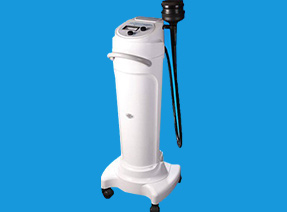
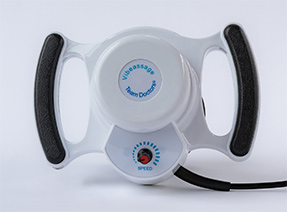
The Vibeassage Sport and the Vibeassage Pro featuring the TDX3 soft-as-the-hand Biomimetic Applicator Pad
https://www.teamdoctors.com/
✓ Get Dr. Stoxen’s #1 International Bestselling Books
Learn how to understand, examine, and reverse your TOS—without surgery.
https://drstoxen.com/1-international-best-selling-author/
✓ Check out Team Doctors Online Courses
Step-by-step video lessons, demonstrations, and self-treatment strategies.
https://teamdoctorsacademy.com/
✓ Schedule a Free Phone Consultation With Dr. Stoxen
Speak directly with him so he can review your case and guide you on your next steps.
https://drstoxen.com/appointment/
#ThoracicOutletSyndrome #TOSSuccessStory #PatientJourney #ChronicPainEducation #HumanSpring #TOSAwareness #NeckAndArmPain #UpperExtremitySymptoms #Biomechanics #PainUnderstanding #ClinicalPatterns #PatientStories #MovementHealth #GuardingReflex #InflammationScience #ThoracicOutlet #HopeAndHealing #ComplexPain #TOSJourney #EducationMatters
References
- Roos, D. B. “Thoracic Outlet Syndrome Is Underdiagnosed.” Muscle & Nerve 22, no. 1 (1999): 126–129.
- Sanders, Richard J., and Neal S. Pearce. “Neurogenic Thoracic Outlet Syndrome.” Journal of Vascular Surgery 36, no. 3 (2002): 669–676.
- Urschel, Harold C., and R. B. Razzuk. “The Neurovascular Compression Syndromes of the Thoracic Outlet.” Annals of Thoracic Surgery 50, no. 3 (1990): 484–490.

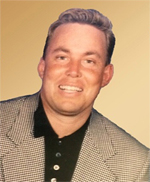
Dr James Stoxen DC., FSSEMM (hon) He is the president of Team Doctors®, Treatment and Training Center Chicago, one of the most recognized treatment centers in the world.
Dr Stoxen is a #1 International Bestselling Author of the book, The Human Spring Approach to Thoracic Outlet Syndrome. He has lectured at more than 20 medical conferences on his Human Spring Approach to Thoracic Outlet Syndrome and asked to publish his research on this approach to treating thoracic outlet syndrome in over 30 peer review medical journals.
He has been asked to submit his other research on the human spring approach to treatment, training and prevention in over 150 peer review medical journals. He serves as the Editor-in-Chief, Journal of Orthopedic Science and Research, Executive Editor or the Journal of Trauma and Acute Care, Chief Editor, Advances in Orthopedics and Sports Medicine Journal and editorial board for over 35 peer review medical journals.
He is a much sought-after speaker. He has given over 1000 live presentations and lectured at over 70 medical conferences to over 50,000 doctors in more than 20 countries. He has been invited to speak at over 300 medical conferences which includes invitations as the keynote speaker at over 50 medical conferences.
After his groundbreaking lecture on the Integrated Spring-Mass Model at the World Congress of Sports and Exercise Medicine he was presented with an Honorary Fellowship Award by a member of the royal family, the Sultan of Pahang, for his distinguished research and contributions to the advancement of Sports and Exercise Medicine on an International level. He was inducted into the National Fitness Hall of Fame in 2008 and the Personal Trainers Hall of Fame in 2012.
Dr Stoxen has a big reputation in the entertainment industry working as a doctor for over 150 tours of elite entertainers, caring for over 1000 top celebrity entertainers and their handlers. Anthony Field or the popular children’s entertainment group, The Wiggles, wrote a book, How I Got My Wiggle Back detailing his struggles with chronic pain and clinical depression he struggled with for years. Dr Stoxen is proud to be able to assist him.
Full Bio) Dr Stoxen can be reached directly at teamdoctors@aol.com